

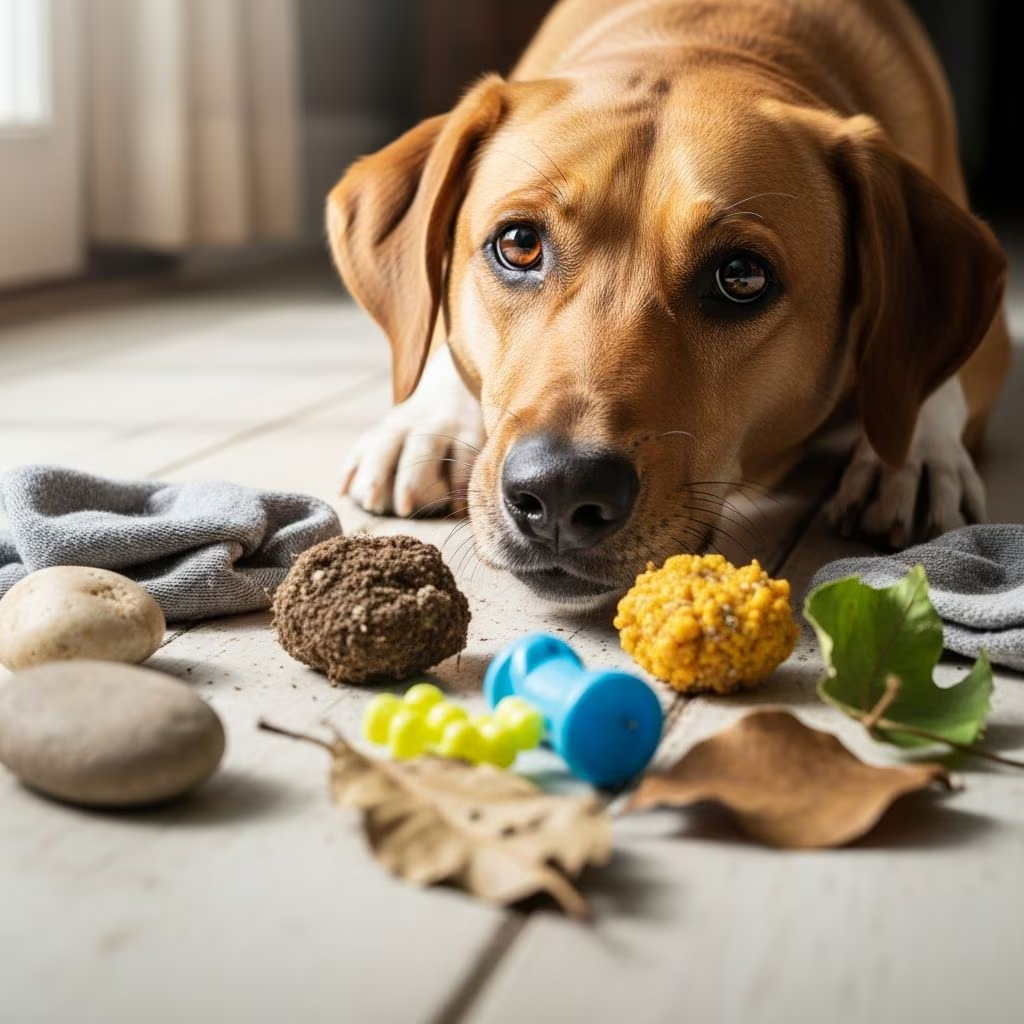
Understanding Pica in Dogs: A Comprehensive Guide
Pica in dogs is a disorder characterized by the compulsive ingestion of non-food items such as rocks, dirt, fabric, plastic, or other inedible objects. This condition is a fairly common occurrence among canines and can range from a minor nuisance to a serious medical emergency. Understanding the underlying causes, recognizing symptoms, and implementing appropriate treatment strategies are essential for protecting your dog’s health and well-being.
What Causes Pica in Dogs?
The causes of pica in dogs can be complex and difficult to determine, as they may stem from either medical or behavioral origins. In many cases, dogs with pica require a thorough veterinary evaluation to identify the root cause and develop an effective treatment plan.
Medical Causes of Pica
Medical conditions represent a significant category of pica causes that require professional diagnosis and treatment. These health-related factors often drive dogs to consume non-food items in an attempt to compensate for nutritional deficiencies or manage underlying discomfort.
- Gastrointestinal Disease: Conditions affecting the digestive system can trigger pica behaviors as dogs seek relief from digestive distress.
- Anemia: Low iron levels or inability to absorb iron can drive dogs to eat dirt, clay, and soil in search of minerals.
- Liver Disease: Hepatic conditions may alter appetite regulation and nutrient absorption.
- Pancreatic Disease: Pancreatic dysfunction can affect digestion and nutrient uptake, contributing to pica development.
- Endocrine Diseases: Conditions such as diabetes and thyroid disease can disrupt normal appetite regulation and nutrient metabolism.
- Parasitic Infections: Tapeworms, hookworms, and other intestinal parasites can cause nutritional deficiencies and trigger pica behaviors.
- Malabsorption Disorders: Conditions preventing proper nutrient absorption force the body to seek additional minerals and nutrients.
- Neurologic Diseases: Neurological conditions may affect brain centers controlling appetite and eating behavior.
Nutritional and Dietary Factors
Poor diet quality and nutritional imbalances are common contributors to pica in dogs. When dogs do not receive adequate nutrition from their regular food, they may instinctively seek additional nutrients by consuming non-food items. Nutritional deficiencies, unbalanced diets, and inadequate protein or mineral intake can all contribute to pica development.
Medication Side Effects
Certain medications can increase appetite or alter eating behavior, potentially triggering pica. Dogs taking prednisone, anti-seizure medications such as phenobarbital, and corticosteroids may experience increased appetite or unusual cravings as side effects.
Behavioral and Psychological Causes
Behavioral pica, sometimes called stress eating, represents one of the most common causes of this disorder. Psychological factors drive dogs to consume non-food items as a coping mechanism or response to environmental stressors.
- Anxiety: Dogs experiencing anxiety, particularly separation anxiety, may engage in destructive eating behaviors.
- Stress: Environmental stressors such as loud noises, household changes, or domestic conflicts can trigger pica.
- Boredom: Lack of mental and physical stimulation leaves dogs seeking alternative activities and outlets for their energy.
- Depression: Depressed dogs may lose interest in normal activities and engage in compulsive eating behaviors.
- Attention-Seeking: Dogs learn that consuming non-food items attracts owner attention, reinforcing the behavior.
- Lack of Socialization: Inadequate socialization during critical developmental periods can contribute to behavioral disorders including pica.
- Compulsive Disorder: Some dogs develop extreme, repetitive behaviors that interfere with normal functioning.
Recognizing Pica Symptoms in Dogs
While the primary indicator of pica is observing your dog eating non-food objects, several secondary symptoms may develop depending on the items consumed and the underlying cause. Recognizing these symptoms early can help you seek timely veterinary intervention.
Common Symptoms
- Ingestion of non-food items (the classic sign)
- Vomiting
- Diarrhea or loose stools
- Chronic bad breath
- Lethargy and decreased energy levels
- Loss of appetite or anorexia
- Pawing at the mouth or face
- Gagging or retching
- Broken or damaged teeth
- Abdominal distension (bloated appearance)
- Excessive drooling
- Coughing
Serious Warning Signs
Certain symptoms indicate potentially life-threatening complications requiring immediate veterinary attention. Intestinal blockage and internal ulcerations represent serious health emergencies that demand urgent care.
- Intractable vomiting (persistent vomiting that does not stop)
- Straining or inability to defecate
- Dark, tarry, or black stools
- Visible signs of abdominal pain or distress
- Inability to keep food or water down
- Blue or purple mucous membranes in the mouth
- Choking or difficulty breathing
- Abnormal behavior or visible distress
Diagnosing Pica in Dogs
Accurate diagnosis is crucial for determining appropriate treatment. Your veterinarian will conduct a comprehensive evaluation combining physical examination, medical history, and diagnostic testing.
Veterinary Examination Process
The diagnostic process begins with a thorough physical examination assessing your dog’s overall health status. Your veterinarian will perform palpation of the stomach and lymph nodes to check for abnormalities, listen to the lungs and heart with a stethoscope, and evaluate your dog’s general body condition including weight, skin quality, and coat condition. They will also ask detailed questions about your dog’s eating habits, environment, stress levels, and medical history.
Diagnostic Testing
Laboratory work plays an essential role in identifying medical causes of pica. Blood tests can reveal nutritional deficiencies, anemia, liver disease, thyroid dysfunction, and other metabolic abnormalities. Fecal testing may identify parasitic infections. Imaging studies such as X-rays or ultrasound can detect foreign objects, blockages, or gastrointestinal abnormalities. In some cases, additional specialized testing may be warranted to thoroughly investigate underlying health conditions.
Treatment Options for Pica
Treatment approaches vary significantly depending on whether pica stems from medical or behavioral causes. Effective treatment requires addressing the underlying cause rather than merely managing symptoms.
Medical Treatment
Dogs with medically-related pica require treatment targeting the specific health condition. This may involve managing anemia through dietary changes or supplements, treating parasitic infections with appropriate medications, addressing thyroid disorders with medication, managing diabetes with insulin or dietary modification, or treating gastrointestinal conditions with prescribed medications. Improving diet quality and ensuring proper nutrition through balanced, high-quality food can significantly reduce pica behaviors related to nutritional deficiency.
Behavioral Modification
For behaviorally-driven pica, environmental management and behavioral training prove most effective. Increasing daily physical exercise through walks, runs, and active play helps reduce boredom and excess energy. Providing mental enrichment through puzzle toys, training sessions, interactive games, and rotating toys maintains cognitive engagement. Creating a calm, stress-free environment by minimizing stressors and maintaining consistent routines supports emotional stability. Ensuring proper socialization and preventing isolation, particularly for dogs prone to separation anxiety, helps reduce stress-related behaviors.
Preventing Attention-Reinforcement
Dogs quickly learn that consuming non-food items attracts owner attention. Breaking this cycle by minimizing attention given to pica behaviors while rewarding appropriate eating habits helps extinguish the learned behavior. Removing access to items commonly consumed during pica episodes reduces temptation and prevents ingestion of dangerous objects.
Medication and Professional Support
In cases where pica stems from anxiety, depression, or compulsive disorder, veterinary behaviorists may recommend medications to address underlying emotional issues. Anti-anxiety medications or antidepressants can help manage behavioral disorders. Professional behavior modification training from certified animal behaviorists provides additional support for stubborn cases.
Potential Complications of Untreated Pica
The dangers of pica extend beyond simple ingestion of unwanted materials. Serious medical emergencies can develop when foreign objects remain in the digestive tract.
Common Complications
- Choking: Small objects can become lodged in the windpipe, blocking airflow and causing respiratory emergencies.
- Intestinal Blockage: Foreign objects can obstruct the intestinal tract, preventing normal passage of food and water while compromising blood flow to intestinal walls.
- Internal Ulceration: Sharp or irritating objects can cause ulcers and internal damage to the gastrointestinal tract.
- Perforation: Sharp objects like wood splinters or bone fragments can pierce holes in the stomach or intestines, causing life-threatening infections.
- Tangling: String, ribbon, and fabric can bunch and tangle the intestines, causing severe complications requiring surgical intervention.
- Toxic Ingestion: Some non-food items contain toxic substances that poison dogs when ingested.
Prevention Strategies
Preventing pica is significantly easier than treating established cases. Proactive management includes providing appropriate chew toys to satisfy natural chewing urges, ensuring adequate daily exercise and mental stimulation, maintaining a high-quality, nutritionally balanced diet, minimizing environmental stressors, and providing adequate socialization and companionship. Regular veterinary checkups help identify emerging health issues before they manifest as behavioral problems.
Frequently Asked Questions
Q: Is pica dangerous in dogs?
A: Yes, pica can be extremely dangerous. Ingested non-food items may cause choking, intestinal blockages, internal bleeding, or poisoning. Some cases require emergency surgery. Always consult a veterinarian if your dog shows signs of pica.
Q: Can pica be cured?
A: Many cases of pica can be successfully managed or cured by addressing the underlying cause. Medical pica often resolves when the health condition is treated. Behavioral pica typically improves with environmental modification and behavior training, though severe cases may require ongoing management.
Q: At what age does pica typically develop in dogs?
A: Pica is most commonly seen in adolescent and adult dogs, though puppies may eat non-food items during teething. Behavioral pica can develop at any age, while medical causes may appear as dogs age.
Q: How can I tell if my dog’s pica is medical or behavioral?
A: A comprehensive veterinary evaluation including physical examination and laboratory testing helps determine the cause. Medical pica is accompanied by signs of illness, while behavioral pica typically occurs in dogs with no other health problems.
Q: What should I do if my dog swallows a non-food item?
A: Contact your veterinarian immediately. Depending on the object and your dog’s size, the veterinarian may recommend observation, induce vomiting, or perform imaging to assess for blockage. Never wait to see if the object passes naturally without veterinary guidance.
Q: Are certain dog breeds more prone to pica?
A: While any dog breed can develop pica, some research suggests certain breeds may have higher predisposition to specific types of pica. However, pica can develop in any dog regardless of breed, age, or background.
Q: How long does treatment for pica typically take?
A: Treatment duration varies significantly depending on the underlying cause. Medical pica may resolve within weeks once the health condition is treated. Behavioral pica may require several months of consistent environmental modification and training to show significant improvement.
References
- Pica in Dogs: Causes, Diagnosis, Treatment — Best Friends Animal Society. 2024. https://bestfriends.org/pet-care-resources/pica-dogs-causes-diagnosis-treatment
- Pica in Dogs: Signs, Symptoms, and Treatments for Dogs — American Kennel Club. 2024. https://www.akc.org/expert-advice/health/pica-in-dogs/
- Pica in Dogs – PetMD — PetMD Editorial. 2024. https://www.petmd.com/dog/conditions/behavioral/pica-dogs
- What Is Pica in Dogs? Causes, Symptoms, and Treatment — GoodRx Pet Health. 2024. https://www.goodrx.com/pet-health/dog/pica-in-dogs-causes
- What is Pica in Dogs and How to Treat It — Purina. 2024. https://www.purina.com/articles/dog/health/symptoms/pica-in-dogs



