

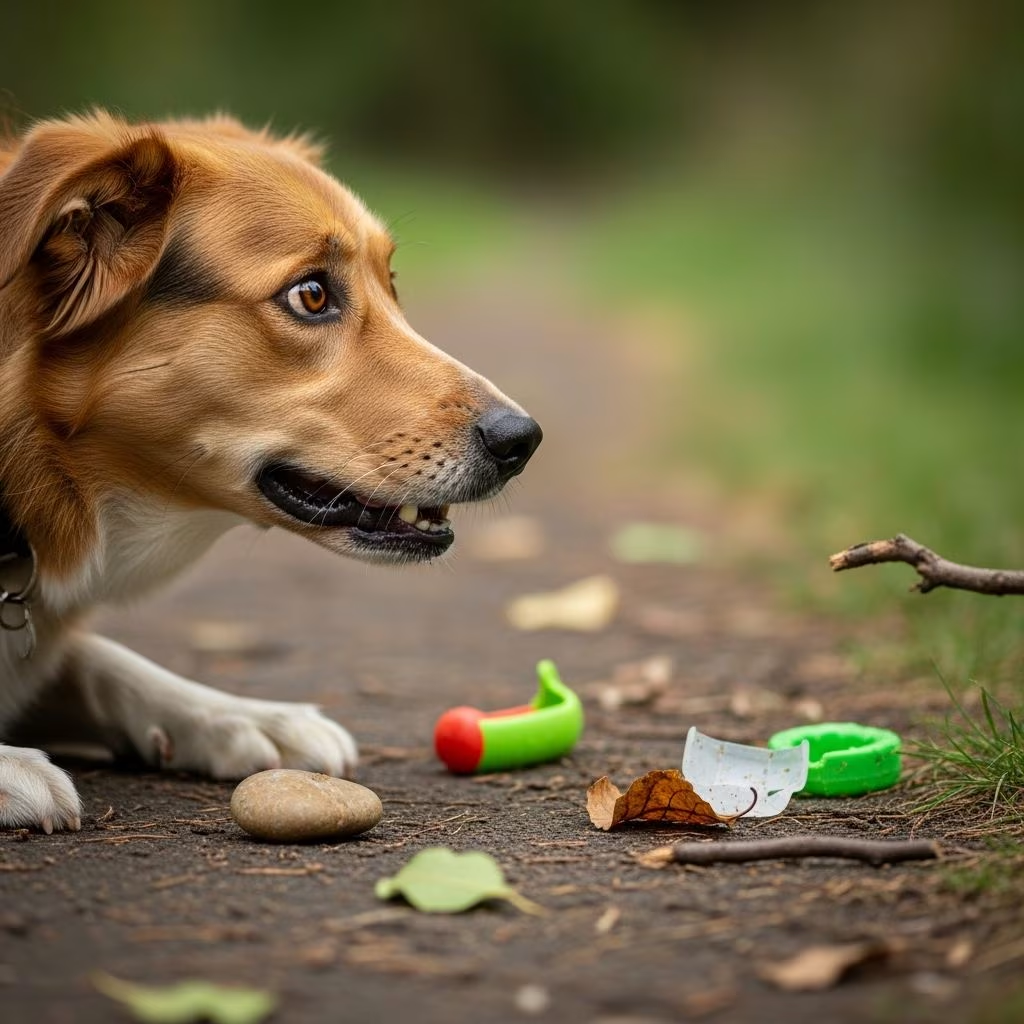
Understanding Pica in Dogs
Pica is a condition characterized by a dog’s compulsive behavior of chewing or consuming non-food items. Dogs with pica may eat a wide variety of inappropriate materials, including plastic, paper, wood, cloth, rocks, dirt, mulch, and in some cases, even feces. This condition can range from a minor behavioral quirk to a serious medical emergency, particularly when consumption of foreign objects leads to intestinal blockages or toxicity. Understanding the underlying causes of pica is essential for pet owners, as the condition requires different treatment approaches depending on whether it stems from medical or psychological origins.
What Causes Pica in Dogs?
The causes of pica in dogs can be difficult to pinpoint, and they often fall into two main categories: physiological (medical) and psychological (behavioral). Identifying the root cause is crucial for effective treatment and prevention.
Medical Causes of Pica
Numerous medical conditions can trigger pica behavior in dogs. These include:
- Gastrointestinal diseases: Conditions affecting the digestive system can lead to malabsorption of nutrients, prompting dogs to seek alternative sources.
- Anemia: Both immune-mediated hemolytic anemia (IMHA) and iron deficiency anemia can cause dogs to eat non-food items, particularly soil, clay, and dirt—a specific form of pica called geophagia.
- Liver and pancreatic diseases: These conditions can impair nutrient absorption and metabolism, contributing to pica development.
- Endocrine diseases: Diabetes mellitus and thyroid disease can trigger excessive appetite and unusual eating behaviors.
- Parasitic infections: Tapeworms, hookworms, and other intestinal parasites can cause nutritional deficiencies leading to pica.
- Cancer: Intestinal and stomach tumors can be associated with pica, particularly in older dogs.
- Inflammatory bowel disease: This condition affects nutrient absorption and is commonly seen in older dogs with pica.
- Neurologic diseases: Various neurological conditions can manifest as compulsive eating behaviors.
- Nutritional deficiencies: Zinc and iron deficiencies have been specifically linked to pica behavior. Dogs with poor diets or unbalanced nutrition may develop this condition.
- Pain: Chronic pain conditions, such as hip dysplasia, can lead dogs to develop pica as a coping mechanism.
Medication-Related Causes
Certain medications can increase a dog’s appetite or alter eating behavior, potentially triggering pica. These include corticosteroids like prednisone and anti-seizure medications such as phenobarbital. If your dog develops pica after starting a new medication, consult your veterinarian about potential side effects and alternative treatment options.
Behavioral and Psychological Causes
Behavioral pica, also called stress eating, is the most common cause of this condition. Common behavioral triggers include:
- Boredom: Dogs lacking adequate mental stimulation often turn to eating inappropriate items to occupy themselves.
- Anxiety: Generalized anxiety and separation anxiety are significant contributors to pica development.
- Stress: Environmental stressors and changes in the home can trigger compulsive eating behaviors.
- Lack of physical activity: Dogs not receiving sufficient exercise are more prone to developing pica.
- Attention-seeking: When dogs learn that eating non-food items results in attention from their owners, the behavior can intensify and become reinforced.
- Compulsive disorder: Some dogs develop extreme, repetitive eating behaviors that interfere with normal functioning.
- Depression: Mood changes can occasionally lead to unusual eating behaviors.
Breed Predisposition
Interestingly, certain breeds appear more susceptible to pica than others. Terriers, spaniels, and collies seem more likely to eat non-food items, though the exact reason for this predisposition remains unclear. Additionally, dogs with anxiety or insufficient activity and enrichment are at higher risk regardless of breed.
Diagnosis of Pica in Dogs
Proper diagnosis is essential for developing an effective treatment plan. Your veterinarian will conduct a thorough examination and may recommend various diagnostic tests.
Physical Examination
The diagnostic process begins with a comprehensive physical examination, during which your veterinarian will assess:
- Palpation of the stomach and lymph nodes to detect abnormalities
- Heart and lung function using a stethoscope
- Your dog’s general body condition, including weight, skin quality, and coat health
- Signs of pain or discomfort
Laboratory Tests
Blood work is typically the first step in investigating potential medical causes of pica. Standard blood tests help identify conditions such as anemia, liver disease, pancreatic dysfunction, and endocrine disorders. Depending on the initial findings, your veterinarian may recommend more specific testing, including:
- Folate and cobalamin levels: These tests assess nutrient absorption in the gastrointestinal tract.
- TLI (trypsin-like immunoreactivity) test: This specialized blood test evaluates pancreatic function.
- Thyroid function tests: To rule out thyroid disease as a contributing factor
- Fecal examination: To identify parasitic infections that may cause nutritional deficiencies
Imaging Studies
X-rays can be valuable when there is concern about intestinal obstruction from foreign bodies or to identify other potential causes of pica. In some cases, ultrasound or advanced imaging may be necessary to visualize internal structures and detect tumors or other abnormalities.
Behavioral Assessment
If medical causes are ruled out, your veterinarian may refer you to a behavioral specialist to assess anxiety, compulsive behaviors, or other psychological factors contributing to pica.
Treatment Options for Pica
The treatment approach for pica depends primarily on the underlying cause. Effective management may require medical intervention, behavioral modification, dietary changes, or a combination of these strategies.
Medical Treatment
If pica results from an underlying health condition, treating that specific condition is often the first step. In many cases, addressing the medical issue can resolve pica on its own. Treatment may include:
- Medication: Your veterinarian may prescribe medications to manage conditions such as diabetes, thyroid disease, or gastrointestinal disorders.
- Nutritional supplementation: If nutritional deficiencies are identified, your vet may recommend dietary changes, nutritional supplements, or adjustments to your dog’s feeding schedule.
- Dietary management: A balanced, high-quality diet formulated to address your dog’s specific nutritional needs can help resolve pica related to nutritional deficiencies.
- Parasite control: If parasitic infections are present, appropriate antiparasitic treatment should be initiated.
Behavioral Intervention
For behavioral pica, treatment typically involves addressing the underlying psychological factors through:
- Environmental modification: Removing or securing access to items your dog is tempted to eat reduces opportunities for pica behavior.
- Increased exercise and enrichment: Regular physical activity and mentally stimulating activities, such as puzzle toys, training sessions, and interactive play, help reduce boredom and anxiety.
- Behavioral training: Working with a professional dog trainer or veterinary behaviorist can help address learned behaviors and develop alternative coping strategies.
- Anxiety management: Techniques such as desensitization, counterconditioning, and controlled exposure to anxiety triggers can be beneficial.
Medication for Behavioral Issues
For dogs with anxiety or compulsive disorders, medications may be necessary to address the underlying pathology. Your veterinarian may prescribe anti-anxiety medications to help manage psychological factors contributing to pica. These medications are often most effective when combined with behavioral interventions and environmental modifications.
Natural Remedies
Some natural or herbal remedies may complement veterinary treatment for pica. For dogs with anxiety, an Adaptil pheromone diffuser or calming collar, combined with supplements like VetriScience Composure, may provide additional support. Additionally, probiotics promote gut health and can help dogs with intestinal conditions leading to pica. Certain supplements designed to make stool less palatable can help prevent coprophagia specifically.
Surgical Intervention
In severe cases where pica has led to intestinal blockage, emergency surgery may be necessary. Dogs with foreign bodies lodged in the gastrointestinal tract require hospitalization and surgical removal of the obstructing object. This is considered a medical emergency and can be life-threatening if not treated promptly. Pet insurance often covers these emergency surgeries, which can be very costly.
Prevention Strategies
While not all pica can be prevented, particularly when medical conditions are involved, several strategies can reduce the risk of developing this behavior:
- Provide a balanced diet: Ensure your dog receives complete and balanced nutrition appropriate for their age, size, and health status.
- Remove tempting items: Keep potentially dangerous non-food items out of reach, including plastic bags, toys with small pieces, and household chemicals.
- Offer appropriate chew toys: Provide durable, safe chew toys designed for your dog’s size and chewing strength to satisfy natural chewing urges.
- Ensure adequate exercise: Daily physical activity appropriate for your dog’s age and ability level helps prevent boredom and anxiety-related behaviors.
- Provide mental stimulation: Puzzle toys, training sessions, and interactive games keep your dog’s mind engaged and reduce destructive behaviors.
- Minimize stress: Create a stable, predictable home environment and address anxiety triggers when possible.
- Regular veterinary care: Preventive health care helps identify and treat medical conditions before they lead to pica.
When to Seek Veterinary Care
If you notice your dog eating items they shouldn’t, it’s important to schedule a veterinary appointment promptly. Seek immediate emergency care if your dog:
- Consumes a potentially toxic substance
- Shows signs of intestinal blockage, including vomiting, loss of appetite, abdominal pain, or constipation
- Develops lethargy, weakness, or other signs of illness
- Exhibits severe or rapidly worsening pica behavior
Frequently Asked Questions
Q: Is pica in dogs dangerous?
A: Yes, pica can be dangerous, particularly if your dog consumes objects that cause intestinal blockages or toxic substances. Some foreign bodies can perforate the intestinal wall or cause life-threatening complications. This is why prompt veterinary evaluation is essential.
Q: Can pica be cured?
A: Pica can often be resolved or significantly improved by addressing its underlying cause. If medical conditions are treated, nutritional deficiencies corrected, and behavioral factors addressed through training and environmental modification, many dogs experience improvement or complete resolution of pica behavior.
Q: How long does it take to treat pica?
A: Treatment duration varies depending on the cause and severity of pica. Medical conditions may show improvement within weeks to months of treatment, while behavioral pica may require several months of consistent intervention, training, and environmental management.
Q: What is geophagia?
A: Geophagia is a specific form of pica in which dogs consume soil, clay, and dirt. This behavior is often associated with anemia or nutritional deficiencies, as dogs attempt to compensate for missing minerals by eating earth-based materials.
Q: Can anxiety medication help with pica?
A: Yes, anxiety medications can be helpful for dogs with pica caused by anxiety or compulsive disorders. These medications work best when combined with behavioral interventions, training, and environmental modifications to address the underlying psychological factors.
Q: Should I punish my dog for eating non-food items?
A: No, punishment is not recommended and can actually worsen anxiety-related pica. Instead, focus on removing access to tempting items, providing appropriate outlets for chewing, and redirecting your dog to appropriate toys and activities.
References
- Pica in Dogs: Causes, Diagnosis, Treatment — Best Friends Animal Society. Accessed 2026-01-14. https://bestfriends.org/pet-care-resources/pica-dogs-causes-diagnosis-treatment
- Pica in Dogs: Causes, Treatment & Prevention — Pawlicy Advisor. Accessed 2026-01-14. https://www.pawlicy.com/blog/pica-in-dogs/
- Pica In Dogs: Causes, Risks, and Treatments — The Valley Animal Hospital. Accessed 2026-01-14. https://thevalleyanimalhospital.com/pica-in-dogs/
- Pica in Dogs – Symptoms, Causes, Diagnosis, Treatment, Recovery — Wag Walking. Accessed 2026-01-14. https://wagwalking.com/condition/pica
- Pica in Dogs: What to Know — American Kennel Club. Accessed 2026-01-14. https://www.akc.org/expert-advice/health/pica-in-dogs/
- What Is Pica in Dogs? Causes, Symptoms, and Treatment — GoodRx. Accessed 2026-01-14. https://www.goodrx.com/pet-health/dog/pica-in-dogs-causes
- Pica in Dogs — PetMD. Accessed 2026-01-14. https://www.petmd.com/dog/conditions/behavioral/pica-dogs



