

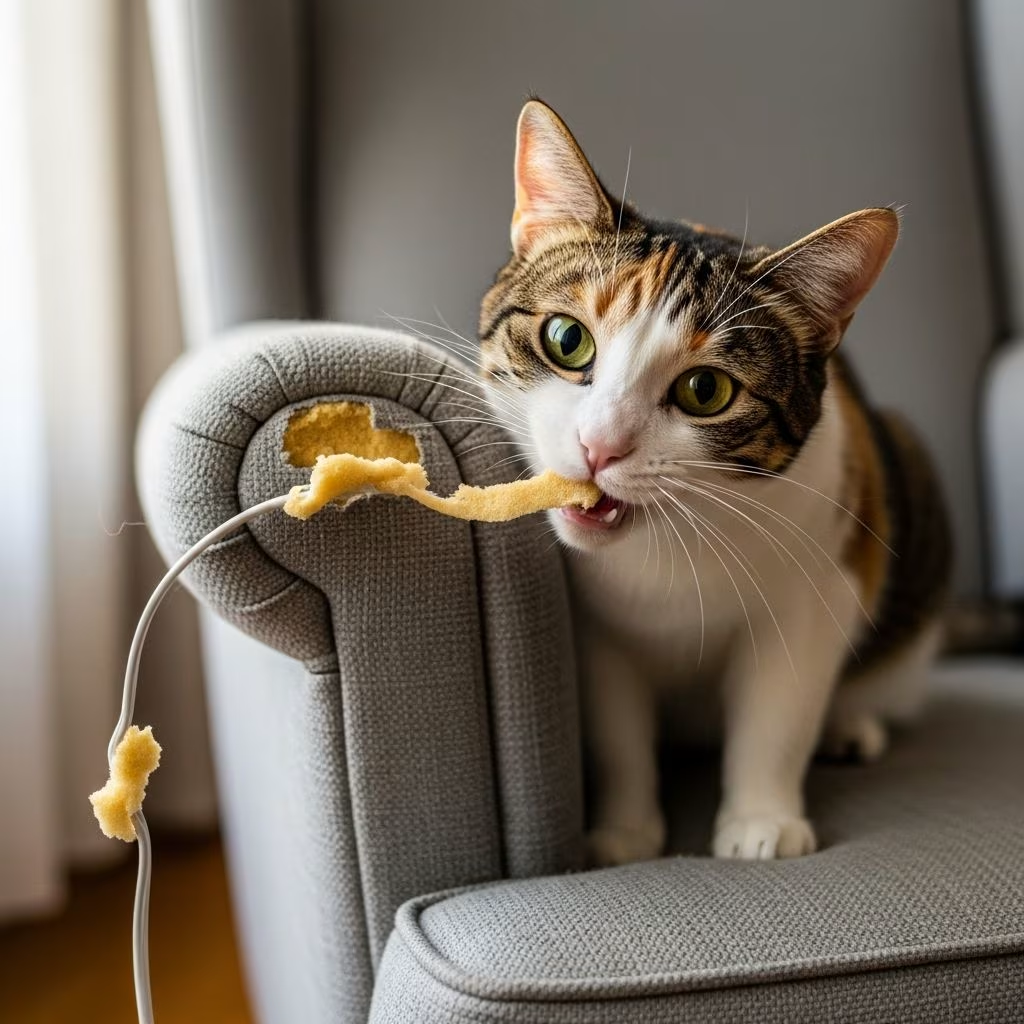
Pica in cats is a behavioral disorder characterized by the compulsive ingestion of non-nutritive substances such as fabric, plastic, string, paper, litter, or plants. This condition can stem from medical issues like nutritional deficiencies or infections, or behavioral factors including stress and boredom, posing significant health risks like gastrointestinal obstructions.
What is Pica in Cats?
Pica refers to the persistent chewing or eating of non-food items that provide no nutritional value. In felines, this might manifest as a kitten nibbling on bedding or an adult cat swallowing hair ties. Unlike exploratory play in young kittens, true pica involves actual ingestion and repetition, distinguishing it from normal curiosity.
Cats may target specific materials: woolen fabrics, rubber bands, electrical cords, or even litter. This behavior often begins in kittens as young as three months but can persist or emerge in adulthood. Certain breeds like Siamese, Burmese, and Oriental cats show genetic predispositions, with wool-sucking behaviors potentially escalating to consumption.
Symptoms of Pica in Cats
Recognizing pica early is crucial for intervention. Common signs include:
- Chewing or ingesting fabrics, strings, plastics, paper, or litter.
- Repeated attempts to eat inedible objects like plants, shoes, or furniture.
- Vomiting, especially containing foreign materials.
- Loss of appetite or weight changes.
- Abnormal feces with non-food particles.
- Lethargy, diarrhea, or abdominal pain indicating complications.
Subtle cases might only show occasional chewing, while severe pica leads to frequent ingestion. Monitor for gastrointestinal distress symptoms like repeated vomiting, straining in the litter box, or distended abdomen, which signal emergencies.
Causes of Pica in Cats
Pica arises from a combination of medical, nutritional, and behavioral triggers. Understanding the root cause guides effective treatment.
Medical Causes
Underlying health issues often drive pica. Nutritional deficiencies, such as lack of fiber or minerals, prompt cats to seek alternatives like soil or litter. Conditions including anemia, diabetes, feline leukemia, feline immunodeficiency virus, inflammatory bowel disease, or brain tumors can induce cravings for non-food items.
Severe worm burdens, dental pain, or gastrointestinal discomfort also contribute. Cats with these issues may exhibit additional unwell signs like lethargy or poor coat condition.
Behavioral Causes
Psychological factors are common, especially in indoor cats. Stress from environmental changes (new pets, moves), anxiety, boredom, or compulsive tendencies lead to coping via ingestion. Early weaning or small litters heighten risk in breeds like Birmans.
Obsessive-compulsive behaviors mimic human disorders, worsened by restricted lifestyles lacking stimulation.
Risk Factors for Pica
Not all cats develop pica, but certain factors increase susceptibility:
- Genetics: Breeds like Siamese, Burmese, Tonkinese, and Orientals are prone.
- Age: Starts in kittens (3+ months), may resolve or persist.
- Lifestyle: Indoor-only cats with boredom or stress.
- Diet: Low-fiber foods or infrequent feeding.
- History: Early weaning or trauma.
Young, indoor females in multi-cat homes face higher odds due to competition or isolation.
Dangers and Complications of Pica
Pica is not harmless; ingested items cause severe issues:
- Gastrointestinal Obstruction: Strings, floss, or fabrics create linear foreign bodies, bunching intestines—life-threatening.
- Perforation: Sharp items tear gut walls, leading to peritonitis.
- Poisoning: Toxic materials like lilies or cords cause systemic illness.
- Choking: Immediate airway blockage.
- Malnutrition: Full stomach from indigestibles reduces food intake.
Emergency signs: persistent vomiting, diarrhea, anorexia, lethargy, pain, or distention. Seek immediate vet care.
Diagnosis of Pica in Cats
Vets diagnose via:
- History: Owner reports on behavior onset, items targeted, environment changes.
- Physical Exam: Check for deficiencies, pain, foreign bodies.
- Lab Tests: Bloodwork (anemia, organ function), urinalysis, fecal (parasites).
- Imaging: X-rays, ultrasound for obstructions.
Differentiate from normal play; rule out medical causes first.
Treatment for Pica in Cats
Treatment targets the cause; no universal pica cure exists.
Medical Treatments
Address underlying issues: supplements for deficiencies, medications for diseases (e.g., anti-diabetics), deworming, or dental care. Severe blockages require endoscopy or surgery.
Behavioral and Environmental Management
Key strategies include:
- Remove temptations: secure fabrics, litter alternatives (non-ingestible).
- Enrich environment: interactive toys, scratching posts, perches.
- Increase play: daily sessions with wand toys mimicking prey.
- Diet changes: high-fiber food, more frequent small meals.
- Anti-anxiety meds if needed.
Training via positive reinforcement redirects chewing.
Prevention Tips for Pica in Cats
Proactive steps reduce incidence:
- Provide balanced, fiber-rich diet; feed 4-6 small meals daily.
- Offer safe chew toys (rubber, catnip).
- Minimize stress: pheromone diffusers, consistent routines.
- Supervised outdoor access or enclosures for stimulation.
- Early socialization, especially for kittens.
| Prevention Strategy | Benefits | Examples |
|---|---|---|
| Environmental Enrichment | Reduces boredom/stress | Fishing rod toys, puzzle feeders |
| Dietary Adjustments | Addresses deficiencies | High-fiber kibble, wet food |
| Item Management | Eliminates triggers | Store strings, use pellet litter |
| Regular Vet Checks | Catches issues early | Annual bloodwork |
When to See a Vet for Pica
Consult immediately if ingestion occurs or symptoms like vomiting appear. Routine vet visits for persistent chewing; emergencies for obstruction signs. Delaying risks surgery or death.
Frequently Asked Questions (FAQs)
Is pica in cats dangerous?
Yes, it risks life-threatening blockages, perforations, or poisoning from non-food items.
Can pica go away on its own?
Kittens may outgrow it, but adults often need intervention; untreated cases worsen.
What breeds get pica?
Siamese, Burmese, Orientals, Birmans are prone due to genetics.
How do you stop cat pica at home?
Remove items, enrich environment, adjust diet, increase play.
Is cat litter eating pica?
Yes, often signals anemia or deficiencies; switch to safe alternatives.
References
- Pica (compulsive eating of non-food items) in Cats — Vetster. 2023. https://vetster.com/en/symptoms/cat/pica-compulsive-eating-of-non-food-items
- Cat Pica: Causes, Symptoms, and Solutions — Apex Vets. 2024. https://apex.vet/blog/cat-pica/
- Pica in Cats — International Cat Care. 2023. https://icatcare.org/articles/pica-in-cats
- Pica in Cats: When Is It a Veterinary Emergency? — GSVS. 2024. https://gsvs.org/blog/pica-in-cats-urgent-care/
- Unusual Eating Habits in Dogs and Cats — UC Davis School of Veterinary Medicine. 2022. https://www.vetmed.ucdavis.edu/sites/g/files/dgvnsk491/files/inline-files/Unusual_eating_habits.pdf
- Strange Things Cats Eat: Pica Symptoms and Treatments — WebMD. 2023. https://www.webmd.com/pets/cats/features/unusual-cat-cravings



