

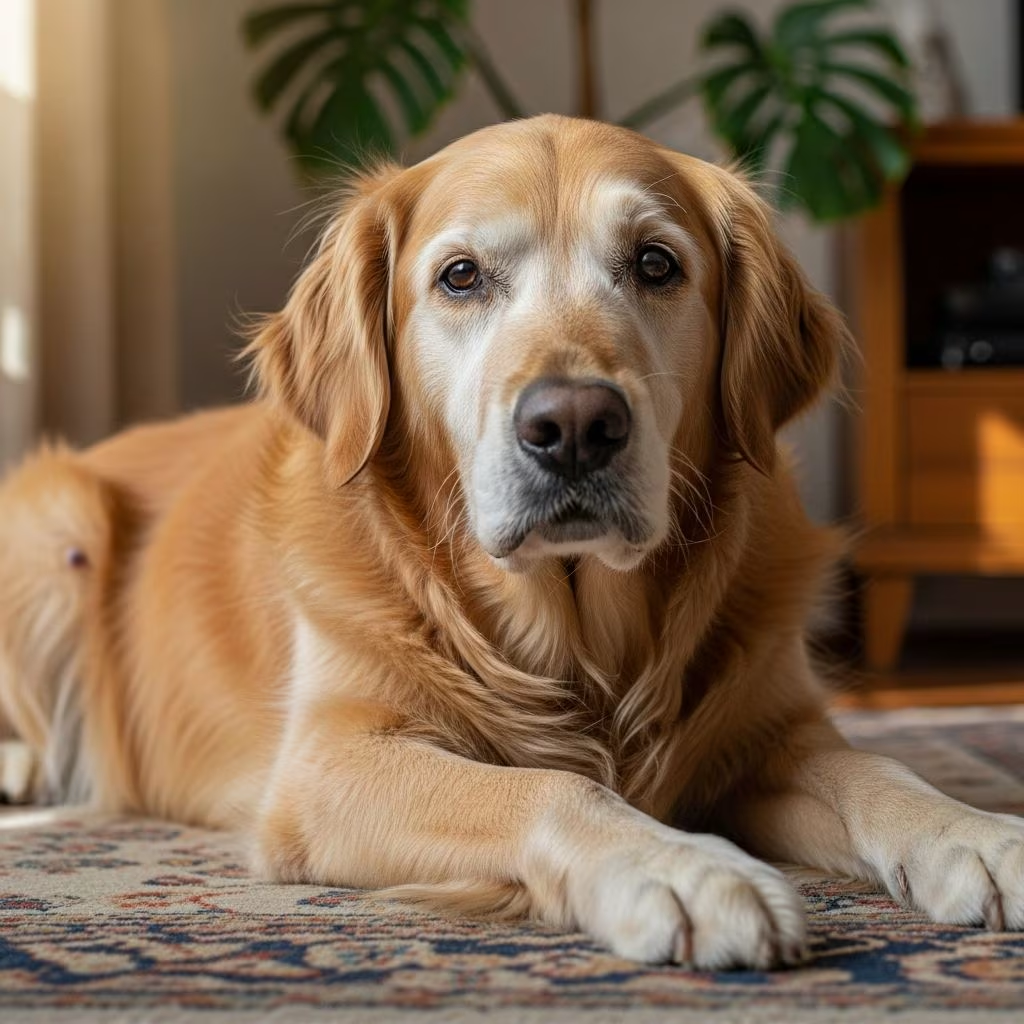
9 Physical Changes To Expect in Your Senior Dog
As your beloved canine companion enters their golden years, you may notice several physical changes that come with age. Understanding these transformations is essential for providing appropriate care and maintaining your senior dog’s quality of life. While aging is a natural process, recognizing these changes early allows you to make adjustments to your home, routine, and veterinary care to ensure your older dog remains comfortable and happy.
1. Graying or Thinning Fur
One of the most visible signs of aging in senior dogs is the development of gray hair, typically appearing on the face, muzzle, and around the eyes. This graying process is similar to what happens in humans and is a normal part of the aging process. Beyond color changes, many senior dogs experience thinning fur, which can make them more susceptible to temperature fluctuations.
During this stage, your senior dog may benefit from regular grooming sessions that help distribute natural oils throughout their coat. Consider investing in a quality dog sweater or coat for outdoor activities during cold weather, as their thinning coat provides less insulation than it did when they were younger. Additionally, a well-balanced diet rich in omega-3 fatty acids can support skin and coat health.
2. Hearing Loss
Age-related hearing loss is one of the most common physical changes in senior dogs. As dogs enter their later years, the structures within the ear that facilitate sound transmission can deteriorate, leading to partial or complete hearing loss. Some senior dogs may experience this gradual decline, while others may lose their hearing more suddenly.
To support a dog with hearing loss, establish clear hand signals for common commands like sit, stay, and come. Use vibrations to get your dog’s attention, such as tapping gently on the floor or their bed. Keep your senior dog on a leash during outdoor activities to ensure their safety, as they cannot hear approaching dangers like vehicles or other animals. Many dogs adapt remarkably well to hearing loss, especially when their owners provide consistent visual cues and maintain a predictable routine.
3. Vision Decline and Cloudiness
Senior dogs often experience a decline in vision, which can manifest as cloudiness in the eyes or difficulty seeing in low-light conditions. A common condition called nuclear sclerosis causes the lens to become cloudy, giving the eye a milky appearance. While this condition alone may not significantly impact your dog’s vision, it’s important to distinguish it from cataracts, which are more serious.
To accommodate a senior dog with vision changes, maintain a consistent arrangement of furniture and food bowls in your home. Avoid rearranging your living space suddenly, as this can confuse and disorient your aging companion. Use night lights in hallways and near stairs to help your dog navigate safely. Schedule regular veterinary eye exams to monitor for conditions like cataracts or glaucoma that may require medical intervention. Keep your dog’s environment clutter-free and remove any hazards that could cause stumbling or injury.
4. Reduced Mobility and Stiffness
One of the most noticeable physical changes in senior dogs is reduced mobility and increased stiffness, particularly after periods of rest. Many older dogs develop arthritis or other joint conditions that make movement uncomfortable. You may notice your senior dog taking longer to stand up, moving more slowly, or showing reluctance to climb stairs or jump onto furniture.
Regular, gentle exercise is crucial for maintaining muscle mass and joint flexibility in senior dogs. Low-impact activities like short walks on soft surfaces (grass or sand) are ideal for aging dogs. Consider incorporating strength and balance exercises into your senior dog’s routine. Research shows that appropriate strengthening and balance exercise interventions can improve aerobic capacity in older dogs. Orthopedic dog beds with memory foam can provide extra support and comfort for achy joints. Joint supplements containing glucosamine and chondroitin, along with omega-3 fatty acids, may help support joint health. Always consult with your veterinarian before starting any new exercise program or supplement regimen.
5. Cognitive Dysfunction and Confusion
Senior dogs may experience cognitive dysfunction syndrome (canine dementia), which can cause confusion, disorientation, and changes in behavior. Signs include getting lost in familiar places, forgetting house training, altered sleep-wake cycles, and decreased recognition of family members. While cognitive dysfunction is concerning, research indicates that increased physical activity can help maintain cognitive function.
To support a senior dog with cognitive changes, maintain a consistent daily routine, provide mental stimulation through brain games and training exercises, and keep your home environment familiar and safe. Regular veterinary check-ups are important to rule out other medical conditions that might contribute to confusion. Your veterinarian may recommend supplements or medications to support cognitive health in senior dogs.
6. Weight Changes
Senior dogs often experience changes in body weight and metabolism. Some older dogs tend to gain weight due to decreased activity levels and metabolic changes, while others may lose weight due to dental problems, decreased appetite, or underlying health conditions. Both weight gain and loss can present health challenges for aging dogs.
Monitor your senior dog’s weight regularly and adjust their caloric intake accordingly. A well-balanced diet formulated for senior dogs can help maintain appropriate weight while meeting their nutritional needs. If your dog becomes more sedentary, reduce portion sizes to prevent obesity-related health issues. Conversely, if your dog is losing weight, consult with your veterinarian to rule out underlying health problems and adjust their diet as needed.
7. Dental Problems and Tooth Loss
Dental health often deteriorates in senior dogs due to years of plaque and tartar buildup. Many older dogs experience tooth loss, gum disease, and bad breath. Dental problems can affect your dog’s ability to eat comfortably and may lead to nutritional deficiencies if not addressed.
Establish a regular dental care routine with your senior dog, including brushing their teeth when possible and providing dental chews designed to reduce tartar buildup. Schedule regular professional dental cleanings with your veterinarian to address existing dental issues. If your senior dog has lost teeth or experiences difficulty eating hard kibble, consider softening their food with warm water or switching to wet food options that are easier to chew and digest.
8. Incontinence and House Training Regression
Some senior dogs develop urinary or fecal incontinence as they age due to weakening muscles, hormonal changes, or medical conditions. You may notice occasional accidents in the house despite your dog previously having reliable house training. This is a medical issue rather than a behavioral problem and requires patience and veterinary guidance.
Increase the frequency of outdoor bathroom breaks for your senior dog, and maintain a consistent schedule. Use enzymatic cleaners to thoroughly clean any accident sites, as residual scents can encourage repeated accidents in the same spots. Consult with your veterinarian to rule out urinary tract infections or other medical conditions. Waterproof pads placed on your dog’s favorite resting spots can help manage accidents while you work with your veterinarian on a solution.
9. Changes in Appetite and Digestion
Senior dogs may experience changes in appetite and digestive efficiency. Some older dogs show decreased interest in food, while others become more food-motivated. Dental problems, medications, and underlying health conditions can all affect appetite. Additionally, senior dogs may have more sensitive digestion and require dietary adjustments.
Feed your senior dog smaller, more frequent meals throughout the day to aid digestion and maintain stable energy levels. Choose high-quality, easily digestible senior dog food formulas designed to meet the nutritional needs of aging dogs. Ensure your dog has constant access to fresh water, as senior dogs may drink more than younger dogs. If your dog shows significant changes in appetite or signs of digestive upset, schedule a veterinary examination to rule out underlying health issues.
Supporting Your Senior Dog Through Physical Changes
Regular veterinary care is fundamental to managing your senior dog’s health as they age. Schedule check-ups at least twice yearly, or more frequently if your dog has existing health conditions. Your veterinarian can identify age-related diseases early and recommend appropriate interventions. Maintaining a consistent routine, providing regular gentle exercise, ensuring proper nutrition, and making environmental modifications all contribute to your senior dog’s comfort and quality of life during their golden years.
Exercise Recommendations for Senior Dogs
It’s generally recommended that senior dogs get at least 30 to 60 minutes of exercise daily, though the appropriate amount depends on individual mobility, breed, and medical history. The key is consistency and gentleness—regular, moderate activity is far better than sporadic intense exercise. Short walks on soft surfaces, swimming (if your dog enjoys it), and gentle games maintain fitness without excessive impact on aging joints.
When introducing new exercises, start slowly and monitor your dog’s response. If your dog appears sore, overly tired, pants excessively, shows reluctance to participate, or experiences muscle trembling, reduce the duration and intensity of exercise. Building endurance takes time, so patience and gradual progression are essential.
Creating a Senior-Friendly Home Environment
Making modifications to your home can significantly improve your senior dog’s comfort and safety:
- Install ramps or steps to help your dog access favorite spots without jumping
- Use orthopedic or memory foam beds that provide joint support
- Place food and water bowls on raised feeders to reduce strain on the neck and joints
- Use non-slip rugs on slippery floors to prevent falls and provide traction
- Install baby gates to restrict access to stairs if climbing becomes difficult
- Keep your dog’s living space well-lit and maintain a consistent layout
- Provide easily accessible outdoor bathroom areas
Frequently Asked Questions (FAQs)
Q: At what age is a dog considered a senior?
A: Dogs are generally considered seniors around age seven to ten, though this varies by breed. Larger breeds tend to age faster than smaller breeds. Your veterinarian can help determine your individual dog’s senior status.
Q: Can senior dogs still exercise?
A: Yes, senior dogs benefit greatly from regular, gentle exercise. Movement helps maintain muscle mass, supports joint health, and promotes mental stimulation. Always consult with your veterinarian to develop an appropriate exercise plan for your senior dog’s specific needs and health status.
Q: How can I help my senior dog with arthritis?
A: Low-impact exercise, orthopedic bedding, joint supplements, weight management, and regular veterinary care all support dogs with arthritis. Your veterinarian may recommend medications or other treatments to manage pain and maintain mobility.
Q: Should I change my senior dog’s diet?
A: Yes, senior dogs often benefit from diets specifically formulated for their age group. Senior dog foods typically have adjusted nutrient profiles, are easier to digest, and may include joint-supporting ingredients. Discuss dietary changes with your veterinarian.
Q: How often should I take my senior dog to the veterinarian?
A: Senior dogs should have veterinary check-ups at least twice yearly, or more frequently if they have existing health conditions. Regular veterinary care helps identify and manage age-related health issues early.
References
- Exercising Your Senior Dog — PetMD. 2024. https://www.petmd.com/dog/general-health/how-to-exercise-your-senior-dog
- Three Easy At-Home Exercises for Senior Dogs — American Kennel Club (AKC). 2024. https://www.akc.org/expert-advice/health/easy-do-at-home-exercises-for-senior-dogs/
- FUNdamentals for Seniors K9 Conditioning Course — Dogs 4 Motion Academy. 2024. https://dogs4motionacademy.com/fundamentals-for-seniors/
- 4 Senior Dog Exercises to Try — Zoetis Petcare. 2024. https://www.zoetispetcare.com/blog/article/4-senior-dog-exercises
- Exercising your senior dog — People’s Dispensary for Sick Animals (PDSA). 2024. https://www.pdsa.org.uk/pet-help-and-advice/looking-after-your-pet/puppies-dogs/exercising-your-senior-dog
- Senior Dog Training: Adapting Training Techniques for Older Canines — Leader of the Pack Dog Training. 2024. https://leaderofthepackdogtraining.org/senior-dog-training-adapting-training-techniques-for-older-canines/
- Official CCC Senior Dog Program — Canine Conditioning Coach. 2024. https://canineconditioningcoach.com/program/senior-dog/



