

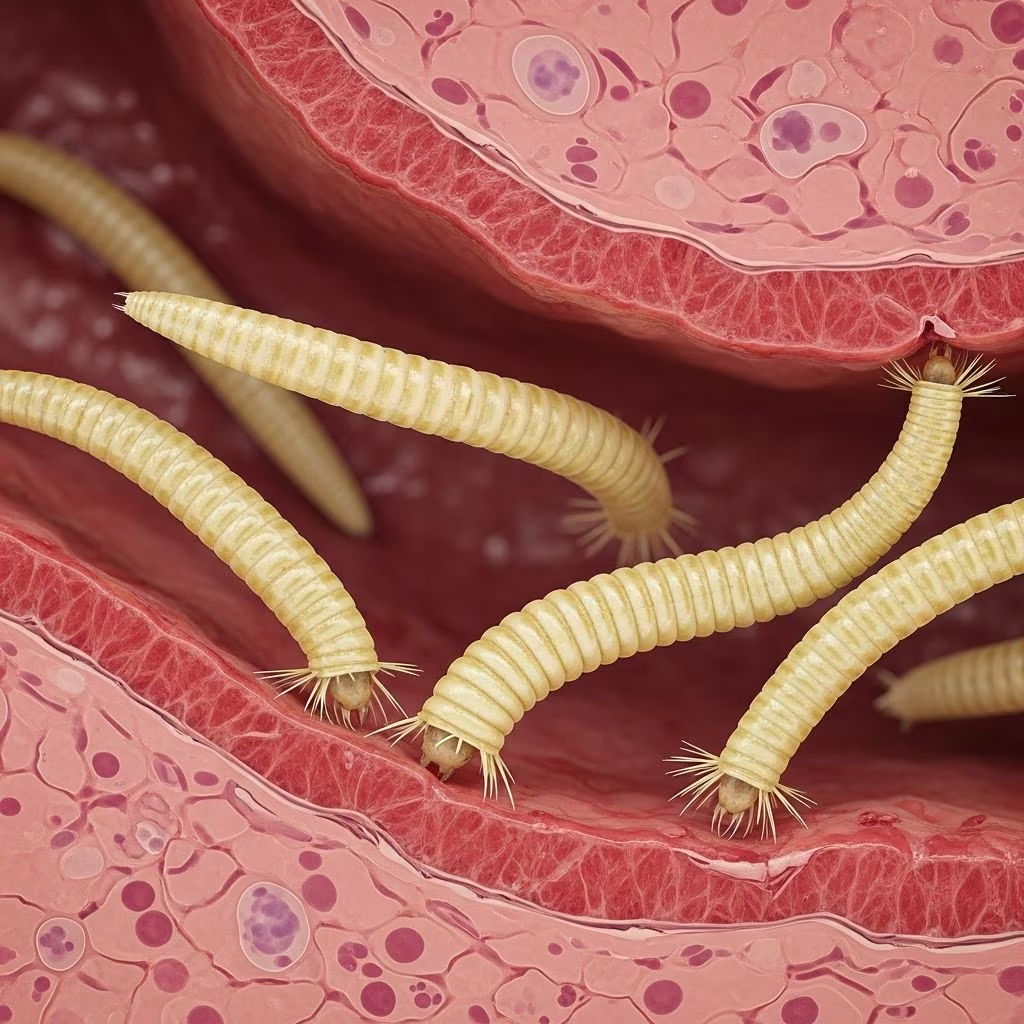
Physaloptera species represent a lesser-known but significant gastrointestinal parasite affecting dogs and cats worldwide. These nematodes reside primarily in the stomach, where they attach to the mucosal lining, often leading to chronic health issues even in low numbers. Pet owners and veterinarians must recognize this infection to ensure timely intervention and prevent complications like gastritis or ulceration.
Understanding the Biology of Physaloptera Worms
Adult Physaloptera worms measure between 1 to 6 cm in length, appearing stout with a pink to tan coloration. Males feature distinct caudal alae and a cervical collar, aiding identification. These parasites firmly embed into the gastric or proximal duodenal mucosa, feeding on blood and tissue, which can cause local inflammation and erosion.
The life cycle requires intermediate hosts such as insects (e.g., beetles, cockroaches) or paratenic hosts like rodents, amphibians, and reptiles. Pets ingest infective larvae when hunting or consuming these carriers. Once in the host’s stomach, larvae mature to adults over 8-10 weeks, initiating egg production. Wild carnivores like foxes maintain environmental reservoirs, indirectly sustaining transmission to domestic animals.
- Key life cycle stages: Egg shedding (rare and heavy), larval development in hosts, adult attachment in stomach.
- Prepatent period: 8-10 weeks, delaying detection.
- Host range: Primarily dogs and cats, but versatile across vertebrates.
Recognizing Clinical Signs in Infected Pets
Infections often involve few worms (1-3 adults), yet they provoke notable symptoms. The hallmark is intermittent chronic vomiting, persisting long-term due to gastritis. Worms may appear in vomitus, providing a direct clue.
Severe cases show thickened, edematous gastric mucosa, dehydration, malnutrition, and weight loss. Associated ulcers from attachment can bleed, exacerbating issues. Some pets remain subclinical, masking the problem until advanced. In young animals, like puppies, single worms have caused ulcers requiring surgery.
| Symptom | Frequency | Potential Complications |
|---|---|---|
| Chronic vomiting | Most common | Gastritis, dehydration |
| Visible worms in vomit | Occasional | Immediate diagnosis aid |
| Weight loss/malnutrition | Severe cases | Thickened mucosa, anemia |
| Anorexia | Variable | Poor coat, growth delay |
Hunting breeds or outdoor pets face higher risk, especially in Midwest U.S. regions. Co-infections with heartworms or other nematodes amplify severity.
Diagnostic Approaches and Challenges
Standard fecal flotation fails due to scarce, dense eggs that sink in solutions. Sedimentation or direct smears offer better yield, but negatives are common.
Definitive diagnosis relies on visualizing adults: in vomit, endoscopy, or surgery. Endoscopy reveals attached worms (3-6 cm, identifiable features), allowing extraction. Radiographs or bloodwork support vague vomiting workups but lack specificity.
- Preferred methods: Endoscopy for live worm ID and removal.
- Supportive tests: Fecal sedimentation, direct smear.
- Avoid relying on: Routine fecal floats alone.
In one case, a puppy’s gastric ulcer harbored a wriggling worm, confirmed visually during surgery.
Treatment Strategies for Physaloptera Infections
No FDA-approved drugs target Physaloptera specifically. Broad-spectrum dewormers show promise: high-dose fenbendazole (50 mg/kg daily for 10-14 days) combined with pyrantel pamoate. Monthly heartworm preventives with intestinal parasite efficacy (e.g., macrocyclic lactones) aid control.
Physical removal via endoscopy or surgery is most reliable for visible worms, followed by gastroprotectants like sucralfate, famotidine, or omeprazole for ulcers. Severe gastritis may warrant corticosteroids.
Post-treatment, monitor for reinfection; one puppy recovered fully after surgery and meds, gaining weight without vomiting.
Prevention and Environmental Control
Prevent ingestion of intermediates: control insects in homes/kennels, discourage hunting rodents/birds. Monthly parasite preventives limit infections, even unapproved.
For kittens/puppies, start macrocyclic lactones at 8 weeks in endemic areas. Regular vet checkups, fecal exams (despite limitations), and outdoor hygiene reduce risk.
- Pet owner tips: Insect screens, supervised play, routine deworming.
- Vet protocols: Year-round preventives, endoscopy for recurrent vomiting.
Frequently Asked Questions (FAQs)
What causes Physaloptera in dogs and cats?
Ingestion of infected insects or small vertebrates harboring larvae.
Can Physaloptera be fatal?
Rarely alone, but heavy burdens or co-infections cause severe disease or death.
How do you test for stomach worms?
Endoscopy or vomit inspection is best; fecal tests often miss eggs.
Is surgery always needed?
No, but effective for confirmed cases; pair with dewormers.
Are preventives enough?
Likely reduce infections; combine with habitat control.
Advanced Insights for Veterinarians
Physaloptera challenges routine diagnostics; integrate into differential for chronic vomiting. Recent cases highlight surgical/endoscopic roles. Peer-reviewed data confirm low egg output and blood-feeding behavior. CAPC guidelines stress non-flotation methods and preventives.
In multi-parasite burdens, prioritize based on symptoms; heartworm co-prevalence in cats demands early prevention.
References
- Physaloptera Nematode Causing Gastric Ulcers in a Dog — VETgirl on the Run. 2023. https://vetgirlontherun.com/physaloptera-nematode-causing-gastric-ulcers-in-a-dog-vetgirl-veterinary-continuing-education-blog/
- Severe Concomitant Physaloptera sp., Dirofilaria immitis, Toxocara… — PMC (NCBI). 2021-02-24. https://pmc.ncbi.nlm.nih.gov/articles/PMC7912063/
- Physaloptera spp. — Companion Animal Parasite Council (CAPC). 2024. https://capcvet.org/guidelines/physaloptera-spp/
- Physalopterosis in Dogs — WagWalking. 2023. https://wagwalking.com/condition/physalopterosis



