

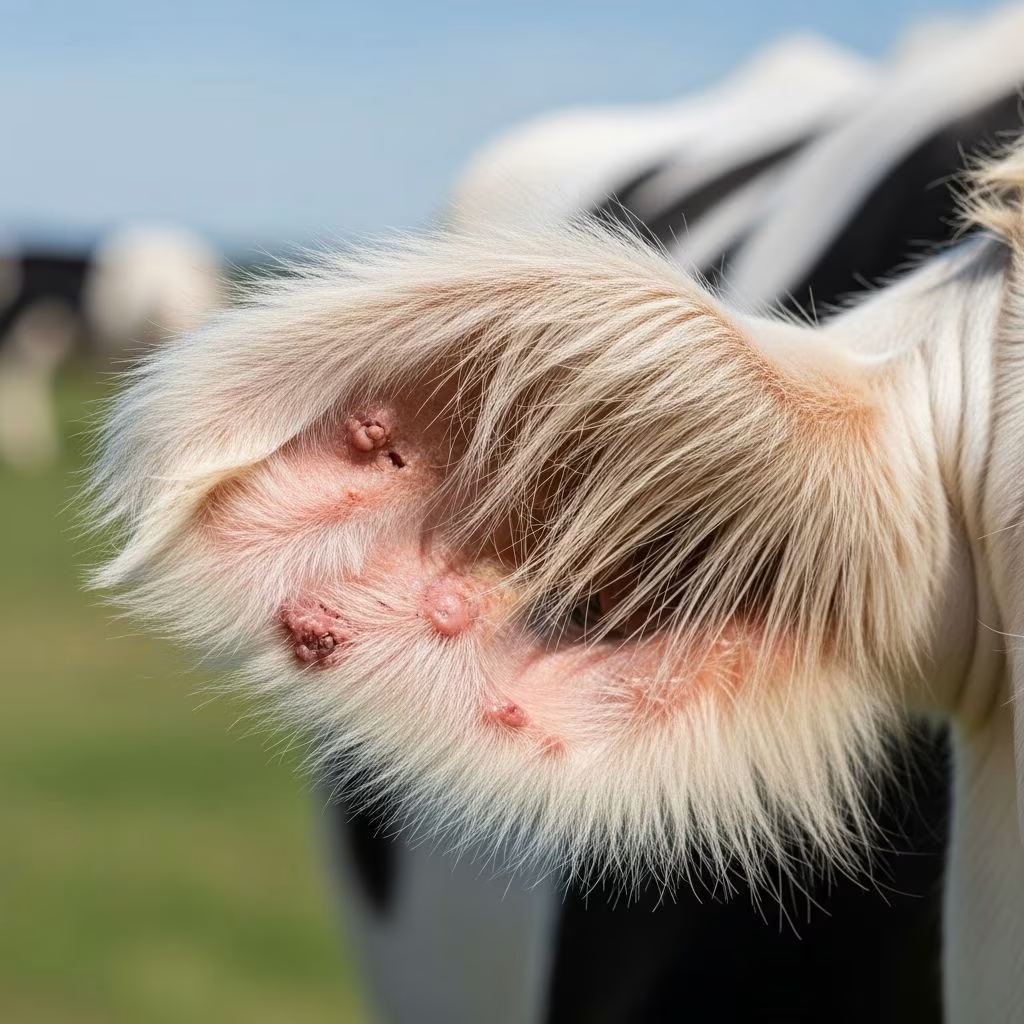
Photosensitization represents a significant dermatological challenge in veterinary practice, where certain substances in an animal’s system react with ultraviolet light to inflict damage on exposed skin. This condition predominantly impacts areas lacking pigment or dense hair cover, such as the face, ears, and underbelly, turning what should be protective sunlight exposure into a source of acute distress and tissue destruction.
The Science Behind Sunlight Sensitivity
At its core, photosensitization arises from the interaction between photoactive compounds—known as photodynamic agents—and UV radiation. These agents absorb light energy, becoming excited and generating reactive oxygen species that attack cell membranes, proteins, and DNA in the skin. Unlike simple sunburn, which stems from direct UV overexposure, photosensitization requires the presence of these specific agents to trigger pathological changes.
This reaction is particularly severe in white or lightly pigmented skin because melanin, the natural pigment, absorbs UV light and neutralizes free radicals. Animals with dark skin or thick coats are generally spared, highlighting why conditions like this are more prevalent in breeds with white faces or light wool.
Classification of Photosensitization Types
Veterinarians categorize photosensitization into distinct types based on the origin and pathway of the photodynamic agent. This classification aids in pinpointing causes and tailoring interventions.
Direct Exposure: Type I Primary Photosensitization
Type I occurs when an animal ingests, injects, or topically absorbs a photodynamic substance that circulates unchanged in the bloodstream. Upon UV exposure, it directly damages skin cells. Common culprits include plants like St. John’s wort (Hypericum perforatum), which contains hypericin, and buckwheat (Fagopyrum esculentum) with fagopyrin. These toxins remain active systemically, leading to rapid onset of symptoms after grazing or consumption.
- Key plants: St. John’s wort, buckwheat, certain clovers.
- Onset: Hours to days post-ingestion.
- Affected species: Primarily herbivores like horses and cattle.
Metabolic Faults: Type II Aberrant Pigment Issues
Type II involves flaws in the animal’s own pigment synthesis, where endogenous compounds like porphyrins build up and act as photosensitizers. This rare form links to genetic disorders or enzyme deficiencies, causing chronic sensitivity without external toxin involvement. It manifests similarly to other types but requires biochemical testing for confirmation.
Liver-Related: Type III Hepatogenous Photosensitization
The most frequent form in livestock, Type III stems from liver dysfunction that impairs excretion of phylloerythrin—a chlorophyll breakdown product from ingested plants. Normally, the liver processes and eliminates this via bile, but damage from hepatotoxins (e.g., certain molds, plants like Lantana) causes accumulation in the bloodstream. Unpigmented skin then suffers intense reactions.
| Type | Cause | Common Triggers | Prevalence |
|---|---|---|---|
| I (Primary) | Direct agent absorption | St. John’s wort, buckwheat | Moderate in grazing animals |
| II (Aberrant) | Pigment metabolism error | Genetic/enzymatic defects | Rare |
| III (Hepatogenous) | Liver failure to excrete phylloerythrin | Hepatotoxic plants, fungi | Most common in production animals |
| IV (Idiopathic) | Unknown mechanism | No clear trigger identified | Very rare |
Mysterious Cases: Type IV Idiopathic
Type IV defies easy explanation, with no identifiable photodynamic agent or liver issue. It may involve subtle immune responses or undiscovered circulating factors, occurring sporadically across species.
Recognizing the Signs: Clinical Manifestations
Regardless of type, symptoms emerge swiftly in sun-exposed areas. Animals display photophobia, avoiding light and showing agitation. Initial signs include redness, swelling, and heat in pink skin zones like eyelids, nose, and teats. Progression leads to blisters, oozing, crusting, and eventual necrosis or sloughing.
- Early: Erythema, edema, discomfort.
- Moderate: Blistering, serous exudate.
- Severe: Necrosis, ulceration, secondary infections.
In horses, muzzle and legs suffer; in sheep, wool-less faces; cattle show udder and perineum damage. Systemic signs like depression or anorexia appear if liver involvement or pain is extensive.
Diagnostic Approaches
Diagnosis blends history, clinical exam, and lab work. Signalment (species, breed, color) and exposure history (pastures, feeds) provide clues. Key is distinguishing from sunburn, allergies, or infections via:
- Visual inspection: Zone-specific lesions on non-pigmented skin.
- Lab tests: Elevated liver enzymes (AST, GGT), bilirubin; phylloerythrin in plasma/urine/feces.
- Biopsy: Confirms phototoxic damage—epidermal necrosis without inflammation.
- Tox screens: Plant/fungal identification in forage.
Phototesting—exposing clipped skin to UV—can confirm but is rarely needed.
Treatment Strategies
Immediate goals: Block UV, relieve pain, support organs, eliminate triggers.
- Shade and protection: Confine indoors or under cover; use UV-block sheets on legs/ears.
- Anti-inflammatories: NSAIDs (flunixin) for pain/swelling; corticosteroids cautiously if no infection.
- Wound care: Cleanse, apply emollients; antibiotics for secondary bacteria.
- Supportive: IV fluids, liver protectants (SAMe, silymarin); remove suspect feed.
Prognosis hinges on severity—mild cases resolve in weeks; severe sloughing may scar or kill.
Prevention: Proactive Pasture and Herd Management
Avoidance is paramount. Scout pastures for toxic plants pre-grazing; rotate fields. Fence off suspect areas during high UV seasons (spring/summer). Diversify forage to dilute risks. For at-risk breeds (white-faced cattle), provide shade structures. Vaccinate against liver flukes if regional. Regular liver function monitoring in herds aids early detection.
Species-Specific Considerations
Cattle and Sheep
Production animals face hepatogenous risks from flooded pastures growing molds or toxic weeds. Economic hits include hide damage, weight loss.
Horses
Often primary type from pasture plants; pink-skinned breeds like Appaloosas vulnerable.
Dogs and Other Pets
Rarer, tied to liver disease or meds; keep indoors during outbreaks.
Frequently Asked Questions (FAQs)
What distinguishes photosensitization from sunburn?
Sunburn is direct UV damage; photosensitization needs a photodynamic agent, affecting only certain skin zones.
Can all animals get it?
Primarily light-skinned herbivores; pigmented/thick-coated ones are protected.
How long until symptoms show?
Varies: hours for primary, up to 10 days for hepatogenous.
Is it contagious?
No, it’s not infectious—environmental/toxic basis.
Any long-term effects?
Scarring, squamous cell carcinoma risk in chronic cases.
Emerging Research and Future Directions
Ongoing studies explore genetic predispositions and novel antioxidants to neutralize reactive species. Precision farming with plant toxin sensors promises better prevention.
References
- Overview of Photosensitization in Animals — Merck Veterinary Manual. 2023. https://www.merckvetmanual.com/integumentary-system/photosensitization/overview-of-photosensitization-in-animals
- Photosensitization: Causes and Testing Options — Texas A&M Veterinary Medical Diagnostic Laboratory. 2022. https://tvmdl.tamu.edu/education-library/photosensitization-causes-and-testing-options/
- Photosensitization — University of Minnesota Vet Physio Applied. N/A. https://open.lib.umn.edu/vetphysioapplied/chapter/photosensitization/
- Photosensitisation — Animal Health Surveillance, Agriculture.gov.ie. 2023. https://www.animalhealthsurveillance.agriculture.gov.ie/currentnews/photosensitisation.html
- Photosensitization in Dogs — MSD Veterinary Manual. 2023. https://www.msdvetmanual.com/dog-owners/skin-disorders-of-dogs/photosensitization-in-dogs



