
Photosensitivity In Cats: 3 Types, Symptoms, And Treatment
Understand the causes, symptoms, and effective treatments for sunlight sensitivity in cats to protect your feline friend's skin health.
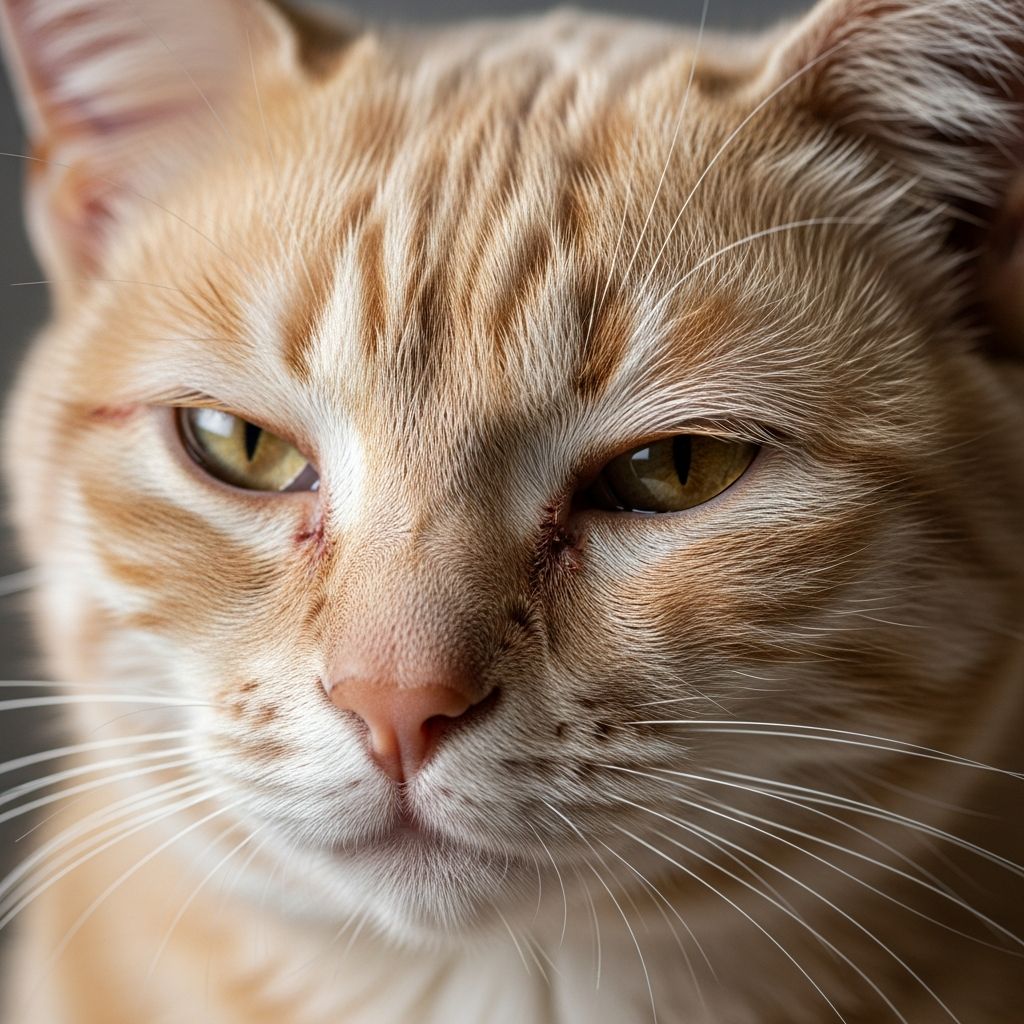
Photosensitivity, or photosensitization, occurs when certain substances in a cat’s skin interact with sunlight, triggering damaging chemical reactions that lead to severe discomfort and skin damage. Unlike ordinary sunburn, this condition involves photodynamic agents that amplify light’s harmful effects, primarily affecting lightly pigmented or exposed areas like ears, nose, and eyelids.
Understanding the Science Behind Feline Photosensitivity
Sunlight contains ultraviolet rays that energize specific molecules, known as photodynamic agents, within the skin. As these molecules return to their ground state, they release energy that sparks reactive oxygen species, causing cell damage, inflammation, and tissue death. In cats, this reaction is particularly pronounced in areas lacking protective pigmentation or dense fur.
Cats with sparse hair or white fur on their faces are especially vulnerable because melanin in darker skin absorbs UV light, offering natural shielding. Even black-coated cats can develop lesions under intense sunlight if photodynamic agents are present in high concentrations.
Main Types of Photosensitivity Affecting Cats
Photosensitivity is categorized into three types based on the origin of the photodynamic pigments, each with distinct triggers and implications for feline health.
Primary Photosensitivity (Type I)
This form arises directly from ingestion, injection, or skin absorption of photosensitizing agents, often from plants containing furocoumarins or other toxins. Common culprits include certain wild plants that cats might nibble while outdoors. Symptoms mimic an extreme sunburn, starting with irritation on light skin areas.
- Triggers: Plant toxins, fungal metabolites, bacterial products, or drugs like clofazimine used in leprosy treatment.
- Affected areas: Ears, eyelids, nose, and sparsely haired regions.
- Onset: Rapid, within hours to days of exposure.
Type II: Abnormal Pigment Production
Rare in cats, this involves genetic or metabolic defects leading to porphyrin buildup, making skin hypersensitive. It occurs when the body produces faulty pigments that accumulate and react with light.
Secondary Photosensitivity (Type III)
The most common in cats, this stems from liver dysfunction impairing the breakdown of chlorophyll-derived phylloerythrin from ingested plants. The unmetabolized pigment circulates and deposits in the skin, causing reactions upon sun exposure. Liver damage from poisons, infections, or chronic disease heightens risk.
| Type | Cause | Common in Cats? | Key Diagnostic Clue |
|---|---|---|---|
| Primary (I) | Direct toxin exposure | Moderate | Recent plant/chemical access |
| Type II | Pigment metabolism error | Rare | Porphyrin tests positive |
| Secondary (III) | Liver failure | Common | Elevated liver enzymes |
Recognizing Symptoms in Your Cat
Early detection is crucial as signs progress quickly with continued sun exposure. Cats display behavioral changes like restlessness, squirming, or frantic rubbing of affected areas when outdoors.
- Initial phase: Redness and mild swelling on pink skin (e.g., ear tips, nose).
- Progressive damage: Fluid leakage, blisters, crusting, ulcers, and necrosis (skin death).
- Behavioral signs: Photophobia (light aversion), hiding, excessive grooming.
- Systemic effects: Fever, lethargy, dehydration if severe; fly attraction risks maggot infestation.
In mild cases, symptoms resemble sunburn and resolve if shade is provided promptly. Severe cases can lead to extensive tissue loss and secondary infections.
Causes and Risk Factors Specific to Cats
Cats’ outdoor habits increase exposure to triggers. Indoor-outdoor lifestyles heighten plant ingestion risks, while liver vulnerabilities from toxins like rodenticides exacerbate secondary types.
- Environmental: Grazing on toxic plants (e.g., those with hypericin or psoralens).
- Toxicological: Rat poisons, fungal overgrowth, medications.
- Health-related: Liver disease from infections, neoplasia, or chronic hepatitis.
- Predispositions: White-faced breeds like Siamese or light-coated cats.
Breeds with less facial pigmentation face higher odds, but any cat can be affected under right conditions.
How Veterinarians Diagnose Photosensitivity
Diagnosis combines history, clinical exam, and tests. Vets inquire about recent outdoor access, diet changes, or toxin exposure.
- Physical exam: Skin inspection for UV-affected patterns; liver palpation.
- Bloodwork: Liver enzymes (ALT, AST), bilirubin; porphyrin levels.
- Urine/Feces: Phytoporphyrin detection for secondary type.
- Biopsy: Skin or liver samples to rule out mimics like burns or allergies.
- Exclusion: Tests for infections, lupus, or cancer.
Presumptive diagnosis relies on signalment (age, breed) and photophobia with non-pigmented lesions.
Treatment Strategies for Affected Cats
Management prioritizes sun avoidance and symptom relief, addressing underlying causes where possible.
- Immediate actions: Confine indoors or provide total shade; nighttime outdoor access only.
- Anti-inflammatory: Injectable corticosteroids early to curb swelling (avoid in liver failure).
- Wound care: Clean lesions, antibiotics for infections, fly repellents.
- Supportive: Fluids, pain meds, nutrition to combat stress-induced illness.
- Underlying fix: Liver support, toxin removal (laxatives if recent ingestion).
Healing is impressive; even necrotic skin regenerates well within weeks to months.
Prognosis and Long-Term Outlook
Primary cases often resolve fully with prompt care. Secondary types depend on liver recovery—mild damage yields good outcomes, severe cases poor.
Monitor for recurrence; permanent indoor living or UV-protective clothing may be advised for prone cats.
Prevention Tips for Cat Owners
Proactive steps minimize risks:
- Supervise outdoor time, especially in summer.
- Secure yards free of suspect plants.
- Liver-protective diets for at-risk cats.
- Regular vet checkups for early liver detection.
- Sunscreen on light areas (vet-approved only).
Educate on toxin awareness; store rodenticides safely.
Frequently Asked Questions (FAQs)
Can indoor cats get photosensitivity?
Yes, via diet or meds, but outdoor exposure amplifies risk.
Is photosensitivity contagious?
No, it’s not infectious; environmental or internal triggers cause it.
How long does recovery take?
Mild: 48 hours; severe: up to 6 months with proper care.
Can I use human sunscreen on my cat?
No—toxic if licked; consult vet for pet-safe options.
Does breed affect susceptibility?
Light-skinned breeds yes, but all cats possible.
References
- Photosensitization in Cats — Merck Veterinary Manual. 2023. https://www.merckvetmanual.com/cat-owners/skin-disorders-of-cats/photosensitization-in-cats
- Photosensitisation induced by clofazimine in a cat — PubMed (Vet Dermatol). 2007-09. https://pubmed.ncbi.nlm.nih.gov/17760943/
- Photosensitization — University of Minnesota Vet Med (open.lib.umn.edu). Accessed 2026. https://open.lib.umn.edu/vetphysioapplied/chapter/photosensitization/
- Overview of Photosensitization in Animals — MSD Veterinary Manual. 2023. https://www.msdvetmanual.com/integumentary-system/photosensitization/overview-of-photosensitization-in-animals
- Photosensitisation — Agriculture.gov.ie (Animal Health Surveillance). 2023. https://animalhealthsurveillance.agriculture.gov.ie/currentnews/photosensitisation.html
Similar Articles








Read full bio of medha deb




