Photosensitivity In Canines: Causes, Signs, Prevention & Care
Discover how sunlight triggers severe skin reactions in dogs, from causes and symptoms to effective treatments and prevention strategies for pet owners.
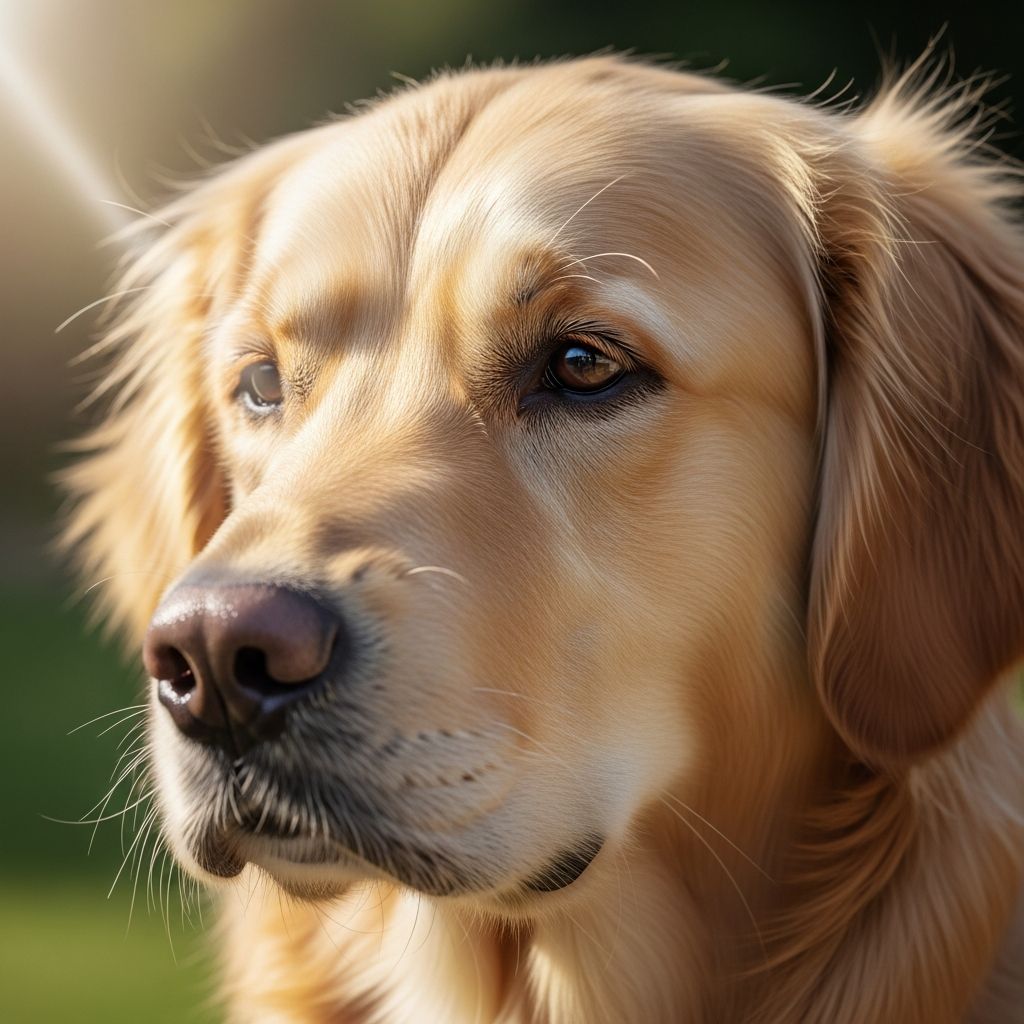
Photosensitivity, also known as photosensitization, represents a serious dermatological challenge for dogs, where normal sunlight exposure provokes intense and damaging skin responses. This condition arises when certain substances in the dog’s body react with ultraviolet light, leading to cellular destruction primarily in lightly pigmented or hairless skin areas. Dog owners must recognize this issue promptly, as untreated cases can escalate to widespread tissue death and life-threatening complications.
Understanding the Mechanisms Behind Canine Photosensitivity
The core mechanism involves photodynamic agents—chemical compounds that absorb light energy and generate reactive oxygen species. These unstable molecules damage cell membranes, proteins, and DNA in skin tissues. In dogs, vulnerability is heightened in regions like the ears, nose, eyelids, and abdomen, where sparse hair and low pigment offer minimal natural defense.
Two primary categories exist: primary photosensitivity, triggered directly by external photosensitizers such as plants or chemicals absorbed into the system, and secondary photosensitivity, resulting from internal failures like liver dysfunction that prevent breakdown of naturally occurring pigments. This distinction guides both diagnosis and intervention strategies.
Common Triggers and Risk Factors
Several environmental and physiological factors precipitate photosensitivity episodes in dogs.
- Plant Ingestion: Dogs grazing on or accidentally consuming foliage from species like buckwheat, smartweed, St. John’s wort, or hypericin-containing plants introduce potent photosensitizing pigments. These can enter via the digestive tract or skin contact.
- Liver Compromise: Hepatobiliary disorders from toxins, infections, or genetic predispositions impair phylloerythrin metabolism—a chlorophyll byproduct normally neutralized by the liver—leading to its accumulation and light activation.
- Other Agents: Fungi, bacteria, or synthetic chemicals in medications and topical products may contribute, though less frequently in canines.
- Predispositions: Breeds with white or thin coats, such as Dalmatians, Boxers, or Pit Bulls, face elevated risks due to reduced UV protection. Geographic areas with intense sunlight amplify incidence.
| Trigger Type | Examples | Mechanism | Common in Dogs? |
|---|---|---|---|
| Primary | Buckwheat, St. John’s Wort | Direct absorption | Yes |
| Secondary | Liver toxins, phylloerythrin buildup | Metabolic failure | Frequent |
| Chemical | Furocoumarins, drugs | Exogenous intake | Occasional |
Recognizing the Signs: From Mild Irritation to Severe Damage
Initial symptoms manifest rapidly upon sun exposure, often within hours. Affected dogs display photophobia, squirming, and avoidance behaviors like hiding from light or rubbing affected zones.
- Redness and edema in unpigmented areas (e.g., ear tips, muzzle).
- Progression to blisters, oozing, crusting, and ulceration if exposure persists.
- Necrosis in advanced stages, with sloughing skin and secondary infections.
- Systemic signs: fever, lethargy, anorexia from pain and dehydration.
Unlike standard sunburn, progression is swift and exaggerated, sparing heavily pigmented skin due to melanin shielding UV rays. Owners may note seasonal patterns in sunny regions, mimicking allergies but distinguished by light-specific triggers.
Diagnostic Approaches for Accurate Identification
Veterinarians rely on history, clinical presentation, and targeted tests. Key steps include:
- History and Exam: Noting recent plant access, liver disease history, and lesion distribution on pale skin.
- Laboratory Panels: Liver enzymes (ALT, AST), bilirubin, and porphyrin levels in blood, urine, feces to confirm type.
- Biopsy: Skin samples reveal characteristic epidermal necrosis and dermal inflammation, ruling out mimics like solar dermatitis or autoimmune conditions.
- Exclusion: Ruling out infections or neoplasia via cytology and cultures.
Early diagnosis prevents escalation, with secondary cases necessitating hepatobiliary imaging or ultrasound.
Comprehensive Treatment Protocols
Management prioritizes halting light exposure and supportive care. No antidote exists for the photodynamic reaction itself.
- Environmental Control: Strict indoor confinement during daylight, especially 9 AM–3 PM; night-only outdoor access.
- Anti-Inflammatories: Injectable corticosteroids early to curb swelling and pain; oral options cautiously.
- Wound Care: Cleansing, antibiotics for infections, fly repellents to avert myiasis.
- Nutritional Support: IV fluids, analgesics, and liver protectants if hepatopathy present.
- Adjuncts: Beta-carotene or retinoids for chronic prevention in predisposed dogs.
Healing is robust; even necrotic skin regenerates well, though full recovery spans days to months based on extent.
Prevention Strategies for At-Risk Dogs
Proactive measures significantly reduce incidence:
- Supervise outdoor time in sunny or weedy areas.
- Use pet-safe sunscreens (SPF 30+) on vulnerable spots, reapplied frequently.
- Maintain liver health via balanced diet, toxin avoidance, and routine checkups.
- Breeds with light skin: Provide shade structures, UV-protective clothing.
- Yard landscaping to eliminate toxic plants.
Prognosis and Long-Term Outlook
With prompt intervention, most dogs recover fully, as skin demonstrates remarkable regenerative capacity. Poor outcomes tie to untreated liver failure or extensive necrosis causing sepsis. Recurrence risks persist in unmanaged primary exposures or chronic hepatobiliary issues. Regular veterinary monitoring ensures sustained wellness.
Frequently Asked Questions (FAQs)
What triggers photosensitivity in my dog?
Common culprits include ingesting photosensitizing plants like St. John’s wort or liver problems preventing pigment breakdown.
How quickly do symptoms appear?
Signs emerge within hours of sun exposure post-agent intake, starting with redness and progressing rapidly.
Can all dogs get this condition?
Primarily affects those with light skin/coat; any breed risks secondary forms from liver disease.
Is treatment always successful?
Yes, with shade and care, healing occurs even from severe damage, though liver cases vary.
How do I prevent it at home?
Limit sun, use sunscreen, avoid suspect plants, and screen for liver health annually.
References
- Photosensitization in Dogs – Dog Owners – Merck Veterinary Manual — Merck & Co., Inc. 2023. https://www.merckvetmanual.com/dog-owners/skin-disorders-of-dogs/photosensitization-in-dogs
- Photosensitization – Vet Med: Applied GI Physiology — University of Minnesota Libraries Publishing. 2022. https://open.lib.umn.edu/vetphysioapplied/chapter/photosensitization/
- Photosensitization in Dogs – Symptoms, Causes, Diagnosis — WagWalking. 2023. https://wagwalking.com/condition/photosensitization
- Overview of Photosensitization in Animals – Integumentary System — Merck Veterinary Manual. 2023. https://www.merckvetmanual.com/integumentary-system/photosensitization/overview-of-photosensitization-in-animals
- Diagnosis and treatment of solar dermatitis in dogs — dvm360. 2022. https://www.dvm360.com/view/diagnosis-and-treatment-solar-dermatitis-dogs
- Photosensitisation — Department of Agriculture, Food and the Marine (Ireland). 2023. https://www.animalhealthsurveillance.agriculture.gov.ie/currentnews/photosensitisation.html
Similar Articles








Read full bio of Sneha Tete