

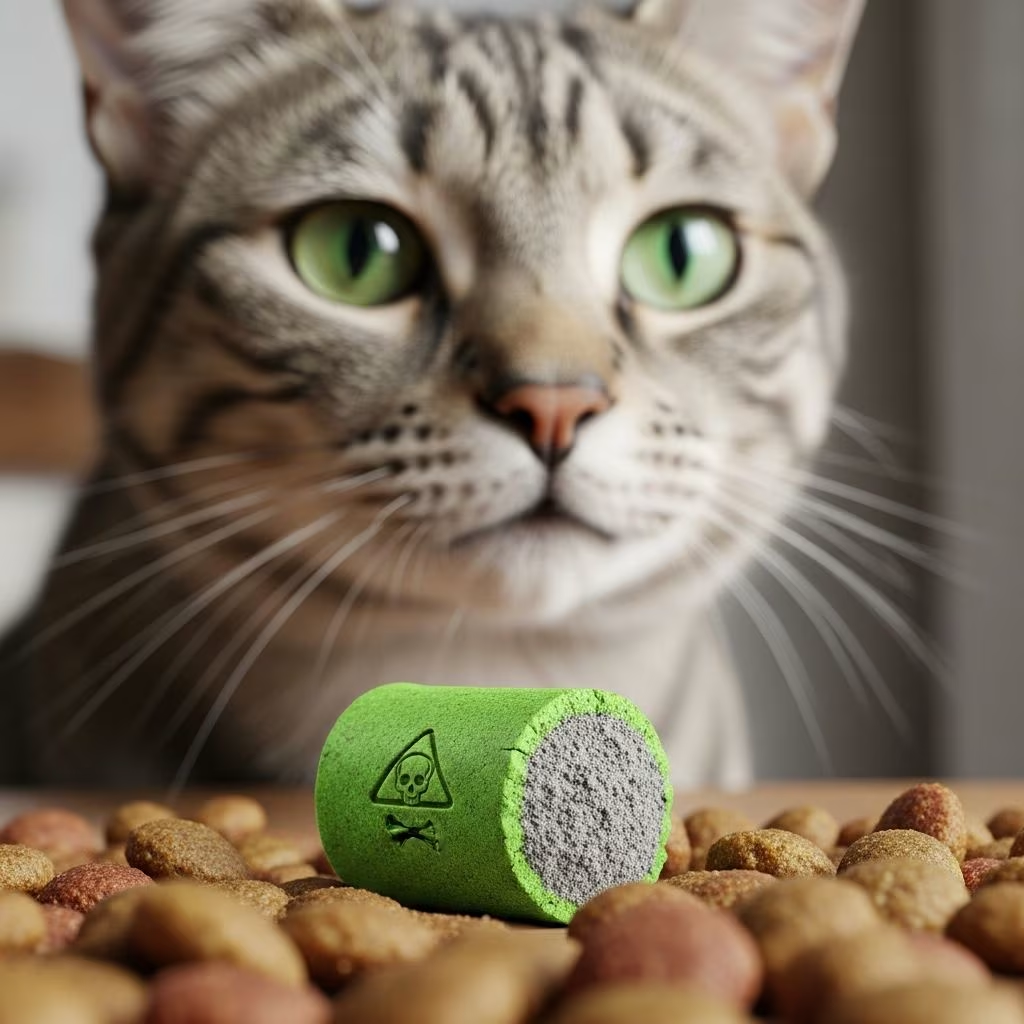
Phosphide-based rodenticides, such as those containing zinc, aluminum, or magnesium phosphides, represent a significant hazard to household pets. These compounds react with stomach acid to produce phosphine gas (PH3), a potent toxin that damages multiple organ systems and can lead to rapid death if untreated. Pets commonly encounter these poisons through direct ingestion of bait or secondary exposure from poisoned rodents. Veterinary professionals must act swiftly, as delays exacerbate outcomes, while pet owners need awareness to prevent accidental poisoning.
How Phosphide Poisons Work in Animals
Upon ingestion, phosphide rodenticides break down in the acidic environment of the stomach, liberating phosphine gas. This gas is highly reactive, interfering with cellular respiration by inhibiting cytochrome c oxidase, much like cyanide. The result is widespread tissue hypoxia, endothelial damage, and multi-organ failure. Dogs are particularly susceptible due to their scavenging behavior, but cats and other pets face similar risks.
Pathological changes include hemorrhagic necrosis in the gastrointestinal tract, liver congestion, and pulmonary edema. In severe cases, the gas causes systemic endotheliotropism, where blood vessel linings necrotize, leading to hemorrhages and ischemic lesions in the heart, kidneys, and brain.
Common Sources of Exposure for Pets
- Direct bait ingestion: Pets chew on pellets or grains placed for rodent control in garages, sheds, or yards.
- Secondary poisoning: Eating carcasses of rodents killed by phosphides, which retain toxic residues.
- Environmental contamination: Tracking bait indoors or accessing improperly stored products.
These rodenticides are widely available for pest control, often in pelleted or grain form, making them appealing to curious pets. Labels warn of pet toxicity, but accidental exposure remains common.
Recognizing Early Warning Signs
Symptoms appear within minutes to hours post-ingestion, driven by phosphine gas release. Initial gastrointestinal distress progresses to systemic collapse.
| Stage | Symptoms | Duration |
|---|---|---|
| Early (0-2 hours) | Drooling, nausea, vomiting (often bloody), abdominal pain, bloating | Rapid onset |
| Intermediate (2-6 hours) | Weakness, depression, difficulty breathing, chest pain, tremors | Progressing |
| Advanced (>6 hours) | Seizures, collapse, shock, coma, respiratory arrest | Potentially fatal |
Owners report pets retching, showing anxiety, or exhibiting labored breathing. Liver and lung damage manifest as jaundice or cyanosis.
Pathological Effects on Major Organs
Phosphine gas targets high-metabolism tissues. In the stomach, it causes mucosal erosions, congestion, and hematemesis. Liver findings include coagulative necrosis, hemorrhage, and steatosis. Kidneys suffer tubular degeneration, while the heart shows myocardial ischemia.
Neurological impacts involve brain endothelial damage, leading to edema and neuronal necrosis. Lungs develop edema and hemorrhage, impairing gas exchange. These lesions confirm multisystemic involvement at necropsy.
Emergency Response for Pet Owners
If poisoning is suspected, do not induce vomiting at home without guidance, as this risks gas inhalation for humans. Transport the pet outdoors in a well-ventilated area. Contact a veterinarian or poison hotline immediately.
- Prevent feeding or watering, as it accelerates gas production.
- Monitor for vomiting; contain it safely to avoid secondary exposure.
Veterinary hospitals report staff poisonings from pet vomitus releasing PH3, emphasizing the need for ventilation during treatment.
Veterinary Diagnosis and Confirmation
Diagnosis relies on history, clinical signs, and response to therapy. Radiographs may show gastric distension or metal densities from zinc. Toxicology screens detect phosphine in gastric contents or bait, though urine tests are often negative.
Differential diagnoses include anticoagulant rodenticides, metaldehyde, or organophosphates. Necropsy provides definitive evidence through histopathology showing endothelial necrosis and hemorrhages.
Critical Treatment Strategies
No specific antidote exists; management focuses on decontamination, gas neutralization, and support.
- Decontamination: Induce emesis in non-convulsing patients outdoors using hydrogen peroxide. Follow with gastric lavage using alkaline solutions like sodium bicarbonate to raise pH and limit gas release.
- Acid neutralization: Administer antacids (magnesium/aluminum hydroxide) or H2-blockers intravenously to buffer stomach acid.
- Adsorbents: Use activated charcoal post-emesis.
- Supportive care: IV fluids, oxygen, anti-seizure meds (diazepam), antioxidants like N-acetylcysteine for liver protection.
- Monitoring: ECG for arrhythmias, blood gases, liver enzymes.
Treatment success depends on early intervention; survival rates improve with prompt emesis and alkalinization.
Preventing Veterinary Staff Exposure
Phosphine gas from vomitus has poisoned clinic workers, causing nausea, chest tightness, and dizziness. Protocols include:
- Performing emesis in open-air or fume-hood areas.
- Using PPE: gloves, masks, goggles.
- Ventilating treatment rooms and sealing vomitus in bags for disposal.
- Following AVMA guidelines for phosphide cases.
Species-Specific Risks and Outcomes
Dogs face the highest incidence due to exploratory eating. Cats show similar signs but may succumb faster. Livestock like cattle can suffer mass poisonings from bait access. Recovery is possible with aggressive care; all reported canine cases in one study survived.
Fatalities occur from respiratory failure or cardiac arrest. Long-term effects are rare in survivors, though organ damage may persist.
Regulatory and Safety Measures
Phosphides are restricted-use pesticides in many regions, requiring careful storage. Pet-safe alternatives like snap traps reduce risks. Educate owners on bait placement away from pet areas.
Frequently Asked Questions (FAQs)
What should I do if my dog ate rodent bait?
Call a vet or poison control immediately. Do not wait for symptoms.
Can cats recover from phosphide poisoning?
Yes, with rapid treatment, but prognosis worsens with delays.
Is phosphine gas dangerous to humans treating pets?
Highly; use ventilation and PPE to avoid inhalation.
How long do symptoms last?
Acute phase: hours; recovery: days with care.
Are there home remedies?
No; professional intervention is essential.
Long-Term Prevention Tips
- Store rodenticides in locked cabinets.
- Use pet-proof bait stations.
- Opt for non-toxic pest control.
- Supervise pets in pest-prone areas.
By understanding phosphide toxicity, pet owners and vets can mitigate this preventable threat, saving lives through vigilance and preparedness.
References
- Intentional fatal metallic phosphide poisoning in a dog: Case report — PMC/NCBI. 2015-07-15. https://pmc.ncbi.nlm.nih.gov/articles/PMC4512158/
- Occupational Phosphine Gas Poisoning at Veterinary Hospitals — CDC/MMWR. 2012-04-27. https://www.cdc.gov/mmwr/preview/mmwrhtml/mm6116a3.htm
- Phosphides — Pet Poison Helpline. Accessed 2026. https://www.petpoisonhelpline.com/poison/phosphides/
- Toxicology Brief: A case of zinc phosphide toxicosis — dvm360. Accessed 2026. https://www.dvm360.com/view/toxicology-brief-case-zinc-phosphide-toxicosis
- When Pests Poison Pets: Rodenticide Toxicity in Pets — Adamson Veterinary Services. Accessed 2026. https://adamsonveterinaryservices.com/when-pests-poison-pets-rodenticide-toxicity-in-pets/
- Zinc Phosphide in Dogs – Notice to Veterinary Clinics — Michigan.gov. Accessed 2026. https://www.michigan.gov/-/media/Project/Websites/mdhhs/Folder2/Folder13/Folder1/Folder113/zinc_phosphide.pdf?rev=04b96c020ade46d18a8e782ef71a48d1



