

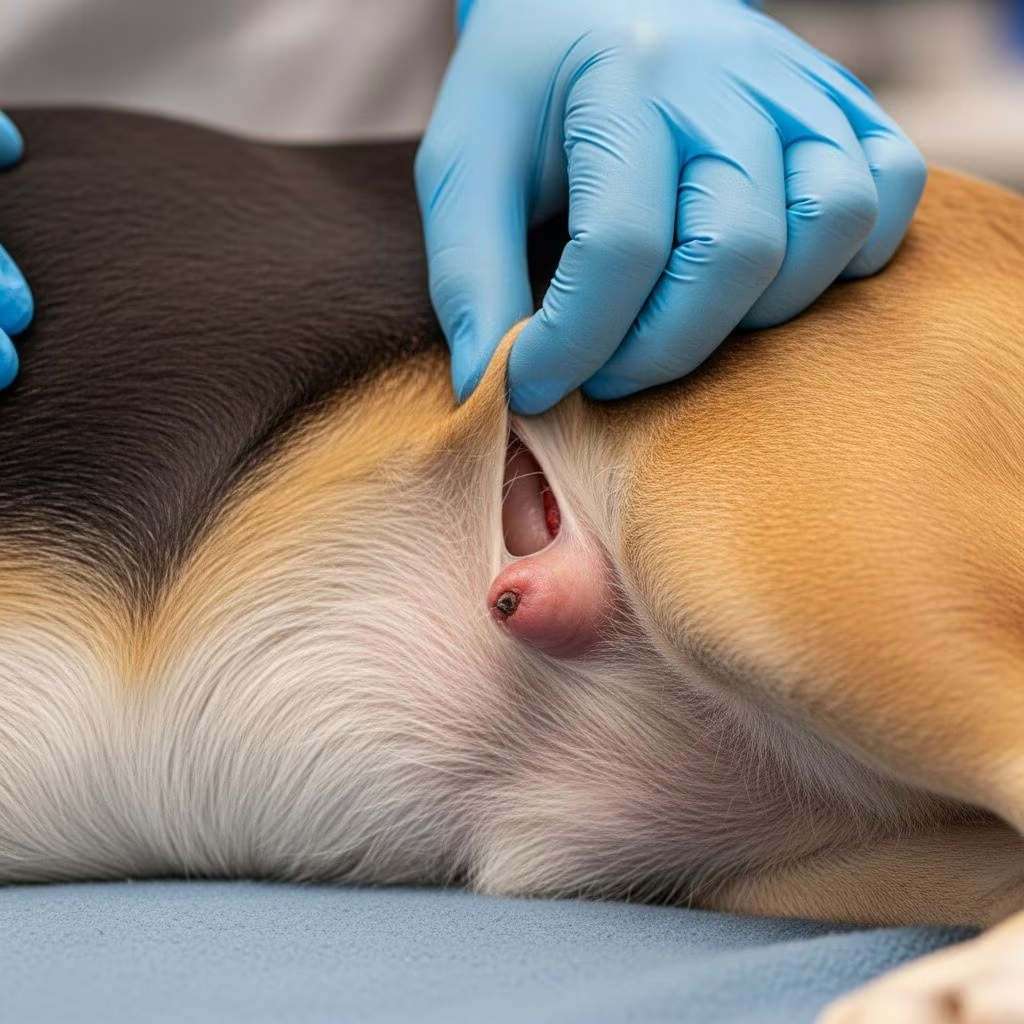
Phimosis in dogs refers to a condition where the penis cannot be fully extended from the prepuce due to a narrowed or constricted opening. This issue can be congenital or acquired, affecting male dogs’ urinary and reproductive functions.
Defining Phimosis and Its Impact on Canine Health
At its core, phimosis involves the inability of the penile sheath to allow proper protrusion of the penis. Normally, a dog’s penis retracts into the prepuce when not in use, protecting it from injury and dehydration. When phimosis occurs, this mechanism fails, leading to complications like urine retention within the sheath, inflammation, and potential infections.
The condition’s severity varies; mild cases might go unnoticed until breeding attempts, while severe ones cause immediate discomfort and health risks. Understanding this distinction helps owners recognize when veterinary intervention is essential.
Primary Causes of Phimosis in Male Dogs
Phimosis arises from two main categories: congenital and acquired factors. Congenital phimosis stems from developmental abnormalities present at birth, such as a naturally stenotic preputial orifice. Breeds like German Shepherds and Golden Retrievers may have a genetic predisposition.
Acquired phimosis develops later due to external influences. Common triggers include:
- Chronic inflammation or balanoposthitis, causing swelling and scarring.
- Trauma from injuries, mating accidents, or aggressive licking by the mother or littermates.
- Neoplastic growths, including mast cell tumors, transmissible venereal tumors, squamous cell carcinoma, and perianal gland adenomas.
- Persistent penile-preputial frenulum, a thin tissue band restricting movement.
- Infections or edema leading to fibrous tissue buildup.
These causes often overlap, exacerbating the narrowing over time. Early identification of underlying issues can prevent progression.
Recognizing the Signs and Symptoms
Dogs with phimosis may exhibit subtle or overt symptoms. Key indicators include:
- Urine dribbling or pooling in the prepuce, leading to scalding of surrounding skin.
- Discoloration and dryness of penile tissues due to exposure or poor hygiene.
- Bloody or purulent discharge from the sheath.
- Excessive licking or discomfort around the genital area.
- Inability to protrude the penis during mating attempts, often the first noticed sign in intact males.
- Swelling, edema, or hematuria in advanced cases.
Owners might observe the dog straining to urinate or showing signs of pain. These symptoms warrant prompt veterinary evaluation to rule out life-threatening complications like urethral obstruction.
Diagnostic Approaches in Veterinary Practice
Veterinarians diagnose phimosis through a combination of physical exams and supportive tests. A thorough inspection of the prepuce and penis reveals narrowing or adhesions. Palpation assesses for masses, swelling, or retained testicles.
Additional diagnostics may include:
- Cytology, bacterial culture, and sensitivity testing of preputial fluids.
- Ultrasound or contrast studies to evaluate internal structures.
- Histopathology of biopsies if neoplasia is suspected.
- Urinalysis to detect infections or crystals contributing to obstruction.
In cases like the one described in veterinary literature, aspiration of purulent material guides treatment decisions. Accurate diagnosis differentiates phimosis from related conditions like paraphimosis, where the penis protrudes but cannot retract.
Non-Surgical Treatment Options
Initial management focuses on conservative measures, especially for inflammatory or infectious causes. Antibiotics like amoxicillin-clavulanate address bacterial involvement, while anti-inflammatories reduce swelling.
Supportive care includes:
- Warm compresses to promote drainage and comfort.
- Urinary catheterization to divert urine and prevent scalding.
- Saline lavage for cleaning the prepuce.
- Topical treatments like lidocaine jelly for pain relief during manipulation.
For non-breeding dogs, observation may suffice if symptoms are mild. Castration is often recommended to eliminate hormonal drives and reduce recurrence risks.
These approaches succeed in uncomplicated cases but fail when structural anomalies or adhesions persist.
Surgical Interventions for Persistent Phimosis
Surgery is the definitive treatment for developmental or scarred phimosis. Procedures range from simple to complex based on severity.
Simple Wedge Resection: Involves excising a V-shaped section of the preputial mucosa to widen the opening. Ideal for cases without adhesions.
Advanced Reconstruction: For adherent tissues, surgeons separate fibrous bands, resect scarred areas, and appose mucosa with sutures like 4-0 polydioxanone. Castration is commonly combined, especially if cryptorchidism is present.
Perioperative protocols include:
- Anesthesia with propofol and isoflurane maintenance.
- Intravenous antibiotics (e.g., cefazolin) and fluids.
- Pain control via NSAIDs, opioids, and epidurals.
Post-op, Elizabethan collars prevent self-trauma, and medications ensure healing. Success rates are high, with most dogs achieving normal function.
Post-Treatment Care and Recovery Timeline
Recovery demands diligent monitoring. Immediate post-op care involves pain management with fentanyl patches, hydromorphone, and cold packs.
A typical timeline:
| Timeframe | Key Activities | Expected Outcomes |
|---|---|---|
| Days 1-3 | IV fluids, antibiotics, frequent extrusion exercises | Reduced swelling, pain control |
| Days 4-7 | Oral meds, Elizabethan collar, monitor urination | Resolved hematuria, decreased discharge |
| Weeks 2-4 | Suture removal, reduced meds | Full penile mobility, normal voiding |
| 1-3 Months | Follow-up exams | Complete resolution, breeding viability if applicable |
Owners perform daily penile extrusions to prevent re-adhesion, using lubrication. Complications like infection are rare with proper care.
Distinguishing Phimosis from Paraphimosis
Phimosis (inability to protrude) contrasts with paraphimosis (inability to retract). The latter often involves hair rings, trauma, or priapism, requiring urgent lubrication and reduction.
Both demand swift action: paraphimosis risks necrosis if untreated, while phimosis leads to chronic urinary issues. Veterinary differentiation ensures targeted therapy.
Prevention Strategies for Dog Owners
Prevent phimosis through proactive measures:
- Regular genital hygiene to avoid infections.
- Neuter non-breeding dogs to minimize trauma risks.
- Monitor puppies for early signs, especially in predisposed breeds.
- Avoid mating injuries with supervised interactions.
- Prompt treatment of balanoposthitis or UTIs.
Genetic screening in breeding programs reduces congenital incidence.
Prognosis and Long-Term Management
With timely intervention, prognosis is excellent. Surgical cases show marked improvement within weeks, with minimal recurrence. Breeding dogs may require orifice enlargement for fertility.
Owners should schedule follow-ups and report persistent symptoms. In rare refractory cases, penile amputation is a last resort.
Frequently Asked Questions (FAQs)
What breeds are prone to phimosis?
German Shepherds and Golden Retrievers show genetic links, but any breed can be affected.
Is phimosis painful for dogs?
Yes, especially with swelling or infection; pain meds are standard in treatment.
Can phimosis resolve without surgery?
Inflammatory cases often do with meds and care, but structural issues need surgery.
Should I neuter a dog with phimosis?
Yes, for non-breeders, to prevent complications and hormone-driven issues.
How urgent is phimosis treatment?
Not always emergent like paraphimosis, but delays risk infections or blockages.
References
- A challenging case: Phimosis in a young adult dog — dvm360. 2010-approx (authoritative case study). https://www.dvm360.com/view/challenging-case-phimosis-young-adult-dog
- Paraphimosis and Phimosis in Dogs — PetPlace (veterinary resource). N/A. https://www.petplace.com/article/dogs/pet-health/paraphimosis-and-phimosis-in-dogs
- Phimosis and Paraphimosis in Dogs — GeniusVets (peer-reviewed vet info). Recent. https://www.geniusvets.com/pet-care/learn/dogs/medical-resources/diseases-and-conditions-paraphimosis-and-phimosis-dealing
- Paraphimosis in Dogs — PetMD (vet-reviewed). Recent. https://www.petmd.com/dog/conditions/reproductive/paraphimosis-dogs
- Inability to Protrude or Retract Penis in Dogs — WagWalking (vet-curated). Recent. https://wagwalking.com/condition/inability-to-protrude-or-retract-penis
- Phimosis in Dogs and Cats — Merck Veterinary Manual (official vet reference). 2023. https://www.merckvetmanual.com/reproductive-system/reproductive-system-diseases-of-male-dogs-and-cats/phimosis-in-dogs-and-cats



