

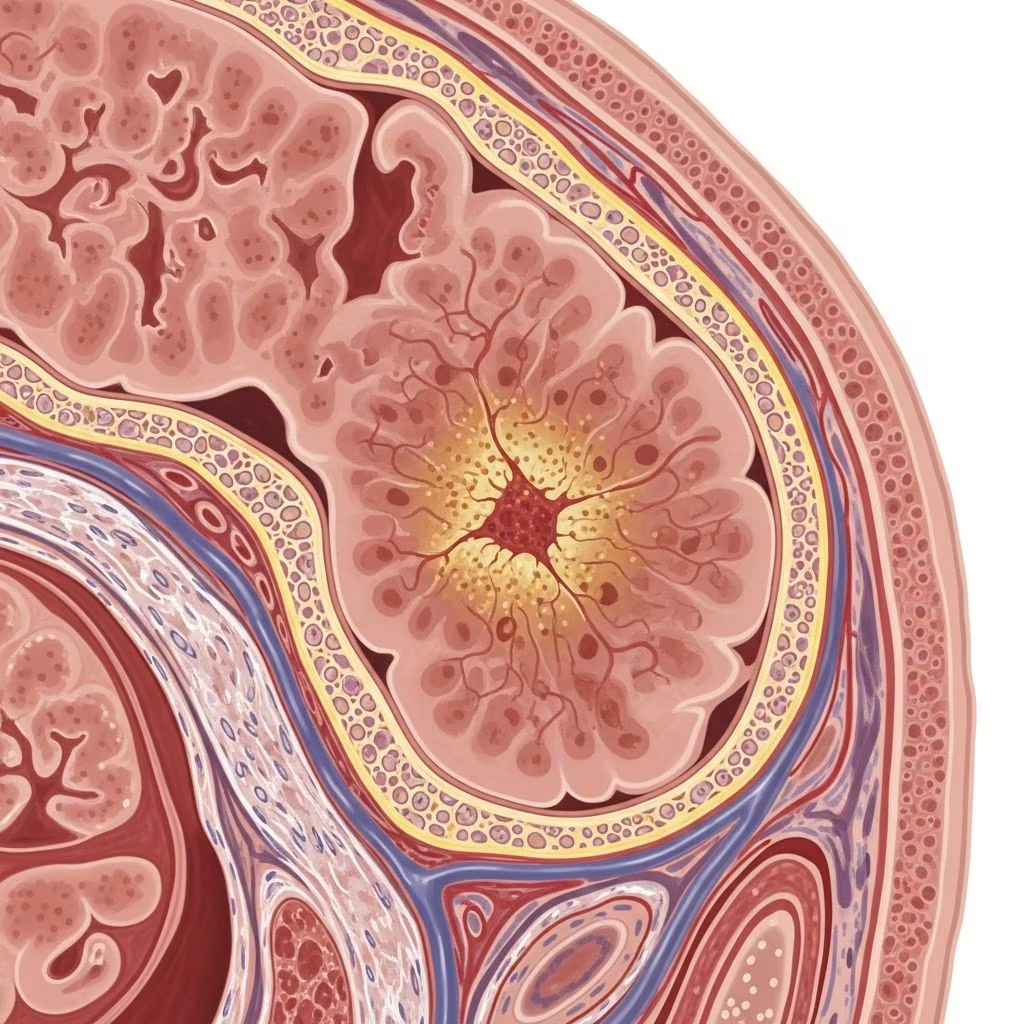
Pheochromocytomas are uncommon tumors originating from chromaffin cells in the adrenal medulla of dogs and cats, leading to excessive catecholamine release that triggers hypertension, arrhythmias, and other systemic effects.
What Are Pheochromocytomas?
These tumors develop in the inner part of the adrenal glands, where cells produce hormones like epinephrine and norepinephrine. In healthy animals, these catecholamines help regulate stress responses, heart rate, and blood pressure. However, in pheochromocytoma cases, uncontrolled cell growth causes hormone overproduction, disrupting normal physiology.
While more frequently reported in dogs, cats can also be affected, though cases are rarer. The condition often goes undiagnosed until advanced stages due to nonspecific symptoms mimicking other diseases.
Common Clinical Signs in Affected Animals
Pet owners may notice subtle or sudden changes in their animals’ behavior and health. Key indicators include:
- Persistent high blood pressure, leading to weakness or collapse.
- Episodes of rapid heart rate (tachycardia) or irregular rhythms (arrhythmias).
- Excessive thirst and urination (polyuria/polydipsia), sometimes linked to secondary diabetes.
- Abdominal pain, panting, or restlessness from catecholamine surges.
- Exercise intolerance or fainting spells due to cardiovascular strain.
In severe instances, pets might experience hypertensive crises, manifesting as nosebleeds, vision loss, or organ damage.
Underlying Pathophysiology
Catecholamines overstimulate alpha and beta adrenergic receptors. Alpha stimulation causes vasoconstriction and elevated blood pressure, while beta-1 effects promote heart muscle hyperactivity and arrhythmias. Beta-2 actions can lead to dilated blood vessels in certain areas, contributing to fluctuating pressures.
Tumors may invade nearby structures like the caudal vena cava in up to 50% of canine cases, complicating treatment.
Diagnostic Approaches
Diagnosing pheochromocytomas requires a multimodal strategy since no single test is definitive without histopathology.
| Test Type | Description | Utility |
|---|---|---|
| Biochemical | Urine or plasma metanephrine/normetanephrine levels | High sensitivity for catecholamine metabolites; preferred screening. |
| Imaging | Ultrasound, CT, MRI | Visualizes adrenal mass, vascular invasion; CT ideal for planning surgery. |
| Blood Pressure | Serial measurements | Confirms sustained hypertension unresponsive to standard treatments. |
| Histopathology | Biopsy or post-surgical sample | Gold standard confirmation. |
Advanced tests like pharmacologic provocation are rarely used in veterinary practice due to risks and limited availability.
Preoperative Medical Management
Before any intervention, stabilizing the patient is critical. Phenoxybenzamine, an alpha-blocker, is administered at 0.2-1.5 mg/kg twice daily for at least two weeks. This reduces vascular resistance, expands plasma volume, and prevents catecholamine-induced crises during handling.
Beta-blockers may be added cautiously for arrhythmias, but only after alpha-blockade to avoid unopposed alpha effects worsening hypertension.
Surgical Treatment: Adrenalectomy
Complete surgical removal of the affected adrenal gland(s) offers the best chance for long-term control.
Pre-Surgical Prep:
- Blood typing and cross-matching for potential transfusions.
- Avoid sympathomimetics like ketamine; prefer balanced anesthesia protocols.
- Monitor for intraoperative hypertension or arrhythmias.
Intraoperative Techniques: Careful dissection is essential, especially with vena cava involvement. Thrombectomy may be needed using tourniquets. Hemostasis via clips or cautery minimizes bleeding.
Postoperatively, continue alpha-blockade, provide supportive care, and watch for adrenal insufficiency if bilateral glands are involved.
Prognostic Factors and Outcomes
Success hinges on several variables:
- Favorable: Complete resection, tumor <3 cm, no metastasis, phenoxybenzamine pretreatment.
- Unfavorable: Metastasis (rare, ~10-20%), extensive invasion, comorbidities.
Median survival post-resection is 15 months to 2 years, with low mortality (6-15%) in optimized cases. Incomplete removal still yields months to years of improved quality of life.
Alternative Therapies for Inoperable Cases
When surgery isn’t feasible, lifelong phenoxybenzamine manages symptoms. Emerging options like tyrosine kinase inhibitors (e.g., toceranib) show promise for metastatic disease, mirroring human trials, though veterinary data is limited.
Radiation and chemotherapy lack strong evidence in pets.
Species-Specific Considerations
Dogs
Most common in older breeds like Cavalier King Charles Spaniels. High vena cava invasion risk; concurrent tumors in 50%+ cases.
Cats
Rarer; similar presentation but less invasion reported. Diagnosis often postmortem.
FAQs
What is the most common age for pheochromocytoma in dogs?
Typically over 10 years, with middle-aged to senior dogs most affected.
Can pheochromocytoma be benign?
Many are functionally malignant due to invasion, but distant metastasis is uncommon.
How do I know if my pet has high blood pressure from this tumor?
Vets measure indirect or direct pressure; persistent readings >180 systolic warrant further tests.
Is surgery always possible?
No, but medical stabilization often allows it. Debulking helps advanced cases.
What follow-up is needed after surgery?
Blood pressure checks, hormone assays, and imaging to monitor recurrence.
Preventive Monitoring for At-Risk Pets
Older pets with unexplained hypertension or endocrine signs benefit from adrenal screening. Early detection via urine metanephrines improves outcomes dramatically.
References
- Pheochromocytoma in dogs and cats — PubMed. 1997-04-01. https://pubmed.ncbi.nlm.nih.gov/9076913/
- Canine Pheochromocytoma (Alexandra Brown) — Mississippi State University College of Veterinary Medicine. 2018-08-24. https://www.vetmed.msstate.edu/sites/www.vetmed.msstate.edu/files/presentations/8.24.18%20Canine%20Pheochromocytoma%20(Alexandra%20Brown).pdf
- Canine Pheochromocytoma — Purdue University Animal Disease Diagnostic Laboratory. 2007. https://www.addl.purdue.edu/newsletters/2007/Spring/CP.htm
- Canine pheochromocytoma — Veterinary Ireland Journal. 2017-05. https://www.veterinaryirelandjournal.com/images/pdf/small/sa_may_2017.pdf
- Pheochromocytomas in dogs and cats (Proceedings) — dvm360. N/A. https://www.dvm360.com/view/pheochromocytomas-dogs-and-cats-proceedings
- Osteolytic metastases from a pheochromocytoma presenting as… — Frontiers in Veterinary Science. 2025. https://www.frontiersin.org/journals/veterinary-science/articles/10.3389/fvets.2025.1585969/full



