

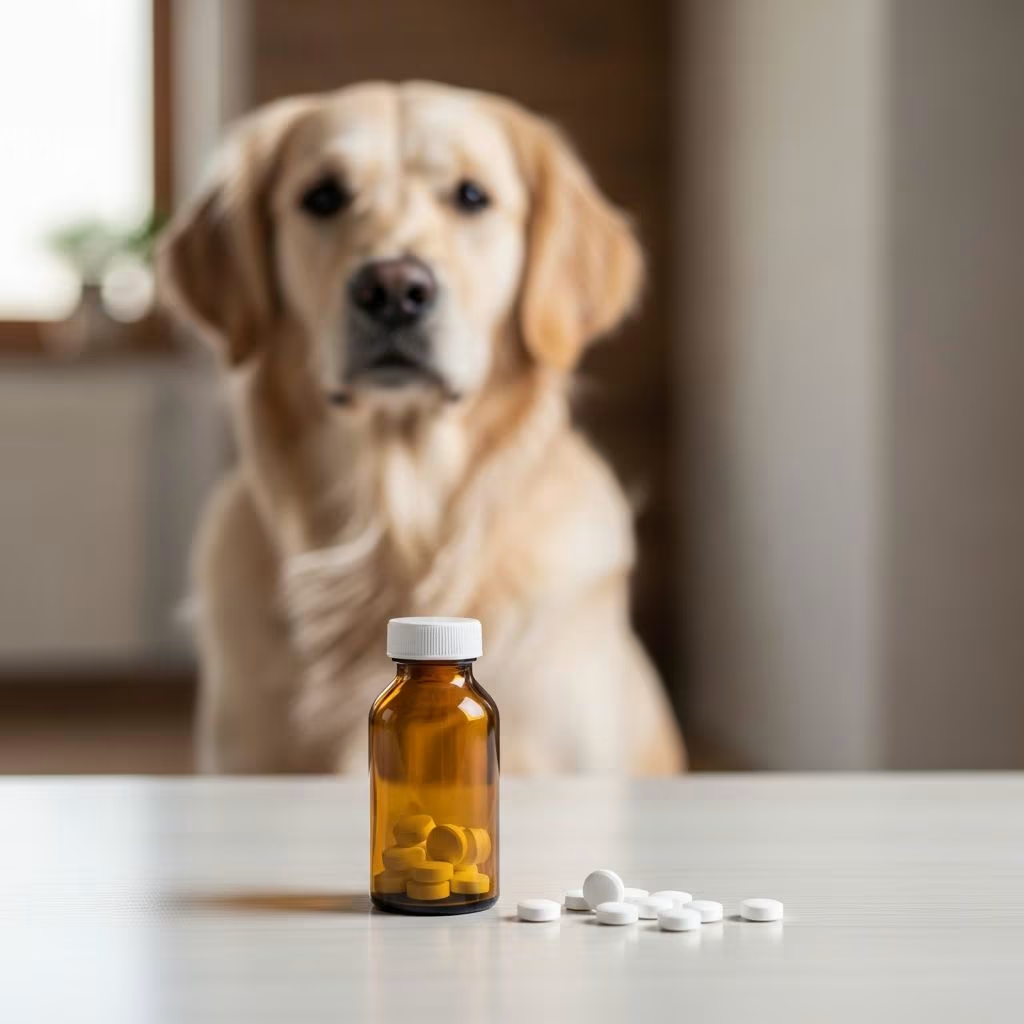
What is Phenylpropanolamine?
Phenylpropanolamine, commonly known by the brand name Proin, is a medication used to treat urinary incontinence in dogs. This sympathomimetic amine works by stimulating the alpha-adrenergic receptors in the urinary tract, which increases the muscle tone in the urethral sphincter. This enhanced muscle tone helps the urethra maintain proper closure, preventing unwanted urine leakage. Phenylpropanolamine is particularly effective for treating urethral sphincter incompetency in dogs, a common form of incontinence that affects many pets, especially as they age.
The medication has been used in veterinary medicine for decades and remains one of the primary treatment options for managing urinary incontinence in canines. Available in both immediate-release and extended-release formulations, phenylpropanolamine provides veterinarians with flexible treatment options to meet individual patient needs.
How Does Phenylpropanolamine Work?
Phenylpropanolamine functions as a sympathomimetic agent that mimics the effects of the sympathetic nervous system. When administered, it activates alpha-adrenergic receptors located in the smooth muscle of the urethral sphincter. This activation increases muscle tone and contractility, which strengthens the closure mechanism of the urethra. By enhancing urethral resistance, the medication prevents involuntary urine leakage, particularly in situations where abdominal pressure increases, such as during coughing, sneezing, or physical exertion.
Studies have demonstrated that phenylpropanolamine causes a significant increase in maximum urethral closure pressure and functional urethral area compared to untreated controls. Research comparing phenylpropanolamine to similar medications has shown its superior effectiveness at increasing urethral closure pressure and improving overall continence scores. This mechanism of action makes it an ideal choice for managing stress incontinence in dogs with weakened urethral sphincters.
Indications and Uses
Phenylpropanolamine is primarily prescribed for treating urinary incontinence in dogs, particularly those suffering from urethral sphincter mechanism incompetency (USMI). This condition is most common in middle-aged to older spayed female dogs, though it can affect males and intact animals as well. The medication effectively reduces or eliminates involuntary urine loss, improving quality of life for both pets and their owners.
Clinical trials have shown impressive efficacy rates, with studies indicating that 91.3 percent of dog owners reported satisfactory urinary continence by day 30 of treatment, and this increased to 98.1 percent by day 180. The medication can be used in both acute and chronic situations, making it a versatile treatment option for various presentations of urinary incontinence.
Dosage Information
The standard recommended dosage of phenylpropanolamine for dogs is 2 mg/kg administered orally every twelve hours. This dosing schedule has been established through extensive clinical trials and manufacturer-conducted studies to provide optimal efficacy while minimizing adverse effects. The exact dose may vary based on individual patient factors, the specific formulation used, and the veterinarian’s clinical judgment.
Extended-release formulations like Proin ER allow for once-daily dosing in some cases, which can improve medication compliance and reduce the frequency of administration. However, studies have shown no significant difference in efficacy between standard-release and extended-release tablets when appropriately dosed. Pet owners should follow their veterinarian’s specific dosing instructions carefully and maintain consistent timing between doses for optimal results. It is important to note that several days of proper dosing may be needed before improvements in urinary continence can be fully assessed.
Are There Any Potential Side Effects?
Like all medications, phenylpropanolamine can produce side effects in some dogs. Pet owners should be aware of both common and potentially serious adverse reactions to ensure proper monitoring and timely intervention if complications arise.
Common Side Effects
The most frequently reported side effects associated with phenylpropanolamine are generally mild and manageable:
- Vomiting, diarrhea, and lack of appetite
- Increased thirst and urination
- Restlessness and nervousness
- Irritability and behavioral changes
- Difficulty urinating
- Weight loss
- Mild gastrointestinal upset
- Dilated pupils
- Panting
- Hyperactivity
These side effects often diminish as the body adjusts to the medication. Administering phenylpropanolamine with food can help reduce gastrointestinal upset. Most dogs tolerate the medication well, and serious adverse effects are relatively uncommon when the drug is used at recommended doses.
Serious Adverse Reactions
While uncommon, serious adverse reactions can occur and require immediate veterinary attention. If any of the following signs develop, discontinue phenylpropanolamine and contact your veterinarian immediately:
- Seizures or tremors
- Collapse or loss of consciousness
- Stroke-like signs, such as inability to walk or loss of coordination
- Severe behavioral changes including aggression
- Difficulty breathing or respiratory distress
- Irregular heartbeat or palpitations
- Extreme hypertension
- Sudden death
These serious side effects are rare but can occur, particularly in dogs with preexisting conditions or those receiving higher-than-recommended doses.
Cardiovascular Concerns
One of the most significant potential risks associated with long-term phenylpropanolamine use is cardiovascular-related complications. The medication’s sympathomimetic effects can lead to elevated blood pressure (hypertension) in some dogs. While rare, long-term use has been associated with ventricular hypertrophy, a structural enlargement of the heart’s ventricles that can result in abnormal heart rhythms and potentially congestive heart failure.
Additionally, studies have documented elevations in platelet counts and liver enzymes (ALT and lactate dehydrogenase) in dogs receiving higher doses of phenylpropanolamine. These laboratory abnormalities underscore the importance of regular monitoring during treatment.
Drug Sensitivities and Allergic Reactions
Drug sensitivities can develop over time with repeated exposure to phenylpropanolamine. A dog may have no reaction after the first few doses but may develop a sensitivity later in the treatment course. It is important to watch for signs of allergic reactions throughout the entire duration of treatment, including:
- Irregular or difficult breathing
- Rash or hives
- Fever
- Puffiness and swelling around the face, lips, tongue, or throat
- Excessive salivation
Any signs of allergic reaction warrant immediate discontinuation of the medication and veterinary consultation.
Are There Any Risk Factors for This Medication?
Phenylpropanolamine should not be used in certain situations, and caution is warranted in others. Understanding these risk factors helps ensure safe and appropriate use of the medication.
Contraindications: Do Not Use
Phenylpropanolamine should NOT be used in the following situations:
- Pets that are allergic or hypersensitive to phenylpropanolamine
- Pets that are pregnant (potential effects on developing fetuses are unknown)
These absolute contraindications are critical and must be respected to prevent adverse outcomes.
Use With Caution
Phenylpropanolamine should be used with special caution and careful monitoring in dogs with the following conditions:
- Glaucoma (the medication may increase intraocular pressure)
- Seizure disorders (sympathomimetic effects may lower seizure threshold)
- Enlarged prostate (BPH)
- Elevated thyroid hormone levels (hyperthyroidism)
- Diabetes mellitus
- Heart or cardiovascular vessel disorders
- Kidney disease
- High blood pressure (hypertension)
- Nursing pets (safety has not been adequately studied)
Dogs with any of these conditions require baseline assessment and more frequent monitoring during phenylpropanolamine therapy. In particular, dogs with preexisting hypertension or cardiovascular disease are at increased risk for serious complications and may benefit from alternative treatments.
Drug Interactions
Phenylpropanolamine may interact with certain other medications, potentially increasing the risk of adverse effects. Concurrent use with NSAIDs, reserpine, or tricyclic antidepressants may increase the risk of hypertension and should be carefully evaluated by a veterinarian. Dogs receiving combination therapy should have more frequent blood pressure monitoring to detect any dangerous elevations early.
Monitoring and Safety Considerations
When initiating phenylpropanolamine therapy, veterinarians typically recommend baseline assessment including blood pressure measurement and potentially baseline bloodwork to establish normal values for the individual patient. During treatment, periodic blood pressure monitoring is essential, as hypertension is one of the most commonly documented adverse effects. Any significant elevation in blood pressure may necessitate discontinuation of the medication or transition to an alternative agent for managing incontinence, such as estrogen-based products like estriol (Incurin).
Pet owners should maintain regular communication with their veterinarian regarding their dog’s response to treatment and any observed side effects. Long-term monitoring may include periodic bloodwork to assess liver and kidney function, particularly in dogs on extended treatment regimens. It is important to remember that it may take several days to a week of consistent dosing before improvements in incontinence are fully evident.
Frequently Asked Questions
Q: How long does phenylpropanolamine take to work?
A: Several days of proper dosing are typically needed before the medication’s full effects on urinary continence can be assessed. Most dogs show improvement within the first week to two weeks of treatment, though maximum benefit may take several weeks.
Q: Can phenylpropanolamine be used in male dogs?
A: Yes, phenylpropanolamine can be used in male dogs, though it is more commonly prescribed for spayed females with urethral sphincter incompetency. Some studies have suggested that males may show less dramatic improvement compared to females, but individual responses vary.
Q: What should I do if my dog misses a dose?
A: If a dose is missed, administer it as soon as you remember. However, if it is nearly time for the next scheduled dose, skip the missed dose and resume the regular dosing schedule. Never double-dose to make up for a missed dose.
Q: Is phenylpropanolamine safe for senior dogs?
A: Phenylpropanolamine can be used in senior dogs, but extra caution is warranted, particularly in those with existing cardiovascular, kidney, or thyroid disease. Baseline assessment and more frequent monitoring are recommended for older pets.
Q: Can phenylpropanolamine be combined with other incontinence treatments?
A: Phenylpropanolamine may be used alongside other treatments in some cases, but this should only be done under veterinary guidance. Alternative agents like estriol may be considered if phenylpropanolamine is not tolerated or if behavioral concerns develop.
Q: What are signs of phenylpropanolamine overdose?
A: Signs of overdose include severe agitation, rapid or irregular heartbeat, high blood pressure, tremors, seizures, stroke-like signs, or collapse. If overdose is suspected, contact your veterinarian or animal poison control immediately.
When to Contact Your Veterinarian
Pet owners should contact their veterinarian if they observe any concerning signs or side effects during phenylpropanolamine therapy. Immediate veterinary attention is warranted for seizures, collapse, stroke-like signs, difficulty breathing, severe behavioral changes, or any other serious symptoms. Additionally, routine follow-up appointments should be scheduled to monitor blood pressure and overall treatment response, particularly during the first few weeks of therapy and periodically throughout long-term treatment.
References
- Phenylpropanolamine for Urinary Incontinence — Today’s Veterinary Practice. 2024. https://todaysveterinarypractice.com/pharmacology/phenylpropanolamine-for-urinary-incontinence/
- Phenylpropanolamine — VCA Animal Hospitals. 2025. https://vcahospitals.com/know-your-pet/phenylpropanolamine
- Phenylpropanolamine Poisoning in Dogs: Symptoms, Causes, and Treatments — Wag Walking. 2024. https://wagwalking.com/condition/phenylpropanolamine-poisoning
- Proin for Dogs: Uses, Dosage, Side Effects — GoodRx. 2024. https://www.goodrx.com/pet-health/dog/proin
- Phenylpropanolamine — Mar Vista Animal Medical Center. 2024. https://www.marvistavet.com/phenylpropanolamine.pml
- Proin for Dogs: Incontinence Medicine, Dosage & Side Effects — Pawlicy. 2024. https://www.pawlicy.com/blog/proin-for-incontinence-in-dogs/



