

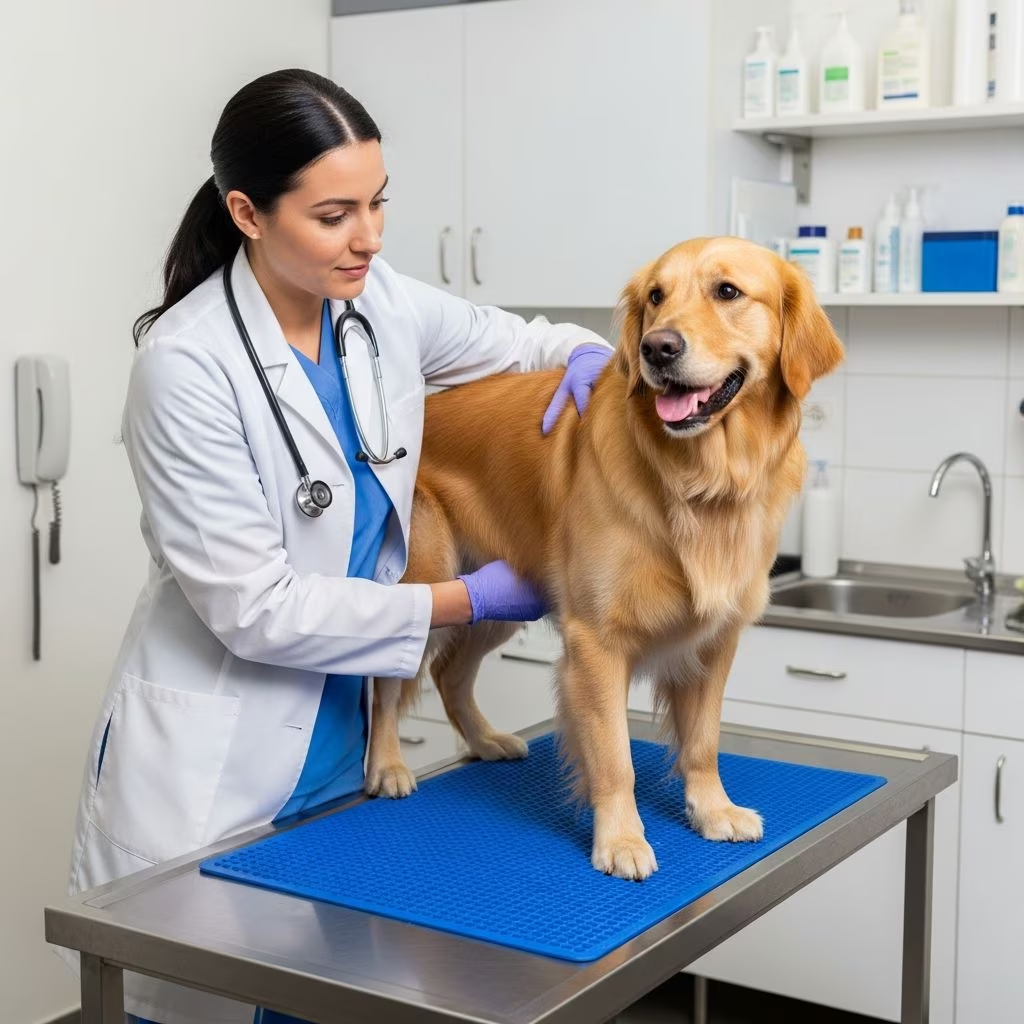
Phenylpropanolamine for Dogs: A Complete Treatment Guide
Urinary incontinence is a common condition affecting many dogs, particularly as they age. Phenylpropanolamine, commonly known by the brand name Proin, has become one of the most widely prescribed medications for managing this condition in veterinary medicine. This comprehensive guide explores everything pet owners and veterinarians need to know about phenylpropanolamine, from its mechanism of action to potential side effects and contraindications.
What is Phenylpropanolamine?
Phenylpropanolamine is a sympathomimetic amine medication that works by stimulating alpha-adrenergic receptors in the body. In veterinary medicine, phenylpropanolamine is used almost exclusively for the control of urinary incontinence in dogs and occasionally in cats. The FDA approved the first generic phenylpropanolamine hydrochloride chewable tablets on June 11, 2024, providing an alternative to the brand name product Proin, which was first approved on August 4, 2011.
Understanding Urinary Incontinence in Dogs
Urinary incontinence occurs when dogs lose their ability to control when they urinate. One of the most common causes is urethral sphincter hypotonus, a condition where the muscles controlling urination weaken over time. This typically happens as dogs age and the muscles in the urethra—the body part that leads from the bladder to outside the body—lose their tone and control over their ability to hold urine. Phenylpropanolamine helps address this issue by strengthening the muscles responsible for urinary control.
How Phenylpropanolamine Works
Phenylpropanolamine increases urethral resistance by enhancing muscular tone in the urethra through alpha-adrenergic stimulation. Analysis of urethral pressure profiles has demonstrated that phenylpropanolamine causes a significant increase in urethral resistance compared with controls. Studies have shown that dogs treated with phenylpropanolamine experience increased maximum urethral closure pressure and functional area, leading to improved continence. The medication’s effectiveness has been well-documented, with manufacturer-funded studies showing 91.3% of owners reporting satisfactory urinary continence by day 30 and 98.1% by day 180 at the standard dosage of 2 mg/kg twice daily.
Dosage and Administration
Phenylpropanolamine is available in multiple formulations and strengths to accommodate different dog sizes and treatment preferences. The standard administration protocol involves oral dosing at a total daily dose of 2 mg/kg (0.91 mg/lb) of body weight administered twice daily. Phenylpropanolamine hydrochloride chewable tablets are available in 25, 50, and 75 mg strengths in 60 and 180 count bottles. The tablets are scored, allowing dosage calculations in half-tablet increments for precise dosing based on individual dog weight.
Extended-release formulations (Proin ER) are also available, offering an alternative dosing schedule. Research has shown comparable efficacy between standard-release Proin tablets and extended-release formulations, with no significant difference in effectiveness during manufacturer-funded studies with 107 dogs.
Interestingly, some research has suggested that single daily dosing at 1.5 mg/kg bodyweight can produce greater increases in urethral pressure values compared to multiple daily administrations. However, the standard twice-daily protocol remains the most commonly recommended approach in veterinary practice.
Prescription Requirements
Phenylpropanolamine hydrochloride chewable tablets are only available by prescription from a licensed veterinarian. This requirement exists because professional veterinary expertise is needed to properly diagnose the underlying cause of urinary incontinence and determine whether phenylpropanolamine is an appropriate treatment option. Your veterinarian must evaluate your dog’s specific condition before initiating therapy.
Potential Side Effects
While phenylpropanolamine is generally considered safe when used at recommended dosages, pet owners should be aware of potential side effects that may occur during treatment. Common side effects include:
- Vomiting and diarrhea
- Loss of appetite or anorexia
- Increased thirst
- Restlessness and irritability
- Difficulty urinating
- Weight loss greater than 5%
- Anxiety or behavioral changes
- Excessive salivation
- Lethargy or tiredness
More serious but less common side effects may include seizures, sudden collapse, or death, though these are rare and typically associated with preexisting conditions or overdose situations.
Blood Pressure Concerns
One of the most significant considerations with phenylpropanolamine therapy is its potential to elevate blood pressure. Both independently conducted studies and manufacturer safety studies have demonstrated a significant increase in hypertension with a compensatory decrease in heart rate in dogs receiving phenylpropanolamine. One case report has associated long-term use of phenylpropanolamine with the development of ventricular hypertrophy, making blood pressure monitoring essential during treatment.
Because of these cardiovascular effects, phenylpropanolamine should be used with caution in dogs with certain preexisting conditions, including glaucoma, enlarged prostate, hyperthyroidism, diabetes, or high blood pressure. Pets on phenylpropanolamine therapy should have their blood pressure closely monitored, and if significant hypertension is noted, therapy with an alternative agent should be considered.
Laboratory and Hematologic Considerations
Dogs receiving phenylpropanolamine may experience laboratory abnormalities detected during routine blood work. Studies have documented significant elevations in platelet counts, alanine aminotransferase (ALT), and lactate dehydrogenase in dogs receiving higher dosing protocols. Additionally, some dogs have shown increased blood urea nitrogen (BUN), increased creatinine levels, increased alkaline phosphatases, and increased total cholesterol. Regular veterinary check-ups and periodic blood work can help detect these changes early.
Drug Interactions and Contraindications
Therapy with phenylpropanolamine may interact with other medications, potentially increasing the risk of adverse effects. Special consideration should be taken when prescribing phenylpropanolamine concurrently with:
- NSAIDs (nonsteroidal anti-inflammatory drugs)
- Reserpine
- Tricyclic antidepressants
These combinations may increase the risk of hypertension and warrant careful monitoring or consideration of alternative treatments.
Dogs with behavioral concerns require special consideration before phenylpropanolamine prescription, as the medication can cause agitation, restlessness, and anxiety in some animals.
Clinical Efficacy and Long-Term Outcomes
Clinical research has demonstrated significant efficacy of phenylpropanolamine in treating urinary incontinence, particularly in female dogs with urethral sphincter insufficiency (USMI). Studies have reported long-term continence achievement in the majority of treated dogs, with one study showing successful outcomes in 8 out of 9 bitches receiving a single daily dose. Phenylpropanolamine has also been shown to be significantly more effective than pseudoephedrine—a similar analog—at increasing maximum urethral closure pressure and functional area as well as overall continence scores.
However, some dogs may not respond adequately to medical management. Dogs that fail to respond to phenylpropanolamine may require surgical intervention or alternative treatment approaches.
Special Considerations for Dosing Frequency
An interesting aspect of phenylpropanolamine pharmacology is that plasma concentration and urethral resistance increase significantly 2 hours after administration and progressively decrease to reach baseline values after approximately 24 hours in healthy dogs. The maximum plasma concentration is typically reached 2 hours after administration with a half-life of approximately 4 hours. Despite this relatively short half-life, bitches remain continent between phenylpropanolamine administrations during single daily administration protocols, though the exact mechanism for this phenomenon remains unclear and requires further investigation.
Monitoring During Treatment
Regular veterinary monitoring is essential for dogs receiving phenylpropanolamine therapy. Recommended monitoring includes:
- Blood pressure assessment at baseline and regularly during treatment
- Periodic blood work to evaluate for hematologic and biochemical abnormalities
- Observation for behavioral changes or signs of agitation
- Assessment of urinary continence and any changes in symptoms
- Evaluation of appetite and gastrointestinal function
Alternative Treatment Options
If dogs experience unacceptable side effects or develop resistance to phenylpropanolamine therapy, alternative treatment options may be considered. These may include surgical intervention, other pharmacologic agents, or combined therapeutic approaches. Any changes in treatment should be made under veterinary supervision.
Frequently Asked Questions
Q: How long does it take for phenylpropanolamine to work?
A: Many dogs show improvement within the first few days to weeks of treatment. Manufacturer studies reported that 91.3% of owners observed satisfactory urinary continence by day 30 and 98.1% by day 180 at the standard dosage.
Q: Can phenylpropanolamine be used in cats?
A: While phenylpropanolamine is used almost exclusively for dogs, it is occasionally prescribed for cats with urinary incontinence. Dosage and monitoring requirements may differ, so veterinary guidance is essential.
Q: What should I do if my dog misses a dose?
A: If a dose is missed, administer it as soon as you remember unless it is nearly time for the next scheduled dose. Never double-dose to make up for a missed dose. Consult your veterinarian for specific instructions.
Q: Can phenylpropanolamine be used in male dogs?
A: While phenylpropanolamine can technically be used in male dogs, studies have shown no significant improvement in male dogs when accounting for a sex effect. The medication is primarily used in female dogs with urethral sphincter insufficiency.
Q: What are the signs that phenylpropanolamine isn’t working?
A: If your dog continues to have frequent urinary accidents after several weeks of treatment, contact your veterinarian. They may need to adjust the dose, try a different formulation, or explore alternative treatment options.
Q: Is it safe to combine phenylpropanolamine with other medications?
A: Some medications may interact with phenylpropanolamine, increasing the risk of side effects like hypertension. Always inform your veterinarian about all medications your dog is taking before starting phenylpropanolamine.
Q: How often should my dog’s blood pressure be monitored?
A: Blood pressure monitoring should occur at baseline before starting treatment and regularly during therapy. The frequency of monitoring depends on your individual dog’s response and risk factors, which your veterinarian will determine.
References
- FDA Approves First Generic Phenylpropanolamine Hydrochloride Chewable Tablets for Use in Dogs — U.S. Food and Drug Administration. 2024-06-11. https://www.fda.gov/animal-veterinary/cvm-updates/fda-approves-first-generic-phenylpropanolamine-hydrochloride-chewable-tablets-use-dogs
- Clinical evaluation of a single daily dose of phenylpropanolamine in dogs with urethral sphincter mechanism incompetence — National Center for Biotechnology Information / PubMed Central. 2011. https://pmc.ncbi.nlm.nih.gov/articles/PMC3078002/
- Phenylpropanolamine for Urinary Incontinence — Today’s Veterinary Practice. https://todaysveterinarypractice.com/pharmacology/phenylpropanolamine-for-urinary-incontinence/
- PHENYLPROPANOLAMINE — Mar Vista Animal Medical Center. https://www.marvistavet.com/phenylpropanolamine.pml
- Proin for Dogs: Uses, Dosage, Side Effects — GoodRx. https://www.goodrx.com/pet-health/dog/proin



