
Phenolic Antiseptics in Veterinary Practice
Exploring the efficacy, applications, and safety of phenol-based compounds for animal disinfection and wound care.
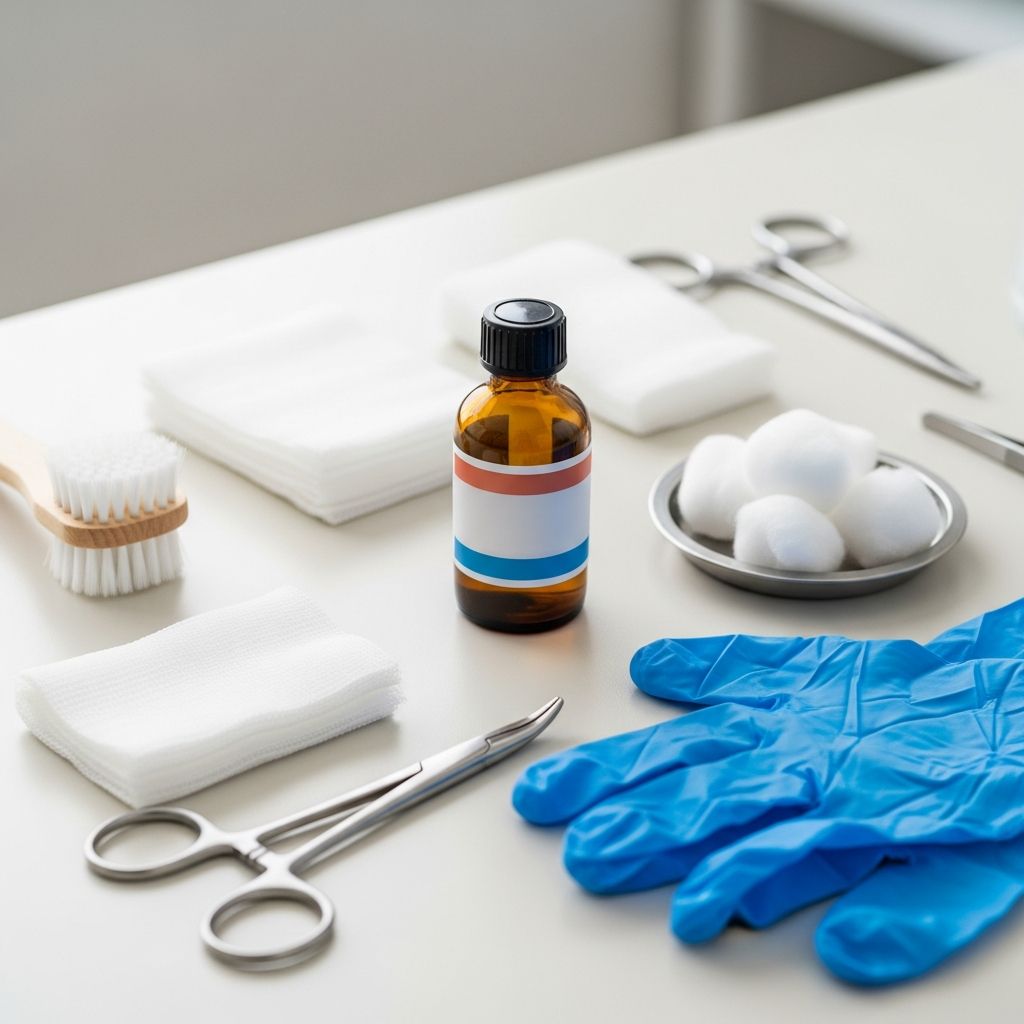
Phenolic compounds have long served as cornerstone agents in veterinary disinfection and antisepsis, leveraging their broad-spectrum antimicrobial properties to maintain hygiene in animal environments. These chemicals, derived from phenol, disrupt microbial cell structures effectively, though their use demands careful consideration due to toxicity profiles.
Historical Evolution and Core Chemistry
The journey of phenolic substances in disinfection traces back centuries, initially applied as wound dressings in the 17th century before evolving into structured veterinary tools. Modern derivatives like alkyl and halogenated phenols offer refined efficacy while mitigating some raw phenol’s harshness. At their core, these agents possess both hydrophilic and lipophilic traits, enabling penetration through organic matter and cell membranes alike. Concentrations as low as 0.1-1% exhibit bacteriostatic effects, escalating to bactericidal and fungicidal action at 1-2%, with 5% solutions capable of annihilating anthrax spores in 48 hours under optimal conditions.
Environmental factors profoundly influence performance: efficacy peaks in warm temperatures and with chelators like EDTA, but wanes in alkaline settings, cold conditions, or amid lipids and soaps. This dual nature underscores their utility in contaminated veterinary settings, where pre-cleaning remains advisable despite inherent organic tolerance.
Mechanisms of Antimicrobial Action
Phenolics exert their power by denaturing proteins, disrupting enzymes, and compromising cell walls, particularly potent against Gram-positive bacteria via membrane breach and inactivation. They demonstrate virucidal activity against enveloped viruses like influenza but falter against non-enveloped ones and spores. Derivatives tailor this action: bisphenols provide residual bacteriostatic effects against Gram-positives, while halogenated versions target cell disruption.
- Protein Denaturation: Primary mode, rendering enzymes non-functional.
- Membrane Permeabilization: Lipophilic entry facilitates leakage of cellular contents.
- Organic Matter Penetration: Maintains activity in soiled environments, ideal for farms.
Key Derivatives and Their Profiles
Veterinary practice favors substituted phenols over pure forms to balance potency and safety. Ortho-phenylphenol (OPP) stars in surface disinfectants, excelling against Mycobacterium tuberculosis and formulated solo or combined for broad use. Its sodium phenate variant suits preservation due to solubility.
| Derivative | Primary Activity | Veterinary Use | Limitations |
|---|---|---|---|
| Hexachlorophene | Bacteriostatic on Gram-positives, residual effect | Skin prep (limited) | Irritant on broken skin, photosensitivity |
| Parachlorometaxylenol (PCMX) | Gram-positive kill, enveloped viruses | Combined formulations | Weak on Gram-negatives, cat toxicity |
| o-Phenylphenol (OPP) | Tuberculocidal, broad surface disinfection | Hospital-grade cleaners | pH/soap sensitive |
| Triclosan | Bacterial resistance concerns | Hand hygiene (declining) | Promotes resistance |
Specialized products like PREVENTOL VET 100 (CMK, BP, OPP blend) target veterinary hard surfaces, uniquely combating roundworms and coccidia oocysts. PHENOLVET, with p-tert butyl phenol, offers one-step cleaning-disinfecting for poultry and swine facilities.
Applications in Animal Healthcare
Environmental Disinfection
In livestock barns, poultry houses, and kennels, phenolics disinfect non-porous surfaces against bacteria, fungi, and parasites. PREVENTOL VET 100 and PHENOLVET excel in swine, turkey, and poultry settings, providing non-flammable, soluble solutions for routine prophylaxis. They penetrate biofilms in cooling towers and equipment, curbing slimicides in paper-related animal feed processes.
Wound Management and Topical Use
For superficial wounds, dilute phenolics treat infections, though pure phenol’s corrosiveness limits it. Derivatives feature in foot treatments for athlete’s foot analogs in animals and antiparasitic washes, leveraging laxative effects for deworming. Caution prevails on mucous membranes due to absorption risks.
Facility and Equipment Sterilization
Veterinary clinics employ phenolic cold sterilants for instruments, with OPP-based formulas standard in tuberculocidal needs. Industrial extensions include food processing gear and lab decontaminants.
Safety Concerns and Toxicity Risks
Despite efficacy, phenolics pose significant hazards, especially to cats deficient in UDP-glucuronosyl transferase, impairing phenol detoxification and risking severe poisoning from residues. Even essential oil phenolics trigger this vulnerability. General risks include dermatitis, photosensitivity, and corrosiveness above 0.5-5%.
- Feline Prohibition: Avoid entirely in cat environments.
- Human Handling: Gloves mandatory; inhalation irritant.
- Environmental: Biodegradable yet reactive, yielding by-products.
OPP rates moderately toxic, potentially carcinogenic indirectly, while triclosan fosters resistance. Safety grades remain low (D profile).
Comparative Efficacy and Alternatives
Phenolics grade B for cleaning in organics but lag against spores and non-enveloped viruses. Alternatives shine:
| Disinfectant | Strengths | Vs. Phenolics |
|---|---|---|
| Potassium Peroxymonosulfate | Parvovirus, FCV kill; broad virucidal | Less toxic, corrosive risk |
| Quaternary Ammoniums (QACs) | Bactericidal | Resistance concerns; avoid cats |
| Peracetic Acid-Ethanol | Enveloped/non-enveloped viruses | Faster, less residue |
| Silver/UV | Future tech, non-chemical | Emerging, equipment-based |
Hand sanitizers with ethanol or triclosan outperform against FCV at low pH. Bacterial adaptation to QACs heightens cross-resistance worries.
Best Practices for Veterinary Implementation
Optimize use: dilute per label, ensure 5-10 minute contact, pre-clean heavily soiled areas. Test compatibility to avert corrosion. In multi-species facilities, segregate feline zones. Monitor for resistance via rotation with oxidizers.
- Assess surface and pathogen target.
- Select derivative matching needs (e.g., oocyst-active for poultry).
- Apply post-cleaning, rinse if food-contact.
- Ventilate; protect sensitive animals.
Regulatory and Future Outlook
Regulations curb volatile phenols, favoring safer derivatives. Research pivots to resistance-mitigating combos and eco-friendly oxidizers. Silver and UV promise chemical-free futures. Phenolics endure in niches demanding organic penetration.
Frequently Asked Questions (FAQs)
Are phenolic disinfectants safe for cats?
No, due to metabolic deficiency causing toxicity; opt for alternatives like accelerated hydrogen peroxide.
Can phenolics kill parvovirus?
Limited efficacy; prefer peroxymonosulfate for 10-minute exposure.
How do I dilute phenolic cleaners?
Follow product specifics, typically 1:100-1:256 for surfaces, ensuring proper contact time.
Do phenolics work on farm equipment?
Yes, excellent for non-porous livestock gear against bacteria and oocysts.
What neutralizes phenolic residues?
Water rinses suffice post-contact; avoid soaps diminishing activity.
References
- Phenolic Compounds — Basicmedical Key. 2016. https://basicmedicalkey.com/phenolic-compounds/
- Phenols — Veterinary Surgery Online. N/A. https://www.vetsurgeryonline.com/phenols/
- Phenol Cleaning: The Historic Disinfectant’s Modern Role — Elchemy. N/A. https://elchemy.com/blogs/intermediates-solvents/phenol-cleaning-the-historic-disinfectants-modern-role-and-safety-concerns
- PREVENTOL VET 100 — Lanxess. N/A. https://lanxess.com/en/products-and-brands/products/p/preventol–vet-100
- Phenolvet — Biovac. N/A. https://biovac.co.il/product/phenolvet/
- Disinfectant choices in veterinary practices, shelters and households — PMC (NCBI). 2024. https://pmc.ncbi.nlm.nih.gov/articles/PMC11148928/
- Disinfectant Report Card: Phenols — Virox Farm Animal. 2016-03-29. https://www.viroxfarmanimal.com/disinfectant-report-card-phenols
Similar Articles








Read full bio of Sneha Tete


