

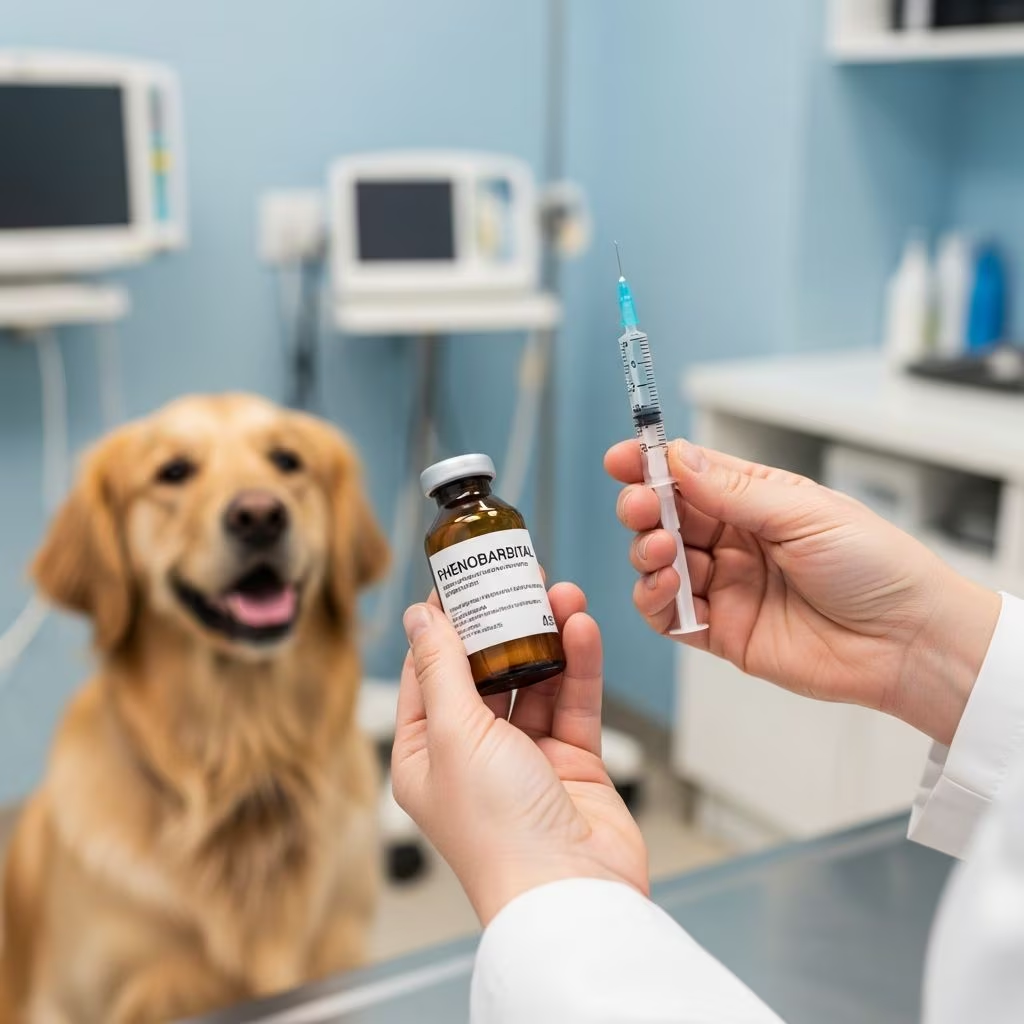
Understanding Phenobarbital for Pets
Phenobarbital is one of the most commonly prescribed anticonvulsant medications used in veterinary medicine to manage seizures in dogs and cats. This barbiturate medication has been used for decades and remains a first-line treatment option for canine and feline epilepsy. Phenobarbital works by enhancing the activity of inhibitory neurotransmitters in the brain, thereby reducing the electrical activity that leads to seizures. Pet owners should understand how this medication works, how it is dosed, and what monitoring is necessary to ensure their pets receive safe and effective treatment.
What is Phenobarbital and How Does It Work?
Phenobarbital is a long-acting barbiturate that functions as a central nervous system depressant. In pets with seizure disorders, the medication stabilizes neuronal membranes and increases the seizure threshold, making it more difficult for abnormal electrical activity to trigger a seizure event. The medication is particularly effective for dogs and cats with idiopathic epilepsy, which is epilepsy without an identifiable underlying cause.
The primary advantage of phenobarbital is its long elimination half-life, which allows the medication to remain in the bloodstream at stable therapeutic levels for extended periods. This characteristic means that phenobarbital only needs to be administered twice daily in most cases, rather than more frequently. The medication is rapidly absorbed when given orally, reaching maximal blood concentration within 4 to 8 hours of administration.
Uses of Phenobarbital in Veterinary Medicine
While phenobarbital is primarily known for treating epilepsy, veterinarians may prescribe it for several conditions in dogs and cats:
- Idiopathic Epilepsy: The most common indication, used to prevent and control recurring seizures
- Symptomatic Epilepsy: Seizures caused by identifiable brain conditions such as tumors or infections
- Status Epilepticus: A life-threatening condition involving continuous or rapidly recurring seizures
- Cluster Seizures: Multiple seizures occurring within a short time period
- Post-traumatic Seizures: Seizures resulting from head injuries
Dosage Guidelines for Dogs and Cats
Proper dosing of phenobarbital is critical for effective seizure control while minimizing adverse effects. The dosage must be individualized based on each pet’s weight, seizure frequency, and response to treatment.
Dosage for Dogs
The typical starting dose of phenobarbital for dogs is 2 to 4 milligrams per kilogram of body weight, administered orally twice daily (every 12 hours). Many veterinarians begin therapy at the lower end of this range and gradually increase the dose based on seizure control and blood level measurements. In some cases, particularly when immediate seizure control is needed, a loading dose of 15 to 20 mg/kg may be given intravenously, intramuscularly, or orally as a single dose or divided doses.
For dogs presenting with status epilepticus or cluster seizures, higher loading doses ensure rapid achievement of therapeutic blood levels. The maintenance dose may be increased up to 8 mg per pound (approximately 16 mg/kg) per day if seizures are not adequately controlled, though this should only be done under veterinary supervision.
Dosage for Cats
Cats typically require higher doses of phenobarbital than dogs on a per-kilogram basis. The standard starting dose for feline patients is 7.5 to 15 mg per cat every 12 hours. Cats may metabolize the medication differently than dogs, and individual variation in drug metabolism is even more pronounced in this species. Careful monitoring and dose adjustment are essential for feline patients.
How Phenobarbital is Supplied
Phenobarbital is available in multiple pharmaceutical formulations to accommodate different pet administration needs and preferences:
- Tablets: Available in various strengths, often measured in grains (where 1 grain equals approximately 60 mg) as well as milligrams (1/4 grain, 1/2 grain, 1 grain tablets, and 100 mg tablets)
- Capsules: Useful for pets that prefer this form of administration
- Oral Liquids (Elixirs): Available in various concentrations, ideal for young animals, geriatric pets, or those with difficulty swallowing tablets
- Compounded Formulations: Pet pharmacies can compound phenobarbital into pastes, oral liquids, or chewable tablets customized for individual pets
- Injectable Solutions: Available as 65 mg/ml and 130 mg/ml preparations for intravenous, intramuscular, or oral loading doses
Administration Instructions
Proper administration of phenobarbital is essential for maintaining consistent therapeutic blood levels and preventing breakthrough seizures. Pet owners should follow these guidelines carefully:
Timing and Frequency
Phenobarbital is most commonly given twice daily, approximately 12 hours apart. Some dogs may benefit from a three-times-daily regimen, which can be determined by your veterinarian based on individual response and blood level monitoring. Maintaining a consistent schedule is absolutely critical; missing even a single dose can compromise seizure control and potentially trigger a breakthrough seizure.
With or Without Food
Phenobarbital can be administered with or without food. However, giving the medication with food may reduce the risk of gastrointestinal upset, particularly in pets with sensitive digestive systems. Consistency in administration method helps maintain stable blood levels.
Missed Doses
If you miss a dose, administer it as soon as you remember unless it is close to the next scheduled dose time. Never double up on doses. Contact your veterinarian if you are unsure about what to do regarding a missed dose.
Initial Therapeutic Response Timeline
Phenobarbital requires time to reach steady-state therapeutic levels in the bloodstream. This typically occurs after 10 to 14 days of regular administration. You may notice initial improvement in seizure control sooner, but full therapeutic effects may not be evident for several weeks. This is why initial loading doses are sometimes used to accelerate therapeutic blood level achievement.
Monitoring and Blood Level Testing
Regular veterinary monitoring is absolutely essential when your pet is taking phenobarbital. Blood level monitoring ensures that your pet is receiving an optimal dose for seizure control while minimizing the risk of adverse effects.
Ideal Therapeutic Blood Levels
The ideal phenobarbital blood concentration for seizure control in dogs is between 15 and 35 micrograms per milliliter (μg/mL). This therapeutic range provides optimal seizure control for most patients while minimizing sedation and other side effects.
Testing Schedule
Your veterinarian will recommend a blood testing schedule that typically includes:
- Initial baseline blood work before starting phenobarbital to assess liver and kidney function
- Blood test approximately 2 weeks after starting phenobarbital to assess initial blood levels
- Blood test approximately 2 weeks after any dose adjustment
- Periodic monitoring every 6 to 12 months once the medication is working well and therapeutic levels are established
- Additional testing if seizures break through or if adverse effects develop
Why Blood Testing Matters
Individual pets metabolize phenobarbital at different rates. Some dogs and cats metabolize the medication more rapidly, requiring higher doses or more frequent administration to maintain therapeutic levels. Others metabolize it more slowly, potentially leading to drug accumulation. Blood level measurement is the only way to determine if your pet’s dose is appropriate, helping your veterinarian make informed decisions about dose adjustments.
Potential Side Effects and Adverse Reactions
While phenobarbital is generally well-tolerated, like all medications it can produce side effects. Most side effects are dose-related and may decrease over time as the body adjusts to the medication.
Common Side Effects
Sedation and Lethargy: This is the most frequently reported side effect. Pets may appear drowsy or less active, particularly when therapy is initiated or when doses are increased. This often improves as the body adjusts.
Increased Appetite: Many pets on phenobarbital experience increased hunger and may gain weight. Monitoring food intake and providing appropriate exercise can help manage this side effect.
Increased Thirst and Urination: Polydipsia (increased drinking) and polyuria (increased urination) are common side effects that should be monitored.
Gastrointestinal Effects: Some pets may experience nausea, vomiting, or diarrhea. Administering phenobarbital with food may help alleviate these symptoms.
Serious Adverse Effects
Liver Complications: Long-term phenobarbital use can affect liver function. This is why periodic liver enzyme monitoring is recommended. In rare cases, serious hepatotoxicity may develop.
Ataxia: Loss of coordination or balance may occur, particularly in cats or when doses are excessive.
Hematologic Changes: Phenobarbital may affect blood cell production, potentially leading to anemia or other blood disorders with prolonged use.
Important Drug Interactions and Considerations
Phenobarbital may interact with other medications your pet is taking. Always inform your veterinarian about all medications, supplements, and herbal products your pet receives. Phenobarbital can be used in combination with other seizure medications when monotherapy (single drug therapy) does not provide adequate seizure control, but careful monitoring is necessary.
Frequently Asked Questions About Phenobarbital
Q: How quickly does phenobarbital work?
A: Phenobarbital is absorbed fairly rapidly when given orally, reaching maximum blood concentration within 4 to 8 hours. However, steady-state therapeutic levels take 10 to 14 days to achieve. Most pets show noticeable improvement in seizure control within 1 to 4 weeks of starting therapy. For emergency situations, intravenous or intramuscular administration provides faster therapeutic effects.
Q: Can phenobarbital be given with other seizure medications?
A: Yes, phenobarbital can be combined with other anticonvulsant medications such as levetiracetam, bromide, or imepitoin when single-drug therapy does not provide adequate seizure control. Your veterinarian will determine the best combination and monitor your pet carefully.
Q: What should I do if my pet has a seizure while on phenobarbital?
A: Contact your veterinarian immediately. Breakthrough seizures while on phenobarbital may indicate inadequate blood levels, improper administration, or other underlying issues. Your veterinarian may recommend blood level testing and dose adjustments.
Q: Can phenobarbital be stopped abruptly?
A: No, phenobarbital should never be stopped suddenly. Abrupt discontinuation can trigger status epilepticus or other serious complications. If discontinuation is necessary, your veterinarian will develop a gradual tapering schedule.
Q: How long will my pet need to take phenobarbital?
A: Most pets with epilepsy require long-term or lifelong phenobarbital therapy. The duration depends on the underlying cause of seizures, your pet’s response to treatment, and the development of any adverse effects. Your veterinarian will work with you to determine the best long-term management plan.
Q: Are there alternative seizure medications if phenobarbital doesn’t work or causes side effects?
A: Yes, several alternative anticonvulsant medications are available, including levetiracetam, bromide, imepitoin, gabapentin, pregabalin, and felbamate. Your veterinarian can discuss these options if phenobarbital is ineffective or poorly tolerated.
Cost and Availability
Phenobarbital is an affordable medication and is widely available at both human and veterinary pharmacies. The cost is typically reasonable, making it accessible for most pet owners. Many pet pharmacies can also compound phenobarbital into customized formulations if standard tablets or liquids are not suitable for your pet. Your veterinarian can provide guidance on obtaining phenobarbital through the most appropriate pharmacy for your situation.
Conclusion
Phenobarbital remains one of the most effective and widely used treatments for seizures in dogs and cats. When properly dosed, monitored, and administered, it can significantly improve quality of life for pets with epilepsy by reducing seizure frequency and severity. Success with phenobarbital requires close collaboration with your veterinarian, consistent medication administration, regular blood monitoring, and careful attention to any side effects. By understanding how this medication works and following your veterinarian’s recommendations, you can help your pet achieve optimal seizure control and maintain a good quality of life.
References
- What to Know About Phenobarbital for Dogs — WebMD. Accessed November 2025. https://www.webmd.com/pets/dogs/what-to-know-about-phenobarbital-for-dogs
- Phenobarbital for Dogs and Cats — PetPlace. Accessed November 2025. https://www.petplace.com/article/drug-library/drug-library/library/phenobarbital-for-dogs-and-cats
- Phenobarbital For Dogs: Side Effects and Dosage — GoodRx. Accessed November 2025. https://www.goodrx.com/pet-health/dog/phenobarbital-for-seizures-dogs
- Treatment Plans for Routine and Refractory Canine Epilepsy — Today’s Veterinary Practice. Accessed November 2025. https://todaysveterinarypractice.com/neurology/treatment-plans-for-routine-and-refractory-canine-epilepsy/
- Phenobarbital for Dogs: Uses, Side Effects, and Alternatives — American Kennel Club. Accessed November 2025. https://www.akc.org/expert-advice/health/phenobarbital-for-dogs/
- Phenobarbital for Dogs and Cats: Medication — PetMD. Accessed November 2025. https://www.petmd.com/pet-medication/phenobarbital-dogs-and-cats
- Phenobarbital — Movement Referrals Veterinary Neurology. Accessed November 2025. https://www.movementvets.co.uk/services/neurology/brain-disease/epilepsy/epilepsy/phenobarbital/



