

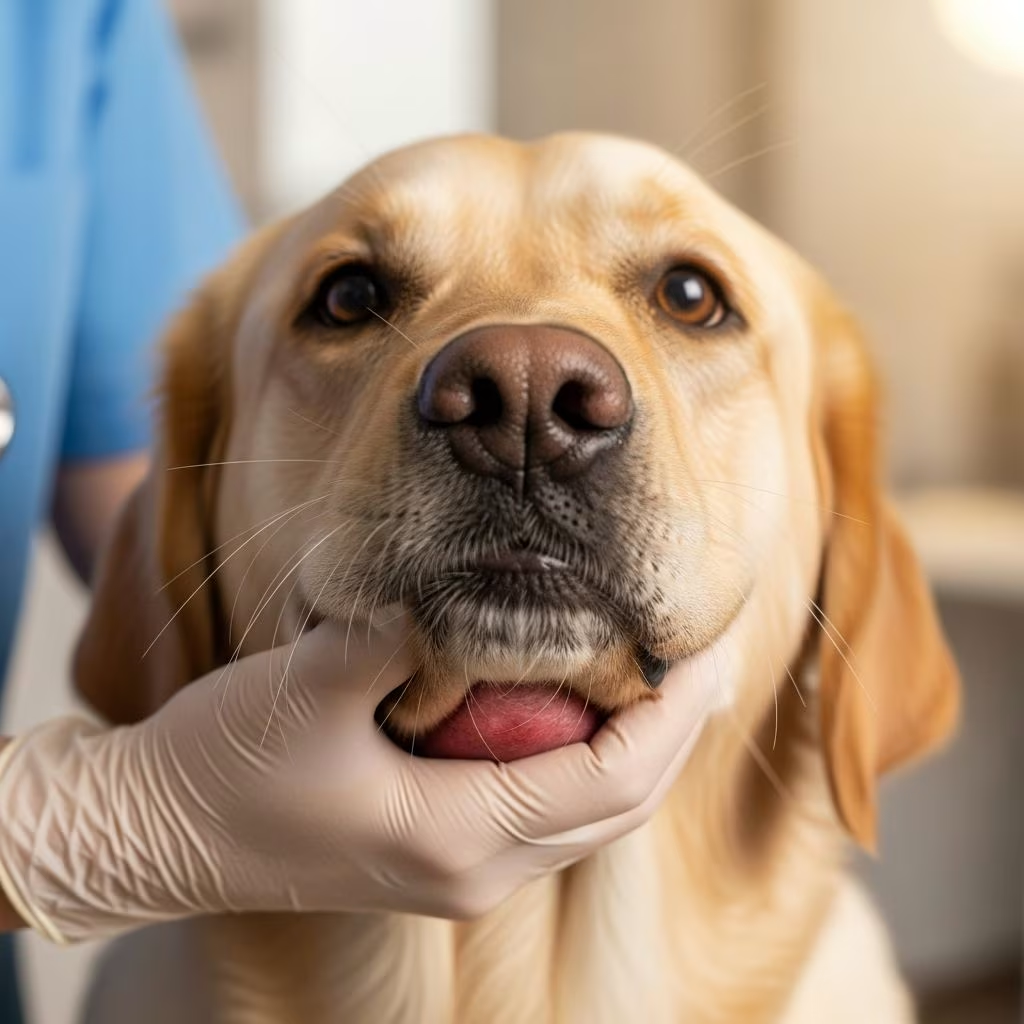
Pharyngitis refers to the inflammation of the pharynx, the muscular region at the back of a dog’s mouth that connects the nasal cavity, mouth, and esophagus to the larynx and trachea. This condition disrupts normal swallowing, breathing, and overall comfort in affected dogs. While often linked to infections, it can arise from various triggers, making prompt recognition and veterinary intervention essential for recovery.
Recognizing the Signs of Throat Inflammation in Canines
Dogs with pharyngitis typically display a range of discomfort signals that alert owners to potential issues. Early detection through observation can prevent complications like dehydration or secondary infections.
- Coughing and Gagging: Persistent dry coughs or retching motions occur as the irritated tissues provoke reflexive responses.
- Excessive Drooling: Increased saliva production, often with thickened or foul-smelling discharge, signals pain during swallowing.
- Difficulty Eating and Drinking: Reluctance to consume food or water stems from painful throat muscles, potentially leading to weight loss.
- Bad Breath and Fever: Halitosis accompanies bacterial overgrowth, while elevated temperature indicates systemic involvement.
- Lethargy and Voice Changes: Reduced activity levels and hoarse barks or whines reflect overall malaise.
These symptoms often intensify at night or after activity, mimicking other respiratory problems like kennel cough. Visual cues include red, swollen throat tissues visible during yawning or panting.
Common Triggers Behind Canine Pharyngitis
Understanding the root causes helps in prevention and targeted treatment. Pharyngitis rarely occurs in isolation and frequently accompanies broader health challenges.
| Cause Category | Examples | Prevalence |
|---|---|---|
| Infectious Agents | Bacterial invasions, viral illnesses like distemper or parainfluenza, kennel cough | Most common |
| Trauma and Foreign Bodies | Sticks, bones, porcupine quills, needles piercing the throat | Frequent in active dogs |
| Systemic Conditions | Kidney/liver failure, hypothyroidism, parvovirus, cancer | Less common but serious |
| Environmental Irritants | Smoke, dust, allergens, caustic substances | Seasonal or exposure-related |
| Oral Health Issues | Tonsillitis, gum disease, abscesses | Common in small breeds |
Bacterial infections thrive in damaged tissues, while viruses weaken defenses, allowing secondary invaders. Trauma from playful chewing introduces pathogens directly. Brachycephalic breeds face higher risks due to anatomical predispositions favoring lymphoid hyperplasia. Reflux from gastrointestinal issues can also erode pharyngeal linings over time.
How Veterinarians Diagnose Throat Issues in Dogs
Diagnosis begins with a thorough history and physical exam, focusing on throat visualization under sedation if needed. Vets employ multiple tools for accuracy.
- Physical Inspection: Checking for redness, swelling, abscesses, or foreign objects using a tongue depressor or endoscope.
- Imaging Techniques: Radiographs reveal structural abnormalities; CT/MRI scans detect tumors or deep abscesses.
- Laboratory Tests: Throat swabs culture bacteria; bloodwork screens for systemic diseases like organ failure.
- Biopsies: Fine-needle aspirations or tissue samples rule out neoplasia in persistent cases.
Differential diagnoses include laryngitis, tracheal collapse, or megaesophagus. Eliminating these ensures precise care plans.
Treatment Strategies for Effective Relief
Tailored therapies address underlying causes while alleviating symptoms. Most dogs respond well with multimodal approaches.
- Medications: Broad-spectrum antibiotics combat infections; anti-inflammatories and analgesics reduce swelling and pain.
- Surgical Interventions: Removal of foreign bodies or abscess drainage under anesthesia; tonsillectomy for obstructive cases in breeds like Bulldogs.
- Supportive Care: Soft foods, humidifiers, and hydration therapy prevent complications.
- Advanced Options: Chemotherapy/radiotherapy for tumors; antacids for reflux-related erosion.
Steroids provide rapid inflammation control, especially in reflux pharyngitis, breaking cycles of gagging and regurgitation. Prognosis is excellent for acute cases, with full recovery in days to weeks.
Supporting Your Dog at Home During Recovery
Pet owners play a crucial role in convalescence. Implement these measures under veterinary guidance.
- Offer warmed, moistened food in small, frequent meals to ease swallowing.
- Maintain a smoke-free, dust-low environment; use air purifiers if allergies suspected.
- Monitor for worsening signs like labored breathing, warranting immediate ER visits.
- Encourage rest; limit play to prevent throat strain.
- Administer prescribed meds precisely; probiotics may restore oral flora balance.
Home remedies like honey-laced broths soothe mildly but never replace professional treatment. Track weight and appetite daily.
Prevention Tips to Safeguard Your Dog’s Throat Health
Proactive steps minimize risks, particularly for vulnerable pups.
- Vaccinate against core viruses like distemper and parvovirus.
- Supervise chew sessions; avoid bones or sticks that splinter.
- Schedule routine dental cleanings to curb oral infections.
- Manage breed-specific issues, e.g., weight control in flat-faced dogs.
- Boost immunity via balanced nutrition and stress reduction.
Annual wellness exams catch subclinical issues early.
FAQs on Canine Pharyngitis
Can pharyngitis resolve without vet care?
Mild cases might, but risks of dehydration or spread demand professional evaluation.
Is pharyngitis contagious to humans?
Typically not; canine-specific pathogens rarely cross species.
How long does recovery take?
3-10 days with treatment; chronic forms longer.
Does breed affect susceptibility?
Yes, small and brachycephalic dogs prone to tonsillar issues.
Can diet influence throat health?
Irritating foods exacerbate; soft, anti-inflammatory diets help.
Recent Advances in Managing Throat Inflammation
Ongoing research explores immunomodulators, herbal antimicrobials, and microbiome therapies to reduce antibiotic reliance. Clinical trials test probiotics for flora restoration and novel sprays for localized relief. Immune response studies promise targeted vaccines against recurrent pathogens. These innovations aim for fewer side effects and faster healing, enhancing canine quality of life.
In summary, pharyngitis demands vigilant owner action. By spotting signs early and partnering with vets, dogs regain vitality swiftly. Stay informed to protect your furry companion.
References
- Pharyngitis in Dogs — PetCareRx. 2023. https://www.petcarerx.com/article/pharyngitis-in-dogs/3412
- Pharyngitis in Dogs – Dog Owners — MSD Veterinary Manual. 2024-01-15. https://www.msdvetmanual.com/dog-owners/lung-and-airway-disorders-of-dogs/pharyngitis-in-dogs
- Pharyngitis / tonsillitis in Dogs — Vetlexicon. 2023-05-20. https://www.vetlexicon.com/canis/respiratory/articles/pharyngitis-tonsillitis/
- Sore throat in dogs — Joii Pet Care. 2024. https://www.joiipetcare.com/blogs/health-symptoms/sore-throat-in-dogs
- Pharyngitis in dogs — PetsVetCheck. 2023-11-10. https://petsvetcheck.de/en/symptoms/dog/rachenentzuendung-pharyngitis/



