

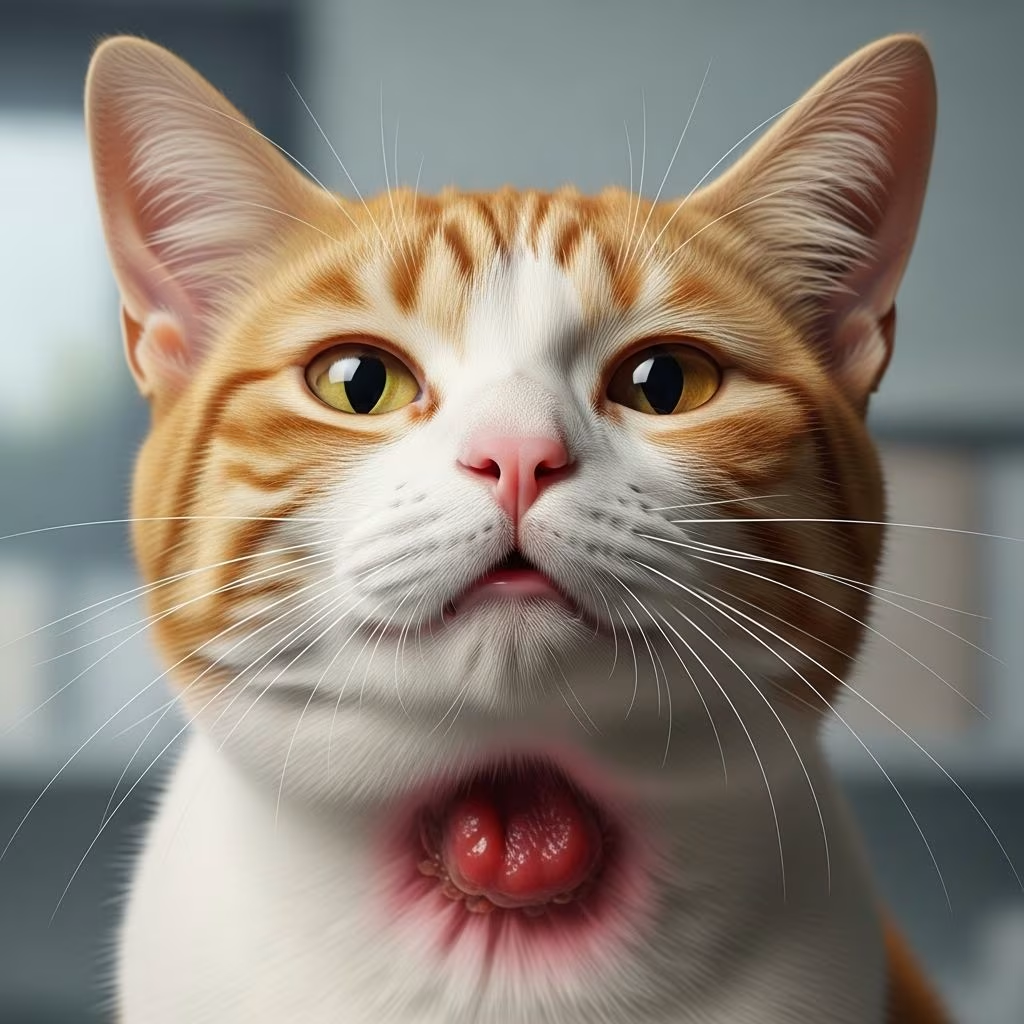
Throat inflammation, medically termed pharyngitis, affects the pharynx—the critical junction between a cat’s nasal passages, mouth, and esophagus. This condition disrupts normal swallowing, breathing, and eating, leading to significant discomfort for affected felines. While often linked to upper respiratory issues, pharyngitis can stem from diverse triggers, making early recognition vital for timely intervention.
Understanding the Anatomy of the Feline Throat
The pharynx serves as a muscular conduit that directs air to the larynx and trachea while channeling food to the esophagus. In cats, this area is lined with sensitive mucous membranes prone to swelling when irritated. Surrounding structures like the tonsils can also enlarge, exacerbating obstruction and pain. When inflamed, these tissues become red, swollen, and hypersensitive, impairing essential functions.
Primary Causes of Throat Inflammation in Cats
Pharyngitis rarely occurs in isolation; it typically accompanies broader health challenges. Identifying the root cause is essential for effective management.
- Viral Pathogens: Feline calicivirus and herpesvirus are leading culprits, often manifesting as part of upper respiratory infections (URIs) or ‘cat flu.’ These viruses provoke mucosal lesions and secondary inflammation.
- Bacterial Invaders: Organisms such as Pasteurella, Streptococcus, and Staphylococcus colonize the throat, especially post-viral weakening of defenses. Streptococci may trigger purulent lymph node involvement.
- Allergens and Irritants: Pollen, dust mites, smoke, household chemicals, or caustic ingestions irritate delicate tissues, sparking allergic responses or chemical burns.
- Trauma and Foreign Bodies: Swallowed needles, bones, plant awns, or rough play injuries lacerate the pharynx, inviting infection.
- Fungal and Other Infections: Though rarer, candidiasis or immunosuppressed states from FIV/FeLV heighten vulnerability.
- Neoplastic and Structural Issues: Tumors, nasopharyngeal polyps, or hyperplastic tonsils obstruct and inflame the area.
Predisposing factors include chronic mouth breathing from dental disease, ongoing URIs, or immunosuppression, which foster bacterial overgrowth and lymphoid hyperplasia.
Recognizing the Signs: Symptoms to Watch For
Cats mask pain adeptly, but pharyngitis signs are often unmistakable. Prompt observation prevents dehydration and weight loss.
| Symptom | Description | Severity Indicator |
|---|---|---|
| Difficulty Swallowing (Dysphagia) | Painful or hesitant eating/drinking; food drops from mouth | High—leads to anorexia |
| Excessive Drooling | Constant saliva drip, often foul-smelling | Moderate to high |
| Voice Changes or Hoarseness | Altered meow, raspy cries, or silence | Moderate—signals laryngitis overlap |
| Coughing, Gagging, Retching | Throat-clearing attempts; snorting | Moderate |
| Red, Swollen Throat | Visible on oral exam; tonsil eversion | High—abscess risk |
| Lethargy and Fever | Reduced activity, warm ears/nose | Variable—systemic involvement |
| Respiratory Distress | Noisy breathing, open-mouth panting | Emergency |
Additional clues include halitosis, nasal/ocular discharge, and pawing at the mouth. Severe cases may show orthopnea (labored breathing) or dehydration from fluid refusal.
How Veterinarians Diagnose Feline Pharyngitis
Diagnosis begins with a thorough history and physical exam, focusing on oral cavity inspection under restraint or sedation. Key steps include:
- Visualizing tonsils, pharyngeal walls for ulcers, pus, or foreign objects.
- Palpating submandibular lymph nodes for enlargement.
- Using rhinoscopy or laryngoscopy for deeper views.
- Sampling via swabs for cytology, culture, or PCR to detect viruses/bacteria.
- Imaging like radiographs or endoscopy to rule out polyps/tumors.
- Bloodwork to check for FeLV/FIV or systemic illness.
Differentiating from stomatitis, laryngitis, or esophageal issues ensures targeted therapy.
Treatment Strategies: From Medications to Supportive Care
Veterinary care prioritizes cause elimination, pain relief, and nutritional support. Tailored plans vary by etiology.
- Antimicrobials: Broad-spectrum antibiotics (e.g., amoxicillin-clavulanate) for bacterial cases; antivirals or interferons for viral.
- Anti-Inflammatories and Analgesics: Corticosteroids or NSAIDs reduce swelling; buprenorphine for pain.
- Surgical Interventions: Abscess drainage, foreign body removal, tonsillectomy if obstructive.
- Fluid and Nutritional Therapy: IV fluids, esophagostomy tubes for anorexic cats.
- Environmental Management: Humidification, soft/warm foods, irritant-free zones.
For chronic or neoplastic cases, chemotherapy/radiotherapy may apply. Prognosis excels with early treatment, though recurrent URIs demand vaccination/boosters.
Home Care Tips for Cats Recovering from Throat Issues
Support vet protocols with these measures:
- Offer warmed, pate-style foods or broths to ease swallowing.
- Maintain humidity via steam sessions (bathroom showers) to loosen mucus.
- Ensure clean bowls, litter, and dust-free air.
- Monitor weight daily; tempt with lysine treats for viral support.
- Prevent stress—confine to quiet areas.
Avoid OTC human meds, as they toxify cats.
Preventing Pharyngitis: Proactive Steps for Cat Owners
Minimize risks through:
- Core vaccinations against calicivirus/herpesvirus.
- FeLV/FIV testing and indoor living.
- Routine dental checks to curb oral bacteria.
- Smoke/chemical-free homes.
- Parasite control to avert secondary infections.
Annual wellness exams catch predispositions early.
When to Seek Emergency Veterinary Care
Rush to ER if your cat exhibits open-mouth breathing, blue gums, collapse, or prolonged anorexia (>24 hours). These signal life-threatening obstruction or sepsis.
Frequently Asked Questions (FAQs)
What does a sore throat look like in cats?
Red, swollen pharyngeal tissues, drooling, and reluctance to eat; visible on gentle mouth opening.
Can pharyngitis resolve without antibiotics?
Viral cases may self-limit with support, but bacterial often require meds to prevent abscesses.
Is cat pharyngitis contagious?
Yes, if viral/bacterial; isolate and vaccinate household cats.
How long does recovery take?
Acute cases: 7-14 days; chronic may persist weeks with ongoing care.
Can diet cause throat inflammation?
Yes, allergies to ingredients or sharp kibble can irritate.
Long-Term Management for Recurrent Cases
Cats with frequent pharyngitis may need immune boosters, allergy testing, or dental extractions. Monitor for underlying FIV/FeLV, as these perpetuate cycles. Regular vet follow-ups track resolution.
Pharyngitis, though distressing, is manageable with vigilance. Empower yourself with knowledge to safeguard your cat’s throat health.
References
- Pharyngitis in Cats: Causes, Symptoms, and Treatment — PetCareRx. 2023. https://www.petcarerx.com/article/pharyngitis-in-cats-causes-symptoms-and-treatment/6775
- Pharyngitis in Cats – Cat Owners – MSD Veterinary Manual — MSD Veterinary Manual. 2024-01-15. https://www.msdvetmanual.com/cat-owners/lung-and-airway-disorders-of-cats/pharyngitis-in-cats
- Pharyngitis / tonsillitis in Cats (Felis) — Vetlexicon. 2023-05-20. https://www.vetlexicon.com/felis/respiratory/articles/pharyngitis-tonsillitis/
- Sore throat in cats | Health A-Z — Joii Pet Care. 2024. https://www.joiipetcare.com/blogs/health-symptoms/sore-throat-in-cats
- Feline Upper Respiratory Infection — VCA Animal Hospitals. 2023-11-10. https://vcahospitals.com/know-your-pet/feline-upper-respiratory-infection



