
Pharyngitis In Animals: Causes, Signs, Treatment Guide
Comprehensive guide to understanding, diagnosing, and managing throat inflammation across various animal species for better pet health outcomes.
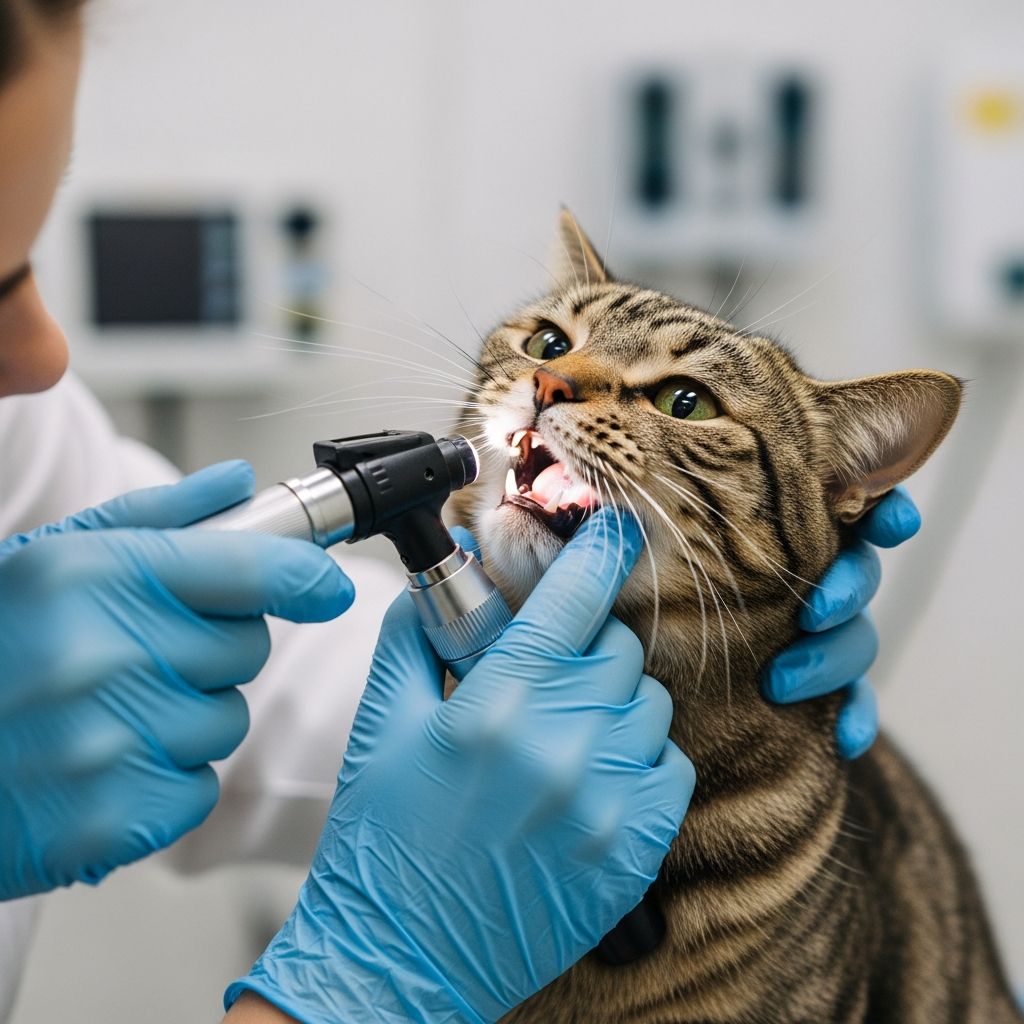
Pharyngitis refers to the inflammation of the pharynx, the critical junction between the nasal and oral cavities and the esophagus in animals. This condition disrupts normal swallowing, breathing, and overall comfort, often stemming from infections, irritants, or trauma. Across species like dogs, cats, horses, and foals, recognizing and addressing pharyngitis promptly is vital to prevent severe complications such as abscesses or respiratory distress.
Defining the Pharynx and Its Role in Animal Physiology
The pharynx serves as a muscular conduit for air, food, and water in animals. In carnivores like dogs and cats, it facilitates the passage from the mouth to the larynx and esophagus. Horses possess a more elongated pharynx adapted for grazing, making it susceptible to lymphoid changes. Inflammation here impairs these functions, leading to pain and inefficiency in daily activities.
Primary Causes of Pharyngeal Inflammation
Pharyngitis arises from diverse triggers, categorized into infectious, environmental, and mechanical factors. Understanding these helps in targeted prevention and therapy.
- Infectious Agents: Viral pathogens dominate, including feline calicivirus and herpesvirus in cats, canine distemper, parainfluenza, and adenovirus in dogs. Bacterial culprits like Streptococcus, Pasteurella, and Staphylococcus often follow viral assaults, causing secondary infections. Fungal issues, though rarer, such as candidiasis, contribute in immunocompromised animals.
- Environmental Irritants: Smoke, dust, pollen, chemicals, and caustic substances provoke allergic or irritant responses, swelling the pharyngeal mucosa.
- Trauma and Foreign Bodies: Ingestion of bones, sticks, needles, or porcupine quills leads to lacerations and subsequent inflammation. In horses, rough feed or racing stress exacerbates this.
- Other Contributors: Tumors, tonsillitis, reflux in brachycephalic breeds, dental abscesses, and lymphoid hyperplasia in performance horses.
Clinical Manifestations Across Species
Symptoms vary by species and severity but commonly include respiratory noises, nasal discharge, and swallowing difficulties. Early detection through observation is key.
| Species | Common Signs | Severe Indicators |
|---|---|---|
| Dogs | Coughing, gagging, bad breath, lethargy, loss of appetite | Dyspnea, fever, vomiting attempts |
| Cats | Red/swollen throat, drooling, voice changes, dehydration | Severe ulceration, inability to eat |
| Horses/Foals | Upper airway noise, nasal discharge, exercise intolerance | Acute dyspnea from abscesses, dysphagia |
In dogs, pharyngitis often accompanies upper respiratory infections, presenting as halitosis and reluctance to eat. Cats show oral ulcers from calicivirus, leading to painful swallowing. Equine cases, particularly lymphoid hyperplasia, impair racing performance with noisy breathing.
Diagnostic Approaches for Accurate Identification
Veterinarians employ a multi-step process to pinpoint pharyngitis causes. History-taking reveals exposure to irritants or infections, followed by physical exams checking for swelling or discharge.
- Endoscopy: Visualizes inflammation, ulcers, or foreign objects via upper airway scoping.
- Imaging: Radiographs, CT, or MRI detect abscesses or masses.
- Laboratory Tests: Cultures for bacteria, bloodwork for systemic issues, biopsies for tumors.
- Other: Fine-needle aspiration for lymph nodes, viral PCR in cats.
Confirmation often requires sedation for thorough pharyngeal inspection, ruling out differentials like laryngitis or neoplasia.
Treatment Strategies Tailored to Cause and Species
Management focuses on etiology, symptom relief, and complication prevention. Supportive care complements specifics.
Pharmacological Interventions
- Antimicrobials: Culture-guided antibiotics for bacteria; prophylactically for viral cases to avert secondaries.
- Anti-inflammatories/NSAIDs: Reduce swelling with flunixin, phenylbutazone, or corticosteroids. Topical mixes aid horses.
- Pain Relief: Analgesics for dysphagia comfort.
Supportive and Surgical Measures
- Fluids and Nutrition: IV hydration, soft foods, or tube feeding for anorexic patients.
- Surgical: Abscess drainage, foreign body removal, laser ablation for masses.
- Rest: Exercise restriction to heal tissues.
For reflux-related cases in dogs, antacids and steroids break cycles. Fungal treatments use antifungals.
Species-Specific Management Protocols
Dogs
Prioritize infection control and irritant removal. Home remedies like honey offer mild soothing but not substitutes.
Cats
Address viral origins supportively; severe cases need hospitalization for fluids.
Horses
Performance animals benefit from hyperimmunization or laser therapy for hyperplasia.
Prevention Tactics for Animal Owners
Proactive steps minimize risks:
- Vaccinate against core respiratory viruses (e.g., distemper, calicivirus).
- Maintain hygiene: Clean bowls, avoid smoke/pollens.
- Monitor chew toys; supervise eating to prevent foreign bodies.
- Regular dental checks to avert abscess spread.
- For racers: Optimize training, use anti-inflammatories preemptively.
Potential Complications and Prognosis
Untreated pharyngitis risks cellulitis, aspiration pneumonia, or chronic dysphagia. Foals may need tracheotomy for obstructions. Prognosis excels with early intervention; most resolve in days to weeks.
Frequently Asked Questions (FAQs)
What does pharyngitis look like in my pet?
Expect coughing, drooling, bad breath, and swallowing hesitation. Throat redness confirms via vet exam.
Can pharyngitis resolve without antibiotics?
Viral cases often self-limit with supportive care, but bacteria demand targeted drugs.
Is sore throat contagious between pets?
Yes, via shared viruses; isolate affected animals.
How long does recovery take?
Typically 7-14 days with treatment; monitor for relapse.
Are home remedies safe?
Chamomile or honey may soothe mildly, but consult vets first.
Long-Term Monitoring and Follow-Up
Post-treatment exams ensure resolution. Recurrences signal underlying issues like allergies or immune deficits, warranting advanced diagnostics.
References
- Pharyngitis in Cats: Causes, Symptoms, and Treatment — PetCareRx. 2023. https://www.petcarerx.com/article/pharyngitis-in-cats-causes-symptoms-and-treatment/6775
- Overview of Pharyngitis in Animals — Merck Veterinary Manual. 2023-01-15. https://www.merckvetmanual.com/respiratory-system/pharyngitis/overview-of-pharyngitis-in-animals
- Pharyngitis in Dogs — MSD Veterinary Manual. 2023. https://www.msdvetmanual.com/dog-owners/lung-and-airway-disorders-of-dogs/pharyngitis-in-dogs
- Pharyngitis in dogs — PetsVetCheck. 2024. https://petsvetcheck.de/en/symptoms/dog/rachenentzuendung-pharyngitis/
- Sore throat in dogs — Joii Pet Care. 2023. https://www.joiipetcare.com/blogs/health-symptoms/sore-throat-in-dogs
- Reflux Pharyngitis — Melbourne Bulldog Clinic. 2023. https://melbournebulldogclinic.com.au/bulldog-health/reflux-pharyngitis/
Similar Articles








Read full bio of Sneha Tete


