

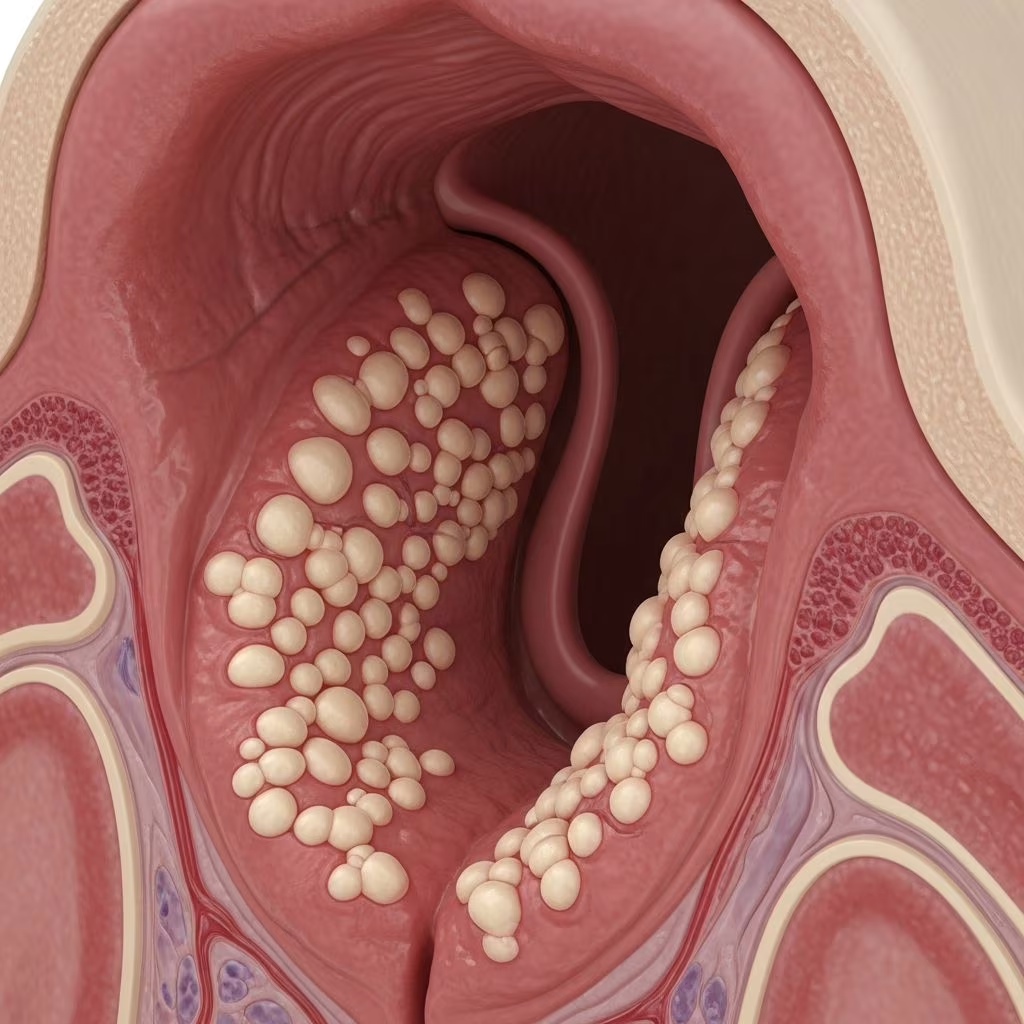
Pharyngeal lymphoid hyperplasia (PLH) represents a prevalent condition in the upper respiratory tract of young horses, characterized by the enlargement of lymphoid tissues in the pharynx. This immune response often appears as raised nodules during endoscopic examination and is typically benign, though severe cases can influence athletic performance.
Anatomy of the Equine Pharynx and Lymphoid Role
The pharynx in horses serves as a critical junction for air and food passages, lined with mucosal-associated lymphoid tissue that acts as the first line of defense against inhaled pathogens and irritants. In young equines, this tissue proliferates naturally as they encounter new environmental antigens from stabling, travel, and competition. These follicles, containing B-cells and T-cells, produce immunoglobulins and mucus to combat bacteria, viruses, and allergens.
As horses mature beyond five years, these structures regress and blend into the mucosa, becoming less visible. Understanding this anatomy helps owners recognize PLH as a normal developmental phase rather than a disease in most instances.
Causes Behind Lymphoid Tissue Expansion
PLH arises from the pharyngeal tonsils’ response to antigenic stimuli. Young horses, exposed to novel challenges like dust, molds, viruses, and bacteria, trigger hyperplasia as the immune system matures. Studies show no direct link to specific infections, positioning it as a physiological adaptation rather than pathology.
- Environmental triggers: Poor stable ventilation, dusty hay, and allergens exacerbate tissue growth.
- Age factor: Predominant in horses under five years due to immature immunity.
- Infectious contributors: Mild viral infections may cause coalescence and inflammation in subsets of cases.
This proliferation rarely impedes airflow unless advanced, but inflammation can indirectly affect pharyngeal stability.
Recognizing Clinical Manifestations
Many horses with PLH remain asymptomatic, discovered incidentally during performance evaluations. When symptomatic, signs mimic mild pharyngitis:
- Reduced exercise tolerance, especially in racehorses.
- Frequent swallowing or drooling from throat discomfort.
- Decreased appetite due to painful swallowing.
- Occasional cough or nasal discharge in inflamed cases.
- No characteristic respiratory noise unless secondary issues arise.
Severe presentations include fever, inspiratory noise, and marked performance decline, signaling progression or complications. Owners of sport horses often notice subtle declines in speed or stamina.
Diagnostic Approaches for Accurate Assessment
Endoscopy remains the gold standard, using a flexible scope passed through the nostril post-sedation to visualize pharyngeal nodules. Exercise endoscopy enhances detection of dynamic instabilities.
A standardized grading system evaluates severity:
| Grade | Description | Clinical Relevance |
|---|---|---|
| 1 | Scattered small follicles | Normal, incidental |
| 2 | Moderate, multifocal nodules | Common in young horses, rarely significant |
| 3 | Coalescing, hyperemic follicles | Moderate inflammation, potential performance impact |
| 4 | Widespread hypertrophy, ulceration, exudate | Severe, requires intervention |
This scale, derived from endoscopic findings, guides management. Differential diagnoses include dorsal displacement of the soft palate or guttural pouch infections, necessitating comprehensive airway evaluation.
Management Strategies and Treatment Options
For mild grades (1-2), intervention is unnecessary; most resolve with maturity. Symptomatic or higher-grade cases benefit from conservative measures.
Pharmacological Interventions
- NSAIDs: Phenylbutazone or flunixin reduce pain and inflammation.
- Corticosteroids: Systemic dexamethasone or topical throat sprays for severe swelling.
- Supportive therapies: Nebulized agents with DMSO for direct anti-inflammatory effects.
Environmental Modifications
Key to prevention and resolution:
- Soak hay to minimize dust inhalation.
- Improve ventilation and use low-dust bedding.
- Avoid irritants like sweeping near stabled horses.
Advanced Interventions
Rarely, refractory cases undergo laser ablation, cryotherapy, or chemical cauterization to remove hyperplastic tissue. These carry risks of scarring and recurrence, reserved for elite performers. Rest periods of 4-6 weeks aid recovery.
Prognosis and Long-Term Outlook
Prognosis excels, with most horses outgrowing PLH by age five. Treated symptomatic cases show marked improvement in performance post-management. Monitoring via repeat endoscopy tracks regression, emphasizing early detection in young athletes. Complications like pharyngeal instability are uncommon but warrant vigilance in sport horses.
Preventive Measures for Horse Owners
Proactive husbandry minimizes PLH severity:
- Maintain clean, well-ventilated barns.
- Introduce soaked feeds early in young horses.
- Schedule routine airway scopes for racing prospects.
- Vaccinate against respiratory viruses.
- Monitor for early signs during training intensification.
These steps support immune maturation without over-medicalization.
Frequently Asked Questions (FAQs)
What is pharyngeal lymphoid hyperplasia in horses?
PLH is the benign enlargement of immune tissues in the horse’s throat, common in young animals as part of immune development.
Does PLH affect my horse’s racing performance?
Mild cases rarely do; severe grades may reduce stamina, but most resolve naturally or with treatment.
How is PLH diagnosed?
Via nasopharyngeal endoscopy, often graded 1-4 for severity.
Is treatment always needed for PLH?
No, only for painful or high-grade cases; rest and anti-inflammatories suffice otherwise.
Can PLH recur in older horses?
Uncommon, as tissues regress with age, but environmental triggers could provoke it.
Impact on Equine Athletics
In racing and eventing, PLH scoping is routine, shifting perceptions from performance culprit to incidental finding. Data indicate no consistent correlation with poor results unless inflamed. Owners partnering with vets for graded assessments optimize training timelines.
References
- Pharyngeal disorders – Large Animal Surgery – Supplemental Notes — University of Minnesota. Accessed 2026. https://open.lib.umn.edu/largeanimalsurgery/chapter/pharyngeal-disorders/
- Pharyngeal Lymphoid Hyperplasia in Horses – Respiratory System — MSD Veterinary Manual. Accessed 2026. https://www.msdvetmanual.com/respiratory-system/respiratory-diseases-of-horses/pharyngeal-lymphoid-hyperplasia-in-horses
- Pharyngeal Lymphoid Hyperplasia [PDF] — Iowa State University. Accessed 2026. https://dr.lib.iastate.edu/bitstreams/9bdb37ee-2e6a-4fe0-8c74-6bd54a216123/download
- Pharyngeal Lymphoid Hyperplasia (Pharyngitis) in Horses — MSD Veterinary Manual. Accessed 2026. https://www.msdvetmanual.com/horse-owners/lung-and-airway-disorders-of-horses/pharyngeal-lymphoid-hyperplasia-pharyngitis-in-horses
- EP. 190: Pharyngeal Lymphoid Hyperplasia in Horses — YouTube (Pet Care Partners). Accessed 2026. https://www.youtube.com/watch?v=vCfrwUZU6T4
- Pharynx: lymphoid hyperplasia in Horses (Equis) — Vetlexicon. Accessed 2026. https://www.vetlexicon.com/equis/respiratory/articles/pharynx-lymphoid-hyperplasia/



