
Pharyngeal And Laryngeal Disorders In Cats: Diagnosis & Care
Understanding throat conditions affecting feline swallowing and breathing
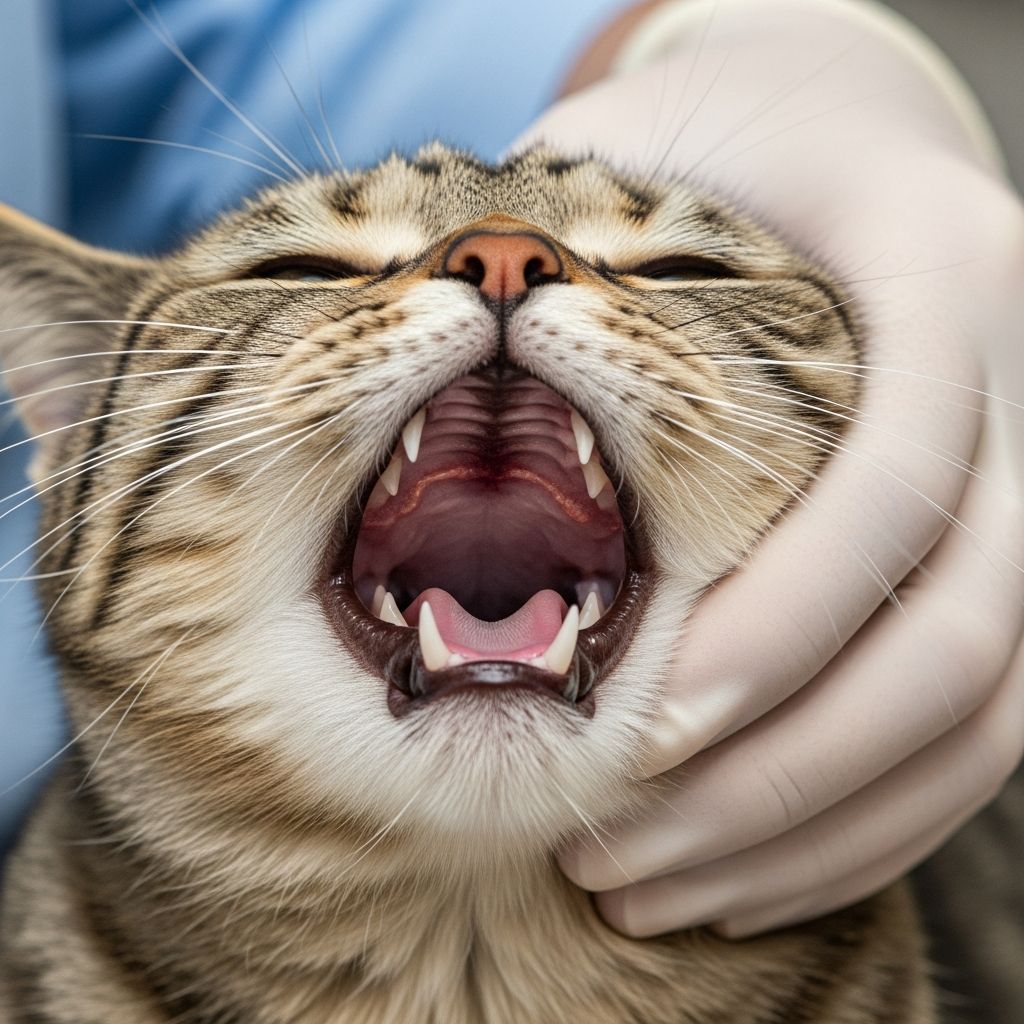
The pharynx and larynx represent critical anatomical structures in cats that facilitate both proper nutrition and respiration. When these structures become compromised by disease or injury, cats experience significant discomfort and potential life-threatening complications. Understanding the anatomy, function, and common pathological conditions affecting the pharynx enables cat owners and veterinary professionals to recognize problems early and pursue appropriate treatment strategies.
Anatomical Overview of the Feline Pharynx and Larynx
The pharynx serves as a shared passageway for both digestive and respiratory systems in cats. This structure occupies the space behind the tongue and nasal passages, extending from the back of the mouth to the esophagus. The pharynx divides into two distinct regions: the nasopharynx, which connects the nasal cavity to the larynx and functions primarily in respiration, and the oropharynx, which serves digestive purposes by facilitating the passage of food toward the esophagus.
The larynx, commonly known as the voice box, sits directly behind the base of the tongue and soft palate. This specialized structure consists of cartilaginous frameworks, muscular components, and soft tissue elements designed to perform multiple essential functions. The larynx contains cartilages that can open during breathing to permit airflow and close during swallowing to prevent food from entering the windpipe. Within the larynx reside the vocal folds, structures responsible for producing the various vocalizations cats use for communication, including meowing, growling, and hissing.
The epiglottis functions as a specialized cartilaginous flap that acts like a trap door, covering the laryngeal opening during swallowing to direct food safely into the esophagus while preventing aspiration into the trachea. Arytenoid cartilages work in conjunction with the epiglottis to create the valvular mechanisms essential for airway protection.
Normal Functions and Clinical Significance
The pharyngeal and laryngeal structures perform several vital functions beyond basic swallowing and breathing:
- Airway Protection: The epiglottis and arytenoid cartilages create a seal that prevents food and liquid from entering the trachea during swallowing, a mechanism critical for preventing aspiration pneumonia.
- Vocalization: The vocal folds vibrate as air passes through the larynx, producing the distinctive sounds cats use for social communication and territorial behavior.
- Immune Function: The tonsils, located near the base of the tongue, participate in the immune system’s defense mechanisms by detecting and responding to foreign materials and infectious agents.
- Air Conditioning: The nasopharynx contributes to warming and humidifying inspired air before it reaches the lower respiratory tract.
Common Pharyngeal and Laryngeal Disorders
Inflammatory Conditions Affecting the Pharynx
Pharyngitis, characterized by inflammation of the pharyngeal mucosa, represents one of the most frequently encountered disorders affecting this region. This condition may develop secondary to viral, bacterial, or fungal infections, or arise from irritation caused by foreign bodies, caustic substances, or thermal injury. Cats with pharyngitis typically exhibit difficulty swallowing, reduced appetite, and may show signs of oral discomfort when eating or grooming. The affected tissue often appears reddened and swollen upon visual inspection.
Tonsillitis, involving inflammation of the palatine and pharyngeal tonsils, frequently accompanies or precedes pharyngitis. The tonsils become enlarged and may develop pustules or exudates on their surfaces. Affected cats often refuse food due to the pain associated with swallowing and may drool excessively.
Laryngeal Dysfunction and Paralysis
Laryngeal paralysis occurs when the muscles controlling laryngeal cartilage movement become dysfunctional, preventing normal opening of the laryngeal entrance during inspiration. This condition impairs the cat’s ability to breathe normally and may present acutely with respiratory distress or develop gradually with progressive exercise intolerance. Affected cats may produce abnormal breathing sounds, including stridor or wheezing, particularly during exertion.
Idiopathic laryngeal paralysis develops without identifiable underlying cause, though some cases may result from nerve damage, muscular disease, or central nervous system pathology. Age-related changes can contribute to laryngeal dysfunction in older cats, as muscular atrophy and reduced neural function compromise the precision of laryngeal movement.
Laryngeal Collapse and Stenosis
Laryngeal collapse occurs when the cartilaginous structures lose structural integrity, causing the laryngeal walls to fall inward and obstruct the airway. This may develop acutely following trauma or chronically as degenerative changes progress. Laryngeal stenosis, characterized by abnormal narrowing of the laryngeal opening, may result from scarring following trauma, infection, or excessive intubation during anesthetic procedures.
Both conditions present with varying degrees of respiratory distress depending on the severity of airway obstruction. Mild cases may manifest only during periods of exertion or stress, while severe stenosis creates persistent breathing difficulties at rest.
Foreign Body Obstruction
Foreign bodies becoming lodged in the pharynx or larynx create mechanical obstruction that demands immediate veterinary attention. Common objects include bone fragments, plant material, string, or small toys. Cats with pharyngeal foreign bodies exhibit acute onset of dysphagia (difficulty swallowing), gagging, and potentially complete inability to swallow saliva, resulting in drooling and distress.
Neoplastic Conditions
Tumors affecting the pharyngeal and laryngeal regions occur less frequently in cats compared to other species but can develop from various tissue types including epithelial, lymphoid, or connective tissue origins. Squamous cell carcinoma represents the most common laryngeal malignancy in felines. These growths typically progress gradually, causing progressive difficulty with swallowing, reduced appetite, and eventual weight loss.
Clinical Signs and Diagnostic Approach
Recognition of Pharyngeal and Laryngeal Problems
Cat owners should recognize several clinical indicators suggesting pharyngeal or laryngeal pathology:
- Difficulty initiating swallowing or repeated swallowing attempts
- Reluctance to eat or drink, or dropping food from the mouth
- Excessive drooling or saliva accumulation
- Gagging or retching without vomiting
- Abnormal respiratory sounds, particularly stridor or wheezing
- Open-mouth breathing or respiratory distress
- Voice changes or loss of normal vocalizations
- Coughing, especially when eating or drinking
- Nasal discharge or epistaxis
Veterinary Diagnostic Methods
Thorough physical examination forms the foundation of diagnostic assessment. The veterinarian observes the cat’s breathing pattern, listens for abnormal respiratory sounds, and may palpate the laryngeal region for evidence of heat, swelling, or pain. Oral examination allows visualization of the pharyngeal structures, though deep laryngeal structures may require specialized equipment.
Laryngoscopy provides direct visualization of the larynx using specialized optical instruments. This procedure typically requires sedation or general anesthesia to prevent the cat from closing the glottis reflexively. During laryngoscopy, the veterinarian assesses laryngeal movement, identifies inflammation or obstruction, and may obtain tissue samples if neoplasia is suspected.
Imaging studies including radiography and advanced imaging such as computed tomography provide valuable information about bony and soft tissue structures. Lateral and ventrodorsal radiographic projections help identify foreign bodies, fractures, or masses. CT imaging offers superior detail for evaluating complex anatomical involvement and tumor extent.
Additional diagnostic procedures may include endoscopy to visualize the trachea and assess for aspiration, fluoroscopic swallowing studies to evaluate dysphagia, or tissue biopsy when neoplasia is suspected.
Treatment Strategies and Management Approaches
Medical Management
Inflammatory conditions often respond favorably to conservative medical management. Anti-inflammatory medications reduce tissue swelling and associated discomfort, facilitating normal swallowing. Antibiotics address bacterial infections identified through culture or suspected based on clinical presentation. Pain management with appropriate analgesics improves the cat’s willingness to eat and drink, supporting nutritional intake during recovery.
Environmental modifications support healing in cats with pharyngeal disorders. Offering soft or moistened food reduces the mechanical demands on compromised swallowing mechanisms. Slightly warming food may improve palatability and reduce the effort required for eating. Some cats benefit from elevated feeding bowls that reduce neck extension required for eating.
Surgical Intervention
Foreign body removal requires immediate surgical or endoscopic retrieval to restore airway patency and permit normal swallowing. The specific approach depends on foreign body location, composition, and degree of tissue damage sustained.
Laryngeal paralysis may require surgical intervention in cats with significant respiratory compromise. Unilateral arytenoid lateralization procedures involve permanent fixation of one arytenoid cartilage in the abducted position, widening the glottis to improve airflow. While this procedure improves breathing, cats retain some risk of aspiration due to incomplete laryngeal closure during swallowing.
Surgical management of laryngeal stenosis involves techniques to restore normal airway dimensions. Laser ablation of scar tissue, cartilage reconstruction, or placement of stents may facilitate improved airflow depending on stenosis severity and location.
Management of Neoplastic Disease
Surgical resection offers the best opportunity for cure in cats with laryngeal or pharyngeal tumors, provided the neoplasm remains localized without extensive invasion or metastatic disease. Radiation therapy may address residual disease or provide palliative benefit when surgery cannot be performed. Chemotherapy plays a limited role in most feline pharyngeal malignancies but may be considered for certain tumor types or advanced disease.
Prevention and Long-Term Prognosis
Prevention strategies focus on minimizing environmental hazards and maintaining overall health. Preventing access to small objects, bones, string, and other potential foreign bodies reduces obstruction risk. Maintaining current vaccination status protects against viral infections that may precipitate secondary pharyngitis or laryngitis. Regular dental care and oral health maintenance support the local immune environment of the pharynx.
Prognosis varies considerably depending on the specific condition and severity at presentation. Acute inflammatory conditions often resolve completely with appropriate treatment. Foreign body removal typically results in prompt recovery provided no secondary aspiration has occurred. Laryngeal paralysis prognosis depends on whether structural correction improves respiratory function adequately. Neoplastic conditions carry more guarded prognosis, with outcomes dependent on tumor type, stage, and treatment pursued.
Cats with chronic pharyngeal or laryngeal disorders may require ongoing management and monitoring. Regular veterinary assessment tracks disease progression and treatment efficacy. Adjustments to feeding strategies or environmental modifications may become necessary as conditions evolve.
When to Seek Emergency Veterinary Care
Certain clinical presentations demand immediate veterinary evaluation:
- Acute onset of respiratory distress or stridor
- Complete inability to swallow or excessive drooling
- Choking or gagging with suspected foreign body
- Open-mouth breathing at rest
- Blue-tinged mucous membranes indicating hypoxemia
- Collapse or loss of consciousness
These signs suggest acute airway compromise requiring immediate intervention to prevent respiratory failure. Delaying treatment in these situations creates significant risk of fatal outcomes.
Conclusion
Pharyngeal and laryngeal disorders in cats range from minor inflammatory conditions to life-threatening obstructive diseases. Understanding normal anatomy and function, recognizing early clinical signs, and pursuing appropriate diagnostic evaluation enable optimal outcomes. Collaboration between cat owners and veterinary professionals through careful monitoring, appropriate medical and surgical interventions, and long-term management strategies helps ensure the best possible quality of life for cats affected by these conditions.
References
- Structure and Function of the Respiratory Tract in Cats — PetPlace.com. https://www.petplace.com/article/cats/pet-health/structure-and-function-of-the-respiratory-tract-in-cats
- Introduction to Lung and Airway Disorders of Cats — Merck Veterinary Manual (Cat Owners). https://www.merckvetmanual.com/cat-owners/lung-and-airway-disorders-of-cats/introduction-to-lung-and-airway-disorders-of-cats
- Clinical Anatomy of the Pharynx in Dogs and Cats — Safari Veterinary Care Centers. https://www.safarivet.com/care-topics/dogs-and-cats/pharynx/
- Hyoid Apparatus and Pharynx in the Lion, Jaguar, Cheetah and Domestic Cat — PubMed Central, National Center for Biotechnology Information. https://pmc.ncbi.nlm.nih.gov/articles/PMC1570911/
Similar Articles








Read full bio of medha deb




