

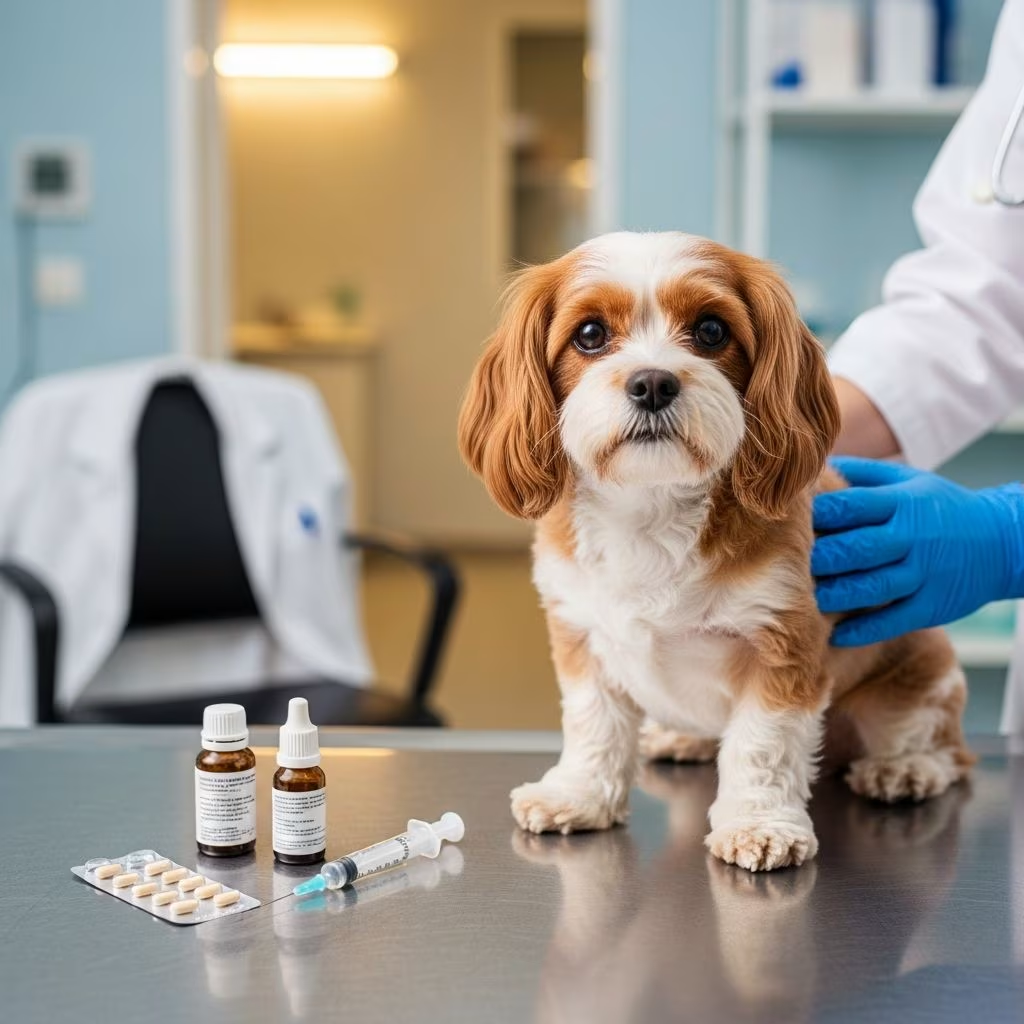
Inflammatory bowel disease (IBD) represents a significant clinical challenge in veterinary medicine, affecting both dogs and cats with chronic gastrointestinal symptoms including persistent diarrhea, vomiting, and weight loss. While dietary modifications and antimicrobial interventions form the foundation of initial therapeutic approaches, pharmacological management becomes essential when pets fail to respond to these conservative measures. The pharmaceutical arsenal available to veterinarians has expanded considerably, offering multiple options tailored to disease severity and individual patient response patterns. Understanding these medications, their mechanisms of action, and appropriate dosing protocols enables practitioners to optimize outcomes and improve quality of life for affected animals.
Foundational Principles of Pharmacological Treatment
The management of IBD follows a stepwise approach, progressing from the least to the most aggressive interventions. Initial diagnostic and therapeutic trials typically exclude parasitic infections and dietary sensitivities before advancing to immunomodulatory medications. This sequential strategy reflects the reality that a subset of patients respond favorably to dietary modifications alone, while others require combined pharmacological and nutritional support. Successful management often necessitates simultaneous intervention across multiple therapeutic categories, creating a comprehensive approach that addresses inflammation, dysbiosis, and immune dysregulation concurrently.
Veterinarians must consider individual patient factors when selecting medications, including age, concurrent medical conditions, body weight, hepatic and renal function, and previous medication responses. Large-breed dogs may experience more pronounced side effects from certain medications, necessitating alternative approaches compared to small-breed patients. Additionally, cats present unique metabolic considerations that influence drug selection and dosing strategies, particularly regarding hepatic metabolism and glucuronidation capacity.
Corticosteroid Therapy: First-Line Anti-Inflammatory Agents
Prednisone and Prednisolone
Corticosteroids remain the cornerstone of pharmacological management for IBD in both canine and feline patients. Prednisone functions as a prodrug requiring hepatic metabolism to prednisolone, its active metabolite, through a glucuronidation pathway. This metabolic conversion presents an important consideration in feline patients, where glucuronidation capacity may be reduced compared to dogs, potentially favoring direct prednisolone administration to ensure consistent therapeutic availability.
Standard dosing protocols initiate treatment at 1 mg/kg administered twice daily, with subsequent tapering to the lowest effective maintenance dose based on clinical response. This graduated reduction strategy minimizes long-term adverse effects while maintaining disease control. The typical treatment course spans several months, after which a trial discontinuation period assesses whether ongoing medication remains necessary. If clinical signs recur during the withdrawal phase, treatment resumes with careful attention to establishing the minimal effective dose.
Corticosteroid therapy addresses intestinal inflammation through multiple mechanisms, including suppression of pro-inflammatory cytokine production, reduction of immune cell infiltration into intestinal tissues, and stabilization of the intestinal barrier. However, prolonged corticosteroid exposure carries significant risks, including increased susceptibility to infections, hyperglycemia, polyuria and polydipsia, hepatic lipidosis, and muscle wasting. Large-breed dogs may exhibit more severe systemic side effects compared to smaller animals, necessitating cautious dosing and close monitoring protocols.
Long-acting corticosteroid formulations such as methylprednisolone acetate (Depo-Medrol®) offer an alternative for patients experiencing difficulty with oral medication administration. These parenteral preparations provide sustained drug release over weeks, reducing dosing frequency. However, the inability to rapidly discontinue therapy if adverse effects emerge represents a significant disadvantage compared to oral formulations.
Monitoring and Adverse Effect Management
Regular clinical assessment during corticosteroid therapy includes evaluation for diabetes mellitus development, opportunistic infections, and gastrointestinal complications. Baseline laboratory work should establish hepatic and renal function, with periodic reassessment during extended therapy. Pets receiving long-term corticosteroids may benefit from preventive measures including dietary management to reduce infection risk and monitoring protocols to detect subclinical complications.
Immunosuppressive Agents for Refractory Disease
Azathioprine
Azathioprine functions as a purine analog that suppresses T-cell and B-cell proliferation, reducing overall immune activation within intestinal tissues. This agent proves particularly valuable in large-breed dogs exceeding 30 kilograms, where corticosteroid side effects may be more pronounced or limit their long-term use. Combination therapy with reduced-dose corticosteroids enables faster tapering protocols while maintaining disease control.
Typical dosing involves administration at 1 to 2 mg/kg once or twice daily, with adjustment based on clinical response and hematologic parameters. Critical adverse effects include bone marrow suppression with resultant anemia, thrombocytopenia, and leukopenia, necessitating baseline and periodic complete blood count monitoring. Hepatotoxicity and pancreatitis represent additional serious risks. The delayed onset of therapeutic effect, spanning 2 to 4 weeks, requires patient communication regarding the lag between treatment initiation and clinical improvement.
Cyclosporine
Cyclosporine inhibits T-cell activation and proliferation through selective immunosuppression, addressing a key pathophysiologic mechanism in IBD. Standard dosing of 5 mg/kg twice daily achieves therapeutic efficacy in many steroid-refractory cases, often as monotherapy or combined with reduced corticosteroid doses. Research demonstrates particular value in managing severe IBD phenotypes, including protein-losing enteropathy presentations.
Gastrointestinal side effects including anorexia, vomiting, and diarrhea may limit cyclosporine utility in patients with pre-existing alimentary dysfunction. Additionally, systemic absorption variability and individual metabolic differences can create unpredictable clinical responses. Some patients demonstrate dramatic improvement while others show minimal benefit, requiring careful patient selection and close monitoring during the initial treatment phase.
Chlorambucil
Chlorambucil represents an alkylating agent offering immunosuppression through DNA cross-linking effects. Though used less frequently than azathioprine or cyclosporine, chlorambucil serves as an alternative option when other immunosuppressants prove ineffective or generate intolerable side effects. Careful hematologic monitoring remains essential due to bone marrow suppression risks.
Antimicrobial Approaches and Microbiota Management
Antibiotic Therapy
Antimicrobial agents address both dysbiosis contributions to intestinal inflammation and specific pathogenic bacterial overgrowth. Tylosin, a macrolide antibiotic, demonstrates efficacy in canine IBD through mechanisms including direct anti-inflammatory effects and microbiota modulation. Standard protocols involve 28-day treatment courses, with positive response suggesting antibiotic-responsive diarrhea as a primary or contributing diagnosis. If clinical signs recur after discontinuation, long-term maintenance tylosin therapy may be instituted at lower doses.
Metronidazole functions as a broad-spectrum antimicrobial effective against anaerobic bacteria and certain protozoan organisms. Beyond direct antimicrobial effects, metronidazole exhibits intrinsic immunomodulatory properties that may contribute to clinical improvement independent of bacterial reduction. Typical dosing ranges from 10 to 25 mg/kg twice to three times daily, with careful monitoring for neurologic adverse effects including ataxia and peripheral neuropathy with extended use.
Oxytetracycline and enrofloxacin represent additional antimicrobial options, with enrofloxacin demonstrating particular utility in managing granulomatous colitis in susceptible breeds including Boxers and French Bulldogs. This condition, associated with excessive immune response to specific Escherichia coli strains, responds favorably to targeted antibiotic therapy at 10 mg/kg once daily. However, empiric antimicrobial administration without histopathologic confirmation and bacterial culture risks promoting antibiotic resistance and obscuring underlying pathology.
Prebiotic and Probiotic Interventions
Soluble fiber supplementation and prebiotic compounds promote growth of beneficial bacterial species while providing substrates for short-chain fatty acid production. These compounds support colonic health and reduce pathogenic bacterial proliferation through ecological mechanisms rather than direct antimicrobial action.
Probiotic administration, using specific bacterial strains, has generated increasing interest in IBD management. While human IBD studies show promising results with certain formulations, veterinary evidence remains inconsistent. One randomized, controlled trial examining Enterococcus faecium supplementation in canine IBD demonstrated no additional benefit beyond standard immunosuppressive therapy. Conversely, research using the Visbiome formulation showed improved outcomes when combined with conventional immunosuppressive treatment compared to immunosuppressives alone. Consistent administration appears to enhance probiotic effectiveness, though standardization of strains, dosing, and administration duration remains challenging in clinical practice. The emerging technique of fecal microbiota transplantation represents an experimental approach to microbiota restoration, with preliminary evidence of efficacy in selected patients.
Supportive Pharmacological Therapies
Vitamin B12 Supplementation
Most IBD-affected pets demonstrate impaired cobalamin absorption due to compromised intestinal epithelial function or bacterial overgrowth consuming available vitamin B12. Parenteral supplementation via subcutaneous or intramuscular injection circumvents absorption limitations, bypassing the damaged intestinal barrier. Monthly injections provide sustained benefit, with some patients demonstrating clinical improvement and improved appetite following initiation of supplementation. Baseline cobalamin measurement helps identify deficiency and guide supplementation necessity.
Gastroprotective and Antiemetic Medications
Proton pump inhibitors and H2-receptor antagonists reduce gastric acid production, minimizing ulceration risk and supporting healing of damaged mucosa. These agents prove particularly valuable in pets experiencing concurrent gastritis or when corticosteroid therapy increases ulceration susceptibility. Antiemetic medications including metoclopramide and maropitant control vomiting, reducing discomfort and supporting adequate nutritional intake essential for tissue repair and immune function recovery.
Advanced Nutritional Support
Specialized Dietary Interventions
While not exclusively pharmacological, dietary management represents a critical complementary intervention deserving discussion within therapeutic context. Elemental diets formulated from basic nutritional components, ultra-low-fat formulations, and partial parenteral nutrition address severe malabsorption and protein-losing enteropathy. These specialized approaches work synergistically with pharmacological therapies, reducing overall medication requirements and supporting disease remission.
Protein-losing enteropathy patients warrant special consideration, as enteric protein loss creates hypercoagulability risk potentially leading to thromboembolism. Concurrent antiplatelet therapy using aspirin at 0.5 mg/kg daily or clopidogrel provides thromboprophylaxis in patients with documented coagulation abnormalities. Hemostatic function evaluation guides antiplatelet therapy necessity, avoiding unnecessary medication in patients without objective coagulation compromise.
Treatment Response and Long-Term Management Considerations
Prognosis and Clinical Outcomes
Long-term IBD management requires sustained pharmacological intervention, with most patients requiring months to years of therapy. Clinical reality indicates that approximately 26 percent of affected dogs achieve complete remission, while roughly 50 percent experience intermittent clinical signs despite treatment. A small proportion of patients remain uncontrolled despite comprehensive therapeutic approaches, occasionally necessitating euthanasia when quality of life deteriorates significantly.
Treatment flexibility and individualization prove essential, as initial medication selections may require adjustment based on clinical response patterns. Some patients respond dramatically to corticosteroid monotherapy, while others require combination immunosuppression or demonstrate steroid-refractory disease necessitating cyclosporine substitution or azathioprine addition.
Monitoring Protocols and Therapeutic Adjustments
Regular veterinary reassessment at 2 to 4 week intervals during initial treatment phases permits prompt recognition of therapeutic success or failure. Clinical improvement includes resolution of gastrointestinal signs, weight gain, and normalization of appetite and energy levels. Laboratory monitoring including complete blood count, chemistry panel, and cobalamin measurement documents metabolic status and detects medication-induced complications.
Medication tapering protocols should be individualized, with gradual dose reduction preventing sudden relapse. If clinical signs recur during tapering or discontinuation trials, therapy reinitiation at previously effective doses typically restores disease control. Some patients maintain remission with indefinite low-dose therapy, while others require periodic treatment interruptions interspersed with active therapy phases.
Frequently Asked Questions About IBD Pharmacotherapy
| Question | Answer |
|---|---|
| How long until IBD medications show improvement? | Initial response typically appears within 2 to 4 weeks, though some medications like azathioprine require longer before therapeutic effects manifest. Corticosteroids often demonstrate earlier clinical improvement. |
| Will my pet need lifelong medication? | Most IBD patients require sustained therapy spanning months to years. Some achieve remission allowing discontinuation, while others require indefinite low-dose maintenance therapy to prevent relapse. |
| Can multiple medications be combined? | Yes, combination therapy addressing inflammation, dysbiosis, and immune dysregulation simultaneously often proves more effective than monotherapy, particularly in moderate to severe disease. |
| What side effects should I monitor? | Corticosteroids can cause increased thirst, urination, appetite, and infection susceptibility. Immunosuppressants require blood monitoring for bone marrow effects. Report any concerning symptoms immediately. |
| Why does my pet not respond to treatment? | Some patients have steroid-refractory disease requiring alternative medications. Dietary factors, concurrent conditions, or incomplete adherence to feeding protocols may also limit response. |
Emerging Therapeutic Perspectives
Contemporary IBD research explores targeted immunomodulation strategies, microbiota-targeted interventions, and biomarker-directed therapy selection. Advanced diagnostic tools including disease activity indices and cytokine measurements permit objective assessment of treatment efficacy and disease severity at diagnosis and follow-up intervals. These developments promise more precise medication selection and improved long-term outcomes as veterinary gastroenterology continues advancing toward personalized medicine approaches.
The integration of pharmacological, dietary, and microbiota-directed interventions represents the contemporary standard for IBD management. As understanding of pathophysiologic mechanisms deepens and new therapeutic agents emerge, treatment options continue expanding, offering improved outcomes and quality of life for affected companion animals and their caregivers.
References
- Inflammatory Bowel Disease (IBD) — Cornell University College of Veterinary Medicine, Riney Canine Health Center. Accessed February 2026. https://www.vet.cornell.edu/departments-centers-and-institutes/riney-canine-health-center/canine-health-topics/inflammatory-bowel-disease-ibd
- Inflammatory Bowel Disease in Dogs — VCA Animal Hospitals. Accessed February 2026. https://vcahospitals.com/know-your-pet/inflammatory-bowel-disease-in-dogs
- Gut Check: Practical Treatment of Inflammatory Bowel Disease — Blue Pearl Veterinary Partners. Accessed February 2026. https://bluepearlvet.com/medical-library-for-dvms/gut-check-practical-treatment-of-inflammatory-bowel-disease/
- Inflammatory Bowel Disease (IBD) or Chronic Enteropathy (CE) in Dogs and Cats — Veterinary Specialists. 2020. https://www.vetspecialists.com/vet-blog-landing/animal-health-articles/2020/04/01/inflammatory-bowel-disease-in-dogs-and-cats
- Inflammatory Bowel Disease (IBD) in Dogs and Cats — Today’s Veterinary Practice. Accessed February 2026. https://todaysveterinarypractice.com/gastroenterology/inflammatory-bowel-disease-dogs-cats/
- Inflammatory Bowel Disease in Veterinary Medicine — PubMed/National Center for Biotechnology Information. 2012. https://pubmed.ncbi.nlm.nih.gov/22201965/



