

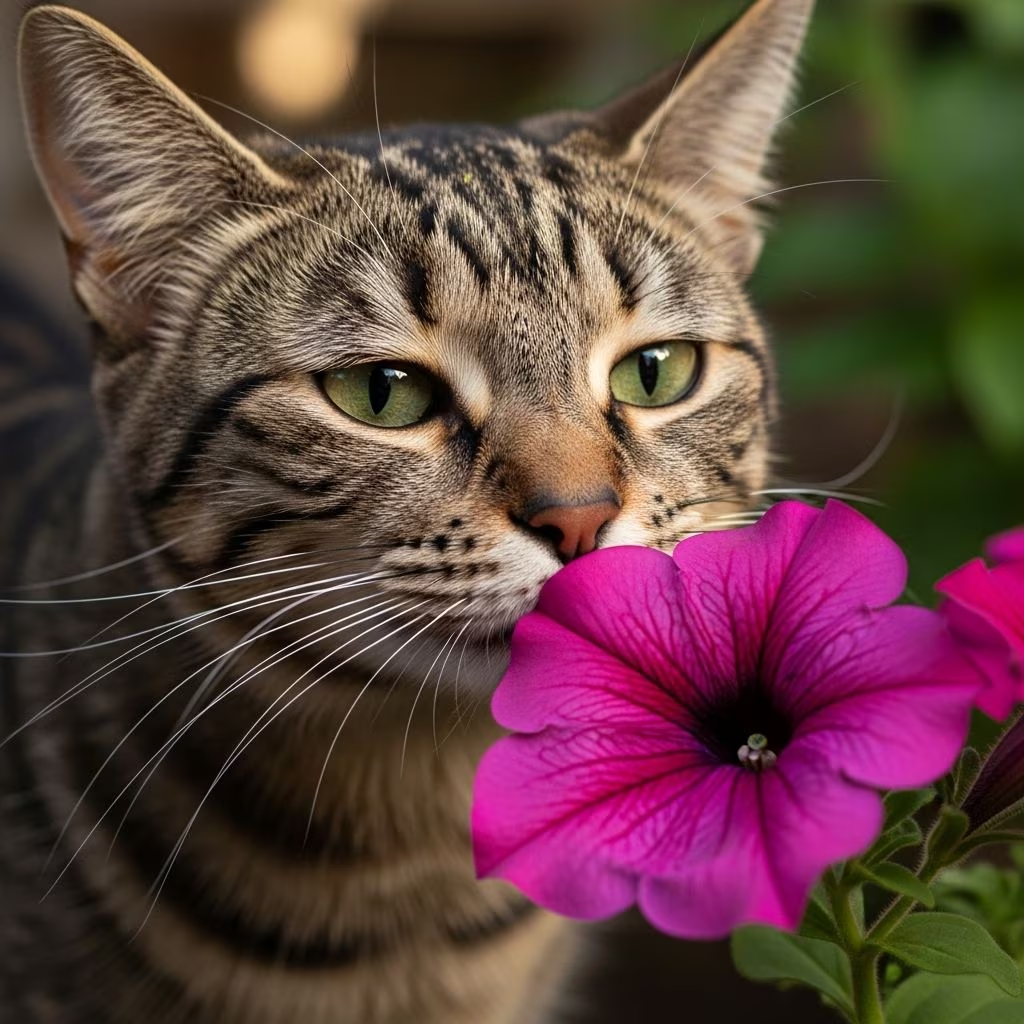
Vibrant petunias brighten gardens and indoor spaces, but cat owners often worry about their pets’ nibbling habits. Fortunately, these popular flowers present no toxicity threat to felines.
Understanding Petunia Safety for Felines
Petunias belong to the Solanaceae family and feature trumpet-shaped blooms in various hues. Multiple veterinary authorities confirm their safety for cats. The ASPCA lists petunias as non-toxic to cats, dogs, and horses, meaning no harmful principles exist in leaves, stems, or flowers.
Similarly, sources like Zoorithm and Plant Addicts affirm that all parts of the petunia plant lack compounds dangerous to cats, allowing occasional munching without severe consequences.
Potential Mild Reactions from Petunia Consumption
While non-toxic, cats may experience temporary digestive discomfort from eating plant matter. Common responses include:
- Vomiting shortly after ingestion
- Excessive drooling
- Loose stools or diarrhea
- Mild lethargy
These effects stem from a cat’s carnivorous digestive system struggling with fibrous greens, not petunia-specific toxins. Symptoms typically resolve within hours without intervention.
If reactions persist beyond 24 hours or include severe signs like persistent vomiting or weakness, consult a veterinarian promptly.
Why Cats Chew on Plants Like Petunias
Feline plant-munching is instinctive. Young cats especially explore via taste, while adults may seek fiber to aid digestion or expel hairballs. A survey noted plant-eating commonality across ages, debunking it as purely learned behavior, with higher incidence in kittens.
Grass ingestion, for instance, boosts intestinal motility to pass parasites, suggesting evolutionary benefits. Petunias, though safe, offer no nutritional value for obligate carnivores designed for protein-rich diets.
Dangerous Garden Plants to Avoid Near Cats
Not all ornamentals match petunias’ safety profile. Many contain potent toxins causing everything from irritation to organ failure. Key threats include:
| Plant | Toxicity Level | Symptoms in Cats |
|---|---|---|
| Lilies (true lilies) | Extremely High | Acute kidney failure, vomiting, lethargy; even pollen lethal |
| Daffodils | High | Vomiting, diarrhea, low blood pressure, arrhythmias |
| Autumn Crocus | High | Renal failure, gastrointestinal upset |
| Daylilies | High | Kidney damage, seizures, death from small amounts |
| Azaleas | Moderate-High | Vomiting, cardiac issues, coma |
UC Davis and Merck Veterinary Manual highlight lilies’ nephrotoxicity in cats, where tiny amounts trigger irreversible damage without prompt treatment.
Creating a Cat-Safe Outdoor and Indoor Garden
Enhance your space with non-toxic alternatives that satisfy chewing urges:
- Cat Grass: Wheat or oat sprouts promote digestion and parasite expulsion.
- Catnip: Nepetalactone-rich herb delights cats safely, deterring insects too.
- Spider Plant: Hardy, mildly hallucinogenic for cats, non-toxic.
- Parlor Palm: Elegant, resilient to feline attention.
- Boston Fern: Lush foliage safe for play.
Strategies for deterrence:
- Elevate pots or use hanging baskets.
- Apply pet-safe bitter sprays.
- Provide dedicated chew toys or grow cat grass patches.
- Supervise outdoor time in fenced, plant-scanned areas.
Recognizing and Responding to Plant Poisoning
Swift action saves lives with toxic exposures. Watch for:
- Immediate oral pain or pawing at mouth
- Profuse salivation
- Vomiting with blood
- Weakness, tremors, or seizures
- Breathing difficulties
Do not induce vomiting unless vet-directed. Contact ASPCA Poison Control or a clinic immediately. Treatments may involve activated charcoal, fluids, or organ support.
Petunias Across Pet Species
Beyond cats, petunias prove safe for dogs, horses, and livestock. No species-wide toxicity reports exist, making them versatile for multi-pet homes.
Seasonal Gardening Tips for Cat Owners
Spring planting thrives with petunias’ easy growth in full sun and well-drained soil. Deadhead spent blooms for continuous color. Pair with safe companions like marigolds (mildly irritating but non-toxic) or nasturtiums, which cats may ignore.
Indoor overwintering requires bright light and moderate watering. Monitor for pests like aphids, using cat-safe neem oil if needed.
FAQs
Can petunias trigger allergies in cats?
Rarely; no widespread reports exist, though individual sensitivities possible. Watch for unusual itching or sneezing.
What if my cat devours lots of petunias?
Observe for upset stomach. Mild cases self-resolve; vet check for persistence.
Are hybrid petunias equally safe?
Yes, all Petunia species non-toxic per ASPCA.
How do I stop my cat from garden plant destruction?
Redirect to cat grass, use deterrents, or create no-cat zones.
Which app tracks toxic plants?
ASPCA or PetMD apps list risks reliably.
References
- Are Petunias Toxic to Cats? — Zoorithm. 2023. https://www.zoorithm.com/cats/are-petunias-toxic-to-cats
- Are Petunias Poisonous to Cats? — Catster. 2024. https://www.catster.com/cat-health-care/are-petunias-poisonous-to-cats/
- Are Petunias Poisonous? — Plant Addicts. 2023. https://plantaddicts.com/are-petunias-poisonous/
- Toxicity of House Plants to Pet Animals — PMC – PubMed Central. 2023-05-15. https://pmc.ncbi.nlm.nih.gov/articles/PMC10220692/
- Are Petunias Poisonous for Cats? — Hepper. 2024. https://articles.hepper.com/are-petunias-poisonous-for-cats/
- Houseplants and Ornamentals Toxic to Animals — Merck Veterinary Manual. 2024. https://www.merckvetmanual.com/toxicology/poisonous-plants/houseplants-and-ornamentals-toxic-to-animals
- Toxic Plant Garden — UC Davis School of Veterinary Medicine. 2023. https://www.vetmed.ucdavis.edu/toxic-plant-garden
- Petunia – Toxic and Non-toxic Plants — ASPCA. 2024. https://www.aspca.org/pet-care/aspca-poison-control/toxic-and-non-toxic-plants/petunia



