

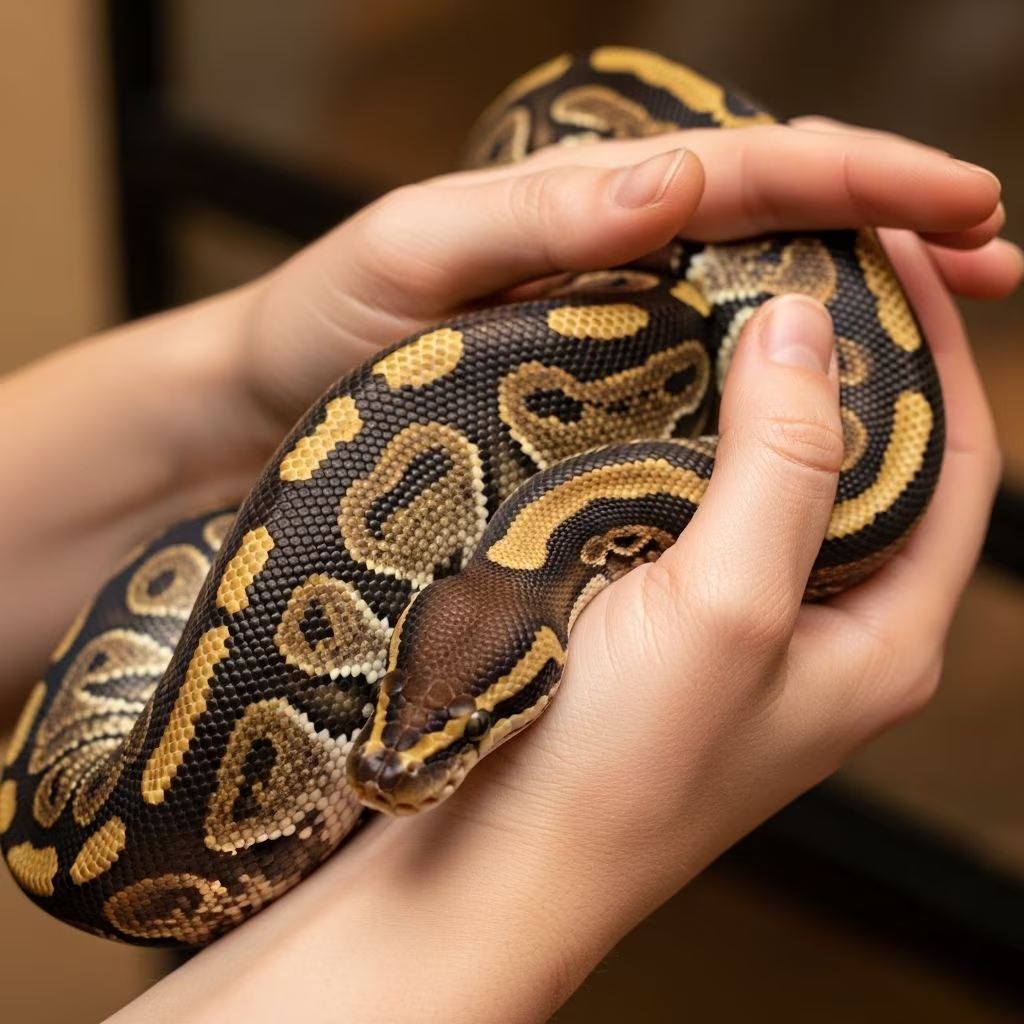
Understanding Snake Behavior and Body Language
Before you begin petting your snake, it’s essential to understand how snakes communicate through their body language. Snakes don’t display affection the way mammals do, but they can become accustomed to human interaction and handling. Learning to recognize your snake’s mood and stress signals will help you determine the best times to interact with your pet and when to give it space.
Snakes exhibit specific behaviors that indicate their comfort level. A relaxed snake will move slowly and deliberately, with a calm demeanor. In contrast, a stressed or defensive snake may display warning signs such as hissing, striking, coiling tightly, or striking at you with its mouth open. These behaviors are natural defense mechanisms, not acts of aggression toward you personally. Understanding these signals is crucial for safe handling and building a positive relationship with your pet.
Preparation Before Petting Your Snake
Proper preparation is the foundation for successful snake handling. Taking time to set up the right conditions will make the experience safer and more enjoyable for both you and your pet.
Create a Calm Environment
Choose a quiet location for handling your snake, away from loud noises, sudden movements, and distractions. Loud sounds and excessive activity can stress your snake, making it less receptive to interaction. A calm environment allows your snake to feel secure and reduces the likelihood of defensive behavior. If possible, handle your snake in a room where you can close the door to minimize external disturbances.
Check Your Snake’s Health Status
Before handling, observe your snake’s condition. Avoid handling your snake if it recently ate, as handling can cause regurgitation. Most experts recommend waiting at least three days after feeding before engaging in handling sessions. Additionally, avoid handling your snake when it’s shedding. During this time, the new skin underneath is fragile and easily damaged, and your snake may be more irritable and stressed.
Wash Your Hands
Always wash your hands thoroughly with soap and warm water before and after handling your snake. This practice helps prevent the spread of bacteria and germs between you and your pet, reducing the risk of illness for both parties. Hand washing is an essential hygiene step that should never be skipped.
Proper Snake Handling Techniques
Knowing how to hold and pet your snake correctly is vital for both safety and comfort. Improper handling can cause injury to your snake and may result in defensive bites.
Approaching Your Snake
When approaching your snake for handling, move slowly and deliberately. Sudden movements can startle your pet and trigger a defensive response. Some handlers use a snake hook to approach their snake first, which allows them to gauge the snake’s mood before attempting to pick it up. If the snake tries to bite the hook, you know it’s not in the mood for handling and should be left alone.
Supporting the Body Correctly
The most important rule for picking up a snake is to provide full body support at all times. Never grab your snake by the tail or head alone. Instead, slide your hand gently under the snake’s mid-section in a calm, measured way. Use both hands to support different sections of the snake’s body. For larger snakes, you may need to use multiple hands or have another person help you support the weight.
When holding your snake, cradle it gently with both hands, allowing the snake’s body to rest across your palms. Never squeeze or apply pressure that could restrict breathing or cause injury. A properly supported snake will feel more secure and be less likely to become defensive.
Duration of Handling Sessions
Start with short handling sessions, especially when your snake is new to your home. A newly acquired snake should be left alone in its enclosure for 1-2 weeks to acclimate before you begin regular handling. Once acclimation is complete, begin with 5-10 minute sessions and gradually increase the duration as your snake becomes more comfortable with you.
Avoid over-handling your snake, as this causes stress and can lead to health issues. Most snakes do well with 1-2 handling sessions per week. Pay attention to your snake’s behavior; if it becomes stressed or defensive, return it to its enclosure immediately.
The Art of Petting Your Snake
Petting techniques vary depending on your snake species and individual temperament. Not all snakes enjoy being petted in the same way, so it’s important to observe your snake’s reactions and adjust accordingly.
Where Snakes Enjoy Being Touched
Most snakes tolerate and sometimes enjoy gentle stroking along their body in the direction of their scales. Stroking from head to tail follows the natural lay of the scales and is generally more comfortable for the snake than stroking in the opposite direction. Some snakes particularly enjoy being gently rubbed along their head and neck area, though this varies by individual.
Avoid touching sensitive areas such as the tail tip, belly, or mouth. These areas may make your snake feel vulnerable and defensive. Pay attention to your snake’s body language when you pet different areas; if your snake shows signs of stress, move your hands to a different location.
Gentle Stroking Techniques
Use slow, gentle strokes with your fingertips or the palm of your hand. Apply minimal pressure—your touch should be light and soothing rather than firm or aggressive. Think of petting as a calming interaction rather than vigorous stroking. Some snakes respond well to a gentle up-and-down motion along their body, while others prefer slower, longer strokes.
Experiment with different techniques while observing your snake’s body language. If your snake seems to relax, slow its movements, and lower its body posture, these are signs that it’s enjoying the interaction. Continue with the technique that produces these positive responses.
Recognizing Signs of Stress and Discomfort
It’s crucial to know when to stop petting and return your snake to its enclosure. Continuing to handle a stressed snake can lead to injury, defensive behavior, or long-term behavioral issues.
Warning Signs to Watch For
- Hissing: This is a clear warning signal that your snake is feeling threatened or defensive.
- Striking position: If your snake coils up, flattens its body, and opens its mouth, it’s preparing to strike.
- Rapid movement: If your snake suddenly moves quickly or tries to escape your hands, it wants to return to its enclosure.
- Tail rattling: Some snake species rattle their tails when stressed or defensive.
- Regurgitation signs: If your snake appears to be preparing to regurgitate, return it to its enclosure immediately to prevent this stress response.
- Tongue flicking rapidly: While snakes use their tongues to smell, rapid tongue flicking can indicate stress in some situations.
Building Trust With Your Snake Over Time
Developing a positive relationship with your snake takes patience and consistency. Trust isn’t built overnight, but with regular, gentle handling, your snake can become accustomed to your presence and interaction.
Acclimation Process
Start by getting your snake accustomed to your presence by gently interacting with them inside their enclosure before attempting to pick them up. Sit near the enclosure, speak softly, and allow your snake to observe you without pressure. This helps your snake recognize you as a non-threatening presence.
Consistency and Routine
Handle your snake during times when it’s naturally more active and alert. Some snakes are more active in the evening, making this the best time for interaction. Establishing a consistent handling routine helps your snake anticipate and prepare for the interaction, reducing stress and anxiety.
Positive Associations
Always associate handling with positive outcomes. Never use handling as a punishment, and always return your snake to its enclosure while it’s still calm and content. This creates positive associations with handling and makes future sessions more successful.
Special Considerations for Different Snake Species
Different snake species have varying temperaments and preferences for handling. Some species are naturally more docile and tolerant of human interaction, while others are more defensive or skittish.
Ball pythons, corn snakes, and king snakes are generally known for being more tolerant of handling. These species often become quite accustomed to regular interaction and may even seem to enjoy it. However, individual snakes within each species vary in temperament, and early socialization plays a significant role in determining how comfortable a snake becomes with handling.
Other species, such as certain water snakes or highly defensive species, may never become completely comfortable with handling. Always research your specific species’ natural behavior and temperament to have realistic expectations about your snake’s responsiveness to petting and handling.
Post-Handling Care and Monitoring
What you do after handling your snake is just as important as the handling itself.
Return Your Snake Safely
When returning your snake to its enclosure, do so gently and calmly. Place your snake back in its habitat and ensure the enclosure is properly secured. Never drop or toss your snake into its enclosure, as this can cause injury and create negative associations with handling.
Observe for Signs of Stress
After handling, monitor your snake for signs of stress such as refusal to eat, excessive hiding, or unusual behavior. If your snake exhibits these signs, reduce the frequency of handling and allow it more time to recover. Some snakes need longer recovery periods between handling sessions than others.
Maintain Proper Hygiene
After handling your snake, wash your hands again thoroughly. This is important for preventing the transmission of bacteria such as Salmonella, which snakes can carry without showing symptoms of illness.
Common Mistakes to Avoid When Petting Snakes
Avoiding common handling mistakes will help ensure a safe and positive experience for both you and your snake.
Handling after feeding: This is one of the most common mistakes. Handling your snake within three days of feeding can cause regurgitation, which is stressful and potentially harmful to your snake.
Excessive handling: Over-handling causes stress and can negatively impact your snake’s health and behavior. Limit handling to 1-2 sessions per week for most species.
Grabbing the tail or head: Always support the entire body. Grabbing only the tail or head can cause injury and makes your snake feel insecure.
Ignoring stress signals: Continuing to handle a stressed snake can lead to defensive behavior and injury. Always respect your snake’s body language and return it to its enclosure when it shows signs of stress.
Handling during shedding: The new skin during shedding is fragile and easily damaged. Avoid handling during this time.
Frequently Asked Questions About Petting Snakes
Q: How long should I wait before handling a newly acquired snake?
A: You should wait 1-2 weeks after bringing your snake home before beginning regular handling sessions. This allows your snake time to acclimate to its new environment and reduces stress.
Q: Is it safe to pet my snake every day?
A: Most snakes do not require daily handling and can become stressed if handled too frequently. One to two handling sessions per week is appropriate for most pet snakes. Over-handling can cause stress and health issues.
Q: Can snakes feel affection?
A: While snakes don’t experience affection the way mammals do, they can become accustomed to human handling and interaction. Some snakes appear to enjoy gentle petting and may seek out interaction, though this is more about habituation than true affection.
Q: What should I do if my snake hisses or strikes?
A: If your snake hisses or strikes, return it to its enclosure immediately. These are clear signals that your snake feels threatened or defensive. Respect these signals and try handling at another time when your snake is calmer.
Q: Can I pet my snake while it’s shedding?
A: No, you should avoid handling your snake during shedding. The new skin underneath is fragile and easily damaged, and your snake may be more irritable during this time. Give your snake space and allow it to complete the shedding process undisturbed.
Q: Why is my snake defensive when I try to pet it?
A: Defensive behavior can result from lack of socialization, recent feeding, shedding, or simply the individual snake’s temperament. Some snakes are naturally more defensive than others. Try handling during times when your snake is most active, ensure adequate time has passed since feeding, and work on gradual socialization to reduce defensive behavior over time.
Q: Is it normal for my snake to try to escape when I’m holding it?
A: Yes, trying to escape is a normal response, especially for newly acquired snakes or those not accustomed to handling. Support your snake securely and return it to its enclosure if it becomes too agitated. Over time, as your snake becomes more accustomed to handling, it should become calmer.
Q: How can I tell if my snake is enjoying being petted?
A: Signs that your snake is comfortable include slow, deliberate movements, relaxed body posture, and staying calm in your hands. If your snake continues to move slowly and doesn’t show signs of stress, it’s likely tolerating the interaction well.
References
- Pet Python Snake Care Sheet — PetMD. 2024. https://www.petmd.com/reptile/pet-python-snake-care-sheet
- Pet Snake Care Guide: How To Look After A Snake — Petbarn. 2024. https://www.petbarn.com.au/petspot/reptile/pet-snake-care-guide-look-snake/
- Slithering into Pet Parenthood: Your Beginner’s Guide to Snake Care — Yepipet. 2024. https://www.yepipet.net/blog/slithering-into-pet-parenthood-your-beginners-guide-to-snake-care
- Your First Pet Snake — Instructables. 2024. https://www.instructables.com/Your-First-pet-snake/
- Caring for Your Snake — Pet Advocacy Network. 2022. https://petadvocacy.org/wp-content/uploads/2022/01/Snakes-Care-Sheet.pdf
- A Guide to Pet Snake Care — PetPost. 2024. https://www.petpost.com.au/blogs/reptile/a-guide-to-pet-snake-care
- Snake Care Guide; How to Take Care of a Pet Snake — PetSmart. 2024. https://www.petsmart.com/learning-center/reptile-care/snake-care-guide-how-to-take-care-of-a-pet-snake./A0042.html
- Snake Care Guide — Long Island Bird & Exotics Veterinary Clinic. 2024. https://www.birdexoticsvet.com/snake-care-guide



