

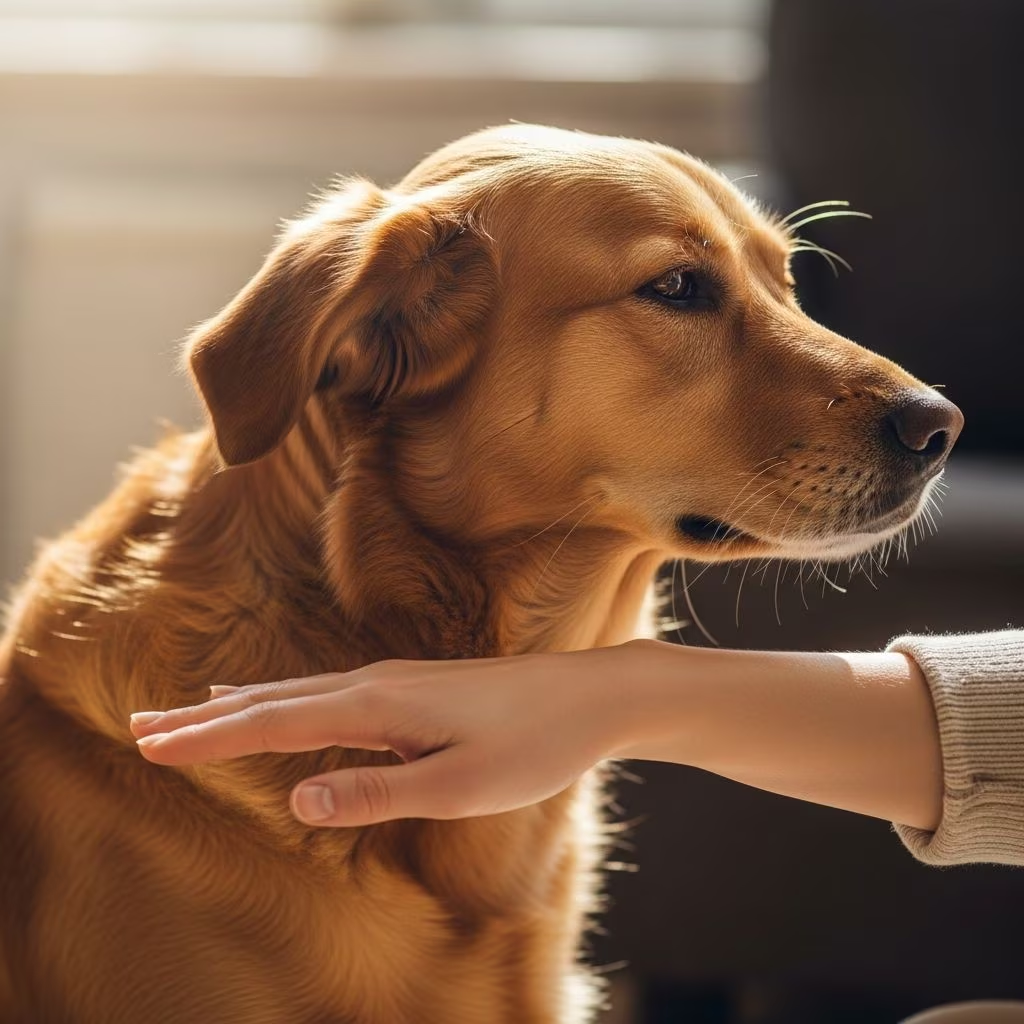
Interacting with dogs through touch can strengthen relationships and provide mutual comfort, but improper petting often leads to discomfort or stress for the animal. Understanding canine preferences, signals, and contexts ensures positive outcomes for both parties.
Why Touch Matters in Human-Canine Bonds
Gentle physical contact between humans and dogs triggers biological responses that foster connection. When owners stroke their pets, both experience elevated levels of oxytocin, known as the ‘love hormone,’ which promotes bonding similar to parent-infant interactions. This hormone release occurs through light touch stimulation, reducing stress and enhancing well-being for humans and dogs alike.
Research shows that such interactions benefit strangers petting calm dogs too, as the effect stems from the touch itself rather than familiarity. Dogs display pleasure responses to massage-like strokes on their skin, activating specific nerve cells like MRGPRB4 that convey enjoyment, distinct from painful or mechanical prods. These findings underscore petting’s role in therapy settings, where it alleviates anxiety for participants.
Preferred Petting Zones for Maximum Enjoyment
Dogs have clear favorites when it comes to touch locations, and respecting these boosts their comfort. Studies reveal that petting along the side of the chest or under the chin elicits the most positive reactions, while top-of-head pats, paw handling, or hind leg strokes often prompt avoidance.
- Chest side: Promotes relaxation and leaning in.
- Under chin: Encourages head tilting and contentment.
- Avoid head top, paws, hind legs: These trigger turning away or stress indicators.
In therapy dog programs, petting any accessible area—head, mid-section, or back—yields similar well-being improvements for humans after 10 minutes of interaction, suggesting flexibility in controlled environments. However, for everyday encounters, prioritizing dog-preferred spots prevents miscommunication, as dogs may interpret certain human gestures differently from canine social cues.
Decoding Canine Body Language During Petting
Dogs communicate volumes through posture and micro-expressions. Positive signs include relaxed ears, soft eyes, loose tail wags, and body leaning toward the hand. Conversely, stress manifests in subtle warnings that demand cessation of touch.
| Positive Signals | Stress Signals |
|---|---|
| Laid-back posture | Lip licking |
| Play bow | Yawning excessively |
| Eye closure in bliss | Head turning away |
| Tail wag with whole-body shake | Paw lift |
| Leaning into touch | Body stiffening |
Appeasement gestures like blinking, nose licking, or paw lifting appear more with familiar people during head or neck petting, lasting longer and signaling discomfort. Redirected behaviors—sniffing ground, self-grooming, or sudden activity spikes—also increase with known handlers, especially when collars are grabbed or muzzles covered. Panting, a stress hallmark, occurs more frequently in these scenarios.
Observing these cues allows real-time adjustments. A dog freezing or averting gaze indicates overload; respect it by withdrawing hands immediately to preserve trust.
The Impact of Familiarity on Petting Responses
Dogs react differently based on their relationship with the petter. With strangers, avoidance or appeasement is less pronounced, but redirected actions are rarer, suggesting unfamiliarity heightens caution rather than overt discomfort. Familiar individuals elicit more prolonged stress responses to disliked touches, implying trusted bonds paradoxically amplify expression of unease.
This dynamic highlights training’s role: dogs learn from repeated interactions. Consistent positive petting in preferred zones with familiars builds confidence, extending to strangers over time.
Timing Petting for Behavioral Reinforcement
Affection’s timing profoundly shapes a dog’s mindset. Stroking during calm states reinforces tranquility, associating touch with peace. Conversely, petting amid fear, excitement, or aggression validates those emotions, inadvertently encouraging repetition.
For instance, consoling a growling dog with pets or soothing words teaches that growling merits approval. Instead, ignore stress displays and reward settled behavior later. This principle applies universally: pet on your terms, not when the dog demands via nudges or jumps, fostering respectful dynamics.
Safe Approaches for Unfamiliar Dogs
Meeting new dogs requires protocol to avoid bites, which often follow overlooked warnings. Always seek owner permission first. Approach sideways, not head-on, at a distance, allowing the dog to initiate contact.
- Observe baseline demeanor: loose and curious signals safety.
- Extend a closed fist for sniffing, palm down.
- If green-lit, start with brief chin or chest strokes.
- Watch for ‘no’ cues like stiffening or averting; stop instantly.
Never invade space of stressed dogs—those cowering, hackles raised, or staring intensely. Subtle signals like whale-eye (whites showing) or quick lip flicks precede escalation.
Petting in Therapeutic Contexts
Therapy dogs thrive in structured settings, where handlers pet methodically. Recent studies confirm that 10-minute sessions across body regions reduce human stress equivalently, validating broad touch utility. Oxytocin surges benefit all participants, mirroring maternal bonding. Neurological rewards activate brain areas tied to emotion and decision-making when viewing or engaging cute canines.
Empathy networks light up viewing distressed puppies, heightening compassion. Programs like UBC’s B.A.R.K. leverage this for participant well-being.
Building Lasting Positive Associations
Consistent practices yield confident, affectionate dogs. Pair petting with treats in low-stress zones, gradually introducing variety. Desensitize to handling through short, rewarding sessions. Monitor progress via body language logs to refine techniques.
Owners benefit too: reduced loneliness, lower cortisol, and orbitofrontal cortex activation from rewarding interactions. Mutual gains amplify with mindful application.
Frequently Asked Questions
What if a dog pulls away during petting?
Respect the signal and pause. Re-approach only if they return voluntarily, using preferred zones.
Can puppies be petted anywhere?
Early socialization favors gentle chest and chin touches; avoid overwhelming sensitive areas to prevent aversion.
How long should petting sessions last?
10 minutes suffices for benefits; watch for fatigue cues like yawning.
Does breed affect petting preferences?
Individual temperament trumps breed; observe each dog uniquely.
Is petting effective for anxious dogs?
Only when calm; timing prevents reinforcement of anxiety.
Key Takeaways for Confident Petting
- Choose chest/chin over head/paws.
- Read body language diligently.
- Pet calm dogs only.
- Seek permission for strangers.
- Time affection to reward desired states.
References
- Pet Therapy: The Science Behind Petting Animals — UCI Morning Sign Out. 2019-07-16. https://sites.uci.edu/morningsignout/2019/07/16/pet-therapy-the-science-behind-petting-animals/
- Dogs’ Responses to Affection from Familiar and Unfamiliar People — Companion Animal Psychology. 2013-01-01. https://www.companionanimalpsychology.com/2013/01/dogs-responses-to-affection-from.html
- Petting a Dog: How Affection Can Change Your Dog’s Behavior — Canine Peace of Mind. 2018-01-15. https://caninepeaceofmind.com/petting-a-dog-how-affection-can-change-your-dogs-behavior/
- The Psychology of Petting The Dog — Platinum Paragon. N/A. https://platinumparagon.info/the-psychology-of-petting-the-dog/
- Does Where We Pet a Dog Affect Our Well-Being? — Psychology Today. 2026-02-01. https://www.psychologytoday.com/us/blog/canines-kids-and-kindness/202602/does-where-we-pet-a-dog-affect-our-well-being



