

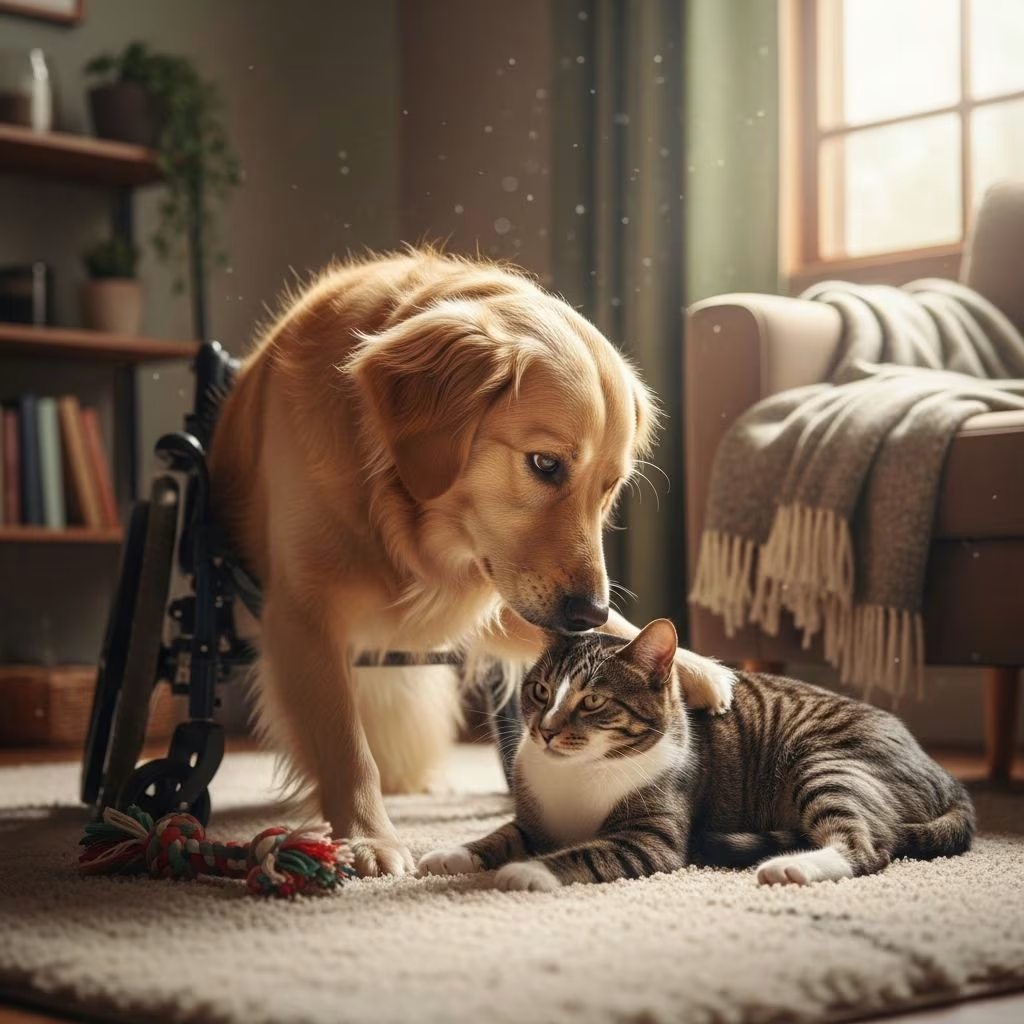
Understanding Pets with Disabilities: A Modern Approach to Care
The landscape of veterinary medicine has transformed dramatically over the past few decades. Not long ago, if a pet faced a serious illness, injury, or birth defect that significantly altered their body and changed their activities of daily living (ADLs), euthanasia was often considered the only humane option. However, advancements in veterinary medicine have fundamentally changed our understanding of how disabled pets can live long, fulfilling lives with excellent quality of care and support.
Today, pets with disabilities are recognized as valued family members who deserve compassionate care tailored to their unique needs. Whether a pet is born with a disability or develops one later in life, modern veterinary practices provide numerous strategies to ensure comfort, engagement, and happiness. With proper preventive veterinary care throughout a pet’s life, many animals will live long enough to potentially develop progressive degenerative conditions that may lead to disabilities. The good news is that these conditions no longer need to be viewed as life-ending; instead, they can be managed effectively to maintain quality of life.
Types of Pet Disabilities: Visible and Hidden
Pet disabilities come in many forms, and understanding the differences between visible and hidden disabilities is crucial for providing appropriate care and support.
Visible Disabilities
Some pet disabilities are immediately apparent to anyone who meets the animal. These obvious disabilities include missing limbs, severe mobility issues, or other physical conditions that clearly distinguish the pet from typical animals. The advantage of visible disabilities is that caregivers and the public often understand the pet’s needs more readily, allowing for swift accommodation and support.
Hidden Disabilities
Other pets have hidden disabilities that are not immediately obvious but still require significant lifestyle adaptations. These invisible conditions can be just as challenging to manage as visible disabilities and often require careful attention to ensure the pet receives appropriate support. Hidden disabilities require caregivers to be particularly thoughtful about daily routines and environmental modifications, even though the disability may not be apparent to casual observers.
The Three Pillars of Disability Care: Pain, Elimination, and Mobility
When caring for a pet with a disability, veterinarians and caregivers typically prioritize three main areas: pain relief, elimination management, and mobility support. Addressing these three pillars sequentially ensures comprehensive care that maximizes quality of life.
Priority One: Pain Relief and Management
Relieving pain is the absolute number one priority for any pet facing a disability. Chronic pain can severely diminish quality of life and prevent pets from engaging in normal behaviors. Fortunately, modern veterinary medicine offers numerous excellent pain management strategies, each suited to different causes and types of discomfort.
Pain management options include:
– Medications specifically designed for pain relief and inflammation reduction- Nutritional supplements that support joint health and comfort- Massage therapy to relieve tension and improve circulation- Acupuncture for natural pain relief- Chiropractic care to address spinal and musculoskeletal issues- Physical rehabilitation programs designed by veterinary specialists
With so many options available, veterinary healthcare teams can develop personalized pain management plans that address the unique needs of each disabled pet, ensuring maximum comfort and wellbeing.
Priority Two: Managing Elimination Issues
Once a comprehensive pain relief plan is in place, attention shifts to addressing any elimination issues the pet may experience. Urinary and fecal incontinence are common challenges for pets with certain disabilities, particularly those affecting the spine or nervous system. For example, pets with paralysis may be unable to urinate independently and will require assistance.
Your veterinary healthcare team will provide detailed guidance and instruction on how to help your pet manage elimination needs. This may include:
– Techniques for manually expressing the bladder- Medication to assist with bladder control- Strategies for managing fecal incontinence- Environmental modifications to accommodate elimination needs- Regular monitoring to prevent complications like urinary tract infections
Proper management of elimination issues prevents discomfort, maintains dignity, and helps prevent secondary health complications that could further compromise quality of life.
Priority Three: Addressing Mobility Challenges
After pain and elimination issues have been addressed, the focus shifts to mobility. Mobility compromise can occur across a spectrum, ranging from mild weakness and chronic joint injury to complete paralysis or limb amputation. Each situation presents unique challenges but also unique opportunities for creative adaptations.
Adapting a pet’s lifestyle to accommodate compromised mobility is often limited only by the caregiver’s imagination and resources. The goal is to help the pet maintain as much independence and activity as possible within their physical limitations.
Mobility Solutions and Assistive Devices
Modern pet care offers numerous innovative solutions to help disabled pets maintain mobility and independence.
For Small Pets
Cats and small dogs can often be transported using specially designed packs or modified infant slings. These devices allow caregivers to safely carry their pets while keeping their hands free for other tasks. Small pets may also benefit from ramps, steps, or elevated platforms that reduce the need for jumping or climbing stairs.
For Larger Dogs
Larger dogs have different transportation needs. Many pet parents successfully use wagons pulled by humans to transport their disabled dogs around the home and yard. This solution maintains the dog’s engagement with their environment while protecting them from further injury.
Wheelchair and Mobility Devices
Pets with rear limb paralysis or profound weakness often learn remarkably quickly how to use specially designed wheelchairs that they can pull behind them as they move. These devices give paralyzed pets unprecedented mobility and independence. For pets with compromised front limbs, modified wheelchairs designed specifically for front-leg mobility issues are also available.
Additional Assistive Devices
Beyond wheelchairs and carriers, other assistive devices can help with everyday mobility:
– Ramps and steps for navigating furniture and outdoor areas- Harnesses that provide support and allow caregivers to assist with movement- Booties or protective footwear to prevent pressure sores- Non-slip flooring to improve traction- Orthopedic bedding that reduces pressure on joints and paralyzed limbs
Managing Hidden Disabilities: Blindness and Deafness
Hidden disabilities require thoughtful, individualized approaches to ensure affected pets can navigate their world safely and confidently.
Blindness in Pets
Blindness can be acquired due to illness or injury, or it can be present from birth. Blind pets face unique challenges in navigating their environment safely. One critical consideration is stairs: blind dogs should not have unsupervised access to stairs, as they risk serious injury from falls. However, blind cats are generally able to negotiate stairs safely, likely due to their superior balance and spatial awareness.
Blind animals can be trained to localize and follow sounds such as clicks and whistles, which allows them to navigate more independently. In multi-pet households, blind pets often develop a beautiful bond with another animal in the home, relying on their sighted companion to lead the way. This inter-pet relationship can significantly enhance quality of life and reduce anxiety.
Deafness in Pets
Like blindness, deafness can be acquired or present from birth. The primary safety concern for deaf pets involves protection from traffic and other environmental hazards they cannot hear. Deaf pets must never have unsupervised outdoor access. However, with proper safety precautions, deaf animals can otherwise live entirely normal lives with normal life expectancies.
Deaf pets can be trained to respond to visual signals such as hand gestures, vibrations, and light patterns. Many deaf pets adapt remarkably well to their condition, and their owners often report that deafness has minimal impact on quality of life when proper safety measures are in place.
Mental and Cognitive Disabilities
Other invisible disabilities include issues affecting mentation (mental awareness), such as cognitive dysfunction and anxiety disorders. These disabilities are as real and as serious as the loss of a limb, and they require their own specialized management strategies. Cognitive dysfunction in aging pets and anxiety disorders require veterinary intervention, behavioral modification, medication, and environmental adjustments to help affected pets cope and thrive.
Creating a Comfortable Environment
Beyond specific medical interventions, creating a supportive home environment is essential for disabled pets.
Environmental modifications might include:
– Keeping food, water, and litter boxes easily accessible- Using non-slip flooring to prevent falls- Installing ramps or steps to navigate elevation changes- Creating a designated comfortable resting area with orthopedic bedding- Reducing environmental hazards and obstacles- Maintaining a consistent routine to reduce anxiety- Providing mental stimulation appropriate to the pet’s abilities
These adjustments help disabled pets navigate their daily lives with greater independence and confidence while preventing secondary injuries or complications.
Rehabilitation and Physical Therapy
Veterinary rehabilitation specialists play a crucial role in caring for many disabled pets. A customized home exercise plan developed by a veterinary rehabilitation therapist can provide numerous benefits, including pain relief, muscle relaxation, increased blood flow to affected areas, and valuable mental stimulation.
For paralyzed pets specifically, rehabilitation exercises are designed to help minimize muscle loss, increase core strength, and potentially improve mobility. Additionally, the time spent on rehabilitation provides valuable bonding time between pet and caregiver, which itself contributes to improved quality of life and mental health for both.
Frequently Asked Questions
Q: Can disabled pets live a normal lifespan?
A: Yes, many disabled pets can live a normal or nearly normal lifespan. With proper veterinary care, pain management, and environmental adaptations, disabled pets often achieve excellent quality of life and longevity comparable to non-disabled pets.
Q: What should I do if my pet develops a disability?
A: Contact your veterinarian immediately. They can properly diagnose the condition, recommend pain management strategies, and develop a comprehensive care plan tailored to your pet’s specific needs and disabilities.
Q: Are there financial resources available for caring for disabled pets?
A: Yes, various animal charities and organizations provide support for pet owners caring for disabled pets. Additionally, many veterinary clinics offer payment plans and can connect you with local resources.
Q: How can I tell if my pet’s quality of life is good?
A: Work with your veterinarian to assess your pet’s quality of life. Generally, good quality of life is indicated by pain-free days, engagement with family members, ability to eat and drink, and willingness to participate in activities appropriate to their ability level.
Q: Will my disabled pet be able to play and have fun?
A: Absolutely. With creative adaptations, most disabled pets can continue to play and engage with their families in ways suited to their abilities. Many disabled pets maintain their personality and joy for life.
Conclusion: Embracing a Different Life, Not a Diminished One
No matter what makes a pet different, difference alone need not mean the end of a life. The combination of enthusiasm coupled with pragmatism can be the key to a long, happy, and fulfilling life for pets facing disabilities. Your veterinarian is your best source for accurate information, guidance, and comprehensive support when making a care plan for a disabled pet. They can help you navigate the challenges, celebrate the victories, and ensure that your special animal companion receives the compassionate, individualized care they deserve. With modern veterinary advances and a commitment to your pet’s wellbeing, disabled pets can and do thrive.
References
- Pets with Disabilities Overview — VCA Animal Hospitals. 2025. https://vcahospitals.com/know-your-pet/pets-with-disabilities-overview
- Homecare for Paralyzed Pets — VCA Animal Hospitals. 2025. https://vcahospitals.com/know-your-pet/homecare-for-paralyzed-pets
- VCA Animal Hospitals: World-Class Veterinary Care — VCA Animal Hospitals. 2025. https://vcahospitals.com



