

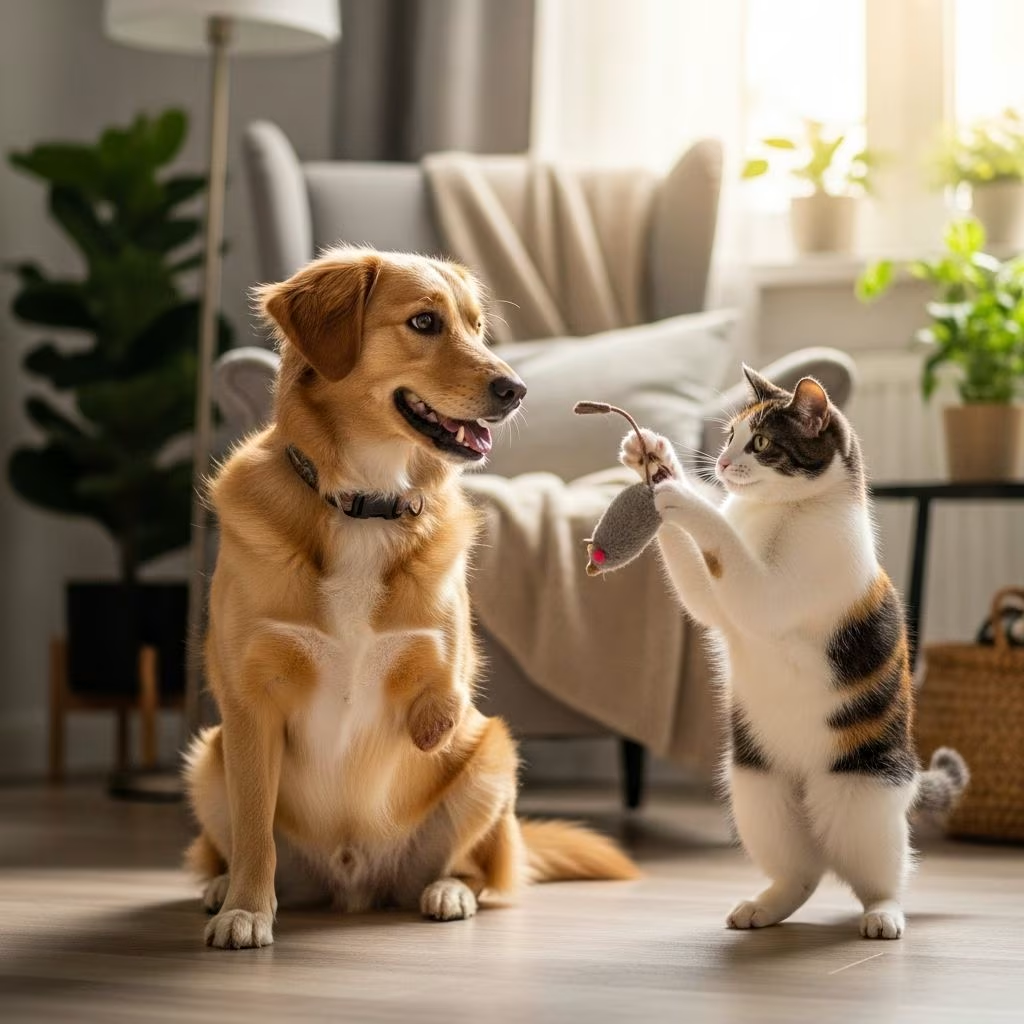
Animals demonstrate extraordinary adaptability following limb amputation, often returning to active lifestyles with proper support. Veterinary experts note that most pets adjust swiftly, maintaining high quality of life through targeted care and rehabilitation.
Understanding Limb Amputation in Pets
Limb removal in pets typically addresses severe conditions like bone cancer, irreparable injuries, or chronic infections. For dogs and cats, this procedure eliminates pain sources while preserving overall vitality. According to veterinary surgeons, the prognosis for functional use of remaining limbs is favorable, with many pets achieving near-normal activity levels post-recovery.
Common causes include osteosarcoma in older dogs, traumatic accidents in active breeds, and congenital deformities. Unlike humans, pets lack the psychological burden of self-image concerns, focusing instead on physical adaptation. Their flexible spines and muscular systems enable weight redistribution across three limbs efficiently.
Immediate Post-Surgical Care Essentials
The first 48 hours demand a controlled environment to minimize stress and promote healing. Provide a quiet space with soft bedding, non-slip surfaces, and restricted movement using crates or gates. Monitor for stable breathing, alertness, and incision integrity; contact your vet for any distress signs like excessive lethargy or vomiting.
- Administer prescribed pain medications and antibiotics precisely to prevent complications.
- Change bandages daily, using sterile gauze, adhesive tape, and flexible wraps as guided; expect mild swelling initially.
- Support bathroom outings with slings or harnesses to aid balance without straining the site.
- Prevent licking by using e-collars, ensuring suture safety until removal at 10-14 days.
Hospital stays vary from one to several days, after which pets often walk better than pre-surgery if the lost limb caused lameness.
Nutrition and Hydration for Optimal Healing
A balanced diet accelerates tissue repair and maintains ideal body weight, crucial for tripod pets to avoid overburdening joints. Begin with bland, digestible foods transitioning to nutrient-rich options high in protein and omega-3s for anti-inflammatory benefits.
| Nutrient | Benefit | Sources |
|---|---|---|
| Protein | Muscle repair | Lean meats, fish |
| Omega-3 Fatty Acids | Joint health | Fish oil supplements |
| Glucosamine | Cartilage support | Joint formulas |
| Antioxidants | Immune boost | Berries, veggies |
Ensure constant fresh water access; add low-sodium broth if needed to combat dehydration risks like dry gums. Weight management prevents excessive strain on remaining legs.
Rehabilitation Strategies for Strength and Balance
Professional rehab transforms instinctive adaptation into optimized mobility. Therapists employ exercises starting post-suture removal (around 2-3 weeks) to build core strength, improve posture, and safeguard joints.
Key techniques include:
- Balance exercises on unstable surfaces like wobble boards.
- Controlled walks on varied terrains to enhance proprioception.
- Gentle massages and passive stretches for muscle relaxation.
- Hydrotherapy in warm pools to reduce joint impact while building endurance.
Owners can replicate at home: monitor gait for shifts, encourage short leashed walks, and avoid stairs initially. Early intervention yields best results, though benefits persist lifelong.
Advanced Mobility Solutions and Orthotics
For pets showing fatigue or joint stress, custom orthoses stabilize high-load areas like elbows or stifles. These non-invasive devices correct alignment, easing compensatory strain.
Other aids include:
- Wheelchairs for full support during transition.
- Ramps and harnesses for home accessibility.
- Prosthetics for select cases, fitted post-healing.
Integrate with vet check-ups to assess ongoing needs.
Monitoring for Complications and Long-Term Health
Healing spans 2-8 weeks, with full adaptation varying by age and health. Watch for redness, discharge, or behavioral changes signaling issues.
Long-term, annual exams track joint health; maintain lean weight and activity to prevent arthritis.
Emotional Well-Being and Owner Support
Tripods may experience temporary anxiety; counter with routines, affection, and mental stimulation via puzzle toys. Owners often need reassurance—support groups like Tripawds foster community.
Frequently Asked Questions (FAQs)
Will my pet be in pain after amputation?
With proper meds, pain is well-managed; most feel better sans painful limb.
How long until normal activity?
Light activity at 2-3 weeks, full by 4-8 weeks with rehab.
Can older pets adapt?
Yes, though slower; rehab and weight control aid success.
Is rehab necessary?
Highly recommended for optimal joint health and confidence.
What about cats?
Cats adapt similarly, often leaping adeptly on three legs.
Building a Thriving Future for Tripawds
Dedicated care empowers pets to run, play, and engage post-amputation. Collaborate with vets and rehab specialists for tailored plans ensuring vitality.
References
- Thriving After Canine Amputation: Recovery & Orthotic Support — Wimba Vet, Dr. Emily Hall DVM. 2023. https://wimba.vet/dog-amputation-recovery/
- Amputation Surgery Recovery Guide For Your Pet — Animal Outpatient Surgery. 2024. https://animaloutpatientsurgery.com/amputation-post-op/
- Amputation Surgery: What to Expect During and After the Procedure — Animal Emergency Temple. 2023. https://www.animalemergencytemple.com/blog/amputation-surgery-what-to-expect-during-and-after-the-procedure
- Preparing for Canine Amputation Surgery Post-Care — ELVH. 2023-12. https://elvh.ca/wp-content/uploads/2023/12/ELVH-Handout-Preparing-for-Canine-Amputation-Surgery-Post-Care.pdf
- Leg Amputation: Will My Dog Be Okay? — CSU Animal Cancer Center. 2019-05-03. https://www.csuanimalcancercenter.org/2019/05/03/dog-leg-amputation/
- Leg Amputation in Dogs — PetMD. 2024. https://www.petmd.com/dog/procedure/leg-amputation-in-dogs
- Tri-pawds: Recovering from Leg Amputation — Canine Rehab OC. 2023. https://www.caninerehaboc.com/post/tripawds



