
Undefined Pets And Street Drugs: Prevention & Emergency Care
Discover how illicit substances threaten companion animals, from symptoms to lifesaving treatments and prevention strategies.
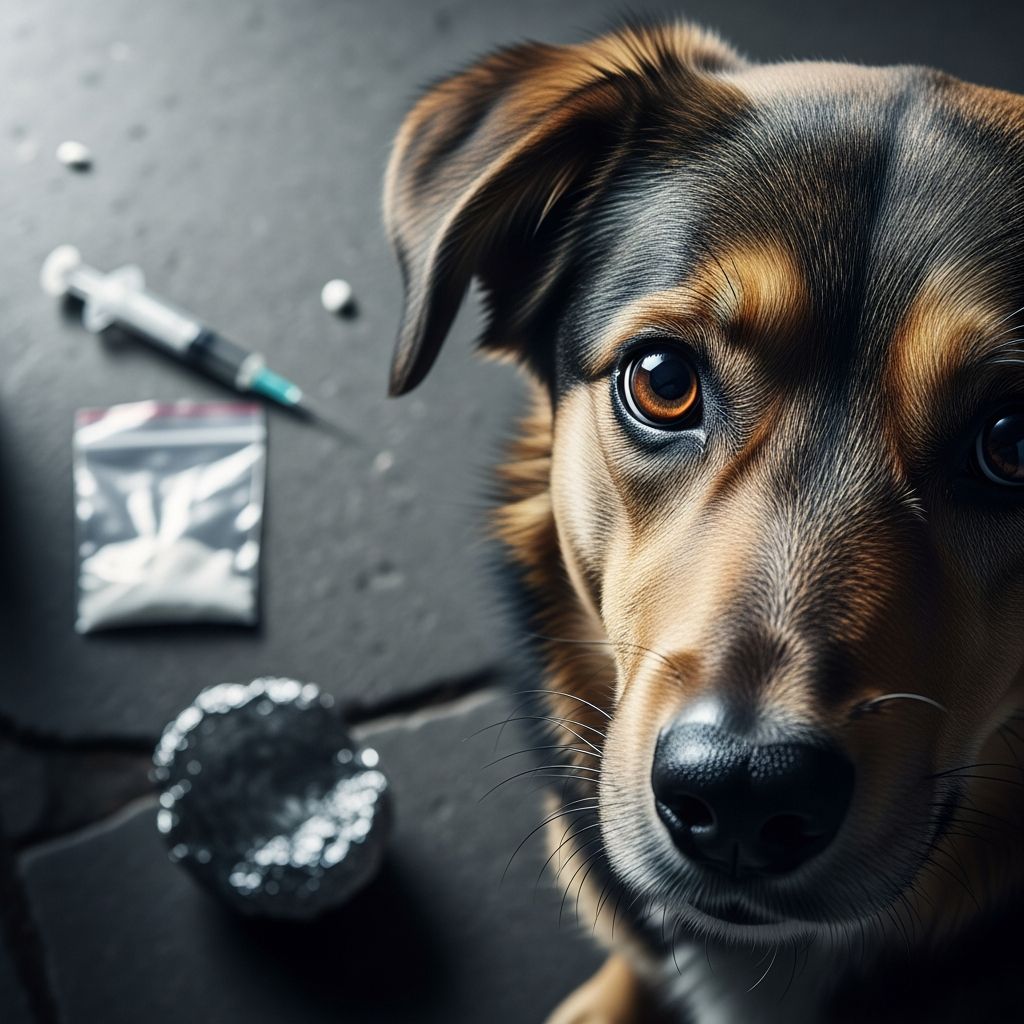
Companion animals frequently encounter illicit substances through accidental ingestion, inhalation, or skin contact, leading to severe health crises that demand immediate veterinary intervention. These exposures often stem from human drug use in the home, discarded paraphernalia, or even working dogs in enforcement roles sniffing out contraband.
Why Pets Face Illicit Drug Risks
Homes with drug activity pose unique threats to pets, as curious dogs and cats investigate residues on floors, fabrics, or discarded items. Veterinary records show marijuana, amphetamines, cocaine, heroin, and hallucinogens topping exposure lists for household pets and police canines. Routes include oral uptake from edibles or powder, inhaling smoke or vapors, and dermal absorption from patches or spills. Signs emerge rapidly, within minutes, persisting 12-24 hours, encompassing gastrointestinal distress, neurological disruptions, cardiovascular instability, and breathing difficulties.
Common Culprits: Marijuana and Cannabinoids
Marijuana remains the most reported illicit exposure in pets, often via edibles laced with high THC concentrations. Dogs exhibit profound depression, unsteady gait, dilated pupils, urinary incontinence, and slowed heart rates. Cats display similar lethargy but with heightened vocalization. Severe cases involve coma or seizures. Treatment prioritizes stabilization: intravenous fluids combat low blood pressure, temperature regulation prevents hypothermia, and anti-emetics curb vomiting. Activated charcoal binds residual toxins if given early.
- Key symptoms: Ataxia, bradycardia, mydriasis, vomiting.
- Management: Supportive care; avoid emetics post-onset.
- Prognosis: Excellent with prompt care; most recover fully.
Amphetamines: Stimulant Overload in Pets
Amphetamines like methamphetamine trigger hyperactivity, tremors, elevated body heat, rapid heartbeat, and high blood pressure in exposed animals. Pets may pant excessively, seize, or vocalize incessantly. Hyperthermia poses the gravest risk, potentially causing clotting disorders or organ failure. Cooling protocols, sedatives such as diazepam, and blood pressure monitors form the treatment backbone. Beta-blockers address tachycardia cautiously.
| Drug | Dog Symptoms | Cat Symptoms | Lethal Dose Estimate |
|---|---|---|---|
| Amphetamines | Agitation, hyperthermia, seizures | Tremors, vocalization, collapse | Variable; 15 mg/kg fatal in trials |
| MDMA (Ecstasy) | Mydriasis, salivation, circling | Bradycardia, depression | 9-15 mg/kg severe |
Cocaine: Cardiovascular Chaos
Cocaine hydrochloride proves deadly at intravenous doses around 13 mg/kg in dogs, with oral thresholds higher. Pets suffer agitation, dilated pupils, tremors, seizures, irregular heart rhythms, and dangerously high temperatures. Respiratory failure or clotting issues claim lives in untreated cases. Decontamination via lavage suits early presentations; sodium bicarbonate counters arrhythmias from sodium-potassium channel blockade.
Opioids: Heroin and Beyond
Heroin induces pinpoint pupils, profound sedation, slowed breathing, and coma in pets, with cats showing greater sensitivity. Initial aggression yields to collapse; hypoxia drives mortality. Naloxone reverses effects swiftly, restoring respiration. Multiple doses may be needed for sustained binders like fentanyl analogs.
- Reversal agent: Naloxone (0.02-0.04 mg/kg IV/IM).
- Monitoring: Continuous oxygen, ventilation support.
Hallucinogens and Mushrooms
Psilocybin mushrooms provoke head bobbing, seizures, drooling, and behavioral oddities. Supportive therapy manages most episodes, though rare fatalities occur from status epilepticus. LSD exposures mimic these with added mydriasis and anxiety.
Emerging Threats: Veterinary Drugs in Street Supplies
Street drugs increasingly incorporate veterinary pharmaceuticals like xylazine, medetomidine, carfentanil, acepromazine, and phenylbutazone, amplifying pet risks if residues persist. Xylazine, an alpha-2 agonist, causes sedation, low blood pressure, and bradycardia. Medetomidine heightens these with superior potency. Carfentanil, a super-potent opioid, lurks in fentanyl-laced samples, demanding extreme caution. Acepromazine and phenylbutazone appear as adulterants, inducing hypotension or inflammation.
Seizure data reveals xylazine surges: 193% rise in U.S. South from 2020-2021, now contaminating UK supplies with opioids and benzodiazepines. Medetomidine proliferates in North America, absent in UK as of mid-2024. Carfentanil detections dipped slightly but remain underreported due to screening gaps.
Clinical Management Strategies
Diagnosis hinges on history, as tox screens lag. Stabilize ABCs: airway, breathing, circulation. Decontaminate judiciously—emesis risks aspiration in CNS-altered patients. Charcoal multi-doses for enterohepatic recirculation. Control seizures with benzodiazepines, phenothiazines. Hyperthermia demands aggressive cooling; monitor electrolytes, acid-base balance.
- General protocol: IV fluids, thermoregulation, cardiac monitoring.
- Drug-specific: Naloxone for opioids, cyproheptadine for serotonin syndrome.
Prevention: Securing Homes from Drug Hazards
Owners must store paraphernalia securely, dispose of residues promptly, and educate on risks. Police K9 handlers train for avoidance, yet ingestions occur. Public awareness campaigns highlight pet vulnerabilities to illicit exposures.
Case Studies in Pet Recovery
A dog ingesting meth-laced edibles showed seizures and 107°F fever; cooling, diazepam, and fluids led to discharge in 48 hours. Heroin-exposed cat reversed with naloxone, breathing normalizing within minutes. These underscore timely intervention’s value.
Frequently Asked Questions
What should I do if my pet ingests drugs?
Contact a vet or poison hotline immediately; note substance, amount, time. Do not induce vomiting without guidance.
Can marijuana kill my dog?
Fatalities are rare but possible in massive doses; most survive with care.
Are new adulterants like xylazine a pet concern?
Yes, residues from human use can sedate or collapse pets severely.
How do I prevent exposures?
Secure storage, clean spills, avoid smoking near pets.
What’s the prognosis for amphetamine poisoning?
Good if hyperthermia controlled early; delays raise fatality risk.
Long-Term Impacts and Research Gaps
Survivors may face lingering neurological deficits or organ damage. Ongoing studies track adulterant trends, urging expanded tox screening. Veterinary nurses play pivotal roles in triage, owner education, and advocacy.
References
- Illicit Drugs: What Veterinary Nurses Need to Know — Today’s Veterinary Nurse. 2023. https://todaysveterinarynurse.com/toxicology/illicit-drugs-what-veterinary-nurses-need-to-know/
- From Veterinary Medicine to Illicit Drug Supply: Utilising Social Media Data — PMC (PubMed Central). 2024-07-15. https://pmc.ncbi.nlm.nih.gov/articles/PMC11852530/
- It’s not just marijuana anymore: A review of illicit drugs — Pet Poison Helpline (MVMA Proceedings). 2010. https://www.petpoisonhelpline.com/wp-content/uploads/2011/09/MVMA-2010-Review-of-illicit-drugs-Conferene-Proceedings-by-Ahna-Brutlag.pdf
- Veterinary Drugs as Toxic Adulterating Substances in the Street Drug Supply — Lisbon Addictions Conference. 2023. https://www.lisbonaddictions.eu/presentations/veterinary-drugs-toxic-adulterating-substances-street-drug-supply
- Toxicities from Illicit and Abused Drugs — Merck Veterinary Manual. 2023. https://www.merckvetmanual.com/toxicology/toxicities-from-human-drugs/toxicities-from-illicit-and-abused-drugs
Similar Articles








Read full bio of medha deb


