

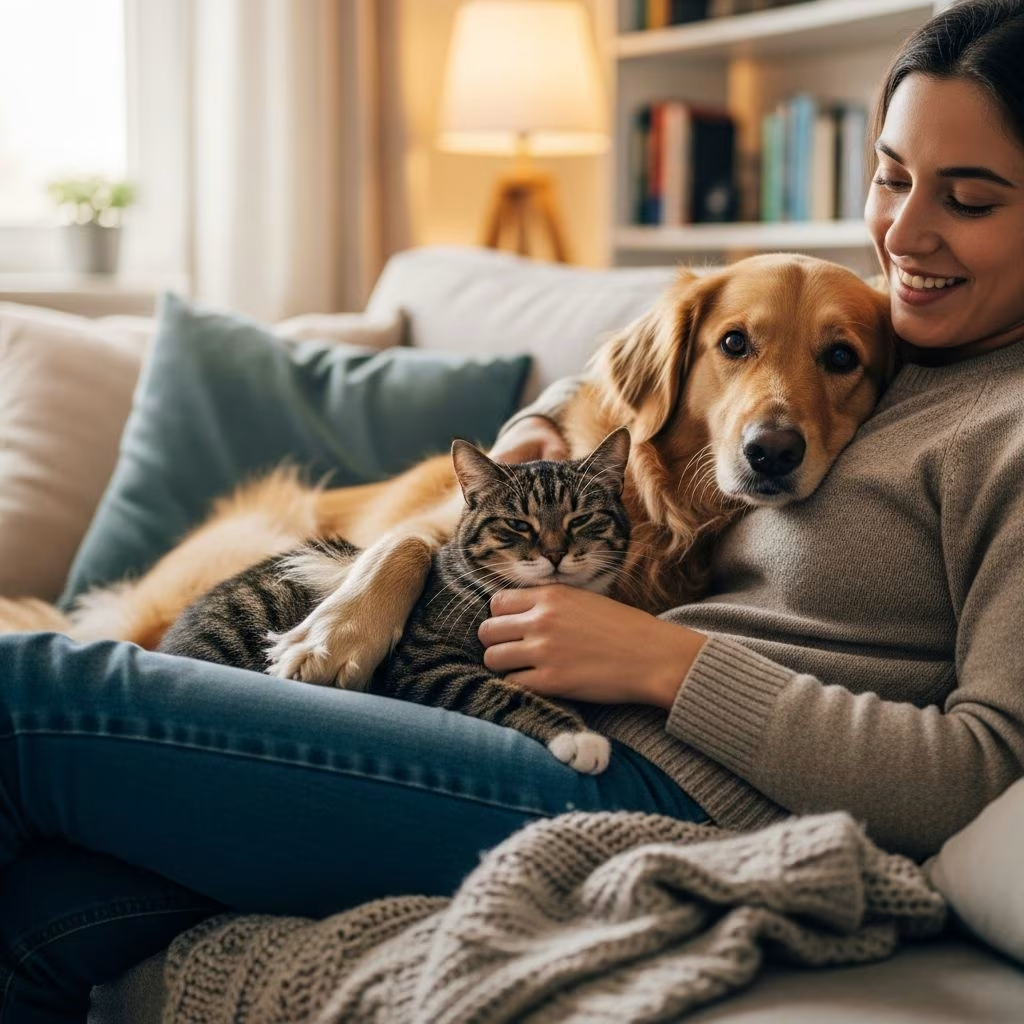
New Survey Reveals That Pets Are Better Cuddlers Than Partners
In a world filled with constant change and uncertainty, our pets have become more than just companions—they’ve become our emotional anchors. A comprehensive survey by Chewy of hundreds of pet parents has revealed a striking finding: more than half of pet parents (53%) say their pet is a better cuddler than their partner. This surprising statistic opens the door to understanding the profound emotional bonds we share with our furry family members and why they’ve become such integral parts of our lives.
The depth of the pet-parent relationship extends far beyond simple companionship. Pets serve as expert cuddlers, closest confidants, biggest cheerleaders, and in many cases, soulmates. The survey demonstrates that pets are much more than animals we care for—they represent genuine family members whose presence enriches our emotional lives in unprecedented ways.
Understanding the Pet-Parent Bond
The relationship between pets and their parents is remarkably complex and emotionally layered. When asked about their pets, respondents revealed the multifaceted nature of these connections:
- 84% consider their pets family members
- 50% view their pet as their child
- 42% say their pet is their best friend
- 14% consider their pet their soulmate
These statistics highlight a fundamental shift in how modern pet parents perceive their relationships with animals. The pet-parent bond has evolved from a traditional owner-pet dynamic into something far more personal and emotionally significant. This transformation reflects a broader cultural recognition that pets fulfill deep psychological and emotional needs for humans.
Emotional Connection and Understanding
One of the most compelling findings from the survey centers on the emotional understanding between pets and their parents. An impressive 89% of respondents agree that their pets understand their emotions, creating a feeling of connection that’s sometimes even stronger than the ones we experience with other people. This perceived understanding forms the foundation of the unique bond that makes pets such effective emotional support systems.
The communication between pets and parents goes beyond words. While the debate continues about whether pets truly understand our spoken language, the survey reveals that we don’t need words to have meaningful interactions with our animals:
- 86% regularly talk to their pet each day
- 96% say their pet is there for them through good and bad times
- 89% believe their pets understand their emotions
This daily communication and emotional presence create a support system that many pet parents find invaluable. Whether sharing daily thoughts, seeking comfort during difficult times, or celebrating joyful moments, pets become our reliable companions through all of life’s circumstances.
The Sacrifices Pet Parents Make
Given how much pets mean to their parents, it’s unsurprising that pet parents are willing to make significant sacrifices for their animals’ happiness and wellbeing. These sacrifices demonstrate the depth of commitment and love that characterizes the modern pet-parent relationship:
- 60% regularly share their bed with one or more of their pets
- 55% of those who sleep with their pet would sacrifice a good night’s sleep for their pet’s comfort
- 42% have included or would include their pet in their will
- 95% agree that their pet loves them unconditionally
These numbers reveal that pet parents view their animals not as possessions but as family members deserving of legal protections and practical consideration. The willingness to sacrifice sleep and include pets in wills demonstrates a level of commitment typically reserved for human family members.
When it comes to comparing pets and human partners, the preference for pet companionship becomes even clearer. 60% of those with children shared that their pet is better behaved and a better listener, and 50% of pet parents said their pets make them laugh more often than their partner. These comparisons suggest that pets offer unique emotional benefits that human relationships sometimes fail to provide.
Creative Expressions of Pet Love
Pet parents celebrate their furry companions in increasingly creative and public ways. From spontaneous songs to curated social media accounts, pet parents find numerous outlets for expressing their affection:
- 33% make up songs about their pet
- 38% have made a social media account for their pet
- 35% admit their pet takes up more than half of their camera roll
- 21% of married pet parents have included their pet in their wedding
The creation of dedicated social media accounts and the prominence of pet photos in camera rolls reflect how central pets have become to our digital lives. Pets are no longer background elements—they’re the stars of our online presence, worthy of their own accounts and constant documentation.
Personality Mirrors: Sharing Traits With Your Pet
Many pet parents believe they share personality characteristics with their animals, describing themselves and their pets with identical traits. This phenomenon suggests a deep psychological identification with our pets, where we see reflections of ourselves in their behavior and temperament:
| Shared Personality Trait | Percentage of Pet Parents |
|---|---|
| Loyal | 66% |
| Friendly | 65% |
| Affectionate | 64% |
| Playful | 53% |
With 73% of respondents saying they share personality traits with their pets, it appears that pet ownership creates a unique mirroring effect. Pet parents see their own positive characteristics reflected in their animals, creating an even stronger bond based on perceived similarity and mutual understanding.
Celebrating Pets Through Home and Fashion
The celebration of pets extends beyond digital spaces into the physical world. Pet parents honor their companions through home décor, personal fashion, and memorabilia:
- 42% dress their pets in clothing, with 10% owning shirts showing off their furry pal
- 57% of pet parents have some sort of memorabilia celebrating their pet in their homes
The most common forms of pet memorabilia include framed photos, coffee mugs, paintings, and blankets. These tangible tributes serve as constant reminders of the special place pets occupy in our lives and homes. Whether displaying a cherished photograph on the mantle or wearing a t-shirt featuring their pet’s face, pet parents actively incorporate their animals into their daily lives and personal identity.
The Science Behind Pet Cuddles
The preference for pet cuddles over human ones isn’t merely emotional—there’s actual science supporting why pets make such effective cuddlers. Research has shown that interactions between humans and dogs increase oxytocin levels, commonly known as the “feel-good hormone,” in both people and their pets. This biological response creates a genuine physiological basis for the comfort and joy we experience when cuddling with our animals.
Additionally, studies have demonstrated that direct eye contact between dogs and humans can increase oxytocin levels, creating a bonding moment that transcends species barriers. When we cuddle with our pets, we’re not just experiencing emotional comfort—we’re participating in a biochemical exchange that benefits both parties and reinforces the strength of our bond.
Pets as Emotional Anchors in Uncertain Times
In an era characterized by rapid social change and unprecedented uncertainty, pets provide stability and emotional grounding that many human relationships cannot offer. They don’t judge us, demand explanations, or create the complications that can arise in human partnerships. Instead, they offer unconditional presence and support, making them invaluable emotional anchors during life’s challenging moments.
The survey’s findings make sense when considered in this context. Pet parents have discovered that their animals provide something increasingly rare in human relationships: consistent, non-judgmental companionship without the emotional complications that often accompany human partnerships. Pets are simply there—ready to cuddle, listen, and provide comfort whenever needed.
Frequently Asked Questions (FAQs)
Q: Is it normal to prefer cuddling with my pet over my partner?
A: According to the survey, yes—53% of pet parents feel the same way. This preference often stems from the non-judgmental, unconditional nature of pet companionship. Pets provide comfort without the emotional complexities that can arise in human relationships.
Q: How can I strengthen my bond with my pet?
A: Regular physical affection through cuddling and petting, daily communication, quality time together, and consistent care all strengthen the pet-parent bond. The survey shows that 86% of pet parents talk to their pets daily, which contributes to emotional connection.
Q: Do pets actually understand our emotions?
A: While pets may not understand emotions exactly as humans do, research indicates they respond to our emotional states and can sense when we’re sad or stressed. About 89% of survey respondents believe their pets understand their emotions, and scientific studies support this perception.
Q: Is it okay to include my pet in my will?
A: Absolutely. About 42% of survey respondents have included or would include their pet in their will. This is a responsible way to ensure your pet’s care and wellbeing after you’re gone, reflecting the family status many pet parents assign to their animals.
Q: Why do pet parents create social media accounts for their pets?
A: With 38% of pet parents having social media accounts for their pets, it’s a way to celebrate and share the joy their animals bring. These accounts allow pet parents to connect with other pet lovers and document their pet’s life and personality.
References
- Interactions between humans and their dogs increased oxytocin levels — Anthrozoös Journal. 2012. Peer- reviewed research on human-dog bonding and neurochemical responses.
- Direct eye contact between dogs and humans increases oxytocin — Anthrozoös Journal. 2012. Study demonstrating the role of eye contact in strengthening human-animal bonds through hormonal responses.



