

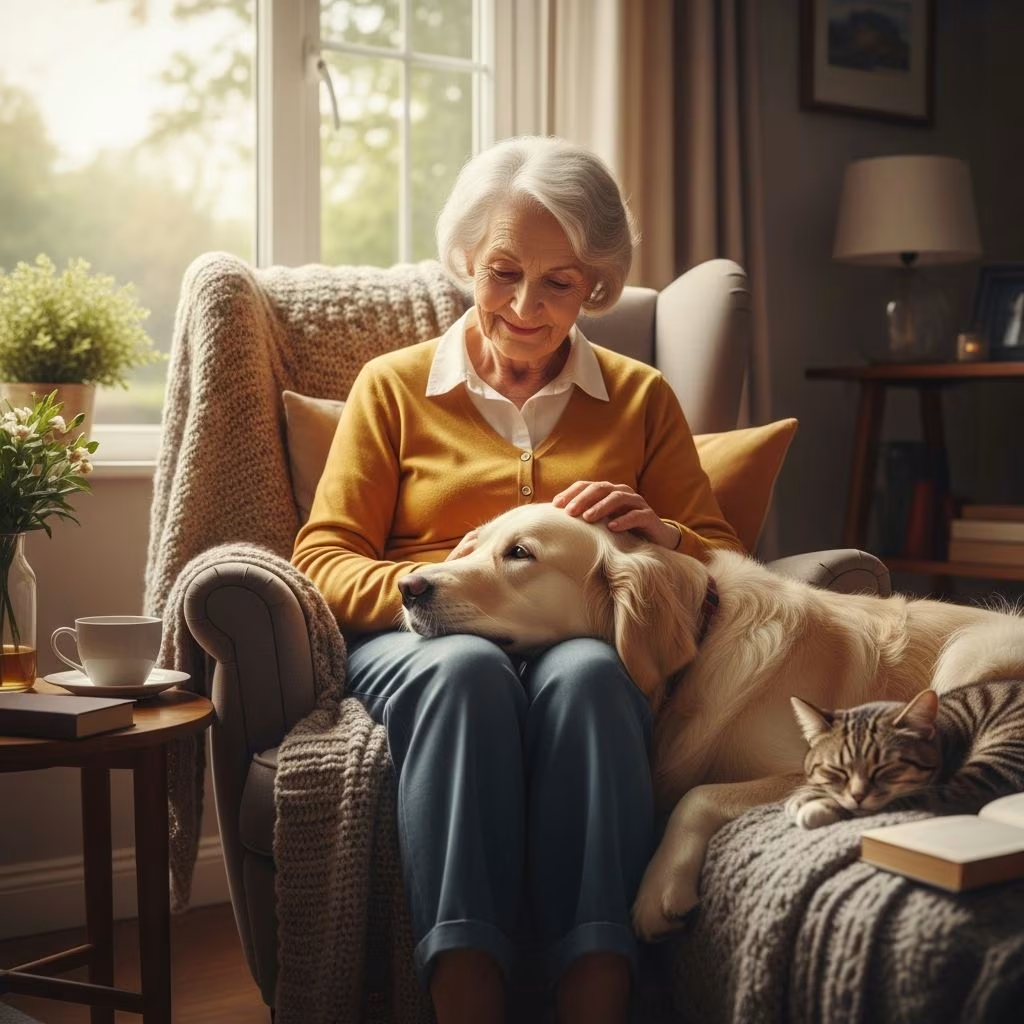
Companion animals offer older adults a unique source of joy, routine, and emotional stability in their later years. Research consistently shows that pets contribute to improved quality of life for seniors by fostering social connections, encouraging movement, and alleviating feelings of isolation.
The Emotional Lift from Furry Friends
One of the most compelling advantages of pet ownership for seniors is the profound reduction in loneliness. Over three-quarters of older pet owners report that their animals help lower stress levels and provide a sense of purpose. For those living alone or with limited family visits, pets deliver unconditional affection that combats depression and boosts mood.
Studies highlight how interacting with pets triggers oxytocin release, mimicking human bonding hormones. This biochemical response not only elevates happiness but also strengthens emotional resilience, particularly for homebound individuals. Seniors often describe their pets as family members who offer daily motivation to engage with the world.
- Daily companionship: Pets fill quiet homes with presence and interaction.
- Stress relief: Petting or playing reduces cortisol, promoting relaxation.
- Purposeful routine: Feeding and caring instill structure in daily life.
Physical Activity Boosted by Playful Pals
Pets naturally encourage seniors to stay active, which is crucial for maintaining mobility and preventing chronic conditions. Dog owners, in particular, benefit from regular walks that enhance cardiovascular health and muscle strength. A University of Michigan poll found that two-thirds of pet-owning adults over 50 credit their animals with keeping them physically engaged.
Even low-energy interactions like brushing a cat or watching fish can prompt subtle movements that accumulate into meaningful exercise. For seniors with fair or poor health, 70% note that pets help manage physical symptoms and distract from pain. This incidental activity supports independence and delays the need for assisted living.
| Pet Type | Activity Encouraged | Health Impact |
|---|---|---|
| Dogs | Walking, fetching | Improved heart health, agility |
| Cats | Play, grooming | Flexibility, reduced sedentary time |
| Birds/Fish | Observing, feeding | Mild movement, cognitive engagement |
Cognitive Sharpening Through Pet Care
Long-term pet ownership correlates with slower cognitive decline in adults over 65. Regular contact with animals, whether owning or visiting, links to better mental acuity independent of age. Tasks like training, feeding schedules, and observing pet behaviors stimulate memory and problem-solving skills.
A study in the Canadian Journal on Aging revealed that seniors value pets for providing continuity and meaning, which sustains mental sharpness amid aging changes. NIH research further confirms pet owners exhibit superior cognitive function compared to non-owners.
Navigating the Hurdles of Senior Pet Ownership
Despite the upsides, challenges persist. Financial strain affects 18-20% of senior pet owners, with vet bills and supplies straining fixed incomes. One in six prioritizes pet health over their own, sometimes skipping meals.
Housing restrictions pose another barrier; many facilities ban pets or impose fees, complicating aging in place. Physical limitations, like mobility issues or illness, can make care demanding, and travel becomes tricky.
Practical Strategies to Overcome Obstacles
- Seek pet-friendly senior housing or advocate for policy changes.
- Utilize community programs for low-cost vet care and supplies.
- Explore therapy pet visits for non-owners.
- Volunteer networks for pet-sitting during medical needs.
Types of Pets Ideal for Older Adults
Not all pets suit every senior. Dogs provide security and exercise but require more upkeep; smaller breeds or those with lower energy suit limited mobility. Cats offer independent companionship with minimal outdoor demands.
Low-maintenance options like birds, fish, or even rabbits provide stimulation without intense physical commitment. Matching pet personality to lifestyle ensures mutual benefit.
- Assess energy levels: Choose calmer animals for sedentary seniors.
- Consider allergies/space: Hypoallergenic or small pets for apartments.
- Test compatibility: Short-term fostering before full adoption.
Community and Policy Support Growing
Initiatives like the Humane Society’s pet assistance for homebound seniors demonstrate community commitment. More assisted living facilities now permit pets, recognizing their health value. Policymakers are urged to expand affordable, pet-inclusive housing to support aging with companions.
Healthcare providers should inquire about pets during checkups, integrating them into wellness plans. Programs pairing therapy animals with seniors yield measurable drops in blood pressure and heart rate.
Real-Life Transformations: Stories of Joy
Seniors often share how pets reignite social lives—walks lead to neighbor chats, vet visits to new friends. One study noted pet owners’ pride in caregiving despite hardships, underscoring deep bonds. These relationships foster resilience, turning potential isolation into vibrant engagement.
Frequently Asked Questions
Are pets safe for seniors with health conditions?
Yes, with proper matching; pets aid coping with symptoms but consult doctors for allergies or mobility limits.
How much do pets cost seniors annually?
Average $1,000-$2,000 for food, vet care; seek subsidies to ease budgets.
Can pets help with dementia?
Regular interaction supports cognitive health and reduces agitation.
What if a senior can’t care for their pet anymore?
Rehoming networks and senior pet programs ensure smooth transitions.
Do apartments allow senior pets?
Increasingly yes under fair housing laws; check local options.
In summary, pets enrich senior years by weaving companionship, activity, and purpose into daily life, outweighing challenges with targeted support.
References
- Pets Bring Benefits and Challenges for Seniors, Study Shows — Psychology Today. 2024-12-01. https://www.psychologytoday.com/us/blog/fellow-creatures/202412/pets-bring-benefits-and-challenges-for-seniors-study-shows
- Pets Play a Role in Healthy Aging — SourcePoint. 2019-12-01. https://mysourcepoint.org/2019/12/pets-play-a-role-in-healthy-aging/
- Poll: Pets Help Older Adults Cope with Health Issues — Michigan Medicine. Undated (recent poll). https://www.michiganmedicine.org/health-lab/poll-pets-help-older-adults-cope-health-issues
- Pet Ownership Patterns and Successful Aging Outcomes — NIH/PMC. 2020-06-25. https://pmc.ncbi.nlm.nih.gov/articles/PMC7330097/
- Health Benefits of Having Pets | Pets for the Elderly — Pets for the Elderly. Undated. https://www.petsfortheelderly.org/our-work/research.php



