
Petroleum Poisoning In Pets: Signs, First Aid, What To Do
Essential guide to recognizing, treating, and preventing dangerous petroleum exposures in dogs and cats for pet owners.
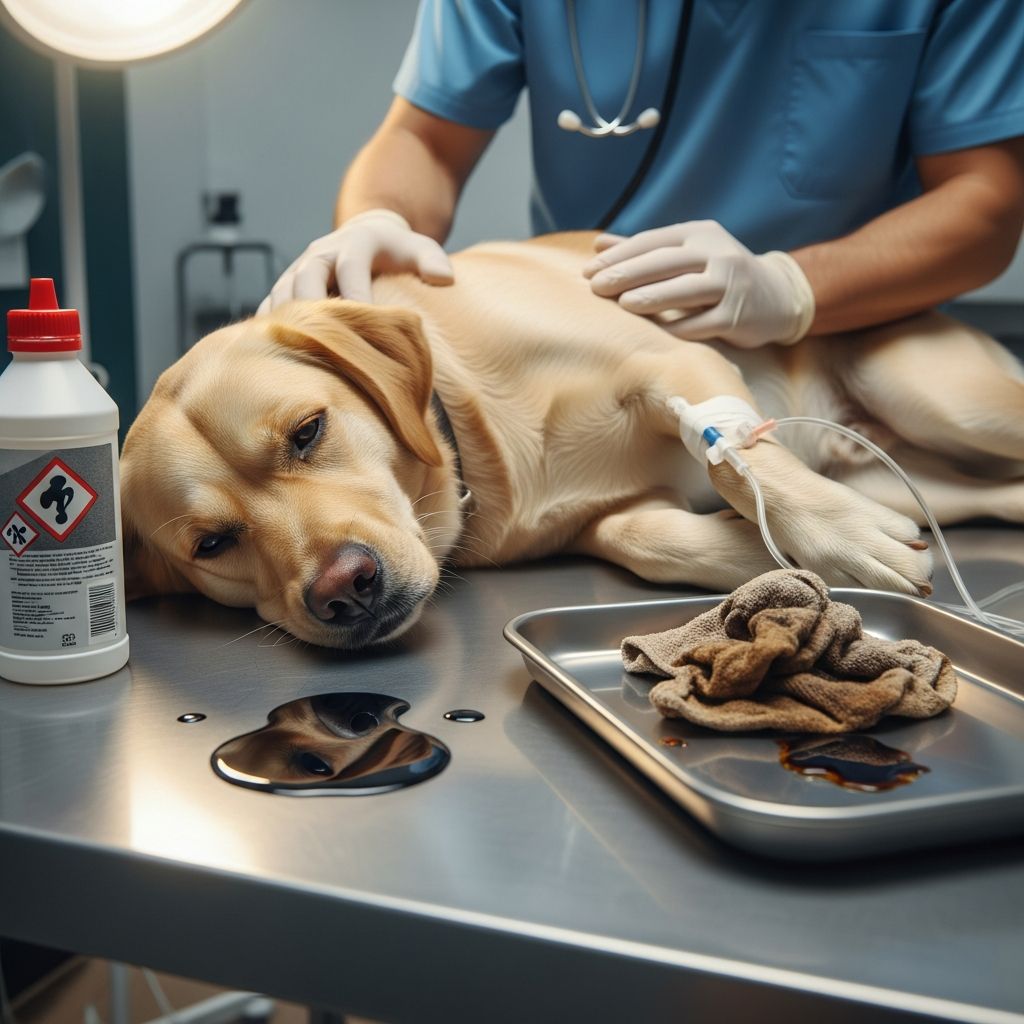
Petroleum products, found in everyday items like gasoline, motor oil, and solvents, pose a serious threat to dogs and cats. These hydrocarbons can cause rapid and severe health issues upon ingestion, inhalation, or skin contact, often leading to life-threatening complications such as aspiration pneumonia. Understanding the risks helps pet owners act swiftly to save lives.
Common Sources of Petroleum Hazards at Home
Household environments are rife with petroleum-based substances that pets can access easily. Garage spills from motor oil, lawnmower fuel leaks, or open paint thinner containers are frequent culprits. Pets may lap up puddles or chew on soaked rags, mistaking them for toys. Outdoor risks include antifreeze drips from vehicles or kerosene from heaters. Even seemingly harmless items like spot removers or furniture polishes contain volatile hydrocarbons that evaporate quickly, increasing inhalation dangers.
Statistics from veterinary reports indicate that curiosity-driven exposures peak in puppies and kittens, but adult pets remain vulnerable during home maintenance tasks. Awareness of these sources is the first step in mitigation.
Recognizing Early Warning Signs
Symptoms of petroleum poisoning manifest quickly, often within minutes to hours. Initial indicators include a strong petroleum odor on the pet’s breath, fur, or paws. Gastrointestinal upset follows with vomiting—sometimes oily—and diarrhea, accompanied by excessive drooling or pawing at the mouth due to irritation.
Neurological effects progress to dizziness, uncoordinated movements resembling drunkenness, tremors, or lethargy. Respiratory distress is particularly alarming: coughing, gagging, rapid shallow breathing, or blue-tinted gums signal cyanosis from oxygen deprivation.
- Gastrointestinal: Vomiting (oily content), diarrhea, abdominal discomfort, hypersalivation.
- Respiratory: Choking, coughing, dyspnea, oily nasal discharge, potential pneumonia.
- Neurological: Ataxia, head shaking, confusion, seizures (rare but severe).
- Dermal/Ocular: Skin redness, burns, eye irritation, jaw chomping.
- Systemic: Fever, weakness, irregular heartbeat, collapse, coma.
These signs vary by exposure route and product volatility; lighter fluids like gasoline act faster than heavier oils.
How Petroleum Toxins Affect Pet Physiology
Hydrocarbons dissolve cell membranes, causing burns in the mouth, esophagus, and stomach lining. Upon aspiration—when liquids enter the lungs—they trigger chemical pneumonitis, an inflammatory response far more damaging than bacterial pneumonia. Lungs fill with fluid, impairing gas exchange and leading to hypoxia.
Systemically, toxins depress the central nervous system, explaining ataxia and coma. Cardiac sensitization increases arrhythmia risk, especially with inhalant exposure. Skin contact defats the epidermis, causing dermatitis and secondary infections if licked.
| Exposure Type | Primary Effects | Severity Level |
|---|---|---|
| Skin Contact | Irritation, dryness, potential ingestion via grooming | Mild to Moderate |
| Ingestion | GI burns, vomiting, aspiration risk | Moderate to Severe |
| Inhalation/Aspiration | Pneumonitis, respiratory failure | Life-Threatening |
This table summarizes impact levels, emphasizing why inhalation demands urgent intervention.
Immediate Response Protocols for Pet Owners
Time is critical—rush to a vet without delay. Do not induce vomiting; this heightens aspiration pneumonia risk as hydrocarbons float on stomach contents.
For skin exposure, gently rinse with lukewarm water and mild dish soap, avoiding vigorous scrubbing that drives toxins deeper. Flush eyes with saline or water if affected. Note the product type, amount, and time of exposure for the vet.
- Remove pet from source and ventilate area.
- Wipe excess liquid from fur/mouth with damp cloths.
- Transport to clinic; monitor breathing en route.
Avoid home remedies like milk or oils, which worsen absorption.
Veterinary Diagnosis and Assessment
Vets confirm via history, physical exam, and diagnostics. Radiographs detect lung infiltrates from aspiration. Blood gases assess oxygenation; ECG monitors heart rhythm. Baseline labs check for dehydration or organ strain.
Differential diagnoses include other toxins or infections, but the petroleum smell and oily residues are hallmarks.
Core Treatment Strategies
Treatment prioritizes decontamination and support. Activated charcoal binds toxins if given soon after ingestion, though gastric lavage may be used cautiously within 2-4 hours.
Respiratory support includes oxygen therapy via mask or cage, escalating to ventilation for severe cases. IV fluids correct dehydration and support circulation. Anti-emetics prevent vomiting; gastroprotectants like sucralfate soothe burns.
Antibiotics target secondary pneumonia only after confirmation. Skin cases require medicated baths and topicals. Neurologic symptoms may need anticonvulsants; cardiac issues, anti-arrhythmics.
Monitoring During Recovery
Hospitalization lasts 24-72 hours with serial chest X-rays, pulse oximetry, and bloodwork. Most mild cases stabilize quickly, but pneumonia can linger weeks.
Prognosis Factors and Long-Term Outlook
Outcomes hinge on exposure amount, aspiration occurrence, and treatment speed. Uncomplicated ingestions yield good recovery; severe pneumonitis carries poor prognosis due to delayed signs.
Survivors may face chronic cough or fibrosis. Repeated exposures risk cumulative lung damage. Early intervention boosts survival to over 80% in mild cases.
Prevention Blueprint for Pet-Safe Homes
Secure storage in locked cabinets or elevated shelves prevents access. Use drip pans under vehicles; promptly clean spills with absorbents. Fencing excludes pets from work areas.
- Opt for pet-safe alternatives like water-based cleaners.
- Supervise during yard work or renovations.
- Educate family on risks; post poison hotline numbers.
Annual home audits reduce incidents by 90%, per veterinary data.
Special Considerations for Dogs vs. Cats
Dogs, prone to chewing, face higher ingestion risks; cats’ grooming habits amplify dermal exposures. Both species share symptoms, but cats may show subtler neuro signs.
Frequently Asked Questions (FAQs)
What should I do if my pet licks motor oil?
Wipe mouth, rinse if possible, and seek vet care immediately—do not wait for symptoms.
Can small amounts cause harm?
Yes, even drops can aspire during grooming, leading to pneumonia.
How long do symptoms take to appear?
Respiratory issues can emerge in hours; pneumonia days later.
Is aspiration pneumonia treatable?
Supportive care helps, but prognosis worsens with delay.
What household items contain hydrocarbons?
Gasoline, kerosene, lighter fluid, some glues and paints.
Key Takeaways for Pet Owners
Petroleum poisoning demands vigilance: recognize odors and distress, act fast without inducing vomit, and prioritize professional care. Prevention through secure storage saves lives and avoids heartache.
References
- Poisoning by Petroleum Products in Dogs — PetMD. 2023. https://www.petmd.com/dog/conditions/respiratory/c_multi_petroleum_hydrocarbon_toxicos
- Poisoning by Petroleum Products in Cats — PetMD. 2023. https://www.petmd.com/cat/conditions/respiratory/c_ct_petroleum_hydrocarbon_toxicos
- Poisoning by Petroleum Products in Dogs — WagWalking. 2023. https://wagwalking.com/condition/poisoning-by-petroleum-products
- Vet’s 2025 Guide to Canine Petroleum Hydrocarbon Toxicosis — AskAVet. 2025-01-01. https://askavet.com/blogs/news/vet-s-2025-guide-to-canine-petroleum-hydrocarbon-toxicosis-%F0%9F%90%BE-when-household-products-poison
- Gasoline and Petroleum Toxicity in Dogs — PetPlace. 2023. https://www.petplace.com/article/dogs/pet-health/gasoline-and-petroleum-toxicity-in-dogs
- Petroleum Product Poisoning — Merck Veterinary Manual. 2023. https://www.merckvetmanual.com/special-pet-topics/poisoning/petroleum-product-poisoning
- Petroleum Distillates Is Toxic To Pets — Pet Poison Helpline. 2023. https://www.petpoisonhelpline.com/poison/petroleum-distillates/
Similar Articles








Read full bio of medha deb


