

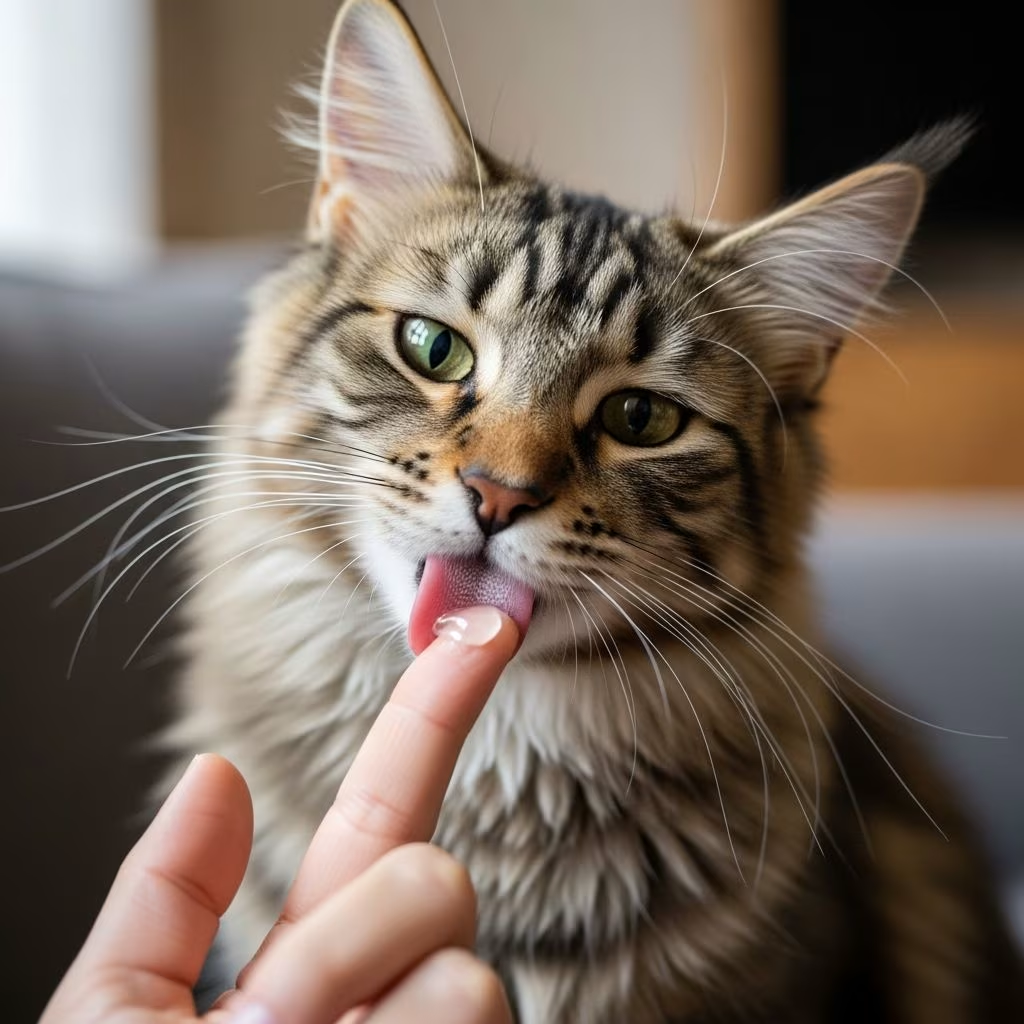
Hairballs are a common concern for cat owners, occurring when cats ingest loose fur during grooming that accumulates in their digestive system. While occasional hairball episodes are normal, frequent occurrences can indicate that additional intervention might help. One remedy that has gained attention in both household remedies and veterinary recommendations is petroleum jelly. Understanding how this substance works, its benefits, and associated risks can help pet owners make informed decisions about their cat’s digestive health.
What Makes Petroleum Jelly Suitable for Cats
Petroleum jelly is not considered toxic for cats when administered in appropriate quantities. The substance consists primarily of mineral oils and waxes that have undergone extensive purification processes. Modern petroleum jelly products are triple-purified, removing harmful substances and ensuring safety for both human and animal use.
The fundamental reason petroleum jelly works differently than many other remedies lies in its chemical composition. Unlike many substances that are absorbed through the skin or digestive tract, petroleum jelly remains essentially inert when ingested. This means it passes through the cat’s system without being absorbed by the intestinal walls, making it a passive agent that facilitates hairball movement rather than interacting with the body’s absorption mechanisms.
The Mechanism Behind Hairball Relief
When cats ingest petroleum jelly, it creates a lubricating layer throughout the digestive tract. This protective coating helps facilitate the passage of hair and other materials that may have accumulated in the stomach or intestines. The substance essentially acts as a biological lubricant, reducing friction and making it easier for hairballs to move through the system naturally.
Many commercial hairball remedies and supplements available at pet stores contain petroleum jelly as their primary active ingredient. These products typically include added flavorings to make them more appealing to cats, though unflavored petroleum jelly can be equally effective. Veterinarians often recommend these specialized products because they combine the lubricating properties of petroleum jelly with flavoring agents that encourage consumption.
Typical Application Guidelines
- Standard dosing: approximately one-quarter teaspoon of pure petroleum jelly twice daily
- Treatment duration: usually 3 days is sufficient for most cases
- Frequency: can be adjusted based on individual cat needs and veterinary recommendations
- Palatability: many cats accept unflavored petroleum jelly directly without resistance
Safety Considerations and Potential Risks
While petroleum jelly is generally safe for cats, certain precautions must be observed. The primary concern involves the inhalation of petroleum jelly rather than ingestion. Mineral oils found in petroleum jelly products can be harmful when inhaled, potentially causing aspiration pneumonia and lung-related complications.
Aspiration Risk and Prevention
The danger of aspiration is particularly elevated when petroleum jelly is forcibly administered to a cat. Forcing a cat to consume the substance increases the likelihood that small amounts may be inadvertently inhaled rather than swallowed. This can allow petroleum jelly particles to enter the lungs, where they can cause inflammation and infection. To minimize this risk, it is advisable to allow cats to consume petroleum jelly voluntarily when possible, and to keep the substance away from the cat’s nasal area.
Digestive System Impact
Another consideration involves the effect of petroleum jelly on nutrient and water absorption. While the lubricating properties help move hairballs through the digestive tract, this same mechanism can interfere with the body’s ability to absorb water and essential nutrients. Regular or excessive consumption of petroleum jelly may contribute to digestive issues including diarrhea and dehydration. Cats with pre-existing health conditions may be particularly vulnerable to these complications, making veterinary consultation especially important for individuals with compromised digestive or immune systems.
When to Use Petroleum Jelly and When to Seek Alternatives
Petroleum jelly works best as an occasional intervention for managing hairballs rather than as a long-term daily supplement. Cats that experience infrequent hairball episodes may benefit from short-term petroleum jelly treatment, while those with chronic or severe hairball issues may require different approaches.
Consider petroleum jelly as your first option if your cat:
- Experiences occasional hairball incidents (less than monthly)
- Has no known digestive disorders or health complications
- Is able to consume the substance without force or resistance
- Has veterinary clearance for this treatment method
Explore alternative solutions if your cat:
- Has chronic hairball problems requiring frequent intervention
- Experiences frequent digestive upset or diarrhea
- Has underlying medical conditions affecting digestion
- Shows resistance to consuming petroleum jelly products
Comparing Petroleum Jelly to Other Hairball Remedies
| Remedy Type | Primary Mechanism | Effectiveness for Hairballs | Absorption Rate | Key Advantages |
|---|---|---|---|---|
| Petroleum Jelly | Lubricating barrier | High | Non-absorbed | Proven track record, minimal side effects in short-term use |
| Coconut Oil | Natural lubricant | Moderate | Partially absorbed | Natural ingredient, some cats prefer taste |
| Castor Oil | Mild laxative | Moderate | Partially absorbed | May stimulate bowel movement, but can cause cramping |
| Specialized Hairball Supplements | Lubricant with fiber | High | Varies by formulation | Flavor-enhanced, often include digestive support |
Proper Selection and Storage of Petroleum Jelly Products
Not all petroleum jelly products are appropriate for cats. It is essential to select pure, medical-grade petroleum jelly without additives, special flavorings, or other ingredients. Products marketed with additional compounds or fragrances may contain substances that are not safe for feline consumption. Common brands that offer appropriate medical-grade options include established petroleum jelly manufacturers that produce products specifically suitable for topical and internal pet use.
When storing petroleum jelly intended for your cat, keep it in a cool, dry location away from direct sunlight and heat sources. Proper storage helps maintain the product’s integrity and prevents degradation. Additionally, store the product securely to prevent your cat from accessing it independently, as unsupervised consumption could lead to overexposure.
Frequently Asked Questions About Petroleum Jelly for Cats
Is petroleum jelly toxic to cats?
Petroleum jelly is not considered toxic when ingested in small, appropriate doses. The substance is inert and does not absorb through the digestive tract, making small amounts safe for feline consumption.
How long does it take for petroleum jelly to work on hairballs?
Most cats show improvement within 3 days of regular petroleum jelly treatment. However, individual responses vary based on the severity of the hairball accumulation and the individual cat’s digestive efficiency.
Can I use flavored petroleum jelly products?
While flavored products are available for pets, unflavored, pure petroleum jelly is preferable. Flavorings may introduce unnecessary additives, and unflavored versions are generally better tolerated and safer for cats.
What should I do if my cat inhales petroleum jelly?
If you suspect your cat has inhaled petroleum jelly, contact your veterinarian immediately. Aspiration into the lungs can cause serious complications including pneumonia and requires professional medical evaluation and potential treatment.
Can I give petroleum jelly to kittens?
Kittens should generally not receive petroleum jelly as a routine supplement. Young cats rarely experience significant hairball problems, and their developing digestive systems may be more sensitive to disruptions in nutrient absorption. Consult your veterinarian before administering any hairball treatment to kittens.
The Importance of Veterinary Guidance
While petroleum jelly can be a useful tool in managing occasional hairballs, it should not be considered a substitute for professional veterinary care. Before beginning any petroleum jelly regimen for your cat, it is important to discuss this option with your veterinarian. Your vet can assess your cat’s individual health status, determine whether petroleum jelly is the most appropriate choice, and provide specific dosing recommendations based on your cat’s age, weight, and medical history.
Veterinarians may recommend petroleum jelly for some cats while suggesting alternative approaches for others. For cats with chronic hairball issues, your vet might recommend dietary changes, increased grooming, or prescription medications that address underlying causes rather than treating symptoms. Regular veterinary check-ups help identify whether your cat’s hairball episodes are within normal ranges or indicate a more serious health concern.
Preventive Measures Beyond Petroleum Jelly
While petroleum jelly addresses hairballs once they develop, prevention remains an important component of overall hairball management. Regular brushing reduces loose fur that cats ingest during self-grooming. Long-haired cats benefit particularly from daily brushing routines, which can significantly decrease the amount of hair entering the digestive system.
Dietary considerations also influence hairball frequency. High-quality cat foods with appropriate fiber content support digestive health and may reduce hairball incidents. Ensuring your cat has access to adequate fresh water supports digestive function and helps move materials through the system more efficiently.
Environmental enrichment and increased physical activity can also contribute to better digestive health. Active cats tend to experience fewer digestive issues, and maintaining healthy weight reduces strain on the digestive system.
Conclusion: Making an Informed Decision
Petroleum jelly offers cat owners a potentially useful option for managing occasional hairball episodes. Its non-toxic, non-absorbed nature makes it a relatively safe choice for short-term use in healthy cats. However, it is not without considerations and is best used under veterinary guidance rather than as a self-directed treatment.
The effectiveness of petroleum jelly for hairballs, combined with its accessibility and low cost, has made it a popular household remedy. Understanding its mechanisms, risks, and appropriate usage ensures that cat owners can make informed decisions that prioritize their pet’s health and safety. When in doubt, consulting with your veterinarian provides personalized guidance that accounts for your individual cat’s needs and health status.
References
- Can Cats Eat Vaseline? Vet-Approved Benefits & Precautions — Catster. https://www.catster.com/nutrition/can-cats-eat-vaseline/
- Should You Put Vaseline on Your Dog or Cat? — Dr. Jones (Veterinary Secrets). YouTube. https://www.youtube.com/watch?v=Fx4wP5rYLQM



