

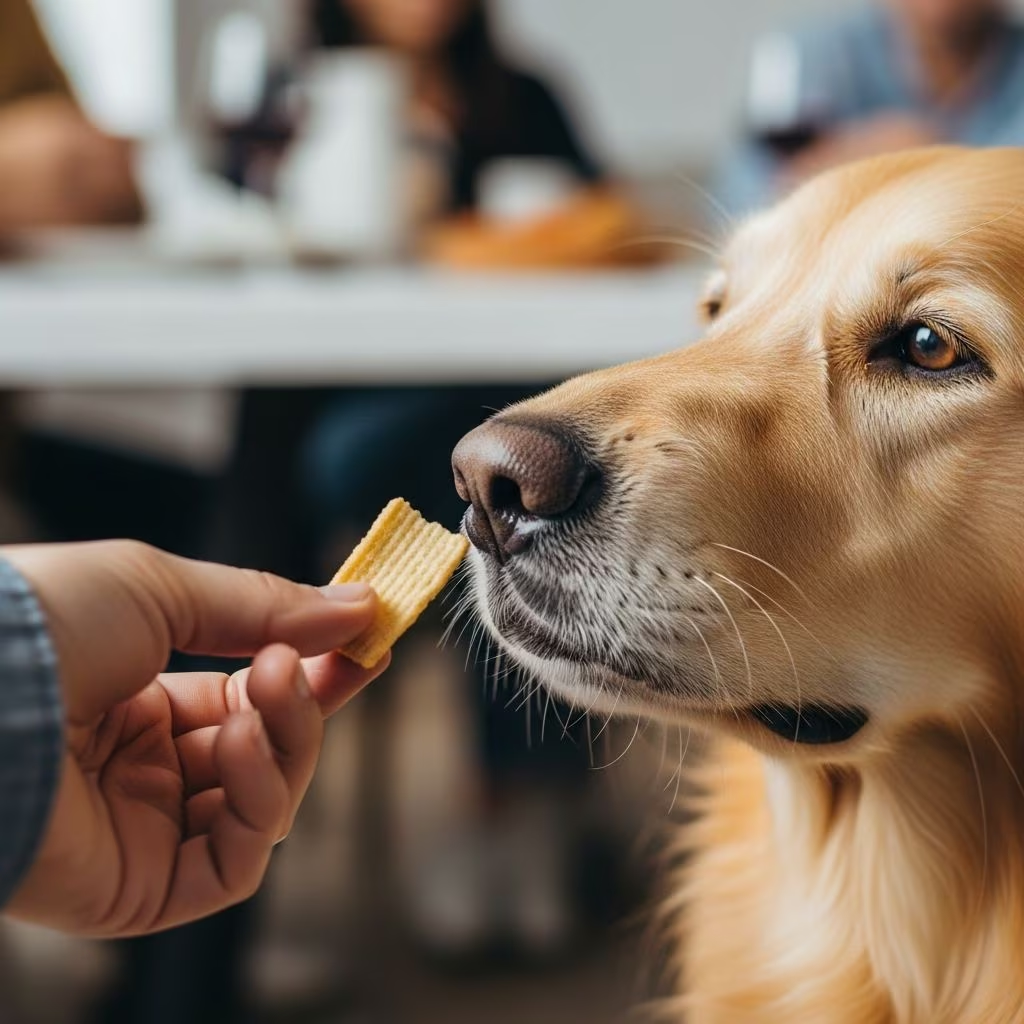
Petiquette: How Can I Stop Others from Giving My Dog Human Food?
One of the most challenging aspects of pet ownership isn’t just managing your own habits—it’s managing the habits of others around your furry friend. Whether it’s well-meaning relatives sneaking treats under the table, friends offering “just a tiny bite” of their lunch, or neighbors tempting your pup with leftovers, unwanted food-sharing can pose serious risks to your dog’s health and create behavioral problems. Understanding how to diplomatically but firmly prevent others from feeding your dog human food is an essential part of responsible pet parenting.
Understanding Why Human Food Is Dangerous for Dogs
Before you can effectively communicate with others about not feeding your dog human food, it’s important to understand the specific dangers involved. This knowledge will help you explain the risks to family members and guests with confidence and clarity.
Toxic Foods Dogs Should Never Eat
Some human foods are outright toxic to dogs and can cause serious harm or even death. These include chocolate, grapes, raisins, xylitol (artificial sweetener found in sugar-free products), onions, garlic, avocados, and alcohol. Many people don’t realize these everyday pantry items are dangerous, which is why education is crucial. For instance, grapes and raisins can cause kidney damage in dogs because they contain tartaric acid that canines cannot properly process. Chocolate contains theobromine, which is toxic to dogs and can cause vomiting, diarrhea, and even death in large amounts.
Digestive System Complications
Dogs have fundamentally different digestive systems than humans. They lack the proper enzymes to break down many human foods, and typical human food is too rich and fatty for their systems to handle comfortably. This can lead to vomiting, diarrhea, and more serious conditions like pancreatitis—an inflammation of the pancreas that can be life-threatening.[10] Even foods that seem harmless, like cooked bones or fatty table scraps, can cause intestinal blockages requiring emergency surgery.
Weight Gain and Associated Health Issues
Many pet owners underestimate how quickly small treats add up. A single ounce of cheddar cheese for a 20-pound dog is calorically equivalent to one and a half hamburgers for a person. Over 50% of dogs in the United States are overweight or obese, with table scraps being a major contributing factor. Excess weight leads to diabetes, arthritis, joint problems, and respiratory issues.
The Behavioral Consequences of Table Feeding
Beyond the immediate health risks, allowing others to feed your dog human food creates lasting behavioral problems that are difficult to break. When your dog learns that begging at the table results in treats, they’ll become increasingly persistent and difficult to manage during meals. This behavior can extend beyond your home—your dog may attempt to scavenge from guests’ plates, beg relentlessly, and refuse their own properly formulated dog food.
Even more concerning, this reinforcement of unwanted behavior can make your dog less obedient overall and create an annoying situation for everyone involved. What starts as a cute puppy begging for scraps can evolve into a full-grown dog with serious behavioral issues.
Communicating Boundaries Respectfully
The key to preventing others from feeding your dog human food lies in clear, respectful communication. Here’s how to approach different situations:
Prepare a Brief Educational Explanation
Before guests arrive or at family gatherings, have a concise explanation ready about why your dog can’t eat human food. Focus on the health risks rather than making people feel judged. You might say: “I appreciate you wanting to treat [dog’s name], but our vet has advised against human food because it can cause digestive issues and weight problems. Plus, some common foods like chocolate and grapes are actually toxic to dogs.”
Offer Approved Alternatives
Make it easy for people to show affection to your dog by providing safe alternatives. Keep a bowl of dog treats readily available and encourage guests to use these instead. You might say, “Here are some treats that are perfect for [dog’s name]! These are specially formulated for dogs and [he/she] loves them.” This gives people the opportunity to bond with your pet while respecting your boundaries.
Set Clear Rules Before Gatherings
When hosting or attending events with your dog, establish ground rules upfront. Send a message to family members or include a note with your invitation: “I’m bringing [dog’s name] to the gathering. To keep [him/her] healthy, please don’t feed [him/her] any human food. I’m bringing [his/her] treats if you’d like to give [him/her] something special.”
Use Positive Reinforcement
Thank people when they respect your boundaries. Say things like, “Thanks so much for not offering [dog’s name] any food—I really appreciate it!” This positive reinforcement makes people more likely to continue respecting your wishes in the future.
Handling Specific Situations
Family Members and Close Friends
With people you see regularly, have a more detailed conversation about your dog’s dietary needs. Explain that you’re not being strict arbitrarily but following veterinary guidance to ensure your pet’s long-term health. Share specific information about your dog’s weight, any existing health conditions, or veterinary recommendations.
Children
Children often don’t understand why they can’t share their snacks with a cute dog. Rather than simply saying “no,” explain that dogs have tummies that are different from kids’ tummies and that some people food can make dogs very sick. Teach them which dog treats are appropriate and supervise their interactions with your pet.
Restaurant and Social Settings
When dining out or at social gatherings, keep your dog close and be proactive about preventing food-sharing. Position your dog away from the table, use a leash, or put your dog in a crate if available. If someone approaches offering food, politely but firmly intercede: “Thank you for thinking of [dog’s name], but I need to keep [him/her] on a special diet. Here are some treats you can give instead.”
Neighbors and Casual Acquaintances
If neighbors are feeding your dog without permission, this requires a more direct approach. Politely but clearly explain that you’ve had your dog on a specific diet and would prefer they not offer food. If the behavior continues, limit your dog’s unsupervised access to these neighbors’ properties.
Emergency Preparedness
Despite your best efforts, there may be times when someone gives your dog human food anyway. Know the signs of food toxicity or digestive upset. If your dog has consumed human food and is reacting poorly with vomiting, diarrhea, lethargy, or abdominal pain, contact your veterinarian immediately. Some substances, like xylitol or grapes, require urgent veterinary attention even if your dog seems fine initially.
Creating a Dog-Friendly Environment
Beyond communication, make it easier for everyone to follow your rules by controlling the environment:
- Keep human food out of reach and discourage your dog from begging at the table
- Feed your dog at times separate from human meals
- Use baby gates or closed doors to keep your dog out of dining areas during meals
- Always have high-quality dog treats available as alternatives
- Train your dog strong “leave it” and “down” commands to redirect begging behavior
Building Consistency Across All Caregivers
For the boundaries to be effective, everyone in your dog’s life needs to follow the same rules. This includes family members, regular dog sitters, doggy daycare providers, and boarding facilities. When dropping your dog off with a caregiver, explicitly state, “Please don’t give [dog’s name] any human food—only use the treats I’ve provided.” Many behavioral and health problems arise when different people enforce different rules.
The Long-Term Benefits
Maintaining consistency about not feeding your dog human food pays dividends over time. Your dog will be healthier, maintain a better weight, have fewer digestive issues, and display better manners around the dinner table. The effort you invest in educating people about your dog’s dietary needs now prevents much larger problems—and potentially expensive veterinary bills—later.
Frequently Asked Questions
Q: Is it ever okay to give my dog a tiny piece of human food?
A: It depends on the food and the amount. Generally, treats should not exceed 10% of your dog’s daily caloric intake. Some foods like carrots or plain pumpkin in small quantities are generally safe, but toxic foods like chocolate, grapes, and onions should never be given in any amount. When in doubt, consult your veterinarian.
Q: How do I handle it if someone gives my dog food without asking?
A: First, stay calm. Monitor your dog for signs of illness. If it was a toxic food or your dog is showing symptoms of distress, contact your vet immediately. For future prevention, have a conversation with that person about your pet’s dietary restrictions and provide them with approved treat alternatives.
Q: What are the best dog treats to offer guests to give instead?
A: Choose high-quality commercial dog treats formulated for your dog’s size and age. You can also prepare simple homemade treats using dog-safe ingredients like plain pumpkin, peanut butter (xylitol-free), or sweet potato. Keep these easily accessible during gatherings.
Q: Can I explain the risks without sounding preachy?
A: Absolutely. Keep your explanation brief and informative rather than accusatory. For example: “Our vet recommended we stick to dog-specific food because of [dog’s name]’s sensitive digestion. We appreciate you understanding!”
Q: What should I do if my dog eats something toxic?
A: If you suspect your dog has eaten a toxic substance, contact your veterinarian or an animal poison control center immediately. Common toxic foods include chocolate, grapes, raisins, xylitol, onions, garlic, and avocados. Time is critical in treating food toxicity.
References
- People Foods to Avoid Feeding Your Pets — American Society for the Prevention of Cruelty to Animals (ASPCA). https://www.aspca.org/pet-care/aspca-poison-control/people-foods-avoid-feeding-your-pets
- Dangers of Feeding Your Pet Human Food — Caudle Veterinary Clinic. https://www.caudlevetclinic.com/dangers-of-feeding-your-pet-human-food/
- Should You Feed Your Pet Table Scraps? — St. Francisville Animal Hospital. https://stfrancisvilleanimalhospital.com/2022/07/should-you-feed-your-pet-table-scraps/
- Foods for People That Are Bad for Your Dog — U.S. Food and Drug Administration (FDA). https://www.fda.gov/consumers/consumer-updates/good-dog-bad-food-foods-people-are-bad-your-dog
- Why Dogs Should NOT Eat ‘People Food’ — PetMD. https://www.petmd.com/news/view/why-dogs-should-not-eat-people-food-34758
- Dogs & Table Food: Why to Avoid Feeding Them Scraps — Hill’s Pet Nutrition. https://www.hillspet.com/dog-care/nutrition-feeding/can-dogs-eat-table-food-or-scraps
- Human Foods to Avoid for Cats and Dogs — Agriculture Victoria, State Government of Victoria. https://agriculture.vic.gov.au/livestock-and-animals/animal-welfare-victoria/animal-welfare/human-foods-to-avoid-for-cats-and-dogs



