

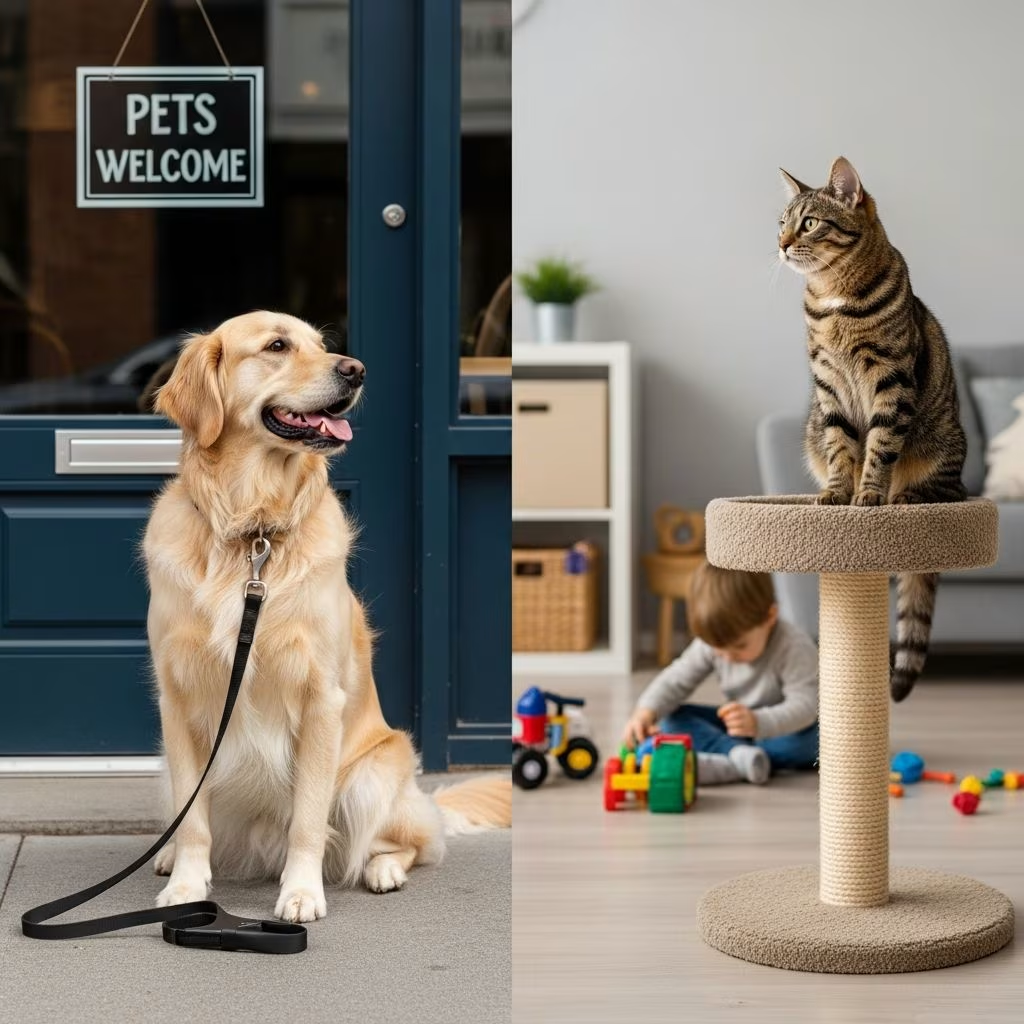
Pet Etiquette Guide: Essential Rules for Dog and Cat Parents
Pet ownership comes with significant responsibility, and understanding pet etiquette—or “petiquette”—is crucial for creating harmonious relationships between pet owners, their animals, and the broader community. Whether you're walking your dog through a crowded park or introducing your cat to new environments, knowing the proper rules of engagement helps ensure positive interactions and protects the well-being of all animals involved. This comprehensive guide covers everything pet parents need to know about proper behavior and respect in public and private settings.
Understanding Pet Etiquette: What It Means
Pet etiquette encompasses the standards of acceptable behavior that pet owners should uphold when interacting with others, both human and animal. As a pet parent, you are fully and completely accountable for your pet's behavior at all times—whether at home, visiting friends, or navigating public spaces. Just as parents are responsible for teaching children proper manners, pet owners must invest time and effort in training their animals to behave appropriately in various situations. This responsibility extends beyond simple obedience commands to include understanding your pet's body language, respecting others' boundaries, and contributing positively to your community.
The Foundation: Before You Leave Home
Proper pet etiquette begins before you even step outside your door. Before leaving your home and interacting with others outside your family, your dog should obey basic commands including “stop,” “down,” “come here,” “stay,” and “let it go.” These foundational commands are essential for managing your pet safely in various situations.
Additionally, never leave home without preparing a proper kit for your pet. Your essential pet bag should include:
- A properly fitted leash (approximately your height in length for optimal control)
- Poop bags and waste disposal supplies
- Cleaning wipes and towels
- Water bowl and fresh water
- Treats and toys for positive reinforcement
- Any necessary medications or emergency supplies
Dog Etiquette: Mastering Public Behavior
Managing Dog Behavior at Home
One of the most common petiquette violations occurs when dogs are allowed to beg for food from the table or jump on guests to greet them. These behaviors, while seemingly harmless or even cute, can be problematic and disrespectful. If your dog exhibits jumping or nipping behaviors when greeting guests, the solution is clear: enroll in an obedience class. Until training is complete, occupy your dog outside or in another room with a toy or treat to redirect their energy appropriately.
Walking and Public Spaces
When walking your dog in public areas such as parks, sidewalks, or shared community spaces, maintaining control is paramount. Keep your dog close to your side in busy areas, as not everyone loves dogs or feels comfortable around them. Always ask permission before allowing your dog to approach other people or animals.
A crucial aspect of being a responsible dog owner is managing waste appropriately. When your dog eliminates waste, you must scoop, bag, knot the bag, and dispose of it in the appropriate receptacle. Additionally, discourage your dog from urinating on private property or public lawns—solid non-living structures like lampposts are more appropriate alternatives. This practice protects community resources and shows respect to other residents.
Dog-to-Dog Interactions
Even if you're confident that your dog won't hurt another animal, always ask permission before allowing a dog-to-dog meet-and-greet. When another dog wants to engage in the traditional greeting ritual of sniffing, resist the urge to yank your leash or discipline your own dog. While this behavior might seem uncomfortable or embarrassing, it's a normal and important form of canine communication. However, if you sense genuine aggression or danger, politely excuse yourself and your pet from the situation.
Never give another dog a treat without first asking the owner's permission. Different dogs have different dietary needs, allergies, or sensitivities, and unauthorized treats can cause digestive upset or other health issues. Similarly, never discipline another person's pet—this is the owner's responsibility. If you observe concerning behavior, speak to the owner respectfully.
Meeting Children
When your dog wants to meet a child, the protocol is the same: ask the parent or guardian for permission first. Politely say, “Hi! Can they exchange greetings?” and respect even a subtle “no.” Never insist or pressure if a parent declines the interaction.
Cat Etiquette: Special Considerations for Feline Friends
Understanding Cat Behavior
Cats see the world differently than dogs. They're primarily motivated by territory and safety, which means handling cat etiquette requires a gentler, more cautious approach. Cats are naturally more reserved and require different management strategies when taken into public or new environments.
Using Carriers and Leashes
When taking your cat outside your home, a carrier isn't just for veterinary visits—it's your cat's safety zone. A quality carrier provides security and allows your cat to observe their surroundings from a safe, enclosed space. Choose a carrier that's comfortable and secure, with adequate ventilation and visibility.
While it's possible to leash-train a cat, patience is essential. Start the training process indoors, and ensure the harness fits snugly without being uncomfortably tight. Keep initial outdoor sessions short and positive to make the experience enjoyable rather than stressful. Never force your cat into situations they clearly find distressing.
Introducing Cats to Other Animals
Cats meeting dogs or other cats outside can lead to unpredictable outcomes. Always keep your cat in their carrier if a dog approaches, as not all dogs are cat-friendly, and not all cats appreciate a dog's curiosity or sudden movements. Be cautious and mindful of introducing your cat to other animals, and watch carefully for signs of stress or aggression. Your cat's comfort and safety should always be your first priority. If your cat shows signs of fear, hissing, or attempts to escape, it’s time to step back immediately.
General Rules for All Pet Parents
Never Assume Your Pet Is Welcome
When invited to someone’s home for an event or weekend, don’t automatically assume you can bring your pet along—even if your host has animals. Always ask explicitly whether you can bring your pet. Before taking your four-legged friend, ensure they meet the polite test: they should be clean and groomed, comfortable in new surroundings, enjoy meeting new people and other pets, and be thoroughly house-trained.
When visiting with your pet, arrive prepared with an emergency kit including leash, cleaning wipes, towels for wet paws, a water bowl, toys, treats, and poop scooping equipment. If your pet has an accident, take immediate action to clean it thoroughly and responsibly.
Respecting Others’ Comfort Levels
In social settings, keep your pet close and respect others’ comfort levels around animals. Some people may have allergies, phobias, or simply prefer not to interact with pets. Recognize and accept when someone declines interaction with your animal—they have their own valid reasons.
When on business calls at home, colleagues and clients should not be aware of your pet’s presence unless it’s “Bring your pet to work day.” If your dog barks during a conference call, excuse yourself, mute your phone, and address the situation before returning to the call. Professionalism and consideration for others’ experiences are essential aspects of modern petiquette.
Approach and Introduction Protocol
If you encounter a pet while out and about, follow these essential steps for proper introduction: First, always ask the owner’s permission before approaching their animal. Never assume a pet is friendly or wants interaction simply based on appearance. If the owner declines, respect their decision without argument or hurt feelings—they likely have good reasons, such as the animal recovering from surgery, recent vaccinations, shyness, or other concerns.
If the owner grants permission, approach slowly, avoid direct eye contact (which can be perceived as threatening), and offer your hand with palm down for the animal to sniff. Read the animal’s body language carefully to ensure they’re relaxed and comfortable with the interaction. Be gentle and watch for any signs of discomfort or stress.
Never Offer Food Without Permission
Even if you have pet treats or snacks, never give an animal food without explicit owner permission. While some pet parents appreciate the gesture, most will decline because unfamiliar foods can easily upset an animal’s stomach and cause serious digestive issues later. Always ask first.
Special Case: Service Dogs and Assistance Animals
Service dogs in vests should never be petted—not even if you ask. These dogs are working or in training, performing critical jobs that help their owners navigate daily life. Petting them is disrespectful and dangerously distracting. Similarly, dogs wearing yellow ribbons signal that the animal should not be approached. These dogs may be nervous, in training, shy, or dealing with other issues. Respect the ribbon as a clear “do not pet” indicator and maintain your distance.
Building Better Pet Behavior Through Training
Sometimes pets need professional help to learn proper behavior. Professional trainers can teach animals how to navigate the world more politely, from mastering basic commands to remaining calm in new situations. Investing in formal training demonstrates your commitment to responsible pet ownership and contributes significantly to positive community relations.
The Community Impact of Good Pet Etiquette
Practicing proper pet etiquette makes public spaces more enjoyable and safer for everyone. When pet owners interact respectfully with others and train their animals appropriately, they create comfortable environments where both pets and people can coexist peacefully. Being a caring, conscientious pet contributor means taking your walking kit with you, managing waste properly, respecting others’ space and boundaries, and always asking before assuming your pet can interact with another person or animal.
Frequently Asked Questions About Pet Etiquette
Q: What should I do if someone wants to pet my dog, but my dog is recovering from surgery?
A: You have every right to decline without providing an explanation. Simply say “No, thank you” and don’t feel obligated to justify your decision. The person should respect your boundary immediately.
Q: Is it ever acceptable to allow my dog off-leash in a public park?
A: Only in designated off-leash areas where local regulations permit it. Even then, maintain close supervision and be prepared to recall your dog immediately if other people or animals approach. Always respect posted signs and local bylaws.
Q: How can I leash-train my cat safely?
A: Start indoors with a properly fitted harness, keep sessions short and positive, and allow your cat to acclimate gradually. Patience is crucial—never force your cat. Once comfortable indoors, practice in quiet outdoor spaces before venturing to busier areas.
Q: What does a yellow ribbon on a dog’s collar mean?
A: A yellow ribbon signals that the dog should not be approached or petted. The dog may be nervous, in training, recovering from an illness, or dealing with behavioral issues. Respect this clear indicator and maintain distance.
Q: Can I bring my pet to someone’s home without asking first?
A: No. Always ask the host explicitly before bringing your pet. Even if they have their own animals, it doesn’t mean they want yours visiting. Never assume pets are welcome.
Q: What’s the best way to introduce my dog to someone new?
A: Ask permission first. If granted, approach slowly, avoid direct eye contact, and let the person offer their hand for your dog to sniff. Watch your dog’s body language for signs of comfort or stress before allowing further interaction.
Q: How should I handle my dog barking during a work-from-home video call?
A: Excuse yourself from the call, mute your microphone or video, send a message to the meeting host explaining the situation, and address your dog’s needs. Return to the call professionally once the issue is resolved.
Q: Should I always scoop my dog’s poop immediately?
A: Yes, absolutely. Always carry poop bags, scoop immediately after your dog eliminates, bag it properly, knot the bag, and dispose of it in appropriate receptacles. This shows respect for your community and other residents.
References
- Petiquette: How to Introduce Yourself to Dogs and Cats — LazyPaw Animal Hospitals. 2014-04-10. https://lazypawvet.com/blog/2014/04/10/petiquette-how-to-introduce-yourself-to-dogs-and-cats/
- Five Petiquette Guidelines For You And Your Dog Or Cat — Julie Blais Comeau, HuffPost. 2014-10-03. https://etiquettejulie.com/five-petiquette-guidelines-for-you-and-your-dog-or-cat/
- Pet Etiquette in Public Places: How to Navigate Shared Spaces — Voyager Harness. https://voyagerharness.com/blogs/news/pet-etiquette-in-public-places-how-to-navigate-shared-spaces
- Guide Dog Etiquette: 5 Things You Should Know — In Focus Charity UK. https://infocus-charity.org.uk/news-and-stories/news/guide-dog-etiquette-five-things-you-should-know/
- Assistance Dog Etiquette — Guide Dogs. https://www.guidedog.org/PuppyRaising/PuppyRaiserManual/Resources/Assistance_Dog_Etiquette.aspx



