

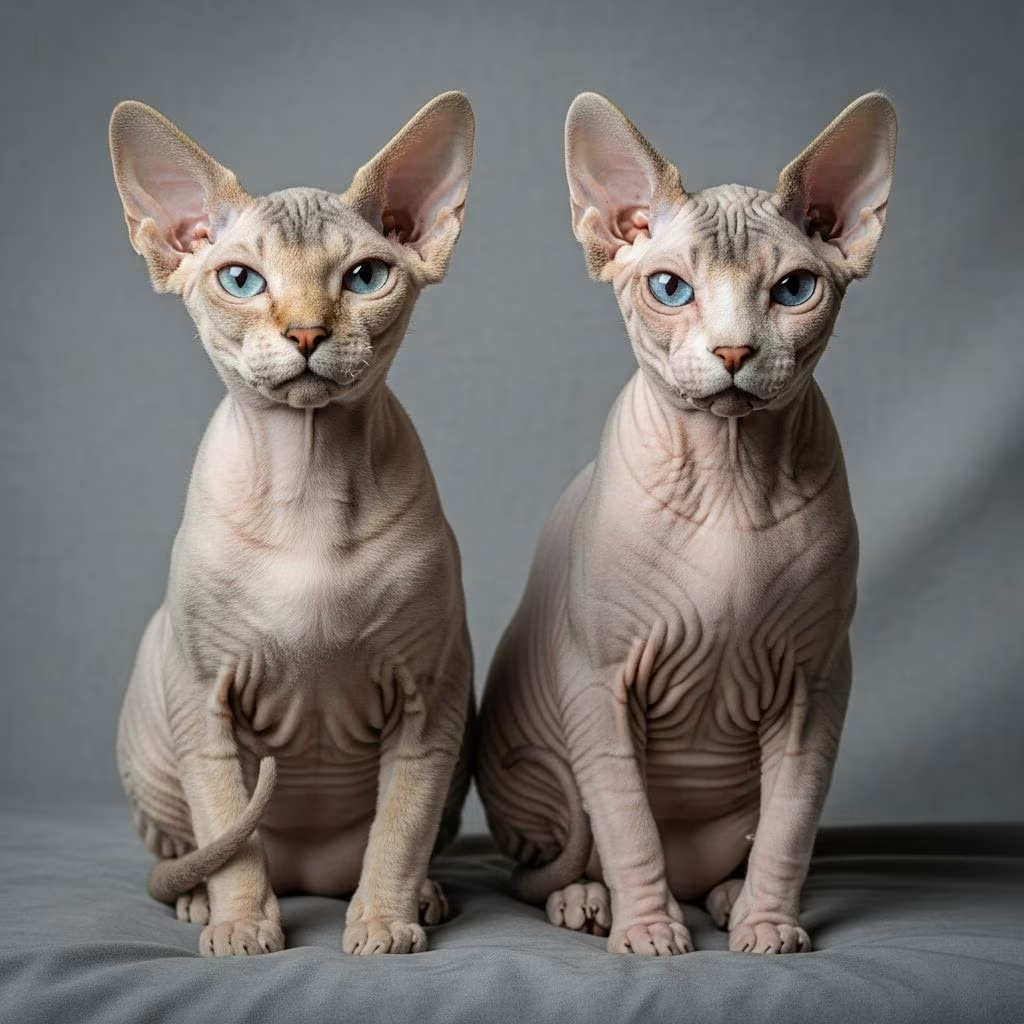
The world of feline companionship includes some truly unique and striking breeds, and among the most distinctive are hairless cats. Two breeds that often generate curiosity and comparison are the Peterbald and the Sphynx. Both breeds possess the distinctive characteristic of reduced or absent fur, but they differ significantly in their origins, genetic makeup, physical appearance, and personality traits. For prospective cat owners considering either breed, understanding these differences is essential to making an informed decision about which companion might best suit your lifestyle and preferences.
The Genetic Foundation: How These Breeds Differ at the Cellular Level
One of the most fundamental differences between Peterbald and Sphynx cats lies in their genetic structure. The Peterbald breed originated in St. Petersburg, Russia, resulting from the deliberate crossing of a Don Hairless (Donskoy) cat with an Oriental Shorthair. This genetic combination produced a breed carrying a unique hair-loss mutation inherited in an autosomal dominant manner. What this means practically is that a Peterbald kitten needs to inherit the hairlessness gene from only one parent to exhibit the characteristic reduced or absent coat.
The Sphynx cat, by contrast, carries a recessive hair-loss gene inherited differently from the Peterbald’s dominant gene. This distinction in genetic inheritance has profound implications for breeding programs and the predictability of coat types in offspring. The Peterbald’s dominant gene inheritance means that breeding a hairless Peterbald with any other cat is likely to produce kittens with some degree of hair reduction, whereas Sphynx breeding follows different genetic rules due to its recessive inheritance pattern.
Physical Appearance and Distinctive Features
Head Shape and Facial Structure
When examining Peterbald and Sphynx cats side by side, the first thing that strikes most observers is their distinctive facial architecture. The Peterbald displays a wedge-shaped head with a blunt muzzle and well-developed chin. Their almond-shaped eyes are notably large and beautiful, positioned to give the cat an intelligent, almost wise expression. The eyes seem to convey depth and emotional understanding, making direct eye contact with a Peterbald feel like genuine communication.
While Sphynx cats also possess distinctive facial features, they present a slightly different aesthetic. Both breeds share the characteristic of oversized ears that contribute significantly to their alien-like appearance, though the overall head proportions and muzzle structure vary between the two breeds. These facial differences, while subtle to untrained eyes, are significant enough to allow breed enthusiasts to distinguish between them relatively easily.
Body Structure and Physical Proportions
The Peterbald’s body structure reflects its Oriental Shorthair heritage, resulting in a slim, muscular build with long, elegant limbs. When these cats move, their gait resembles that of ballerinas, with fluid, graceful movements that seem almost choreographed. Their neck is notably long and slender, their legs are long and straight, and their tail is long and whippy, creating an overall impression of refined elegance.
Both breeds are relatively small cats by weight, typically ranging from 6 to 14 pounds, but their appearance often belies their actual size. Their muscular definition, particularly visible in hairless or minimally coated individuals, makes them appear more substantial than their actual weight. This athletic build is complemented by their webbed front feet, a unique characteristic that allows Peterbalds to manipulate and hold objects with surprising dexterity.
Coat Variations and Texture Types
Perhaps one of the most visually distinctive differences between these breeds is the variety of coat types that can appear. Peterbalds exhibit several different coat variations:
- Bald/Naked: Completely hairless skin with no visible fur coverage
- Flock: Fine, peach-like fuzz covering the body, creating a soft texture
- Velour: Very short hairs ranging from 1 to 5 millimeters in length
- Brush: Wiry or wavy hair ranging from 5 to 15 millimeters, often appearing white and unique to the Peterbald breed
- Straight Coat: Normal short hair, resembling typical cat coats
These coat variations can change over a Peterbald’s lifetime, meaning a kitten born completely hairless might develop a velour or brush coat as it matures, or vice versa. This unpredictability makes each Peterbald’s appearance somewhat unique and subject to change throughout its life.
Personality and Temperament Comparison
Social Characteristics and Human Bonding
Both Peterbald and Sphynx cats are renowned for their exceptional sociability and strong bonds with their human companions. The Peterbald, however, is particularly distinguished by its almost dog-like loyalty and devotion. These cats exhibit what breeders describe as “aggressive affection,” meaning they are intensely devoted to their owners and will follow them throughout the home, participating in daily activities and even engaging in conversation.
Peterbalds thrive on human companionship and do not adapt well to extended periods of solitude. They are known for greeting visitors at the door with enthusiasm, earning a reputation as gracious hosts. Rather than simply tolerating human attention, they actively seek it out and become unhappy when isolated. This characteristic makes them excellent choices for families or individuals who spend significant time at home and can provide consistent interaction.
Intelligence and Trainability
Peterbalds are highly intelligent cats that love mental challenges and stimulation. They enjoy playing fetch for extended periods and will actively engage with puzzle toys and interactive games. This intelligence, combined with their love of play, means that boredom can lead to behavioral issues if not properly addressed through environmental enrichment and regular interaction.
Their cognitive abilities also make them responsive to training. Unlike many cat breeds that resist instruction, Peterbalds can learn commands, tricks, and behavioral boundaries relatively easily when training is conducted with positive reinforcement. This trainability, combined with their desire to please their owners, makes them remarkably cooperative companions.
Compatibility with Other Pets and Children
Both breeds demonstrate excellent compatibility with other animals and children. Peterbalds specifically are noted for getting along well with other cats, dogs, and various household pets. Their friendly and outgoing demeanor enables them to build positive relationships across different species. Similarly, they are patient and gentle with children, making them suitable family pets. However, their high energy levels and playfulness mean they do best with families that can match their activity level and provide adequate stimulation.
Care Requirements and Living Considerations
Temperature Sensitivity and Environmental Needs
One of the most critical care considerations for hairless cats is their temperature sensitivity. With minimal or no fur protection, both Peterbalds and Sphynx cats require temperature-controlled environments. They need warm spaces, especially during cooler months, and may benefit from sweaters or other protective clothing when indoors in cooler climates or when exposed to air conditioning.
These breeds also require protection from direct sunlight for extended periods, as their exposed skin can suffer from sunburn. Conversely, they often enjoy sunbathing for short periods, and many are drawn to warm spots like sunny windowsills or heated pet beds. The lack of fur means they cannot regulate body temperature as effectively as furred cats, making environmental management a crucial aspect of responsible ownership.
Skin Care and Hygiene
Hairless cats require more frequent bathing than their furred counterparts because oils that would normally spread throughout a coat instead accumulate directly on the skin. Regular bathing helps prevent skin issues and keeps their skin clean and healthy. Additionally, the creases and folds in their skin, particularly visible in certain coat type variations, require special attention to prevent moisture accumulation and potential infections.
Their ears, while beautiful and distinctive, also require regular cleaning due to their size and susceptibility to wax buildup. Nail care is equally important, as their active nature means they climb and scratch frequently, and nail maintenance is essential for preventing ingrown nails.
Breed Comparison Table
| Characteristic | Peterbald | Sphynx |
|---|---|---|
| Origin | St. Petersburg, Russia | Canada |
| Gene Inheritance | Autosomal Dominant | Autosomal Recessive |
| Parent Breeds | Donskoy + Oriental Shorthair | Other hairless mutations |
| Head Shape | Wedge-shaped with blunt muzzle | Triangular with distinct profile |
| Body Type | Long, elegant, slender | Compact, muscular |
| Coat Types | 5 variations (including brush) | Limited coat variations |
| Lifespan | 10-15 years | 8-14 years |
| Personality | Extremely social, dog-like loyalty | Affectionate, playful |
| Ideal Owner | Active, home-based, high interaction | Engaged, interactive owners |
Health Considerations and Life Expectancy
Peterbald cats typically have a lifespan of 10 to 15 years when properly cared for. Like all specialized breeds, they may be predisposed to certain health considerations related to their unique genetic makeup. Their skin requires vigilant monitoring for infections, and their temperature sensitivity means they are vulnerable to respiratory issues if exposed to drafts or rapid temperature changes.
Regular veterinary care, proper nutrition, and appropriate environmental management contribute significantly to their health and longevity. Prospective owners should work with reputable breeders who conduct genetic health screening and can provide information about the health history of parent cats.
Decision-Making Guide: Is a Peterbald or Sphynx Right for You?
Ideal Owner Profiles
A Peterbald thrives best with an owner who:
- Spends significant time at home or has flexible work arrangements
- Enjoys interactive play and mental stimulation with pets
- Can provide consistent companionship and attention
- Has experience with specialized pet care requirements
- Lives in a climate-controlled environment
- Is willing to invest in regular grooming and veterinary care
Living Situation Compatibility
These cats are well-suited to apartment living as long as their need for vertical space and enrichment is addressed. They do not require outdoor access, though they should never be left unsupervised outdoors due to their temperature sensitivity and lack of protective fur. Multi-pet households can work well for Peterbalds, provided other animals are introduced carefully and the Peterbald receives adequate attention.
Frequently Asked Questions
Are Peterbald cats hypoallergenic?
While the minimal or absent coat of Peterbald cats produces fewer allergens than fully furred breeds, they are not completely hypoallergenic. Allergies can still be triggered by skin oils and other proteins, so individuals with severe cat allergies should spend time with a Peterbald before committing to adoption.
How often should a Peterbald be bathed?
Most Peterbalds benefit from bathing once weekly to bi-weekly, depending on individual skin oil production and activity level. Regular bathing prevents skin issues and maintains coat health.
Can Peterbalds go outside?
While Peterbalds can go outside in warm weather, they require supervision and protection from direct sunlight and temperature extremes. They should never be allowed to roam unsupervised outdoors due to their vulnerability to temperature changes and predators.
What is the average cost of a Peterbald cat?
Peterbald cats, being a relatively rare and specialized breed, typically command higher prices than standard domestic cats. Prices vary depending on breeder reputation, bloodline, and individual cat characteristics.
Do Peterbalds require special grooming?
Yes, beyond regular bathing, Peterbalds require ear cleaning, nail care, and monitoring of skin fold areas. Some owners choose to have their cats professionally groomed to ensure comprehensive care.
References
- Peterbald — The International Cat Association (TICA). Accessed January 2026. https://tica.org/breed/peterbald/
- Peterbald Cat Guide: Unique Traits & Feline Breed Info — Bailey’s CBD. https://baileyscbd.com/blogs/cat-breeds/peterbald-cat-distinct-feline-breed-traits
- Peterbald — Basepaws Cat Breeds. https://basepaws.com/cat-breeds/peterbald
- What to Know About a Peterbald — WebMD Pets. https://www.webmd.com/pets/cats/what-to-know-about-a-peterbald
- Peterbald Cat Breed Profile — Litter-Robot. https://www.litter-robot.com/blog/peterbald-cat/



