

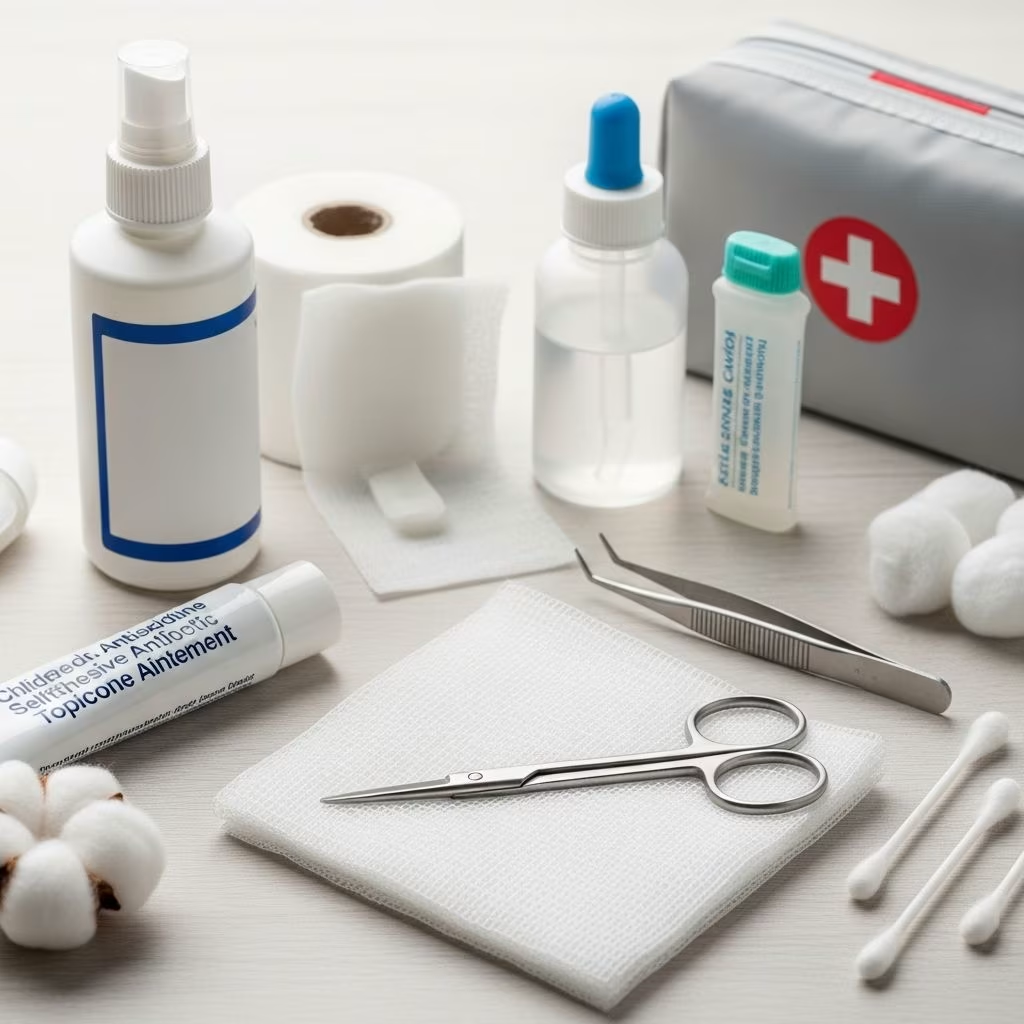
Handling injuries in dogs and cats requires prompt action to minimize pain, prevent infection, and support healing. Proper first aid can make a significant difference in outcomes for minor wounds, but knowing limits is crucial.
Understanding Common Pet Injuries
Pets often sustain cuts, scrapes, punctures, or abrasions from play, fights, or accidents. Dogs might get paw pads torn on rough terrain, while cats frequently suffer bite wounds from territorial disputes. Recognizing injury types helps tailor care: superficial scratches heal quickly with cleaning, but deeper lacerations demand professional evaluation.
Assess severity by checking depth, location, and bleeding extent. Joint or abdominal wounds pose higher risks due to contamination potential. Early intervention reduces complication chances, as bacteria thrive in unclean environments.
Essential First Aid Supplies
Stock a pet first aid kit with vetted items for effective response. Key essentials include:
- Sterile saline solution for flushing debris.
- Non-stick gauze pads and self-adhering wraps.
- Blunt scissors for trimming fur safely.
- Veterinary-approved antiseptic like dilute chlorhexidine.
- Disposable gloves to maintain hygiene.
- Elizabethan collar to deter licking.
- Styptic powder for nail bleeds.
These tools enable safe cleaning and protection without human products that may irritate pet skin.
Immediate Steps to Stop Bleeding
Bleeding control is priority one. Apply firm pressure using clean gauze or cloth for 5-10 minutes. Elevate the limb if possible. Most minor bleeds clot within this time; persistent flow signals need for veterinary care.
For nail injuries common in dogs, dip in styptic powder or cornstarch to constrict vessels. Avoid tourniquets, which risk tissue damage. If blood soaks through multiple layers, seek emergency help.
Cleaning Wounds Properly
Cleaning removes contaminants critical for healing. Start by clipping fur around the site with gloved hands to expose the area. Flush generously with saline or warm water using a syringe for pressure irrigation, dislodging particles.
Steer clear of hydrogen peroxide, alcohol, or iodine—these damage healthy tissue and delay recovery. Opt for 2% chlorhexidine dilution, which fights bacteria without harm. For paw wounds, soak in a basin; body wounds benefit from gentle shower flow. Mild soap aids but rinse thoroughly.
| Cleaning Method | Best For | Precautions |
|---|---|---|
| Saline Flush | All wounds | Use 20-30ml syringe for pressure |
| Warm Water Soak | Paws, small cuts | Add mild soap sparingly |
| Chlorhexidine Wipe | Superficial injuries | Dilute to 0.05% max |
Bandaging Techniques for Protection
Not all wounds need bandages; over-bandaging traps moisture leading to maceration. For indicated cases, apply thin antibiotic ointment layer first, then non-stick pad. Secure with conforming gauze and outer self-adherent wrap—snug, not tight, allowing one finger slippage underneath.
Change daily or if soiled, re-cleaning each time. Paw bandages require extra layers for durability. Monitor for swelling indicating over-tightness.
- Pad directly over wound.
- Wrap distally to proximally.
- Secure without constriction.
Preventing Licking and Chewing
Saliva introduces bacteria, worsening wounds. Use e-collars immediately for head, leg, or body injuries. Alternatives like inflatable collars or bodysuits suit some pets. Bitter sprays deter but cones remain gold standard.
Supervise constantly; distraction with toys helps compliance. Persistent access risks dehiscence or infection.
Monitoring Healing Progress
Inspect twice daily for positive signs: reduced swelling, pink tissue granulation, minimal clear discharge. Healing timelines vary—superficial wounds mend in 7-14 days, deeper ones longer.
Record photos for comparison. Normal mild redness fades; track changes objectively.
Red Flags Requiring Veterinary Intervention
Escalate if observing:
- Excessive bleeding post-pressure.
- Pus, foul odor, or yellow/green discharge.
- Increasing swelling, heat, or pain.
- Lethargy, fever, or appetite loss.
- Foreign bodies or non-healing after 3 days.
Deep punctures, especially cat bites, harbor abscess risks needing drainage/antibiotics. Vets may debride, suture post-24-72 hours, or prescribe meds.
Wound Types and Tailored Care
| Wound Type | Care Approach | Vet When |
|---|---|---|
| Abrasion/Scrape | Clean, ointment, monitor | Infection signs |
| Laceration | Flush, bandage lightly | Over 1/2 inch deep |
| Puncture | Flush deeply, no closure | Always promptly |
| Burn | Cool water, aloe vet-approved | Any size |
Post-Surgical Wound Management
Surgical incisions follow similar rules but stricter: keep dry 10-14 days, no baths. Staples/sutures removal scheduled. Limit jumps/activity to prevent pull-out. Pain meds and e-collars standard.
Special Considerations for Cats vs. Dogs
Cats groom excessively, heightening infection; punctures from claws/teeth fester fast. Dogs chew aggressively. Smaller cat wounds hide issues; probe gently. Both benefit from same cleaning but cats tolerate handling less—sedation may aid vet exams.
FAQs
Can I use Neosporin on pet wounds?
Vet-approved antibiotic ointments yes; avoid triple antibiotic with pain relievers toxic if licked.
How often to change a pet bandage?
Daily or if wet/soiled; always re-clean underneath.
Is hydrogen peroxide safe for pets?
No—it kills new cells, slowing heal.
What if my pet removes the cone?
Try alternatives or vet ones; constant supervision essential.
When can my pet resume normal activity?
After full closure, vet clearance—typically 2 weeks.
Long-Term Prevention Strategies
Minimize risks: supervise play, trim nails, avoid hazards. Regular checkups catch vulnerabilities. Training reduces fight injuries.
Empower yourself with knowledge; most minor wounds resolve at home, but partner with vets for complex cases. Swift, gentle care fosters resilience.
References
- Dog Wound Care 101: Bleeding Nails, Hydrogen Peroxide, and More — 1st Pet Veterinary Centers. 2023. https://1stpetvet.com/pet-health-information/dog-wound-care-101-bleeding-nails-hydrogen-peroxide-and-more/
- Dog Wound Care Guide — Veterinary Specialty Hospital – North County. 2023. https://www.vshnorthcounty.com/blog/dog-wound-care-guide
- Wound Management – Special Pet Topics — Merck Veterinary Manual. 2024. https://www.merckvetmanual.com/special-pet-topics/emergencies/wound-management
- Care of Open Wounds in Dogs — VCA Animal Hospitals. 2024. https://vcahospitals.com/know-your-pet/care-of-open-wounds-in-dogs
- Dog Wound Care: Complete Guide — Pittsboro Animal Hospital. 2023-11-30. https://www.pittsboroanimalhospital.com/site/blog/2023/11/30/dog-wound-care
- Pet Wound Care at Home: Post-Surgery Healing Tips — Pooler Vet. 2024. https://poolervet.com/caring-for-your-pets-surgical-wound/



