

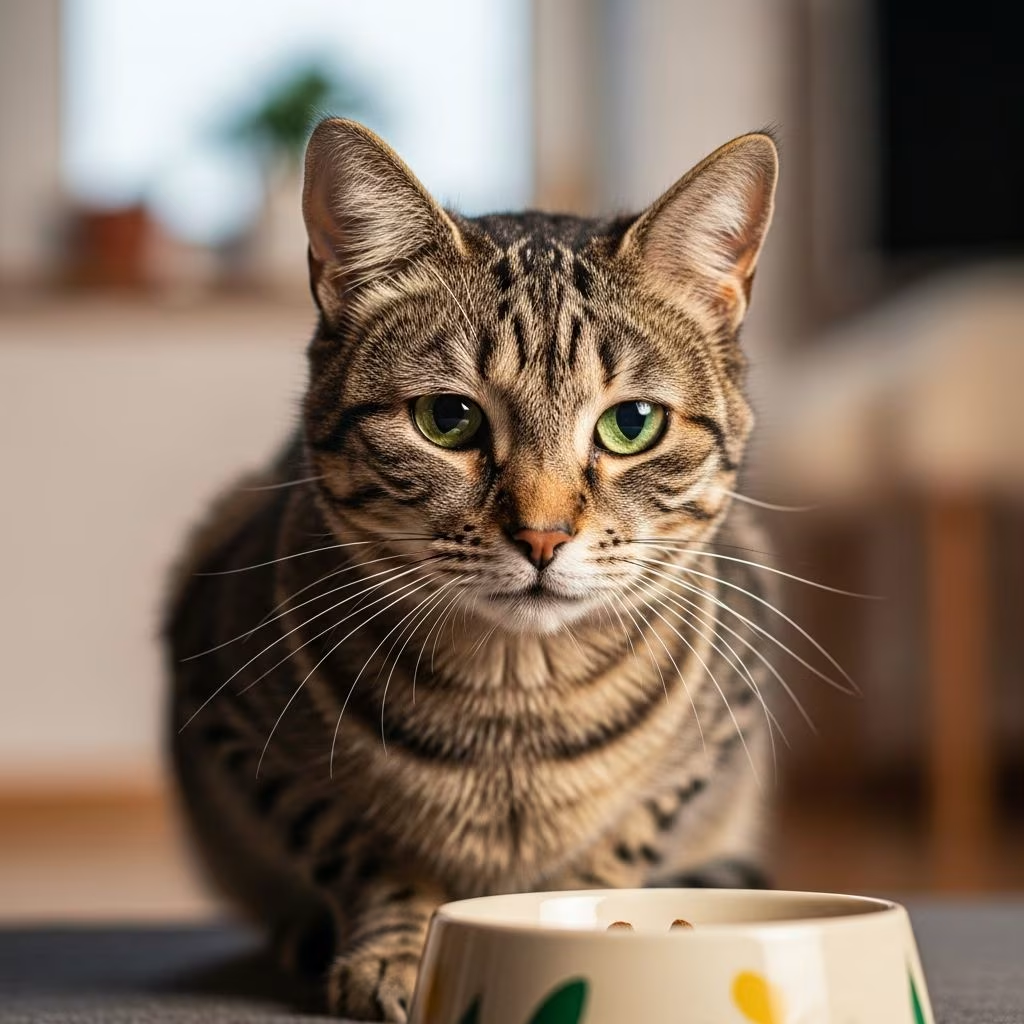
Vitamin A plays a critical role in maintaining your pet’s overall health, particularly supporting vision, immune function, and skin integrity. When pets consume insufficient amounts of this essential nutrient, they can develop serious health complications that progressively worsen without intervention. Understanding the signs, causes, and management strategies for vitamin A deficiency empowers pet owners to take proactive steps in safeguarding their animal companions’ wellbeing.
The Role of Vitamin A in Pet Health
Vitamin A is a fat-soluble nutrient that serves multiple essential functions in your pet’s body. This vital nutrient facilitates the regeneration of visual pigments in the retina, enabling proper vision especially in low-light conditions. Beyond vision, vitamin A maintains the integrity of mucosal membranes lining the respiratory, gastrointestinal, and urinary systems. Additionally, vitamin A strengthens immune function, helping your pet’s body effectively combat infections and maintain overall resistance to illness.
The body stores excess vitamin A in the liver, creating a reserve that can be drawn upon during periods of inadequate dietary intake. However, this storage capacity has limits, and prolonged insufficient consumption leads to depletion and subsequent deficiency symptoms.
Recognizing Early Warning Signs
Pet owners should monitor their companions for several initial indicators that may suggest vitamin A deficiency. The earliest manifestation typically involves vision-related changes, particularly difficulty navigating in dimly lit environments.
Vision-Related Symptoms
Night blindness (nyctalopia) represents one of the first recognizable signs of vitamin A deficiency. Affected pets may hesitate to move around in dark rooms, appear confused during evening hours, or show reluctance to navigate stairs without adequate lighting. This occurs because vitamin A is essential for producing rhodopsin, the pigment responsible for vision in low-light conditions.
As deficiency progresses, the eyes may become noticeably dry, with pets unable to produce adequate tears—a condition called xerophthalmia. The conjunctiva (white portion of the eye) and cornea may appear cloudy or develop a distinctive hazy appearance. In some cases, foamy deposits known as Bitot spots may become visible on the eye’s white surface.
Skin and Coat Changes
Vitamin A deficiency frequently manifests through dermatological changes. The skin may become dry, scaly, and rough to the touch, often accompanied by persistent itching. Some pets develop a condition called phrynoderma, characterized by follicular hyperkeratosis—a bumpy, rough texture particularly noticeable on extensor surfaces like elbows and thighs. The coat may appear dull and lack its normal shine, and pets may experience increased shedding.
Immune System Weakness
Vitamin A deficiency compromises immune function, resulting in increased susceptibility to various infections. Pet owners may notice their animals developing frequent respiratory infections, ear infections, or gastrointestinal disturbances. Young animals appear particularly vulnerable to these complications, experiencing more frequent illnesses than expected.
Progressive Complications of Untreated Deficiency
Without intervention, vitamin A deficiency leads to increasingly severe health consequences. The progressive nature of this condition means early detection becomes crucial for preventing irreversible damage.
Severe Eye Damage and Blindness
As deficiency deepens, the cornea may soften and develop open ulcers, a condition known as keratomalacia. If left untreated, these corneal changes result in permanent scarring and complete blindness—a particularly devastating outcome given pets’ reliance on vision for navigation and interaction with their environment. In developing regions globally, vitamin A deficiency remains a leading preventable cause of animal blindness.
Systemic Health Deterioration
Severe, prolonged vitamin A deficiency compromises multiple organ systems. The linings of the lungs, intestines, and urinary tract thicken and become less functional, increasing vulnerability to secondary infections and chronic inflammation. Growth may be stunted in young animals, and reproductive problems including infertility can develop in mature pets.
Identifying the Underlying Causes
Vitamin A deficiency rarely occurs randomly; specific dietary or physiological factors typically contribute to its development. Identifying the root cause enables targeted, effective treatment.
Dietary Insufficiency
The most straightforward cause involves consuming inadequate vitamin A. Some commercial pet foods contain insufficient levels, while homemade diets prepared without veterinary nutritional guidance often lack proper vitamin A balance. Carnivorous pets may be at particular risk if fed muscle meat exclusively, as organ meats like liver provide concentrated vitamin A sources.
Absorption and Malabsorption Disorders
Even when dietary vitamin A intake appears adequate, certain medical conditions prevent proper absorption. Digestive disorders including celiac disease, cystic fibrosis, chronic diarrhea, and pancreatic insufficiency interfere with vitamin A absorption from the intestinal tract. Bile duct blockages prevent proper fat emulsification necessary for fat-soluble vitamin absorption. These absorption issues represent particularly challenging situations, as dietary correction alone proves insufficient without addressing the underlying digestive problem.
Liver Disease
Since the liver serves as the primary storage organ for vitamin A, liver disease significantly impacts vitamin A metabolism and availability. Conditions affecting liver function compromise the organ’s ability to store and mobilize vitamin A reserves, potentially leading to deficiency despite adequate intake.
Diagnostic Approaches and Testing
Veterinary professionals employ multiple methods to confirm vitamin A deficiency and determine its severity. Accurate diagnosis guides treatment intensity and duration.
Clinical Evaluation
Veterinarians begin with comprehensive physical examination and detailed dietary history. They assess ocular changes, skin condition, and general health status. Night vision testing can reveal functional deficits before obvious structural changes occur.
Biochemical Testing
Blood tests measuring serum retinol levels provide quantitative assessment of vitamin A status. These tests establish baseline values and track response to treatment over time. Additional tests may evaluate liver function and assess for underlying malabsorption disorders contributing to deficiency.
Specialized Eye Examination
Ophthalmologic examination using specialized equipment reveals corneal changes, assesses tear production, and documents any permanent structural damage. Early detection through these examinations prevents progression to irreversible blindness.
Treatment Strategies and Management
Treatment approaches vary based on deficiency severity, underlying cause, and individual patient factors. Veterinary guidance ensures appropriate intervention.
Nutritional Supplementation
Oral vitamin A supplements address dietary insufficiency, with dosing tailored to the pet’s species, weight, and deficiency severity. The supplementation approach depends on whether the deficiency stems from simple dietary inadequacy or complex absorption issues.
Addressing Underlying Conditions
When malabsorption or organ dysfunction contributes to deficiency, treating these underlying conditions becomes essential. This might involve managing digestive disorders, addressing pancreatic insufficiency, or treating liver disease. Without resolving the root cause, supplementation alone provides only temporary benefit.
Dietary Modification
Formulating balanced diets containing appropriate vitamin A levels prevents recurrence. For pets requiring commercial food, selecting nutrient-complete formulations ensures adequate vitamin A intake. For those consuming homemade diets, veterinary nutritionist consultation ensures proper vitamin A balance alongside other essential nutrients.
Long-Term Prevention Strategies
Preventing vitamin A deficiency proves far more effective than treating its consequences, particularly regarding irreversible vision loss.
Balanced Commercial Nutrition
High-quality commercial pet foods formulated to meet nutritional standards contain appropriate vitamin A levels. Reading ingredient lists and selecting products from reputable manufacturers significantly reduces deficiency risk.
Appropriate Supplementation Guidance
While vitamin A supplementation prevents deficiency, excessive supplementation carries toxicity risks. Pet owners should never self-prescribe megadose supplements without veterinary guidance. The fat-soluble nature of vitamin A means it accumulates in tissue, potentially reaching toxic levels with indiscriminate supplementation.
Regular Veterinary Monitoring
Routine veterinary examinations catch early signs of vitamin A deficiency before severe complications develop. Pets with chronic digestive conditions, liver disease, or specific diets warrant periodic vitamin A status assessment.
Vitamin A Content in Common Pet Foods
Understanding which foods provide adequate vitamin A helps pet owners make informed dietary choices:
- Organ meats: Liver, kidney, and other organ tissues contain concentrated vitamin A sources, making them valuable dietary components for naturally-fed pets
- Fish: Salmon and other fatty fish provide bioavailable vitamin A alongside beneficial omega-3 fatty acids
- Eggs: Particularly the yolk, eggs deliver vitamin A along with other essential nutrients
- Dark leafy vegetables: For pets whose diets include vegetables, spinach and kale provide beta-carotene, which converts to vitamin A
- Orange and yellow produce: Sweet potatoes, carrots, and pumpkin offer beta-carotene precursors
- Dairy products: Milk and cheese contain bioavailable vitamin A, though these should be incorporated cautiously in pets with lactose sensitivity
Special Considerations for Different Pet Types
Vitamin A requirements vary among different companion animal species, reflecting their evolutionary dietary patterns and metabolic differences.
Feline-Specific Considerations
Cats require preformed vitamin A from animal sources, as they lack the enzymatic capacity to efficiently convert beta-carotene to active vitamin A. This biological reality makes cats particularly vulnerable to vitamin A deficiency when fed diets insufficient in animal-derived nutrients. Strict vegetarian or plant-based diets for cats carry significant deficiency risk.
Canine Nutritional Patterns
Dogs possess greater enzymatic capacity to convert plant-based beta-carotene to vitamin A, offering more dietary flexibility than cats. However, highly processed or nutrient-deficient commercial foods still pose deficiency risks, particularly in dogs with absorption disorders.
Frequently Asked Questions
Can vitamin A deficiency develop quickly in pets?
Acute vitamin A deficiency typically develops gradually as body stores become depleted over weeks to months. However, certain situations accelerate depletion, including severe malabsorption disorders or sudden dietary changes to inadequate food sources.
Is vitamin A deficiency common in well-fed pets?
In pets receiving adequate commercial nutrition, vitamin A deficiency remains uncommon. It primarily affects animals with poor dietary intake, underlying digestive disorders, liver disease, or those consuming nutritionally incomplete homemade diets.
Can vitamin A deficiency be reversed once blindness occurs?
Unfortunately, permanent corneal scarring and retinal damage cannot be reversed, even with aggressive supplementation. This irreversibility underscores the critical importance of early detection and intervention before structural eye damage develops.
What happens if pets receive too much vitamin A?
Excessive vitamin A supplementation causes toxicity characterized by bone pain, vision changes, skin disorders, and neurological effects. Pregnant animals face particular risk, as excess vitamin A can cause birth defects. Pet owners should never exceed veterinary-recommended supplementation levels.
Should all pets receive vitamin A supplements?
Healthy pets consuming adequate commercial nutrition do not require supplements. Supplementation becomes appropriate when dietary sources prove insufficient, absorption disorders exist, or specific medical conditions necessitate increased intake—all situations warranting veterinary guidance.
Conclusion
Vitamin A deficiency represents a serious yet largely preventable nutritional disorder affecting pet health across multiple organ systems. By understanding the signs, recognizing risk factors, and implementing appropriate preventive measures, pet owners significantly reduce the likelihood of their companions developing this debilitating condition. Early recognition of symptoms combined with prompt veterinary intervention prevents progression to irreversible complications, particularly vision loss. Maintaining nutritionally adequate diets, addressing underlying digestive disorders, and seeking regular veterinary oversight creates a comprehensive approach to protecting pets from vitamin A deficiency and its serious consequences.
References
- Vitamin A Deficiency — Merck Manuals (Larry E. Johnson, MD, PhD, University of Arkansas for Medical Sciences). Accessed 2026. https://www.merckmanuals.com/home/disorders-of-nutrition/vitamins/vitamin-a-deficiency
- Vitamin A Deficiency: Causes, Symptoms, Treatment & Prevention — Cleveland Clinic. Accessed 2026. https://my.clevelandclinic.org/health/diseases/23107-vitamin-a-deficiency
- Vitamin A Deficiency — StatPearls, NCBI Bookshelf (National Center for Biotechnology Information). Accessed 2026. https://www.ncbi.nlm.nih.gov/books/NBK567744/
- Vitamin A Deficiency – Symptoms, Causes and Treatment — Medpark Hospital. Accessed 2026. https://www.medparkhospital.com/en-US/disease-and-treatment/vitamin-a-deficiency
- Vitamin A — The Nutrition Source, Harvard T.H. Chan School of Public Health. Accessed 2026. https://nutritionsource.hsph.harvard.edu/vitamin-a/



