
Vision Loss in Pets: Causes and Prevention
Understanding the eye conditions that threaten your pet's sight and how early detection saves vision.
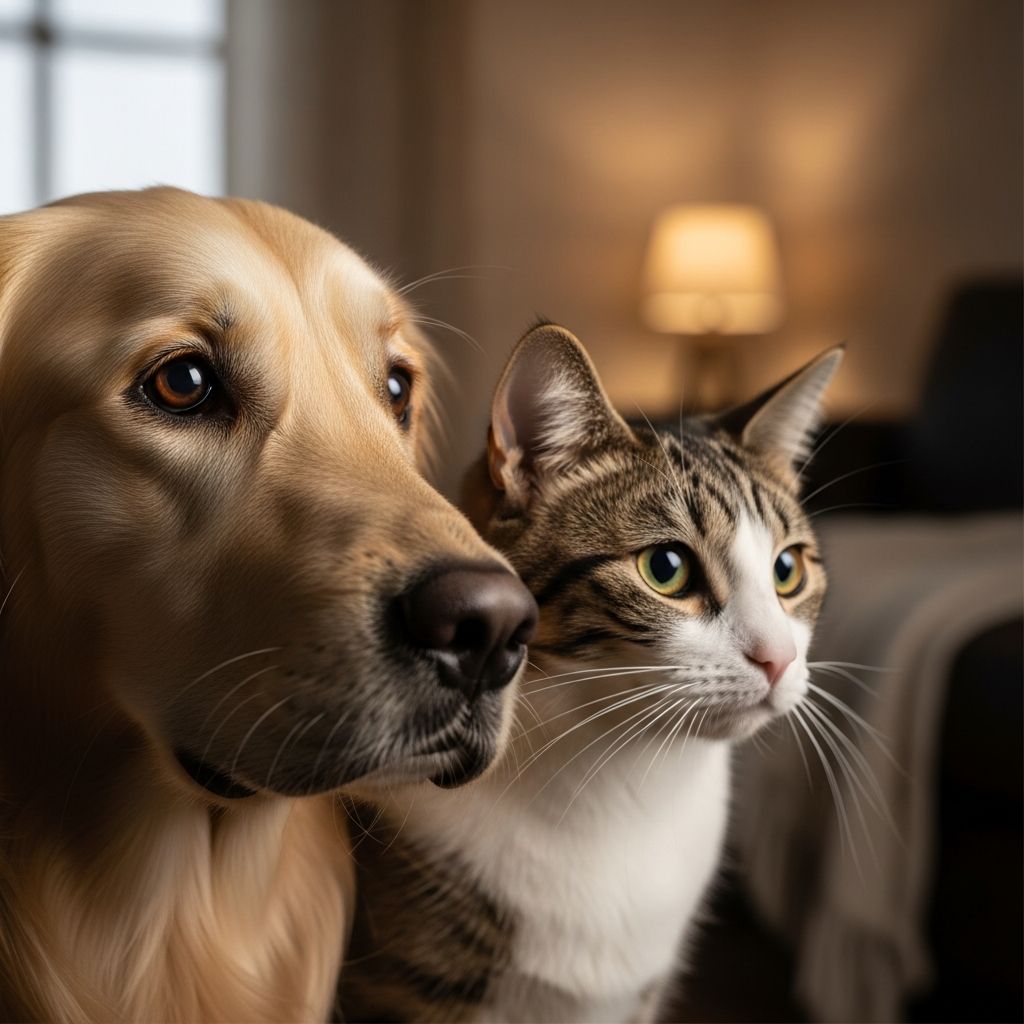
Pet blindness represents one of the most challenging health concerns facing animal owners today. Unlike humans who can communicate vision changes clearly, dogs and cats often adapt subtly to declining eyesight, making early detection difficult. Multiple eye disorders can compromise pet vision, ranging from conditions that develop gradually over years to those that strike suddenly without warning. Understanding these conditions, recognizing warning signs, and seeking prompt veterinary intervention can mean the difference between preserving sight and permanent blindness.
Recognizing the Early Signs of Vision Problems
Detecting vision loss in companion animals requires careful observation of behavioral changes. Pets experiencing sight deterioration often exhibit specific patterns that alert attentive owners to underlying problems. Recognizing these signs early enables veterinary professionals to intervene before irreversible damage occurs.
Common indicators that your pet may be experiencing vision difficulties include:
- Reluctance to navigate dimly lit areas or unfamiliar spaces
- Bumping into objects, furniture, or doorways
- Hesitation or apparent anxiety during movement
- Excessive squinting or frequent eye rubbing
- Visible cloudiness or color changes in the eye
- Redness, swelling, or discharge around the eye region
- Dilated pupils that remain enlarged despite lighting conditions
- Changes in activity levels or reluctance to play
These behavioral modifications often develop gradually, making them easy to overlook until vision loss becomes pronounced. Pet owners should schedule veterinary examinations whenever they notice such changes, as many eye conditions respond better to treatment when caught early.
The Cataract Problem: A Leading Cause of Pet Blindness
Cataracts represent one of the most prevalent vision-threatening conditions affecting both dogs and cats. This condition involves clouding of the eye lens, creating an appearance similar to looking through frosted glass. Unlike nuclear sclerosis—a normal age-related haziness that typically does not significantly impact vision—true cataracts progressively obstruct light transmission and severely compromise sight.
Age plays a significant role in cataract development, though this condition is not exclusively an elderly pet concern. Senior dogs typically experience cataracts after age seven, while senior cats usually develop them around age 9.5 or older. However, younger animals can develop cataracts through various mechanisms.
Multiple pathways lead to cataract formation:
- Genetic inheritance affecting lens development
- Metabolic disorders, particularly diabetes
- Nutritional imbalances, especially in growing animals
- Traumatic injuries to the eye
- Chronic inflammation within the eye
- Exposure to toxic substances
- Radiation or electrical injury
Diabetes stands out as a particularly significant risk factor, especially in dogs. Research indicates that approximately 75% of dogs with diabetes develop cataracts as a complication. In contrast, diabetic cats typically do not develop cataracts, though they face other vision-related risks from their condition.
Certain dog breeds demonstrate genetic predisposition to cataracts, including American Cocker Spaniels, Bichon Frises, Boston Terriers, Golden Retrievers, and Siberian Huskies. In cats, Himalayans, Birmans, British Shorthairs, and Persians show higher susceptibility. Pet owners with these breeds should maintain regular eye examinations and monitor for early cloudiness.
Cataract progression varies considerably among individuals. Some pets experience rapid vision loss within weeks, while others decline slowly over months or years. When cataracts significantly impact vision, surgical intervention by a veterinary ophthalmologist can restore sight by replacing the clouded lens. Early diagnosis and appropriate treatment planning optimize surgical outcomes and prevent secondary complications.
Glaucoma: The Silent Vision Thief
Glaucoma represents a distinctly different threat to pet vision compared to cataracts. This condition involves elevated intraocular pressure—the pressure of fluid inside the eye—that damages the optic nerve and retinal tissues. Unlike cataracts, which develop cloudiness that pet owners can observe, glaucoma often progresses without obvious external signs until significant damage has occurred.
The condition manifests differently across species. Primary glaucoma is relatively uncommon in cats, though Burmese and Siamese breeds show increased susceptibility. Middle-aged to older cats, typically seven years and beyond, face the highest risk. In dogs, glaucoma affects animals across a wider age range, though it most commonly appears between ages five and ten, with some genetically predisposed breeds developing it earlier.
Symptoms suggesting glaucoma development include:
- Redness within the eye
- Obvious eye discomfort or pain
- Excessive squinting or eye closure
- Cloudiness or haziness of the cornea
- Dilated pupils unresponsive to light changes
- Watery eye discharge
- Behavioral changes such as decreased appetite
- Light sensitivity and avoidance of bright areas
Because glaucoma can cause blindness rapidly and responds poorly to treatment once advanced, immediate veterinary attention proves critical when these symptoms appear. Treatment options include both pharmaceutical approaches to reduce intraocular pressure and surgical interventions, with success depending largely on how quickly the condition receives professional management.
Retinal Diseases: When the Back of the Eye Fails
The retina—the light-sensitive tissue lining the back of the eye—serves as the critical structure for vision itself. When retinal dysfunction occurs, blindness can develop suddenly or progressively depending on the specific disorder affecting this delicate tissue.
Retinal Detachment
Retinal detachment represents the second most common cause of blindness in cats, occurring when the retina separates from underlying supportive tissue. This separation typically results from fluid accumulation between the retinal layers, disrupting the normal connection essential for vision. Retinal detachment most frequently develops secondarily to other systemic conditions, particularly high blood pressure, overactive thyroid function, or kidney disease.
While immediate veterinary treatment can sometimes restore partial vision in affected cats, most cases result in permanent blindness. Identifying and managing underlying systemic diseases becomes crucial for preventing retinal detachment or slowing its progression.
Sudden Acquired Retinal Degeneration (SARDS)
SARDS presents as a particularly devastating condition in dogs, causing rapid retinal degeneration that results in permanent blindness. Despite extensive research, the underlying cause remains poorly understood, though many affected dogs also have endocrine conditions such as Cushing’s disease or hypothyroidism.
This condition typically strikes dogs averaging 8.5 to 10 years old, with spayed females experiencing higher incidence rates than males. Specific breeds show increased susceptibility, including Beagles, Bichons, Brittany Spaniels, Cocker Spaniels, Dachshunds, Maltese, Miniature Schnauzers, Pugs, Springer Spaniels, and Shih Tzus. The sudden nature of vision loss in SARDS makes early recognition essential, though treatment options remain limited.
Inflammatory and Infectious Eye Conditions
Beyond structural eye problems, inflammation and infection can severely compromise pet vision. These conditions often develop more rapidly than degenerative diseases, requiring swift intervention to prevent permanent damage.
Understanding Conjunctivitis
Conjunctivitis—inflammation of the tissue lining the eyelids and covering the white portion of the eye—commonly affects both dogs and cats. While conjunctivitis itself does not typically cause blindness, it signals underlying problems requiring attention and can indicate more serious conditions.
Symptoms of conjunctivitis include squinting, eye redness, swelling around the eye region, excessive eye rubbing, and sometimes nasal discharge or sneezing. Prompt veterinary evaluation determines the underlying cause, whether bacterial infection, viral disease, allergic reaction, or foreign material irritation, enabling appropriate treatment.
Uveitis: Internal Eye Inflammation
Uveitis refers to inflammation of the uveal tissue—the middle layer of the eye containing blood vessels and supporting structures. This condition can develop from trauma, infection, immune-mediated disease, or systemic illness. Chronic uveitis significantly contributes to cataract formation in both dogs and cats, representing another pathway through which inflammation ultimately threatens vision.
Dry Eye (Keratoconjunctivitis Sicca)
Dry eye develops when tear production becomes insufficient or tear quality deteriorates. Cats of any age can develop this condition through various mechanisms including immune-mediated inflammation of tear-producing glands, congenital factors, genetics, hormonal imbalances, viral infections, or medication side effects. Damaged nerves supplying tear glands through inner ear infection, surgical removal of cherry eye tissue, or trauma can similarly impair tear production.
When severe, dry eye causes corneal damage and vision impairment. Additionally, diabetes in both dogs and cats can compromise tear production, compounding blindness risk in diabetic pets already susceptible to cataracts or other complications.
Systemic Disease and Secondary Vision Loss
Multiple systemic conditions indirectly cause blindness by triggering or exacerbating eye disease. Understanding these connections emphasizes the importance of comprehensive health management in preventing vision loss.
The Diabetes-Vision Connection
Diabetes represents a particularly significant threat to pet vision through multiple mechanisms. In dogs, the majority develop cataracts as a diabetes complication. Additionally, poorly controlled diabetes or inadequately managed disease can impair tear production, leading to dry eye—another potential cause of blindness. These dual threats make diabetes management critical for vision preservation in affected dogs.
Hypertension and Retinal Disease
High blood pressure poses considerable risk for cats, as elevated pressure frequently triggers retinal detachment. Cats with kidney disease, thyroid dysfunction, or other conditions causing hypertension face heightened blindness risk through this mechanism. Managing underlying conditions that elevate blood pressure becomes essential for preventing vision-threatening complications.
Trauma, Toxins, and Other Acquired Problems
Beyond genetic predisposition and age-related changes, various environmental factors and injuries can compromise pet vision. Traumatic eye injuries from fights, falls, or accidents can immediately damage ocular structures or trigger inflammation leading to blindness. Chemical exposure, electrical injury, or accidental ingestion of toxic substances similarly threatens sight.
Certain structural problems like entropion—inward-rolling eyelids causing corneal irritation—develop through genetic factors but can also result from trauma or facial structure changes. These conditions require veterinary correction to prevent progressive corneal damage and secondary blindness.
Tumors Affecting Pet Vision
Cancerous growths within or adjacent to the eye can compromise vision through mass effects or by triggering inflammation. Primary uveal melanoma represents the most common eye tumor in both cats and dogs. In dogs, these tumors are typically benign, though they can still damage surrounding eye structures. In cats, iris melanomas are rare but malignant, while limbal melanomas are less common and benign.
Eye tumors typically develop in middle-aged to older animals, with average ages around nine to ten years. Brain tumors and nerve tumors can similarly cause blindness through pressure effects or interference with normal neural function.
When to Seek Immediate Veterinary Care
Certain eye-related symptoms demand emergency veterinary attention rather than routine scheduling. Sudden vision loss, severe eye pain, sustained redness or discharge, or traumatic eye injury all require immediate professional evaluation. These presentations can indicate rapidly progressive conditions like acute glaucoma or retinal detachment where delays significantly worsen outcomes.
Treatment Approaches and Vision Preservation
Treatment options vary dramatically depending on the underlying condition. Cataracts may be addressed surgically by veterinary ophthalmologists, with the best outcomes occurring when surgery happens before advanced changes develop. Glaucoma management focuses on reducing intraocular pressure through medications or surgery, though prevention of initial pressure elevation remains preferable to treating established disease.
Retinal conditions present greater challenges, with many causing irreversible vision loss by the time they become apparent. Management instead focuses on addressing underlying systemic disease to prevent progression. Inflammatory conditions require antimicrobials, anti-inflammatory medications, or immunosuppressive therapy depending on causation.
Regular veterinary examinations, particularly for aging pets or those with predisposing conditions, enable early detection when treatment remains most effective. Breed-specific screening in genetically predisposed animals helps identify problems before significant vision loss occurs.
Conclusion: Proactive Vision Care Matters
Pet blindness results from diverse causes ranging from genetic predisposition to age-related changes to acquired disease. Many conditions causing vision loss develop gradually, creating windows of opportunity for intervention when pet owners remain vigilant for subtle behavioral changes. Maintaining regular veterinary relationships, scheduling appropriate screening examinations, managing underlying systemic diseases, and seeking prompt care for eye abnormalities all contribute to preserving precious vision throughout your pet’s lifetime.
References
- Eye Issues That Cause Blindness in Dogs and Cats — Preventive Vet. 2024. https://www.preventivevet.com/pets/eye-issues-that-cause-blindness-in-dogs-and-cats
- Feline Vision Problems: A Host of Possible Causes — Cornell Feline Health Center, College of Veterinary Medicine, Cornell University. https://www.vet.cornell.edu/departments-centers-and-institutes/cornell-feline-health-center/health-information/feline-health-topics/feline-vision-problems-host-possible-causes
- Common Eye Issues in Senior Dogs and Cats — Banfield Pet Hospital. 2024. https://www.banfield.com/Senior-hub/common-health-issues-in-senior-pets/older-dog-cat-eye-problems
- Spotting Eye Problems in Cats and Dogs — Tufts Now, Tufts University. 2014. https://now.tufts.edu/2014/10/10/spotting-eye-problems-pets
- Common Dog Eye Problems — PetMD. https://www.petmd.com/dog/general-health/evr_dg_eye_problems_in_dogs
- Common Dog Eye Diseases — Carolina Veterinary Specialists, Charlotte Veterinary Ophthalmologist. 2023. https://www.charlotte.carolinavet.com/site/charlotte-emergency-vet-blog/2023/05/15/dog-eye-diseases
- Eye Problems in Pets: Common Conditions and When to Seek Emergency Care — Advanced Veterinary Medical Center. https://advancedvmc.net/eye-problems-in-pets-common-conditions-when-to-seek-emergency-care/
Similar Articles








Read full bio of Sneha Tete


