

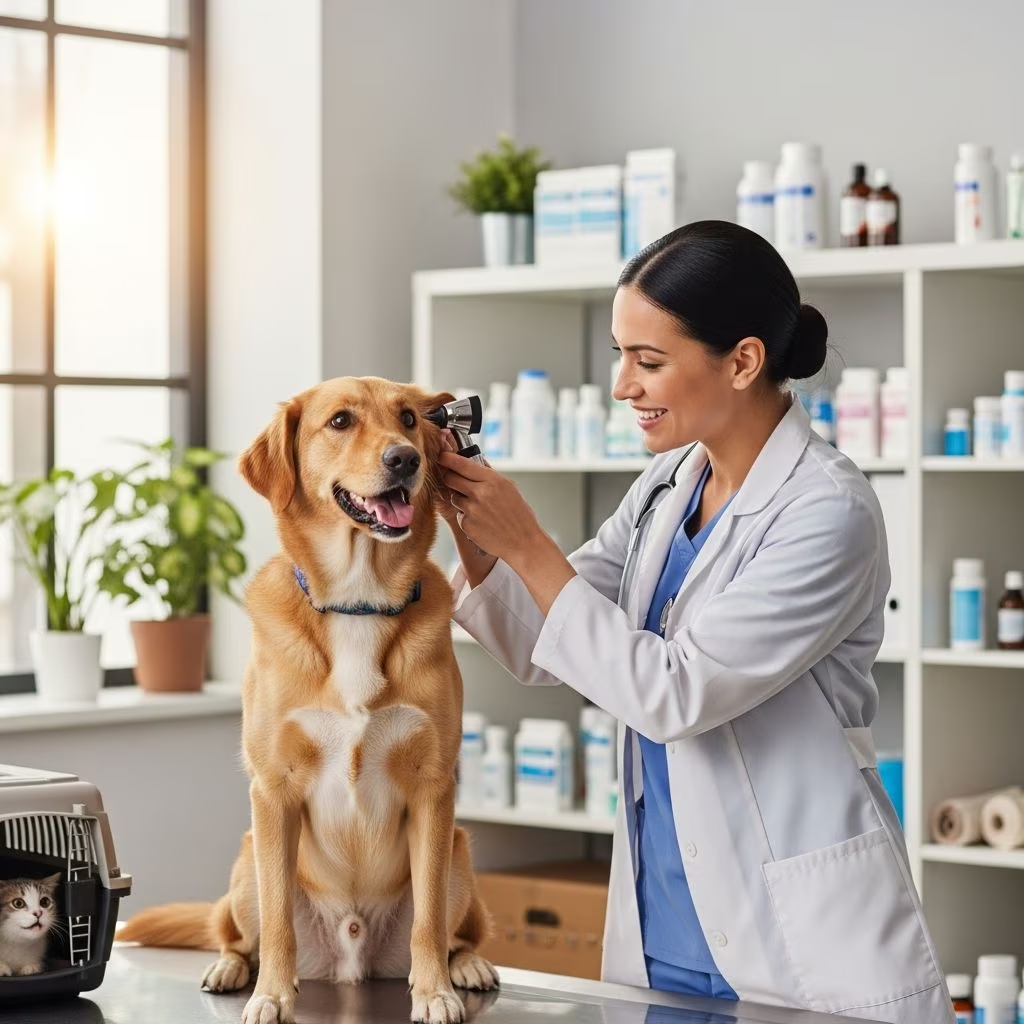
Knowing when to take your pet to the veterinarian can significantly impact their health and longevity. Pet owners often face uncertainty about distinguishing routine needs from urgent situations. This guide outlines key indicators for vet visits across life stages, emergency red flags, and practical preparation strategies based on established veterinary guidelines.
Routine Veterinary Care by Life Stage
Veterinary recommendations vary by a pet’s age, breed, and health status. Puppies and kittens require frequent visits for vaccinations and development checks, while adults need annual wellness exams, and seniors benefit from biannual assessments to detect age-related issues early.
Early Life: Puppies and Kittens
The first months are crucial for building immunity and monitoring growth. Initial visits occur at 6-8 weeks for core vaccines against distemper, parvovirus, and rabies, plus deworming and parasite screenings. Follow-up appointments every 3-4 weeks until 4-5 months ensure complete immunization series, heartworm prevention starting around 8 weeks, and flea/tick treatments by 12 weeks.
- First exam: Physical assessment, fecal analysis, and starter vaccines.
- Subsequent visits: Booster shots, spay/neuter discussions at 6-18 months depending on breed size.
- Focus areas: Diet, dental health, and behavioral baselines.
These early interventions prevent common juvenile diseases and establish lifelong health records.
Adult Pets: Maintenance and Monitoring
Healthy adults typically visit once yearly for comprehensive exams, including bloodwork, dental checks, and heartworm testing. Discuss lifestyle factors like exercise and nutrition to maintain optimal weight and prevent obesity-related conditions.
| Life Stage | Recommended Frequency | Key Checks |
|---|---|---|
| Puppy (0-1 year) | Every 3-4 weeks initially, then quarterly | Vaccines, parasites, growth |
| Adult (1-7 years) | Annually | Wellness exam, preventives |
| Senior (7+ years) | Every 6 months | Lab tests, arthritis screening |
This schedule allows early detection of subtle changes like altered appetite or activity levels.
Senior Pets: Proactive Health Management
Dogs enter seniority at 7-10 years, varying by breed—smaller dogs age slower than giants. Biannual visits screen for kidney disease, liver issues, arthritis, and cancers via blood panels, urinalysis, and imaging. Toy breeds may start at 7-9 years, giants earlier.
- Monitor for increased thirst, weight loss, or mobility decline.
- Adjust diets for slower metabolism and joint support.
- Regular dental cleanings prevent pain and infections.
Early intervention extends quality life years.
Recognizing Emergency Situations
Not all issues wait for business hours. True emergencies demand immediate action to prevent fatality. Call an emergency vet if symptoms escalate rapidly.
Respiratory Distress and Collapse
Labored breathing, wheezing, excessive panting, blue/pale gums, or sudden collapse signal oxygen deprivation or heart failure. Seizures over 3 minutes or clusters within 24 hours require urgent care.
Trauma and Bleeding
Injuries from falls, fights, or hits-to-vehicle with uncontrolled bleeding, swelling, or limping need stabilization. Suspected internal injuries warrant x-rays even without visible wounds.
Gastrointestinal Crises
Persistent vomiting/diarrhea over 12 hours, especially bloody or with lethargy, leads to dehydration. Bloat in large breeds—distended abdomen, retching—kills within hours untreated.
- Blood in stool/vomit: Indicates poisoning or ulcers.
- Uncontrolled pain: Whining, guarding abdomen.
- Suspected toxins: Chocolate, xylitol, rodenticides.
Behavioral Changes Indicating Pain
Lethargy, hiding, aggression, or disinterest in food/play signal underlying issues. Small shifts like increased thirst or urination prompt prompt evaluation.
Navigating Urgent vs. Emergency Care
Distinguish levels: Emergencies are life-threatening (e.g., no breathing); urgents are serious but stable (mild limp, one-day appetite loss). Wait for regular vet if non-critical, but err toward caution.
Emergency clinics offer 24/7 triage: Vital checks, history review, diagnostics (bloodwork, ultrasound), and stabilization. Expect higher costs; payment upfront common.
Preparation for Vet Visits
Proactive steps reduce stress and improve outcomes.
- Emergency Kit: Gauze, bandages, saline, thermometer, hydrogen peroxide.
- Contacts: Save regular vet, nearest ER, poison hotline (e.g., ASPCA).
- Records: Digital vaccination/medication history.
- Route Planning: Know paths to clinics.
- Insurance/Fund: Pet coverage offsets bills.
- First Aid Training: Courses teach CPR, wound care.
Schedule early appointments; accustom pets to carriers/leashes. Bring food samples if dietary issues suspected.
Financial and Preventive Strategies
Emergencies average thousands; wellness prevents many via vaccines/preventives. Budget annually or insure—covers accidents post-wait period.
Frequently Asked Questions
Can I wait overnight for mild symptoms?
For non-life-threatening issues like brief appetite loss, yes—but monitor and call if worsening.
How often do senior cats need vet checks?
Biannually, mirroring dogs, for thyroid/kidney screens.
What if my pet ate something toxic?
Immediate poison control call, then ER—induce vomiting only on vet advice.
Is pet insurance worth it?
Yes for frequent or breed-prone issues; compare accident vs. illness coverage.
How to handle anxious pets at the vet?
Calming treats, pheromone sprays; schedule first/last slots.
Long-Term Health Advocacy
Observe daily baselines: Appetite, stool, energy. Log changes for vets. Home monitoring tools like scales or cams aid early detection. Combine with quality nutrition, exercise, and dental hygiene for holistic care.
Partnering with veterinarians through scheduled visits and vigilance ensures pets thrive. Act decisively on concerns—better safe than sorry.
References
- How Can I Tell if My Pet Needs to See an Emergency Vet? — Allied ER Vet. 2023. https://www.alliedervet.com/blog/how-can-i-tell-if-my-pet-needs-to-see-an-emergency-vet/
- When to Take Your Dog to the Veterinarian — Wards Corner Animal Hospital. 2023. https://wardscorneranimalhospital.com/when-to-take-your-dog-to-the-veterinarian/
- When Should I Take My Dog to An Emergency Vet? — Brookhurst Animal Medical Center. 2024. https://brookhurstanimal.com/pet-urgent-care-in-anaheim-ca/when-should-i-take-my-dog-to-an-emergency-vet-a-pet-owners-guide-to-dog-urgent-care/
- How Often Should I Take My Dog to the Vet? — American Kennel Club (AKC). 2025-01-15. https://www.akc.org/expert-advice/health/how-often-should-i-take-my-dog-to-the-vet/
- A Dog Life Stage Guide — American Animal Hospital Association (AAHA). 2024. https://www.aaha.org/resources/how-often-should-my-dog-go-to-the-vet-a-dog-life-stage-guide/



