

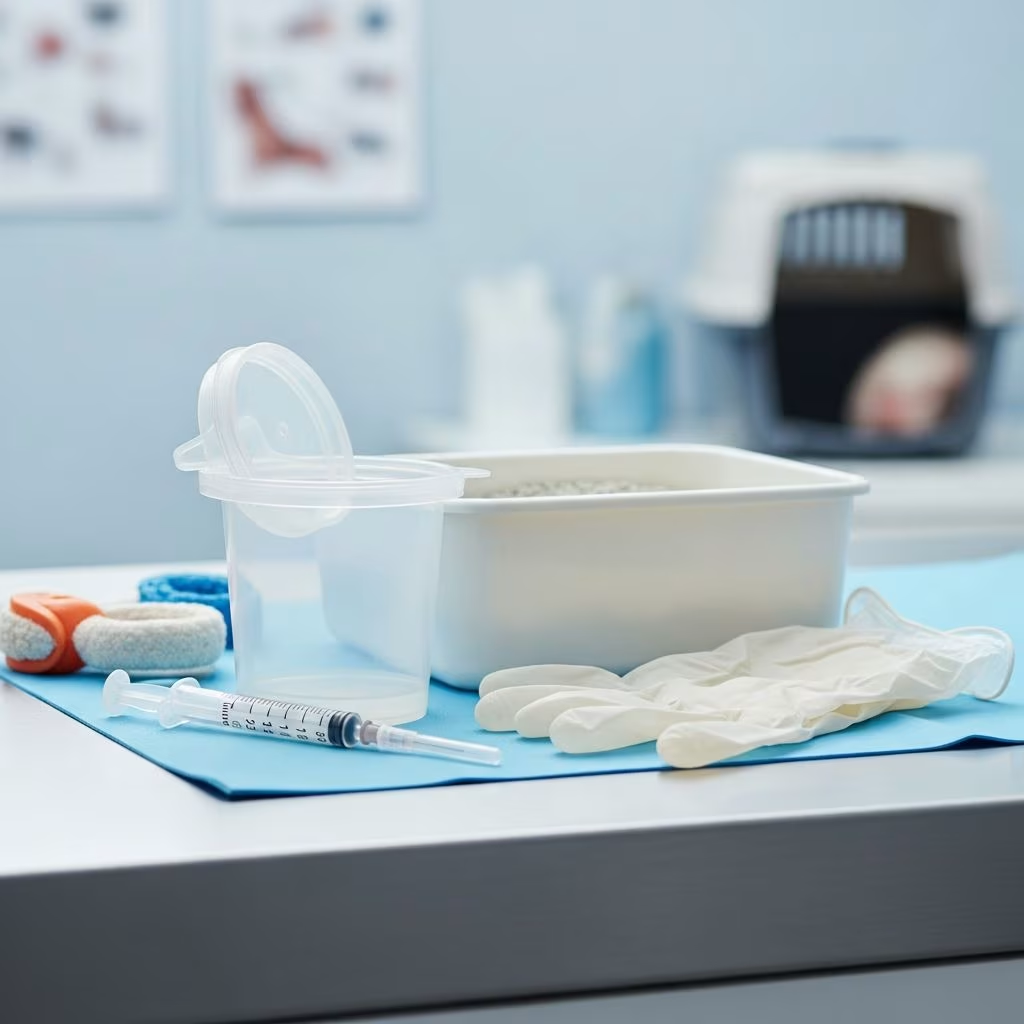
When your veterinarian requests a urine sample from your pet, it may seem like a daunting task. However, understanding the various collection methods and following proper procedures can make the process straightforward and stress-free for both you and your animal companion. Urine analysis provides valuable diagnostic information about your pet’s urinary system, kidney function, and overall health status. This comprehensive guide walks you through the different collection techniques, equipment requirements, and best practices to ensure your veterinarian receives an optimal sample for testing.
Understanding Why Urine Samples Matter
Veterinarians rely on urinalysis to evaluate numerous health conditions in dogs and cats. A urine sample allows diagnostic professionals to assess specific gravity, pH levels, protein presence, glucose concentration, ketones, and cellular components. The collection method significantly impacts the interpretation of results, as different techniques introduce varying levels of contamination or cellular debris. For this reason, your veterinarian may request a specific collection method based on what they are investigating. Understanding the purpose behind each technique helps you appreciate why following instructions carefully produces more reliable diagnostic data.
Three Primary Collection Methods Explained
Veterinary professionals employ three main approaches to obtaining urine samples from companion animals, each with distinct advantages and limitations. The method your veterinarian recommends depends on the clinical situation, the information needed, and your pet’s temperament and medical condition.
The Free-Catch Method: Convenience and Non-Invasiveness
The free-catch approach represents the most accessible collection technique for pet owners. This method involves capturing urine as your pet naturally voids, typically during regular bathroom breaks. The primary advantage is that it requires no specialized veterinary equipment and can be performed entirely at home in a familiar, comfortable environment. Many pet owners successfully collect samples using this technique without scheduling additional veterinary visits. The non-invasive nature means there is no risk of bladder trauma or complications associated with needles or catheters.
However, the free-catch method carries a notable disadvantage: potential contamination from the lower urinary tract, genital area, and environmental debris. Bacteria and cells from the urethra, skin, and surrounding tissues can enter the sample, potentially affecting diagnostic accuracy, particularly when interpreting bacterial culture results or white blood cell counts. Mid-stream collection—capturing urine partway through the voiding process rather than at the beginning or end—helps minimize but does not eliminate contamination risks. Despite these limitations, this method remains invaluable when screening for certain conditions and often serves as an initial diagnostic step.
Cystocentesis: The Gold Standard for Sterility
Cystocentesis represents the cleanest and most sterile collection method available. During this procedure, a veterinary professional uses an ultrasound unit or manual palpation technique to locate the urinary bladder, then inserts a sterile needle through the abdominal wall directly into the bladder to aspirate urine with a syringe. Because the needle bypasses the urethra entirely, the collected sample contains no contaminating bacteria or cells from the lower urinary tract or external genitalia. This makes cystocentesis the preferred method when bacterial culture is necessary to identify urinary tract infections or when accurate white blood cell counts are critical.
The procedure is generally quick and causes minimal discomfort to most animals. Veterinarians can perform cystocentesis using either manual bladder palpation or ultrasound guidance, with ultrasound providing superior visualization and safety. The procedure requires only basic equipment: a sterile syringe, appropriate gauge needle, and alcohol for skin disinfection. While slightly more invasive than free-catch collection, experienced veterinarians perform cystocentesis safely with minimal risk of bladder trauma or complications. This method proves particularly valuable when free-catch samples show evidence of contamination or when diagnostic clarity is essential.
Catheterization: An Alternative Sterile Approach
Catheterization involves passing a sterile, narrow tube through the urethra into the bladder, allowing urine to flow out and be collected. This technique provides a relatively sterile sample while avoiding needle insertion through the abdominal wall. Catheterization may be preferred in specific clinical situations, though it is generally less commonly used than cystocentesis for routine diagnostic purposes. The procedure requires specialized catheters and sterile technique to prevent introducing bacteria or causing urethral irritation.
Equipment and Materials Needed for Home Collection
Successful at-home urine collection begins with assembling appropriate supplies. Your veterinary clinic may provide specific collection containers, but understanding what materials work best helps ensure sample quality. Proper equipment prevents contamination and maintains sample integrity from collection through delivery to the laboratory.
- Collection vessel: While your veterinarian may supply a sterile cup, many pet owners find shallow, wide-mouthed dishes more practical for initial collection. Aluminum foil pie plates, margarine containers, or similar clean dishes work effectively. These wide surfaces make it easier to position during your pet’s voiding.
- Storage container: Transfer the collected urine into a clean, watertight, sealable container for transport and storage. Glass containers are preferable to plastic, as certain plastic materials can interfere with chemical analysis.
- Protective equipment: Medical examination latex gloves protect you from contact with urine and help maintain sample cleanliness.
- Tools for collection: Depending on your collection method, you may need clean syringes, pipettes, or spoons to transfer urine into your collection vessel.
- Labeling materials: A permanent marker allows you to label the sample with your name, your pet’s name, and the date and time of collection.
Avoid using containers that previously held detergents, medications, or food products, as residual chemicals can contaminate your sample and produce inaccurate results. Ask your veterinarian for recommended container options if you have questions about appropriate collection vessels.
Step-by-Step Collection Procedures for Dogs
Preparing for Successful Collection
Planning ahead improves your chances of obtaining an adequate sample. Choose a time when your dog typically urinates, such as after meals, after waking, or during their regular walking schedule. Allow extra time, as your dog may need additional time to eliminate when you are actively attempting collection. Having all materials assembled and accessible ensures you can respond quickly when your dog begins urinating.
The Collection Process
Walk your dog on a leash to their normal toilet area or another familiar location where they regularly urinate. Remain close by, watching for signs of urination. When your dog begins to void, quickly but calmly position your collection vessel beneath the urine stream. Capturing mid-stream urine—collecting partway through the voiding process—is ideal, as early stream may contain more urethral debris and the end may contain sediment. Collect approximately 20-30 milliliters (about 2-3 tablespoons) into your vessel.
Once you have obtained an adequate sample, transfer the urine into your labeled storage container and seal it completely. If you cannot immediately deliver the sample to your veterinary clinic, refrigerate it to preserve sample integrity. Most urine samples should be analyzed within 2-4 hours for optimal accuracy, though refrigerated samples remain acceptable for up to 24 hours.
Multi-Person Collection Strategy
Some pet owners find that having two people simplifies the process—one person walks and manages the dog while the other person positions the collection vessel. This division of responsibility often reduces the time needed and decreases stress for the pet, particularly if your dog is not accustomed to urinating on command or in unfamiliar situations.
Step-by-Step Collection Procedures for Cats
Challenges Specific to Cat Collection
Collecting urine samples from cats presents unique challenges compared to dogs. Cats are more fastidious about their toileting habits and may resist unfamiliar collection procedures. Additionally, many cats eliminate in litter boxes within homes, making direct collection more difficult. Understanding cat-specific strategies helps overcome these obstacles.
Modified Litter Box Approach
One practical technique involves modifying your cat’s litter box temporarily. Replace regular litter with non-absorbent alternatives such as plastic litter beads or pelleted materials specifically designed for urine collection. These materials allow urine to flow freely while preventing absorption, making sample collection possible. This method works best when only one cat uses the litter box and you can isolate your cat during the collection period.
Observe your cat’s litter box habits and collect the sample promptly after urination. Use a clean syringe or pipette to draw urine from the modified litter substrate into your collection vessel. Transfer the sample into your labeled, sealed container immediately.
Veterinary-Assisted Collection for Cats
When home collection proves impractical—such as in multi-cat households or when your cat is extremely resistant to collection attempts—your veterinarian can perform cystocentesis at the clinic. This ensures a sterile, uncontaminated sample and eliminates stress from forced collection attempts at home. Many veterinarians recommend this approach for cats, particularly when culture results are essential for proper diagnosis and treatment.
Managing Contamination Concerns
Sample contamination can compromise diagnostic accuracy and necessitate recollection. Understanding common contamination sources helps you prevent problems that delay diagnosis and treatment.
Recognizing When Recollection is Necessary
If a free-catch sample shows excessive bacteria, elevated white blood cells, squamous cells, or fecal material, your veterinarian may recommend recollection via cystocentesis to obtain a cleaner sample. This is particularly important when bacterial infection is suspected, as distinguishing between true infection and contamination is critical for appropriate treatment decisions. A contaminated sample may suggest infection when none exists, potentially leading to unnecessary antibiotic therapy.
Minimizing Contamination During Collection
Gentle cleaning of your pet’s genital area with warm water or alcohol-free baby wipes immediately before collection reduces external contamination. For female pets, ensure the vulva is clean and dry. For male dogs, cleaning around the prepuce helps minimize bacterial introduction. Allow cleaning solutions to dry before collection to avoid introducing moisture or residual cleaning agents into your sample.
Sample Storage and Transport Guidelines
Proper sample handling after collection preserves diagnostic accuracy. Urine begins to deteriorate immediately after collection, with cellular elements breaking down and bacterial overgrowth potentially occurring, particularly at room temperature.
Temperature Management
Fresh urine samples should ideally be analyzed within 2 hours of collection. If immediate analysis is not possible, refrigeration slows bacterial growth and cellular deterioration. Refrigerated samples remain suitable for analysis up to 24 hours. Avoid freezing samples unless specifically instructed by your veterinary laboratory, as freezing can damage cellular elements important for microscopic examination.
Labeling and Documentation
Accurate labeling ensures your sample is properly identified and tracked. Include your name, your pet’s name, the date, and the time of collection. If your veterinarian requested a specific collection method, note the method on the container label. This documentation helps your veterinarian interpret results in proper context.
Special Situations and Problem-Solving
Collection from Immobilized or Hospitalized Pets
When your pet is hospitalized or unable to urinate voluntarily, your veterinary team will employ appropriate collection methods. Manual bladder compression—gentle external pressure applied to the lower abdomen—can stimulate urination in some animals. Catheterization or cystocentesis provides alternatives when voluntary micturition cannot occur. Your veterinarian will select the most appropriate technique based on your pet’s condition and diagnostic needs.
Handling Urine Contaminated with Fecal Material
When samples become contaminated with feces—a particular challenge with cat litter box collection—the sample typically becomes unsuitable for analysis. Fecal bacteria, parasites, and other debris render results unreliable. In such situations, requesting cystocentesis at your veterinary clinic ensures a clean, diagnostic sample without further home collection attempts.
Frequently Asked Questions About Urine Sample Collection
How much urine is needed for analysis?
Typically, 20-30 milliliters (approximately 2-3 tablespoons) suffices for a complete urinalysis, though smaller volumes may be acceptable for certain specific tests. Your veterinarian will advise if you need a larger sample or if smaller volumes are appropriate for their specific testing needs.
Can I use my pet’s urine collected earlier in the day?
Fresh samples produce the most accurate results. Urine that has sat for several hours at room temperature begins to deteriorate, with bacteria multiplying and cellular elements breaking down. If collection occurred many hours earlier, refrigeration minimizes but does not eliminate these changes. Discuss timing with your veterinarian when scheduling collection.
What if my pet won’t urinate on command?
Extended walks, changes of location, and extra time may help. Some pets require multiple outings before urinating when a person is nearby. If your pet consistently resists home collection, your veterinarian can perform cystocentesis at the clinic, eliminating the need for stressful home collection attempts.
Is cystocentesis painful for my pet?
The procedure causes minimal discomfort, typically described as brief and mild. Many pets tolerate the procedure well with minimal restraint. Your veterinarian can discuss sedation options if your pet is extremely anxious or if prolonged restraint is necessary.
Why does my veterinarian prefer cystocentesis over free-catch samples?
Cystocentesis provides sterile, uncontaminated samples ideal for bacterial culture and accurate cell counts. When infection diagnosis is essential or when previous free-catch samples showed contamination, cystocentesis ensures diagnostic certainty. The mild discomfort is justified by the superior diagnostic information obtained.
Conclusion: Ensuring Accurate Diagnostic Testing
Collecting urine samples from your pet contributes directly to accurate diagnosis and appropriate treatment of urinary and systemic conditions. Whether you collect samples at home using free-catch methods or your veterinarian performs cystocentesis at the clinic, proper technique and sample handling ensure your diagnostic results are reliable. Following your veterinarian’s specific instructions and understanding the reasoning behind recommended collection methods demonstrates commitment to your pet’s health. When challenges arise or sample quality concerns emerge, your veterinary team can adjust collection strategies or provide alternative methods to obtain diagnostic information. This partnership between pet owner and veterinarian ultimately serves your pet’s best interests by ensuring timely, accurate diagnosis and appropriate therapeutic intervention.
References
- Urinalysis in Companion Animals: Collection, Sample Handling, & Evaluation — Today’s Veterinary Practice. 2019. https://todaysveterinarypractice.com/clinical-pathology/todays-technician-urinalysis-in-companion-animals-part-1-collection-sample-handling-initial-evaluation/
- Urinalysis — VCA Animal Hospitals. https://vcahospitals.com/know-your-pet/urinalysis
- Sample Collection — eClinPath, Cornell University College of Veterinary Medicine. https://eclinpath.com/urinalysis/sample-collection/
- Urinalysis — Cornell University Animal Health Diagnostic Center. https://www.vet.cornell.edu/animal-health-diagnostic-center/testing/testing-protocols-interpretations/urinalysis
- Advantages and Disadvantages of Urine Collection Methods — Merck Veterinary Manual. https://www.merckvetmanual.com/multimedia/table/advantages-and-disadvantages-of-urine-collection-methods



