

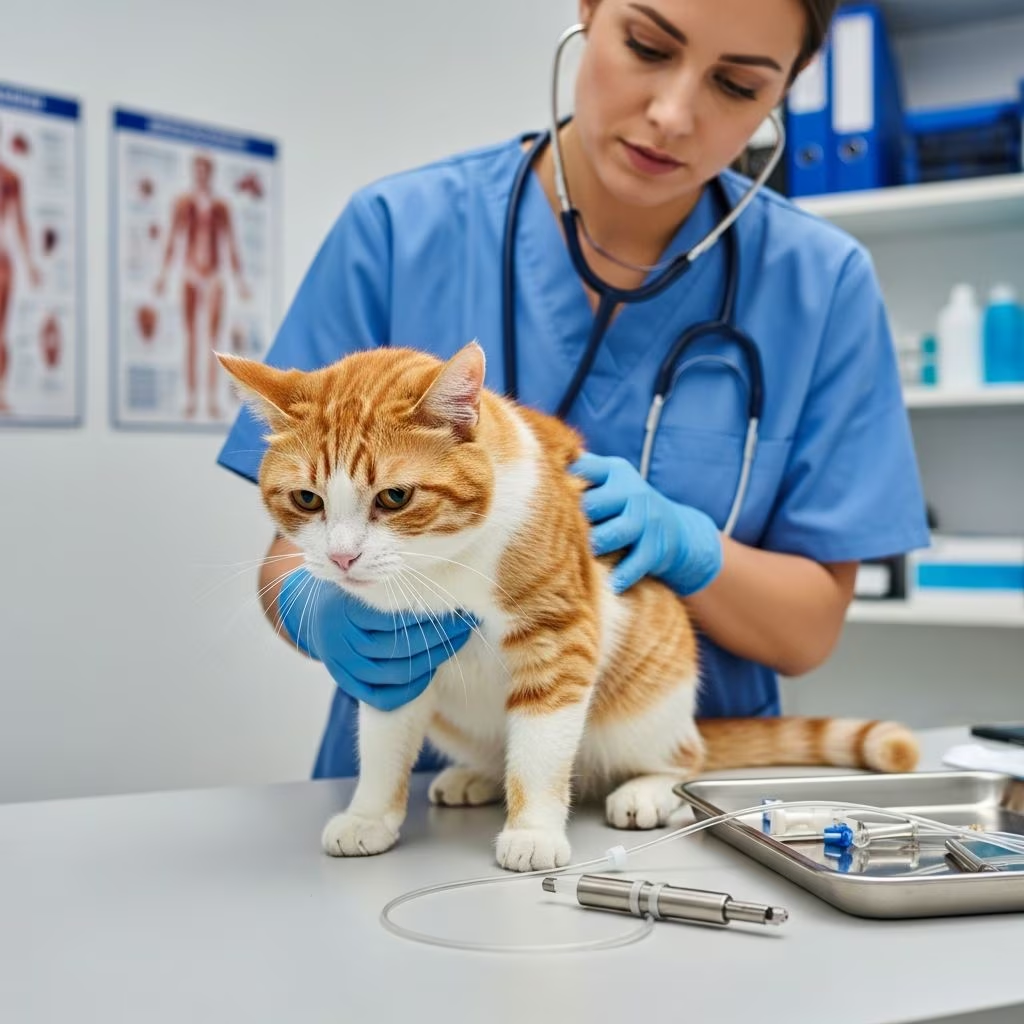
Urinary blockages represent one of the most critical emergencies in veterinary medicine, particularly affecting male cats due to their anatomy, but also occurring in dogs and occasionally females. These obstructions prevent urine from exiting the body, leading to rapid toxin buildup, kidney damage, and potential death within 24-48 hours if untreated.
Why Urinary Blockages Strike Pets
The urinary system in pets relies on a clear pathway from the kidneys through the bladder and urethra to expel waste. Blockages disrupt this flow, most commonly in the urethra. Male cats face heightened risk because their urethra is longer and narrower, easily clogged by even small debris.
In dogs, blockages are less frequent but can stem from similar issues, often linked to stones or tumors. Factors like breed predispositions in smaller dogs or prostate problems in intact males contribute.
Critical Warning Signs Every Pet Owner Must Recognize
Early detection hinges on observing behavioral changes around litter box or elimination habits. Key indicators include:
- Repeated straining attempts with no or minimal urine production, often mistaken for constipation.
- Frequent litter box visits without results, sometimes producing just drops of bloody urine.
- Vocalizing in pain or distress during elimination efforts.
- Excessive grooming or licking of the genital region.
- General malaise: lethargy, appetite loss, vomiting, or hiding.
A distended, painful abdomen signals advanced blockage as urine backs up into the kidneys.
| Symptom | Common in Cats | Common in Dogs | Urgency Level |
|---|---|---|---|
| Straining/No Urine | High | Medium | Critical |
| Bloody Urine Drops | High | Low | High |
| Lethargy/Vomiting | Medium | High | High |
| Genital Licking | High | Medium | Medium |
Root Causes Behind the Obstruction
Multiple elements converge to form blockages. Urethral plugs—mixtures of minerals, mucus, cells, and proteins—are primary culprits in cats, forming from concentrated urine.
Urinary stones or crystals (struvite or calcium oxalate) develop due to dietary imbalances, dehydration, or pH issues, lodging in the narrow urethra.
Inflammation from feline idiopathic cystitis (FIC), a stress-induced bladder condition, exacerbates risks, especially in cats under 10 years.
- Dehydration: Concentrates urine, promoting crystal formation; common in dry-food diets.
- Stress: Triggers FIC via anxiety from household changes or multi-pet dynamics.
- Diet: High-mineral foods increase stone risk.
- Other: Infections, strictures, tumors, or spasms in rare cases.
Dogs may experience blockages from bladder stones, infections, or anatomical issues like prostate enlargement.
The Alarming Consequences of Delay
Without intervention, urine reabsorption leads to azotemia (toxin accumulation), electrolyte shifts (hyperkalemia), and acute kidney injury. Heart arrhythmias and rupture risks follow.
Mortality approaches 100% beyond 48 hours in complete blockages. Even partial ones demand prompt care to avert recurrence.
Immediate Response: Veterinary Emergency Protocol
If symptoms appear, rush to a vet—do not wait. Diagnostics involve:
- Physical exam for bladder palpation.
- Urinalysis, bloodwork for kidney values and electrolytes.
- Imaging: ultrasound or radiographs to locate obstructions.
Treatment escalates quickly:
- Sedation/Catheterization: Relieves blockage via urinary catheter, often under anesthesia.
- Fluid Therapy: IV fluids correct dehydration and flush toxins.
- Medications: Pain relief, anti-spasmodics, antibiotics if infected.
- Hospitalization: 24-72 hours monitoring, sometimes with indwelling catheter.
Surgery (perineal urethrostomy) may be needed for recurrent cases in cats.
Long-Term Management and Prevention Strategies
Post-crisis, focus shifts to avoidance:
- Hydration Boost: Wet food, fountains, multiple water stations; aim for dilute urine.
- Dietary Adjustment: Prescription urinary diets balancing pH and minerals; avoid magnesium-rich foods.
- Stress Mitigation: Pheromone diffusers, safe spaces, routine stability.
- Litter Optimization: Clean, uncovered boxes (one per cat plus one), unscented litter.
- Weight Control: Exercise and portion control for obese pets.
- Regular Checkups: Annual urinalysis screens crystals early.
Supplements like glucosamine may support bladder lining, but consult vets first.
Risk Factors: Who Is Most Vulnerable?
Male, neutered, indoor, overweight cats on dry food top the list. Ages 1-10 years peak incidence.
Dogs: Small breeds, intact males, or those with chronic UTIs.
FAQs: Common Pet Owner Questions
Can female pets get blocked?
Rarely, due to wider urethras, but possible with large stones or tumors.
How fast does a blockage kill?
Complete blocks: 24-48 hours to fatal kidney failure.
Is home relief safe?
No—attempts risk rupture. Vet care only.
Does insurance cover this?
Many plans do; check for emergency clauses.
Recurrence rate?
Up to 50% without prevention; diets reduce to 10-20%.
Holistic Approaches to Urinary Wellness
Beyond basics, consider environmental enrichment: vertical spaces, play therapy to cut stress. Herbal aids like cranberry extracts show promise in studies but lack robust vet endorsement—use adjunctively.
Monitor urine pH at home with strips, targeting 6.0-6.5 for stone prevention.
For multi-cat homes, resource separation prevents conflicts fueling FIC.
Case Insights: Real-World Outcomes
Vets report cats surviving with same-day care, resuming normalcy post-treatment. Delays yield grim results, underscoring vigilance.
Owners sharing stories emphasize fountains doubling water intake, slashing recurrence.
References
- Urinary Blockages in Male Cats: Signs, Causes, and Treatment — FV Pet Emergency. 2023. https://fvpetemergency.com/urinary-blockages-in-male-cats-signs-causes-and-treatment/
- Cat Urinary Blockage: Emergency Signs and Critical Steps — GSVS. 2023. https://gsvs.org/blog/cat-urinary-blockage-emergency/
- Feline lower urinary tract disease (FLUTD) — American Veterinary Medical Association (AVMA). 2024-02-01. https://www.avma.org/resources-tools/pet-owners/petcare/feline-lower-urinary-tract-disease
- Urinary Tract Blockage in Cats — PetMD. 2024. https://www.petmd.com/cat/conditions/urinary/urinary-tract-blockage-cats
- Blocked Bladder in cats — PDSA. 2024. https://www.pdsa.org.uk/pet-help-and-advice/pet-health-hub/conditions/blocked-bladder-in-cats



