

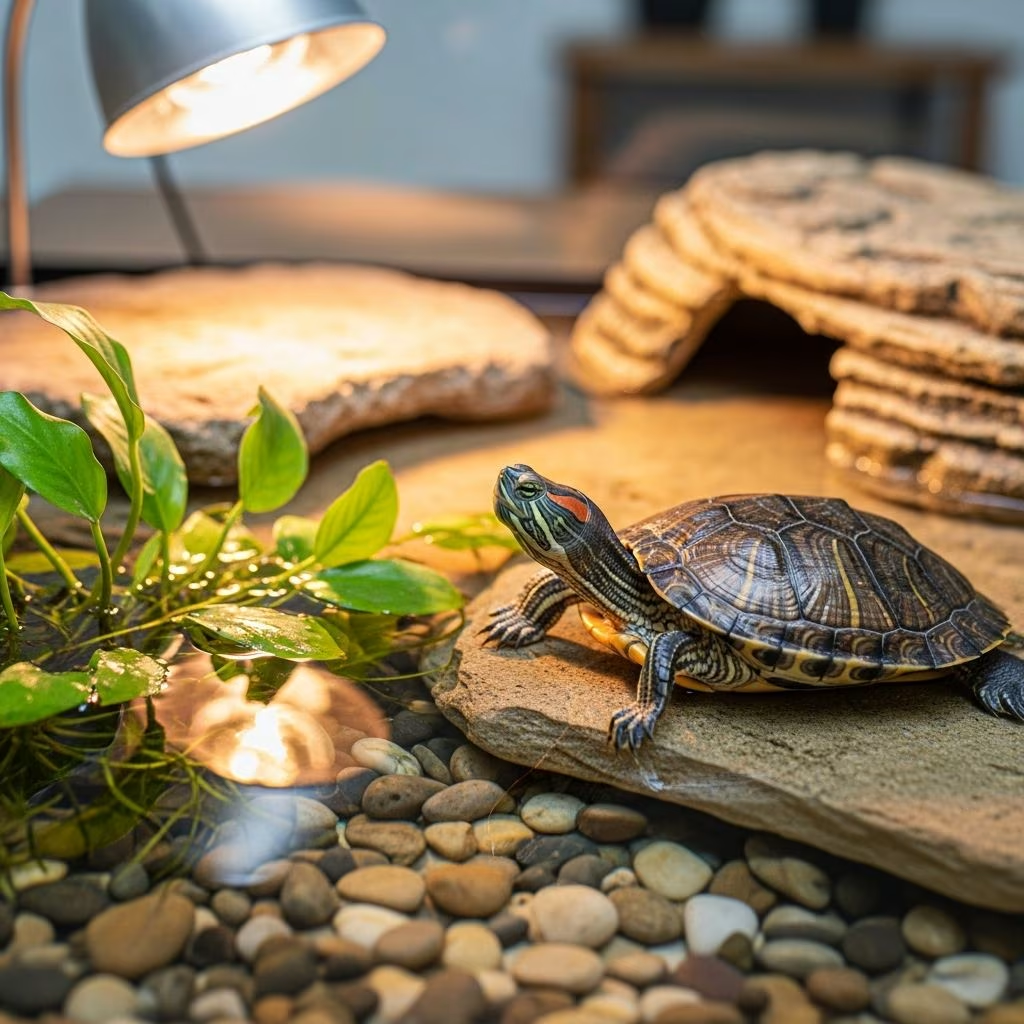
Pet Turtles 101: A Beginner’s Guide to Keeping Turtles
Bringing home a pet turtle is an exciting commitment that requires careful planning and ongoing dedication. Unlike many household pets, turtles have specific environmental, dietary, and medical needs that must be met consistently to ensure they thrive. Whether you’re considering adopting your first turtle or looking to improve your current turtle care routine, understanding the fundamentals is essential. This comprehensive guide covers everything you need to know about keeping pet turtles healthy and happy, from initial veterinary care to daily maintenance routines.
Getting Started: Initial Veterinary Care
The most important first step after bringing your new turtle home is scheduling an appointment with a veterinarian who specializes in exotic animals and has experience with reptiles. A thorough veterinary examination is critical because reptiles often carry diseases, particularly if they were illegally imported from foreign countries. During this initial visit, your veterinarian will perform a general health assessment and typically recommend a fecal exam and blood work to screen for parasites and infections.
When evaluating your new turtle, observe these key health indicators that your veterinarian will also assess:
- Legs should be strong and muscular, capable of lifting the turtle completely off the ground
- The vent, skin, scales, and beak must be clean without discharge or abnormalities
- Shells should be smooth and firm without injuries, cracks, or pyramiding of scutes
- Eyes should be clear and alert without swelling or cloudiness
- Overall body condition should indicate proper nutrition and health
Creating the Perfect Turtle Habitat
Enclosure Size and Type
Proper housing is fundamental to turtle health and longevity. For most aquatic turtles, an indoor aquarium provides the best controlled environment, though outdoor ponds are suitable in certain climates with proper setup. Enclosure size varies depending on the species and age of your turtle:
- Hatchling red-eared sliders require a minimum 30-gallon aquarium
- Adult red-eared sliders need 60-125 gallons of space
- Use the general guideline of 10 gallons of water per 1 inch of shell length
- Water depth should be at least 2 times the turtle’s carapace length or minimum 2 feet to allow swimming and prevent drowning if the turtle flips
- Maintain at least 6 inches of air space between water surface and tank top to prevent escapes
Many turtles are surprisingly skilled climbers, so outdoor enclosures must be sufficiently enclosed to prevent escapes. Indoor tanks offer better temperature control and protection from predators and weather variations.
Water and Basking Areas
Turtles require both adequate water for swimming and accessible basking areas to regulate their body temperature and absorb essential ultraviolet radiation. Create basking platforms or islands at the waterline using rocks, driftwood, or commercial turtle docks. These areas should be easily accessible and positioned directly under heat sources to encourage regular use.
Maintain appropriate temperature ranges for optimal turtle health:
| Environment | Hatchlings | Adults |
|---|---|---|
| Basking Area Temperature | 90-95°F | 85-90°F |
| Water Temperature | 80-86°F (higher end) | 75-80°F (lower end) |
Substrate Considerations
Avoid placing any substrate smaller than your turtle’s head in the enclosure to prevent foreign body ingestion, which can cause serious health complications. Many experienced turtle keepers prefer keeping tanks without substrate on the bottom, which simplifies cleaning and reduces the risk of impaction.
Heating and Lighting Requirements
Basking Heat
A heat bulb or ceramic heat emitter maintains the basking area at appropriate temperatures, typically 85-90°F. Position the heat lamp directly above the basking platform, allowing your turtle to thermoregulate by moving between water and basking areas as needed.
Water Heating
A submersible water heater maintains proper water temperature year-round. Hatchlings prefer water temperatures at the warmer end of the range (80-86°F), while adult turtles thrive at 75-80°F. Use aquarium thermometers and digital temperature guns to monitor and maintain consistent temperatures.
UVB Lighting
Ultraviolet B radiation is essential for your turtle’s calcium absorption and overall metabolism. Provide 12-14 hours of UVB light daily using quality bulbs such as Reptisun or Exo Terra products. Replace UVB bulbs every six months because they lose their UVB properties over time, even when still emitting visible light.
Water Filtration and Tank Maintenance
Filtration System
Turtles are notoriously messy animals that eat, defecate, and urinate in their water, quickly fouling the tank. A robust canister water filter is essential to maintain water quality and reduce the need for frequent complete water changes. The filtration system should be appropriately sized for your tank volume and rated for turtle tanks specifically.
Water Changes and Conditioning
Perform partial water changes of 25% weekly or 50% every two weeks, with complete water changes every one to two weeks depending on tank conditions. Always use a water conditioner to remove chlorine and chloramines from tap water before adding it to the tank. New water should match the temperature of existing tank water to avoid temperature shock.
Cleaning Schedule
Regular maintenance keeps your turtle’s environment healthy and prevents bacterial growth. Implement this cleaning routine:
- Remove leftover food daily to prevent water contamination
- Clean the tank filter every 2-3 weeks using a turtle-safe cleaner
- Agitate and siphon substrate during water changes to remove waste
- Clean tank walls of algae buildup regularly
- Perform a complete tank deep-cleaning every 3-4 weeks
When doing a complete deep-clean, wash your hands thoroughly before handling the turtle to avoid transferring lotions or chemicals. Move the turtle to a temporary secure enclosure, remove all tank accessories, and scrub the tank and furnishings with a reptile habitat cleaner or 3% bleach solution, allowing it to sit for at least 10 minutes. Rinse everything thoroughly, allow to dry, and refill with treated water.
Separate Feeding Tank
Many experienced turtle keepers maintain a separate tank specifically for feeding. Feeding in a separate container prevents the main tank from getting dirty too quickly and maintains better water quality, reducing the frequency of complete water changes needed.
Nutrition and Feeding
Feeding Frequency
Feeding frequency depends on your turtle’s age and life stage:
- Hatchlings and juveniles should be fed daily, offering only what they can consume in approximately 15 minutes
- Adult turtles can be fed every other day to every 2-3 days
- Avoid overfeeding even when turtles aggressively beg for food
Balanced Diet
Provide a varied diet combining commercial and natural foods for optimal nutrition. Quality pelleted diets such as Zoo Med pellets, ReptoMin sticks, and Fluker’s Crafted Cuisine should form the foundation of your turtle’s diet. Supplement with fresh greens including romaine lettuce, dandelion greens, and mustard greens. Add variety with vegetables like shredded carrots, squash, and peppers to ensure comprehensive nutrition.
Feeding Tips
Since turtles must be fed in water, they may ingest water while eating. Feeding in a separate container outside the main tank helps maintain optimal water quality and prevents rapid water deterioration. Limit feeding sessions to 15 minutes to minimize uneaten food and water contamination. Turtles may display aggressive begging behavior, but consistent portion control prevents obesity and associated health problems.
Environmental Considerations
Hibernation Concerns
While many turtle species hibernate in the wild, hibernation is not recommended for pet turtles. Hibernation is associated with reproduction in wild turtles but compromises the immune system and can lead to serious health problems in captive turtles. Maintain consistent indoor tank conditions year-round, though some keepers provide outdoor summer enclosures if temperatures remain suitable.
Protection from Predators
Ensure your turtle tank is secure from cats, dogs, and other household predators. While turtle shells offer some protection, shell injuries or fractures can prove fatal. Your pet turtle deserves a stress-free environment where it can feel safe and secure at all times.
Medical Care and Health Monitoring
Annual Veterinary Visits
Schedule at least one veterinary exam annually with an exotic animal veterinarian. These visits should include physical examinations, fecal testing, and blood work to monitor your turtle’s health status and catch potential problems early. Transport your turtle in a plastic container lined with paper towels for smaller individuals or towels for larger specimens. Mist your turtle before transport to provide moisture during the journey.
Signs of Illness
Monitor your turtle’s behavior and appearance daily, watching for these warning signs that require veterinary attention:
- Visible discharge from the nose, mouth, eyes, or cloaca
- Respiratory distress or labored breathing
- Wounds, lesions, or abrasions on the shell or body
- Shell rot or discoloration of the shell surface
- Loss of appetite or refusal to eat
- Lethargy or lack of normal activity
- Swelling of eyes, limbs, or body
- Abnormal swimming or buoyancy problems
When in doubt about your turtle’s health, contact your local exotic animal veterinarian for professional advice. Early intervention prevents minor issues from becoming serious health emergencies.
Frequently Asked Questions About Pet Turtle Care
Q: How long do pet turtles live?
A: Lifespan varies by species, but many aquatic turtles can live 20-40 years or more with proper care, making them long-term commitments requiring consistent dedication and resources throughout their lives.
Q: Can I keep my turtle outside year-round?
A: This depends on your climate. In suitable warm climates, turtles can be kept outdoors year-round in properly designed ponds. However, indoor tanks with controlled environments are recommended in most regions for consistent health and protection from predators and weather.
Q: What is the best substrate for turtle tanks?
A: Many experienced keepers prefer tanks without substrate to simplify cleaning and prevent impaction. If using substrate, ensure all pieces are larger than your turtle’s head to prevent accidental ingestion.
Q: How often should I clean my turtle tank?
A: Perform partial water changes weekly, clean filters every 2-3 weeks, and do complete deep-cleaning every 3-4 weeks. Remove uneaten food daily. Frequency may increase if you keep multiple turtles or notice water quality declining.
Q: Can I keep multiple turtles together?
A: While some turtle species can cohabitate, many are territorial and may fight. Housing multiple turtles requires significantly larger enclosures and more robust filtration. Consult with your veterinarian about compatibility for your specific species.
Q: What temperature should my turtle tank be?
A: Water temperatures should range from 75-86°F depending on species and age, with basking areas maintained at 85-95°F. Use thermometers to monitor and maintain these ranges consistently.
Q: How do I know if my turtle is sick?
A: Watch for discharge from nose/mouth/eyes, respiratory distress, shell abnormalities, loss of appetite, lethargy, or unusual swimming behavior. Contact your exotic veterinarian immediately if you notice any concerning signs.
References
- Turtle Care Guide — Long Island Bird & Exotics Veterinary Clinic. 2025. https://www.birdexoticsvet.com/turtle-care-guide
- Aquatic Turtle Care Sheet — PetMD. 2025. https://www.petmd.com/reptile/aquatic-turtle-care-sheet
- Aquatic Turtle Care Recommendations — MedVet. 2025. https://www.medvet.com/aquatic-turtle-care-recommendations/
- Pet Turtles 101: A Beginner’s Guide to Keeping Turtles and Tortoises — Chewy Education. 2025. https://www.chewy.com/education/reptile-and-amphibian/turtle-and-tortoise/pet-turtles
- Water Turtle Care Sheet — California Turtle and Tortoise Club. 2025. https://www.tortoise.org/general/watcare.html



