

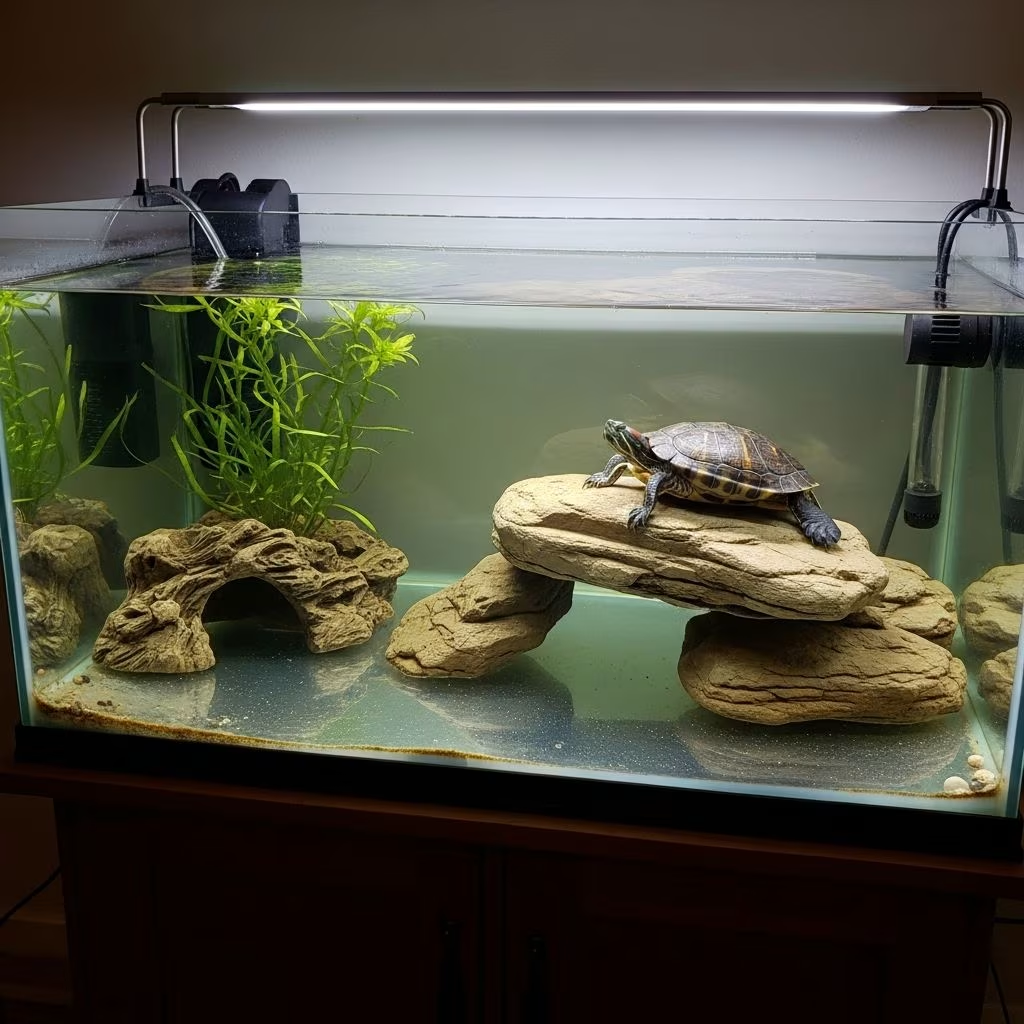
Pet Turtle Tank and Water Maintenance: A Complete Guide
Maintaining a healthy environment for your pet turtle requires consistent attention to water quality and tank cleanliness. Whether you’re a seasoned turtle enthusiast or a first-time turtle owner, understanding the fundamentals of tank maintenance is essential for your turtle’s health and longevity. This comprehensive guide covers everything you need to know about keeping your turtle’s habitat in optimal condition.
Understanding the Role of Filtration
Filtration is one of the most critical components of turtle tank maintenance. Turtles are messy eaters and produce significant amounts of waste, which quickly accumulates in the tank and can become lethal to your pet. Ammonia, a byproduct of turtle waste, builds up rapidly in unfiltered tanks and poses serious health risks to your turtle. Without proper filtration, even the cleanest-looking tank can harbor dangerous toxin levels that are invisible to the naked eye.
When considering your filtration options, you have two primary approaches: filtered systems or dump-and-fill enclosures. Dump-and-fill systems rely on frequent water changes every two to three days instead of mechanical filtration. While some turtle enthusiasts prefer this method, it can be extremely challenging to maintain, particularly for indoor tanks. For most turtle owners, investing in a quality water filter is one of the best decisions you can make for your pet’s health and your own convenience.
Filter Media and Proper Layering
Understanding filter media is crucial for effective filtration. Different types of media work together to remove various contaminants from your turtle’s water. The proper arrangement of filter media is essential for maximum effectiveness. Mechanical filtration should always come first, followed by biological media, with chemical filtration as the final layer. This sequence ensures that larger particles are removed first, beneficial bacteria can colonize the biological media, and any remaining impurities are captured by chemical filtration.
When setting up your filter initially, consider using a bacteria starter fluid, such as API Quick Start aquarium water treatment, to establish beneficial bacteria colonies inside your filter. These bacteria are essential for breaking down toxic ammonia and nitrite into less harmful nitrate.
Filter Safety and Maintenance Considerations
While filters are invaluable, proper installation is critical for your turtle’s safety. Always ensure that your turtle cannot become stuck in the filter inlet by the suction, as this could lead to drowning. Additionally, check that the outlet flow rate isn’t too high, or your turtle may struggle to swim against the current. Following the manufacturer’s instructions and guidelines is essential for both effectiveness and safety.
Water Change Schedules and Techniques
Regular water changes are non-negotiable for maintaining water quality, even in filtered tanks. A 25- to 50-percent water change performed once a week will significantly contribute to keeping your turtle tank clean and healthy. These partial water changes help remove accumulated nitrates and other pollutants that filters cannot completely eliminate.
The frequency and extent of water changes may depend on your specific setup. Some owners perform 25% water changes weekly, while others opt for 50% changes every other week. Both approaches can be effective, so choose the schedule that works best for your situation. The key is consistency and monitoring your tank’s condition.
Proper Water Change Procedure
Performing a water change correctly ensures that you’re not disrupting the beneficial bacteria in your tank. The traditional method involves removing water with a siphon and a bucket, though modern systems like the Python No Spill Clean and Fill aquarium maintenance system can make the process almost completely automated. Whichever method you choose, always use dechlorinated water when refilling your tank.
When adding fresh water, always treat tap water with a water conditioner before adding it to your tank. Products like Tetrafauna AquaSafe reptile water conditioner help remove chlorine and other pollutants that can harm your turtle. Additionally, ensure that new water matches the temperature of the existing tank water to avoid shocking your turtle.
If you rinse any filter media during a water change, use dechlorinated water or old aquarium water rather than tap water. This preserves the beneficial bacteria living on the media, which is essential for maintaining your biological filtration.
Deep Cleaning and Filter Maintenance
While weekly water changes maintain basic water quality, periodic deep cleaning is necessary for optimal tank health. At minimum, an aquatic turtle’s enclosure should undergo deep cleaning every three to four weeks, though tanks housing multiple turtles require more frequent cleaning. Signs that deep cleaning is needed include visible debris buildup or noticeably reduced filter flow.
Step-by-Step Deep Cleaning Process
A thorough tank cleaning requires several important steps to ensure your turtle’s safety and the integrity of your filtration system.
Step 1: Preparation and Safety Begin by washing your hands thoroughly with soap and water to remove any lotions, perfumes, or other chemicals that could harm your turtle. Next, turn off your filter and unplug your heater to prevent damage when water levels are lowered.
Step 2: Remove Your Turtle Transfer your turtle to a temporary, secure container filled with water that matches the temperature of their main tank. Ensure they have enough space to be comfortable during the cleaning process.
Step 3: Remove Tank Contents Take out all decorations, basking platforms, and accessories from the tank. Wash these items in a bucket of your tank water to help preserve beneficial bacteria on their surfaces. Avoid using harsh chemicals on tank decorations unless specifically designed for aquarium use.
Step 4: Drain and Scrub Using a siphon or bucket, drain the tank. For a deep clean, consider removing approximately 75% of the water. Use a net to remove large waste particles from the substrate. Scrub the tank sides with a sponge to remove algae and mineral deposits, paying special attention to areas where buildup has occurred, as these become harder to remove over time. If desired, you can use a reptile habitat cleaner or 3% bleach solution on the empty tank, allowing it to sit for at least 10 minutes for proper disinfection.
Step 5: Clean the Filter Remove filter sponges and media, rinsing them in a bucket or sink. This cleaning step should occur every 2 to 3 months at minimum. Rinse the filter shell itself to remove any buildup that could reduce efficiency. Use dechlorinated water or old aquarium water for rinsing biological media.
Step 6: Rinse and Refill Rinse the habitat and all accessories thoroughly with water to remove any traces of cleaning agents or bleach. Once dry, refill the tank with clean, treated water. Allow the tank to settle before reinstalling heaters, filters, and thermometers, ensuring all equipment is functioning correctly.
Step 7: Reintroduce Your Turtle Return your turtle to the cleaned tank and plug your filter and heater back in. Monitor water temperature to ensure it returns to the appropriate range for your turtle species.
Water Quality Testing and Monitoring
Understanding your water chemistry is essential for maintaining a healthy turtle environment. Water test kits allow you to monitor pH levels and nitrogenous waste, including nitrates, nitrites, and ammonia. Elevated levels of these compounds indicate that water changes or filter maintenance are needed.
Testing Options and Methods
Two main types of test kits are available for turtle owners. Dip strips, such as Tetra EasyStrips 6-in-1 aquarium test strips, provide quick results and help you determine when toxin levels have risen too high. These strips are easy to use and great for routine monitoring. For more detailed analysis, full test kits like the API Freshwater Aquarium Master Test Kit provide more accurate results, though they require more involved procedures.
Regular testing helps you establish baseline water parameters for your specific tank and allows you to track changes over time. This data enables you to adjust your maintenance schedule based on your tank’s actual needs rather than guessing.
Common Maintenance Mistakes to Avoid
Understanding what not to do is just as important as knowing proper maintenance techniques. One significant mistake is overfeeding your turtle, which contributes to excess waste and tank pollution. Most turtles should eat only once every other day or less. Consider using a feeding bin—a separate container where you feed your turtle for an hour or two—to minimize food waste and tank contamination. This simple approach can dramatically reduce your cleaning frequency.
Another critical error is failing to maintain adequate water volume. Your turtle’s tank needs sufficient water for your filter to function properly. The tank should be at least half to three-quarters full to allow adequate water flow through the filter and provide proper swimming space. Additionally, remove leftover food from the tank daily to prevent decomposition and water quality deterioration.
Comparison: Water Change Schedules and Methods
| Method | Frequency | Water Volume Changed | Time Commitment | Best For |
|---|---|---|---|---|
| Partial Water Changes with Filter | Weekly | 25-50% | 20-30 minutes | Most turtle owners with filtration systems |
| Dump-and-Fill System | Every 2-3 days | 100% | 45-60 minutes per change | Those without filter systems |
| Automated Fill System (Python) | Weekly | 25-50% | 10-15 minutes | Owners seeking convenience |
| Deep Clean | Every 3-4 weeks | 75%+ | 45-90 minutes | All turtle owners, required maintenance |
Creating an Effective Maintenance Schedule
The most successful turtle owners establish and maintain a consistent maintenance schedule. A typical weekly routine includes a 25-50% water change, followed by monthly deep cleaning with filter maintenance every 2-3 months. However, your specific schedule should adapt to your tank’s conditions and your turtle’s behavior.
Keeping a maintenance log can help you track when tasks were last completed and identify patterns in water quality changes. This documentation proves invaluable when troubleshooting water quality issues or determining if your current maintenance routine needs adjustment.
Frequently Asked Questions
Q: Can filters alone keep my turtle tank clean?
A: No, filters alone cannot maintain clean turtle tank conditions. Eventually, nitrates will accumulate and filters will become clogged with debris. Regular water changes and filter cleanings are essential complements to mechanical filtration.
Q: How often should I perform water changes if I have a filter?
A: A 25-50% water change once per week is recommended for filtered tanks. This helps remove accumulated nitrates and maintains optimal water quality.
Q: What water conditioner should I use?
A: Always use a reptile-specific water conditioner like Tetrafauna AquaSafe when adding tap water to your tank. This removes chlorine and other harmful chemicals.
Q: How do I know when my filter needs cleaning?
A: Signs that your filter needs cleaning include visible debris buildup in the tank or noticeably reduced water flow. At minimum, filters should be cleaned every 2-3 months.
Q: Can I use tap water directly in my turtle tank?
A: No, tap water contains chlorine and other chemicals that can harm your turtle. Always treat tap water with a water conditioner before adding it to the tank.
Q: What should I test for in my turtle tank water?
A: Test for pH, ammonia, nitrite, and nitrate levels. These parameters indicate whether water changes or filter maintenance are needed to maintain a healthy environment.
Q: Is it safe to use bleach to clean my turtle tank?
A: Yes, a 3% bleach solution can be used on empty tanks during deep cleaning. Allow it to sit for at least 10 minutes for proper disinfection, then rinse thoroughly with water.
Q: How can I reduce my turtle tank maintenance?
A: Use a feeding bin to contain feeding and reduce waste in the main tank. Don’t overfeed—turtles need food only every other day or less. Maintain adequate water volume and invest in the best filter you can afford.
References
- Pet Turtle Tank and Water Maintenance — Chewy Studios. Accessed 2025-11-28. https://www.chewy.com/education/reptile-and-amphibian/turtle-and-tortoise/pet-turtle-tank-and-water-maintenance
- Aquatic Turtle Care Sheet — PetMD. 2024. https://www.petmd.com/reptile/aquatic-turtle-care-sheet
- How To Clean a Turtle Tank in 30 Minutes — YouTube. https://www.youtube.com/watch?v=jgB76fRD9O0
- 5 Common Turtle Care Mistakes — Turtle Rescue League. https://turtlerescueleague.org/5-common-turtle-care-mistakes/



