

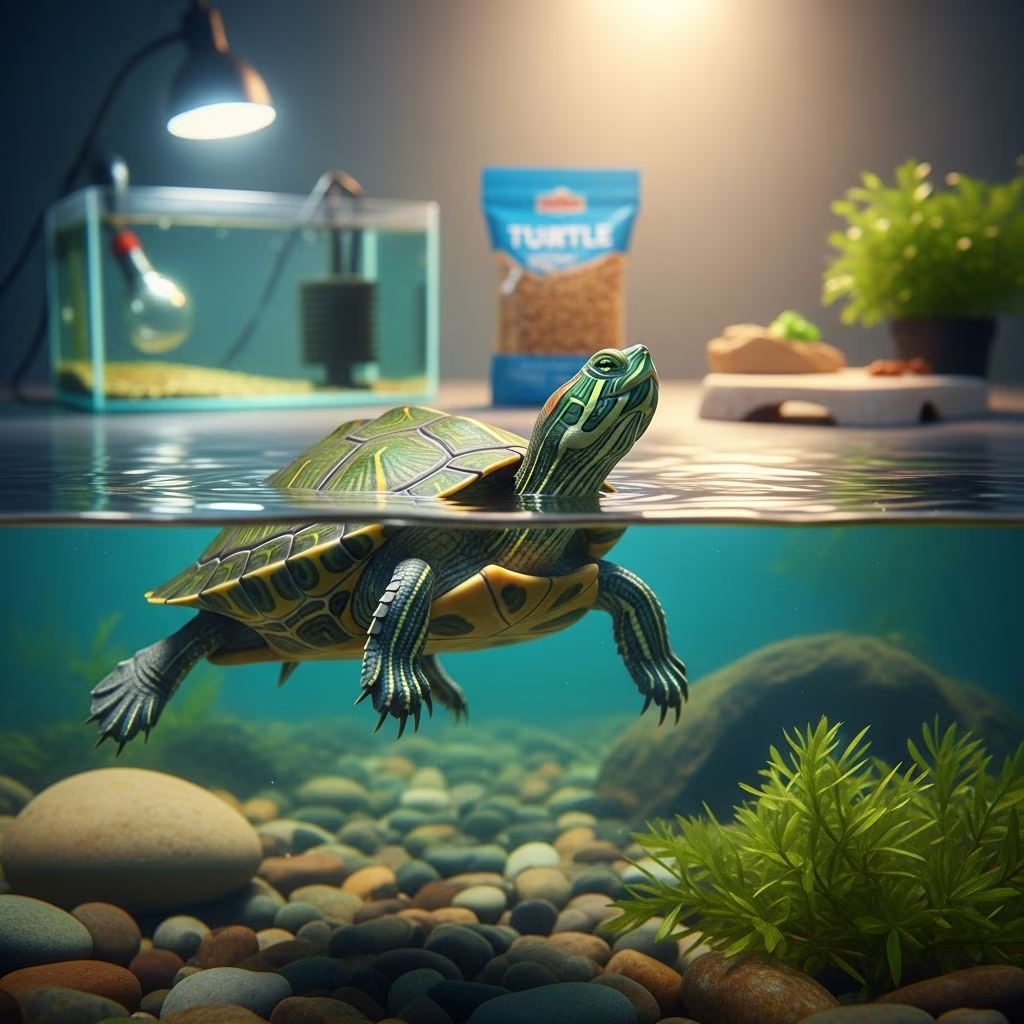
Bringing a pet turtle into your home requires careful planning due to their specific needs and long lifespan. Aquatic turtles, popular choices for beginners, demand proper habitats, consistent maintenance, and awareness of health risks to thrive.
Understanding Turtle Biology and Lifespan
Turtles are reptiles with unique physiologies adapted to aquatic or semi-aquatic environments. Common species like red-eared sliders can live 20-40 years in captivity, growing from hatchlings to adults over a foot long. This longevity means a decades-long commitment, far beyond typical short-lived pets.
Juveniles grow rapidly, requiring space expansions every few months. Adults need substantial enclosures to swim and bask, mimicking their natural habitats in ponds and rivers. Failure to account for growth leads to cramped conditions, stressing the animal and promoting disease.
- Growth rate: Doubles in size within the first year.
- Adult size: 8-12 inches shell length for most aquatic species.
- Lifespan factors: Proper diet, lighting, and water quality extend life expectancy.
Habitat Setup: Creating the Ideal Environment
Aquatic turtles require spacious tanks with filtration, heating, and lighting to replicate natural conditions. Minimum size starts at 40 gallons for one hatchling but scales to 100+ gallons for adults.
| Component | Requirements | Frequency |
|---|---|---|
| Water Depth | 2-3 times shell length | Daily check |
| Filter | Canister type, 5-10x tank volume per hour | Clean every 2-3 weeks |
| Basking Area | Land platform, dry and accessible | 10-12 hours light daily |
UVB lighting is crucial for vitamin D synthesis, preventing metabolic bone disease. Replace bulbs every 6 months regardless of visible light output. Heaters maintain water at 75-80°F (24-27°C) and basking spots at 90-95°F (32-35°C).
Daily and Weekly Maintenance Routines
Turtles are messy eaters, fouling water quickly. Daily tasks include spot-cleaning debris and monitoring parameters like temperature and pH.
Weekly, perform 25-50% water changes using dechlorinated water matched to tank temperature. Full deep cleans every 3-4 weeks involve scrubbing with 3% bleach (rinsed thoroughly) or reptile-safe cleaners.
- Wash hands before handling to avoid toxins.
- Relocate turtle securely.
- Disinfect all surfaces; soak 10 minutes in bleach solution.
- Rinse until odor-free; dry before refilling.
Filters need bi-weekly maintenance to prevent clogs, ensuring water quality.
Nutrition: Balanced Diets for Healthy Growth
Young turtles eat daily; adults every 2-3 days. Offer 80% protein (pellets, insects, fish) and 20% vegetables for omnivorous species. Calcium supplements aid shell health; dust food 2-3 times weekly.
- Hatchlings: High-protein pellets, bloodworms.
- Adults: Leafy greens, commercial sticks.
- Avoid: Iceberg lettuce, high-fat treats.
Feed in a separate container to reduce tank mess. Overfeeding causes obesity and water pollution.
Handling and Socialization Tips
Turtles dislike frequent handling; allow adjustment periods post-acquisition. Scoop gently with both hands, supporting the shell without flipping. Their plastron (belly shell) is sensitive—avoid pressure.
Some bond with owners, tolerating scratches with a soft brush. Never turn upside down, as it stresses organs.
Health Risks and Zoonotic Concerns
All reptiles carry Salmonella; wash hands before and after contact. Children under 5, elderly, and immunocompromised should avoid handling. Symptoms in humans include diarrhea, fever.
Monitor for shell rot, respiratory issues (wheezing), lethargy, or appetite loss—early vet intervention is key.
Veterinary Care: Finding the Right Specialist
Annual exams include fecal tests for parasites, blood work, and weight checks. Seek Association of Reptile and Amphibian Veterinarians (ARAV) members for exotics expertise. Initial post-purchase vet visit screens for smuggling-related diseases.
Transport in ventilated carriers lined with towels; mist for humidity but avoid soaking.
Financial Commitment: Budgeting for Long-Term Ownership
Initial setup: $300-800 (tank, filter, lights). Ongoing: $50-100/month (food, electricity, vet). Lifespan costs can exceed $10,000.
| Item | Initial Cost | Annual Cost |
|---|---|---|
| Tank & Equipment | $200-500 | $100 (replacements) |
| Food & Supplements | $20 | $200-400 |
| Vet Visits | $100 | $150-300 |
Common Mistakes to Avoid
- Undersized tanks: Leads to stunted growth, aggression.
- No UVB: Causes shell deformities.
- Poor hygiene: Promotes infections.
- Impulse buys: Research species legality; some banned due to invasiveness.
Enrichment and Behavioral Needs
Provide hides, plants, and occasional supervised outdoor time for natural sunlight. Rotate tank decor monthly to stimulate exploration. Watch for normal shedding of scutes—soft shells signal issues.
Is a Turtle Right for Your Family?
Turtles suit patient owners with space and time for maintenance. Not ideal for frequent travelers or young kids due to hygiene risks. Renters check lease rules on large aquariums.
Frequently Asked Questions (FAQs)
Can turtles recognize their owners?
Yes, many associate people with food, becoming calmer over time.
How often should I change the water?
25-50% weekly; full clean monthly.
Do turtles need a heater?
Essential for consistent temperatures; cold water slows metabolism, causing illness.
Are turtles low-maintenance pets?
Moderate: Daily checks, weekly changes (10-20 min), monthly deep cleans (1-1.5 hrs).
What if my turtle’s shell is soft?
Consult vet; often due to calcium/UVB deficiency.
References
- Aquatic Turtle Care Sheet — PetMD. 2023-10-15. https://www.petmd.com/reptile/aquatic-turtle-care-sheet
- Pet Turtles 101: A Beginner’s Guide — Chewy.com. 2024-05-20. https://www.chewy.com/education/reptile-and-amphibian/turtle-and-tortoise/pet-turtles
- The Dos and Don’ts of Turtle Care — PetHelpful. 2023-08-12. https://pethelpful.com/reptiles-amphibians/the-dos-and-donts-of-turtle-care
- How To Care for a Pet Turtle: Are They High Maintenance? — YouTube (BirdTrick). 2022-11-10. https://www.youtube.com/watch?v=rMny_GH0xvE
- Turtle Care Guide — Long Island Bird & Exotics Veterinary Clinic. 2024-02-28. https://www.birdexoticsvet.com/turtle-care-guide



