

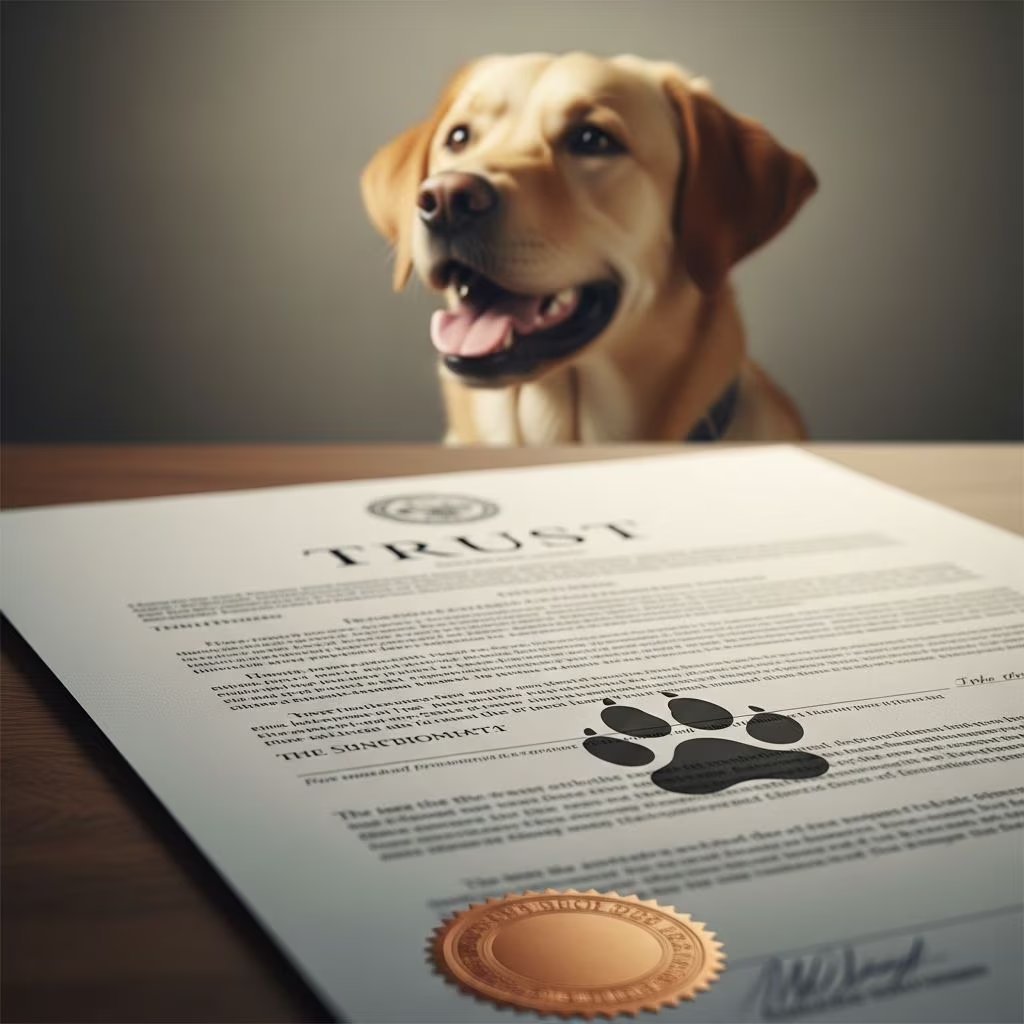
Pet trusts provide a legally binding way to ensure your dog receives ongoing care tailored to its needs after your passing or incapacity. These arrangements allocate funds and instructions, distinguishing them from simple bequests in wills by offering enforceable oversight.
Why Dogs Need Specialized Legacy Planning
Dogs often live 10-15 years, outlasting many informal care promises made to friends or family. Without structured plans, pets risk neglect or relocation to shelters. A pet trust addresses this by designating resources exclusively for the animal’s benefit, recognized in all 50 states and the District of Columbia.
Key advantages include immediate fund access bypassing probate delays, detailed care directives, and mechanisms for replacement of unfit caregivers. Unlike honorary bequests, enforceable trusts hold trustees accountable, preventing misuse of allocated money.
Core Elements of a Dog Pet Trust
A well-crafted pet trust includes several foundational components to safeguard your dog’s well-being.
- Beneficiary Designation: Explicitly name your dog(s) as the sole beneficiary, covering multiple animals if needed with separate allocations.
- Funding Amount: Estimate lifetime costs—food, vet bills, grooming—often $10,000-$50,000 depending on breed and health, adjusted for inflation.
- Termination Clause: Funds revert to remainder beneficiaries (e.g., heirs) upon the dog’s death, with state-specific duration limits like 21 years.
Integrate the trust into your broader estate plan, either standalone or as a sub-trust within a revocable living trust for efficiency.
Selecting Reliable Caregivers and Trustees
Choosing the right people is critical for success. Separate roles create accountability: the caregiver handles daily needs, while the trustee manages finances and verifies compliance.
| Role | Responsibilities | Ideal Qualities |
|---|---|---|
| Caregiver | Daily feeding, exercise, vet visits | Dog-loving lifestyle match, proximity, health compatibility |
| Trustee | Fund disbursement, oversight visits, record reviews | Financial savvy, impartiality, organizational skills |
| Successor | Backup activation if primary unavailable | Multiple options for contingencies |
Discuss expectations upfront with candidates, providing pet profiles including age, breed, temperament, and preferences. Name at least two backups per role to handle unforeseen events.
Drafting Comprehensive Care Guidelines
Include precise instructions to replicate your dog’s routine, minimizing stress during transitions.
- Daily Schedule: Meal types/times (e.g., grain-free kibble at 7 AM/6 PM), walks (twice daily, 30 minutes each), playtime specifics.
- Health Protocols: Vet records, vaccination history, ongoing meds, preferred clinic, emergency contacts.
- Behavioral Notes: Anxiety triggers, favorite toys, training commands, socialization needs.
- Lifestyle Details: Boarding preferences for travel, grooming frequency, exercise intensity based on age/breed.
Attach photos, videos, and a pet resume for clarity. Require trustee reports—quarterly vet checks, annual audits—to ensure adherence.
Funding Strategies for Long-Term Security
Fund the trust adequately to cover the dog’s expected lifespan plus buffer for inflation or emergencies. Common methods:
- Direct cash deposits or life insurance policies naming the trust.
- Investments like low-risk bonds for steady income.
- Annual contributions during your lifetime for growth.
Calculate needs: a medium dog might require $2,000/year (food $500, vet $800, misc $700). For seniors or breeds prone to issues (e.g., Labs with hip dysplasia), double estimates. Specify reimbursement rules—receipts required for trustee approval.
Legal Framework and State Variations
All states now permit pet trusts, evolving from limited recognition to full enforceability. For example, California’s Probate Code §15212 explicitly validates them with funds solely for animal benefit.
Consult local laws for duration caps (e.g., life of pet or 21 years max). Professional drafting by estate attorneys ensures compliance, often costing $1,000-$3,000 but avoiding probate pitfalls.
Common Mistakes to Avoid in Pet Trusts
Steer clear of these pitfalls for robust protection:
- Underfunding: Base on realistic projections, not optimism.
- Combining Roles: Avoid one person as both caregiver and trustee to prevent conflicts.
- Outdated Info: Review every 2-3 years or after life changes (moves, health shifts).
- Ignoring Incapacity: Trigger trust activation via your power of attorney.
- No Remainder Plan: Specify heirs for leftover funds to prevent escheat to state.
Regular updates maintain relevance as your dog’s needs evolve.
Alternatives to Full Pet Trusts
If a trust feels excessive, consider:
- Beneficiary Designation: Will clause gifting pet and cash sum—less control.
- Power of Attorney: Temporary caregiver authority during incapacity.
- Non-Profits: Donate to shelters like ASPCA with care stipulations.
Trusts outperform these for detailed, enforceable care.
Implementation Steps: From Concept to Activation
Follow this roadmap:
- Assess Needs: Document dog’s profile, cost estimates, candidate lists.
- Consult Attorney: Draft via estate planner experienced in pet provisions.
- Fund and Execute: Transfer assets, notarize, notify involved parties.
- Integrate Plan: Link to will, healthcare directives.
- Review Annually: Update for changes in health, locations, finances.
Many attorneys offer standalone pet trusts integrable into existing plans.
Real-World Benefits and Peace of Mind
Pet trusts guarantee continuity: specific diets (e.g., prescription food for allergies), quarterly vet exams, even in-home trustee visits twice yearly. Remaining funds can support animal charities, extending your legacy.
Owners report profound relief knowing loyal companions avoid uncertainty. Professional trustees (fiduciaries) provide impartiality for complex cases like multi-pet households.
Frequently Asked Questions (FAQs)
What is the average cost to set up a pet trust?
Typically $1,000-$5,000, depending on complexity and attorney fees. Standalone trusts are simpler and cheaper than full estate overhauls.
Can a pet trust cover multiple dogs?
Yes, allocate specific sums per dog or create sub-trusts for individualized care plans.
What happens to unused funds after my dog passes?
Distribute to named remainder beneficiaries like family or charities, as outlined in the document.
Do all states honor pet trusts equally?
Yes, all 50 states recognize them, but details like duration vary—check local statutes.
Who should I choose as trustee?
A financially responsible friend, family member, or professional fiduciary; separate from caregiver for oversight.
References
- Pet Trusts: Ensuring Your Beloved Companion’s Future Care — Ignacio Law. Accessed 2026. https://www.ignaciolaw.com/blog/creating-pet-trust-san-diego-trust-attorney
- Setting Up a Pet Trust 101: Tips and Information You Need — Legacy Headstones. Accessed 2026. https://legacyheadstones.com/blogs/articles/setting-up-a-pet-trust-101-tips-and-information-you-need
- Ensuring Your Pet’s Future: A Guide To Pet Trusts — Terri Hilliard, PC. Accessed 2026. https://www.terrihilliard.com/blog/ensuring-your-pets-future-a-guide-to-pet-trustsnbsp
- Pet Trusts Explained: Ensure Your Pet’s Care After You’re Gone — ACTEC. Accessed 2026. https://www.actec.org/resource-center/video/pet-trust/
- Planning for Pets: How Leveraging Pet Trusts Can Protect Four-Legged Family Members — American Heart Association. Accessed 2026. https://www.heart.org/en/get-involved/ways-to-give/planned-giving/professional-advisors-and-trustees/planning-for-pets
- A Guide to Understanding Pet Trusts — McClelland Law Firm. Accessed 2026. https://mcclellandfirm.com/a-guide-to-understanding-pet-trusts/



