

Pet Travel Safety Tips: A Comprehensive Guide
Traveling with your pet can be an enjoyable experience when you take the proper precautions to ensure their safety and comfort. Whether you’re taking a short drive across town or embarking on a cross-country adventure, following expert guidelines will help keep your beloved companion secure, healthy, and happy throughout the journey. The ASPCA provides comprehensive recommendations for pet travel that address every aspect of transportation, from pre-trip preparation to in-vehicle safety measures.
Preparing Your Pet for Travel
One of the most important steps in ensuring safe pet travel is proper preparation. Before taking your pet on an extended road trip, it’s essential to acclimate them to being in a vehicle. Gradual exposure to car rides helps reduce anxiety and motion sickness. Start by taking your pet on a series of short drives, then gradually increase the duration of each trip. This conditioning process allows your pet to become comfortable with the sensations and sounds of vehicle travel.
Beyond physical conditioning, you should also update all of your pet’s vaccinations and obtain the necessary travel documents. Rabies vaccination records are particularly important, as some states require proof at interstate crossings. Even if your destination doesn’t mandate rabies vaccination, all dogs, cats, and ferrets should be vaccinated for their own protection. Consult with your veterinarian about any additional vaccinations or health certificates required for interstate transport, and keep these records easily accessible during your journey.
Before departure, program two critical phone numbers into your mobile device: a local veterinary emergency hospital at your destination and the ASPCA Animal Poison Control Center at 888-426-4435. This preparation ensures you can quickly access professional help if an emergency arises during your trip.
Vehicle Safety and Restraint Options
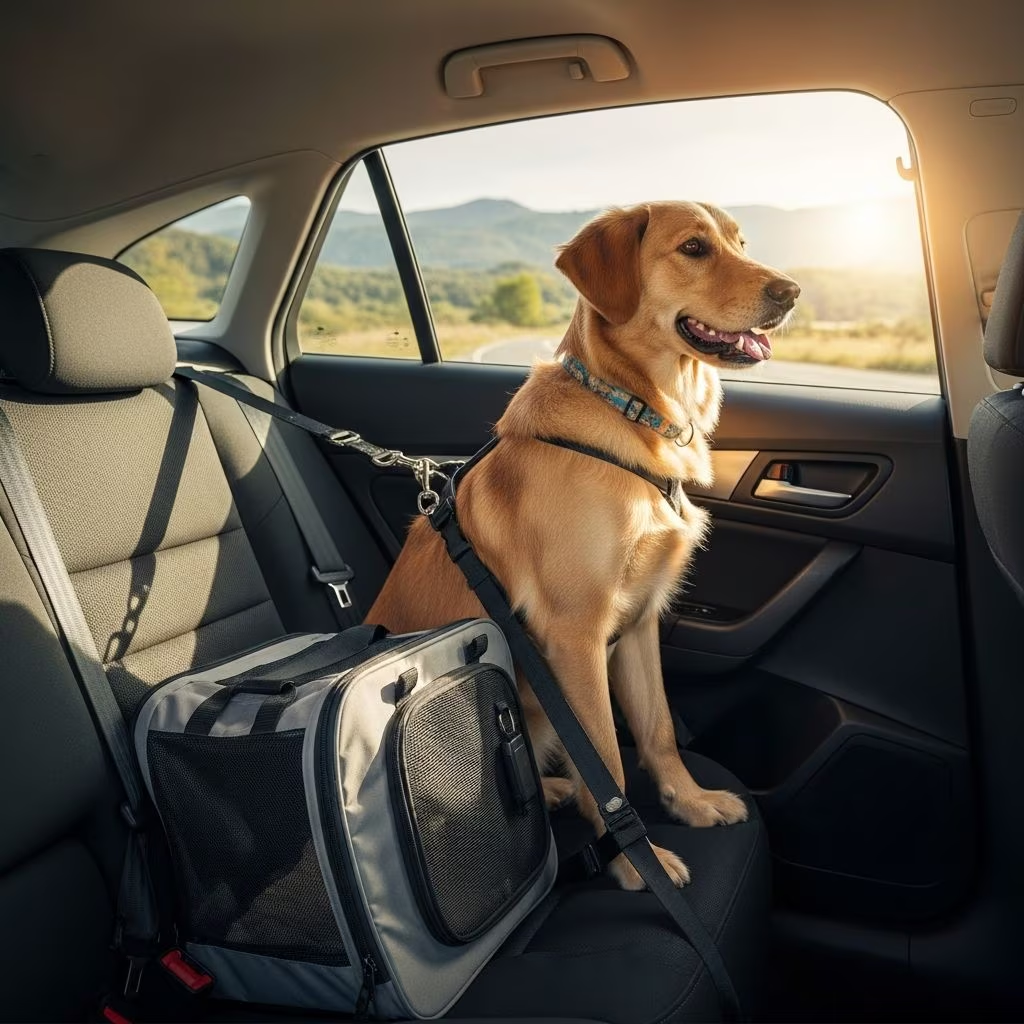
Properly securing your pet in the vehicle is one of the most critical safety measures you can implement. Hard-sided carriers with ventilation holes that are securely fastened to the vehicle represent the safest transportation option. The crate must be large enough for your pet to stand or sit without touching the top, lie down comfortably, and turn around. Ensure the crate is properly secured so it won’t slide or shift during sudden stops or accidents.
Never use wire or collapsible crates for vehicle transport, as these can collapse or break open during accidents, potentially causing serious injuries or death. If you choose not to use a crate, alternative restraint systems are available. Use a harness-style seatbelt attachment or carrier that keeps your pet secure in the backseat. Avoid placing your pet in the front seat, as airbags are not designed with pets in mind and can cause serious injury during deployment.
Never allow your pet to ride with their head out the window, regardless of how much they seem to enjoy it. Objects, debris, or insects can strike their face or eyes, causing injury. Additionally, unrestrained pets in the passenger seat or near active airbags face increased risk of serious harm during accidents.
Feeding and Hydration During Travel
Proper nutrition during travel requires careful timing and planning. Feed your pet three to four hours before departure with a light meal. This timing helps prevent motion sickness and gives your pet adequate time to digest. Never feed your pet while the vehicle is moving, as this can result in nausea or vomiting.
During longer journeys, you can offer occasional small snacks such as a dog biscuit or two, but avoid substantial meals during transit. Once you reach your destination or during rest breaks, provide your pet with their regular meals in a calm, safe environment.
Water management is equally important. Always pack plenty of bottled water or bring water from home. Drinking water from unfamiliar sources could result in stomach discomfort or upset digestion. Offer your pet water periodically throughout the journey, but don’t force them to drink if they’re not interested.
Creating a Pet-Friendly Travel Kit
Thorough packing ensures you have everything your pet needs for a comfortable and safe journey. Your pet-friendly travel kit should include:
- Food and water bowls
- Leash and collar with current identification tags
- Waste bags and scoop for cleanup
- Grooming supplies appropriate for your pet
- Medication and a complete first-aid kit
- Travel documents and vaccination records
- Favorite toys, towels, or bedding to provide familiarity
- Your veterinarian’s contact information
- Treats for positive reinforcement and morale
Pack items that remind your pet of home, such as a favorite toy or bedding. This familiar comfort can significantly reduce travel anxiety and help your pet adjust to temporary lodging. Consider items that engage your pet mentally during stops and rest periods.
Identification and Emergency Preparedness
Proper identification is crucial when traveling with pets, especially in unfamiliar locations. Ensure your pet wears a collar with an identification tag containing your current phone number and name. However, collar tags alone are insufficient—consider getting your pet microchipped for permanent identification. Microchips significantly increase the likelihood of reunion if your pet escapes in an unfamiliar area and loses their collar.
Keep all identification information up to date before traveling. Smart tags and GPS collars offer technological solutions for pet tracking, providing real-time location data if your pet wanders off. Remember that unrestrained pets in unfamiliar circumstances may become frightened or startled and could panic, running into traffic or away from you. Modern identification technology can be lifesaving in these situations.
Never Leave Your Pet Alone in a Parked Vehicle
This is one of the most critical rules of pet travel. Never leave your pet unattended in a parked vehicle, regardless of weather conditions or how briefly you plan to be away. Even on days that don’t seem particularly hot, the temperature inside a parked car can quickly reach dangerous levels. The interior can rise 20 degrees Fahrenheit in just 10 minutes, even in the shade. Cracking the window provides minimal protection, as the car heats at nearly the same rate as when fully closed.
Certain breeds are at increased risk. Dogs with short snouts, such as Pugs or French Bulldogs, succumb to heat exhaustion faster than other breeds. Cold weather presents another danger, exposing animals to hypothermia. If you need to leave the vehicle, either bring your pet with you or arrange for someone to stay with them.
Safety at Rest Stops and Destinations
During rest breaks, allow your dog time to stretch and enjoy the trip. Regular breaks help your pet exercise, relieve themselves, and reduce stress from prolonged confinement. Always use a leash during these stops to prevent escape or injury from traffic.
When arriving at your destination, thoroughly inspect the hotel room or accommodation before allowing your pet inside. The ASPCA Animal Poison Control Center receives numerous calls about pets finding medications or other dangerous items left on floors by previous occupants. Check for any medications, pills, or harmful substances within your pet’s reach.
Conduct a thorough pet-proofing inspection of your accommodation. Take a “pet’s eye view” and identify potential hazards. Are indoor plants safely out of reach? Could your pet access medication bottles or cleaning supplies? Does children’s toys look similar to your pet’s toys? Ensure counters are clean and clear of harmful items. Consider bringing a baby gate or portable crate to restrict access to areas you cannot fully secure.
For cat owners, ensure there are no escape routes through bathroom vanities, windows, or other hiding spots where cats might wedge themselves. Set up a designated safe space with their litter box, food, water, and bedding.
Managing Pet Interactions and Exercise
Don’t assume your pet will safely interact with unfamiliar dogs. Not all traveling pets are accustomed to meeting new friends, and even friendly-appearing dogs may carry diseases or parasites uncommon in your pet’s home community. Keep your pet on a leash around unfamiliar animals and supervise all interactions carefully.
Provide appropriate exercise and mental stimulation during stops to help your pet burn energy and reduce vehicle anxiety. However, always maintain control through proper leashing and restraint. Unfamiliar environments can trigger unexpected behavioral responses, so erring on the side of caution protects both your pet and others.
Understanding Pet Hazards in Vehicles
Numerous household items and automotive products pose dangers to pets during travel. Common hazards include:
- Antifreeze and coolants (highly toxic, especially in cold weather)
- Engine fluids and lubricants
- Pesticides and insecticides
- Carbon monoxide from exhaust
- Unattended medications and supplements
- Toxic plants and flowers
- Foods toxic to pets (chocolate, grapes, xylitol)
- Sharp objects or broken glass
- Loose cables or electrical hazards
Keep your vehicle clean and organized, storing all potentially dangerous substances securely out of reach. Be particularly vigilant about checking your vehicle before and after stops to ensure nothing has been exposed or left accessible to your curious pet.
Special Considerations for Different Pet Types
While these guidelines apply broadly to dogs and cats, some considerations vary by species. Ferrets require the same vaccination and documentation as dogs and cats. Exotic pets or unusual animals may have specialized travel requirements—consult your veterinarian about appropriate accommodations and transportation methods.
Senior pets, young animals, or those with health conditions may require more frequent breaks, additional medications, or specialized climate control in the vehicle. Discuss your specific pet’s needs with your veterinarian before your trip.
Frequently Asked Questions
Q: What size crate does my pet need for vehicle travel?
A: Your pet’s crate should be large enough for them to stand or sit without touching the top, lie down comfortably, and turn around completely. Hard-sided carriers with ventilation holes are recommended, and the crate must be securely fastened to prevent sliding during stops or accidents.
Q: How often should I stop during a road trip with my pet?
A: While specific intervals depend on your pet’s age and temperament, regular breaks every few hours allow your pet to exercise, relieve themselves, and reduce travel stress. Use these stops for bathroom breaks, short walks, and hydration.
Q: Can I give my pet medication to help with travel anxiety?
A: This should be discussed with your veterinarian before your trip. They may recommend anti-anxiety medications or natural supplements to help ease your pet’s stress during travel. Never administer any medication without professional guidance.
Q: What documents do I need when traveling with my pet across state lines?
A: You’ll need current rabies vaccination records and a health certificate for interstate transport. Some states have specific requirements, so contact your destination’s veterinary board or check the ASPCA website for detailed requirements for your route.
Q: Is it safe to leave my pet in the car while I shop or dine?
A: No. Never leave your pet unattended in a parked vehicle, regardless of weather conditions. Temperatures can quickly become dangerous. Instead, leave your pet in your accommodation or arrange for a pet sitter to stay with them.
Q: What should I do if my pet gets lost during travel?
A: Immediately contact local animal shelters, veterinary clinics, and police departments in the area. Call the ASPCA Animal Poison Control Center (888-426-4435) for assistance. Your pet’s microchip and ID tags are crucial for reunion.
References
- Celebrate National Pet Travel Safety Day with These Expert Dos and Don’ts — ASPCA. 2024. https://www.aspca.org/news/celebrate-national-pet-travel-safety-day-these-expert-dos-and-donts
- Road Trip Tips for You and Your Pet — ASPCA. 2024. https://www.aspca.org/news/road-trip-tips-you-and-your-pet
- Traveling With Pets? Follow These Expert Dos and Don’ts to Keep Them Safe — ASPCA. 2024. https://www.aspca.org/news/traveling-pets-follow-these-expert-dos-and-donts-keep-them-safe
- Traveling With Your Pets: Dos and Don’ts — ASPCA. 2024. https://www.aspca.org/news/traveling-your-pets-dos-and-donts



