

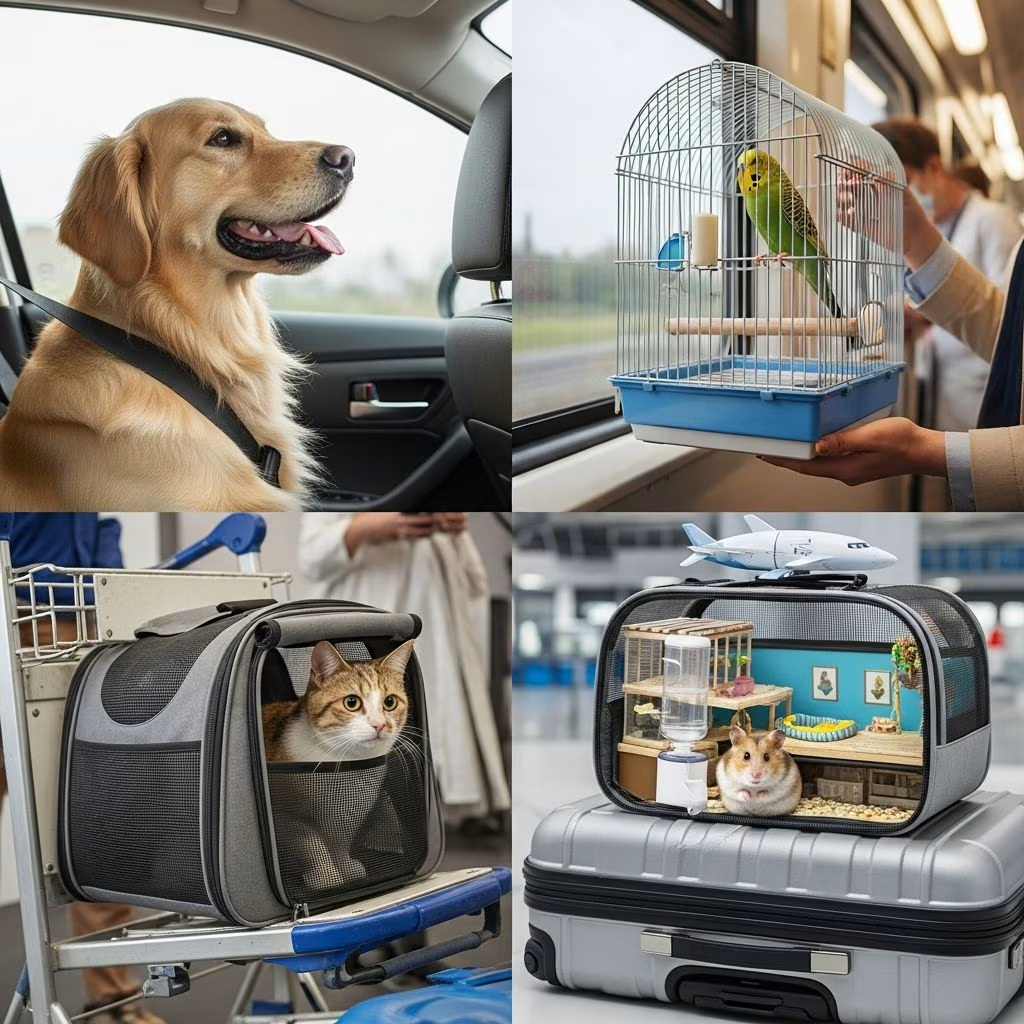
Traveling with pets requires thoughtful planning and understanding of the specific demands of each transportation method. Whether you’re moving across town or across continents, your pet’s safety and comfort should be your primary concern. This guide explores practical strategies for transporting pets via automobile, aircraft, trains, and maritime vessels, ensuring a smooth journey for both you and your animal companion.
Preparing Your Pet for Any Journey
Before embarking on travel, regardless of your chosen transportation method, several foundational preparations are essential. These preliminary steps significantly influence your pet’s ability to handle the stress and changes that travel introduces.
Health and Vaccination Requirements
A comprehensive veterinary examination should occur weeks before your departure date. Your veterinarian will verify that your pet’s vaccinations remain current, assess their overall health status, and address any breed-specific concerns that might complicate travel. For journeys crossing state or international borders, you’ll typically need an official health certificate issued by your veterinarian, generally valid for 10 days from issuance. International travel frequently requires additional documentation, including rabies vaccination certification forms and proof of preventive treatments for parasites.
Identification and Documentation
Proper identification serves as your primary safeguard against separation from your pet during travel. Every pet should wear a sturdy collar displaying identification tags that include their name, your contact information, and any critical medical details. A microchip provides an additional layer of security, particularly for air travel or situations where your pet might escape a carrier. Consider creating a temporary travel tag with your cell phone number and destination contact information for the duration of your trip.
Acclimation to Travel Environments
Pets unfamiliar with travel often experience anxiety and stress. Gradually introducing your pet to their carrier and transportation environment reduces panic responses. Start with short car rides to familiarize them with vehicle movement and sensations. Spend time with your pet inside their carrier at home, making it a comfortable space rather than a source of fear.
Automobile Travel: Road Trip Fundamentals
Car travel offers flexibility and allows you to maintain close contact with your pet throughout the journey. However, proper restraint and safety measures remain non-negotiable.
Restraint Systems and Positioning
Securing your pet during automobile travel protects both your animal and vehicle occupants. Options include:
- Secure carriers: Cats should always travel in carriers, while dogs may use carriers, harnesses, or barriers
- Safety harnesses: Specially designed harnesses attach to seat belts, keeping pets safely positioned
- Vehicle barriers: Physical barriers that confine pets to specific vehicle areas must be sturdy and securely fastened to prevent collapse
Never allow pets to ride in front seats, especially where airbags are present. Keep pets in rear seats or cargo areas where they experience less impact force if sudden stops occur. Prevent pets from extending their heads outside windows, as flying debris can cause serious injury.
Essential Supplies and Hydration
Pack a comprehensive travel kit including food, water, food and water bowls, medications, leashes, waste bags, grooming supplies, bedding, and comfort items. Bring water from your home to prevent digestive upset from unfamiliar water sources in different locations. Feed your pet 3 to 4 hours before departure to reduce motion sickness risk.
Managing Long Journeys
Plan regular breaks during extended trips, allowing your pet to exercise, eliminate, and drink water. Monitoring your pet’s behavior helps identify distress signs such as excessive panting, drooling, whining, or lethargy. Never leave your pet unattended in parked vehicles, regardless of weather conditions, as internal temperatures can quickly become dangerous.
Air Travel: Navigating Airline Policies
Flying with pets involves more complex logistics and stringent regulations. Early research and advance booking are critical for successful air travel.
Pre-Flight Planning
Contact your airline weeks in advance to understand their specific pet policies, as regulations vary considerably between carriers. Book direct flights whenever possible to minimize separation risks during layovers or weather delays. Smaller pets may qualify for carry-on privileges in approved carriers, while larger animals typically must travel in cargo areas[10].
Carrier Requirements and Crate Preparation
Your pet’s carrier must meet airline specifications for dimensions, ventilation, and construction. The crate should be spacious enough for your pet to stand, sit, lie down, and turn around comfortably. Line the carrier floor with absorbent bedding such as shredded paper or towels, and place a small water dish inside. Mark the crate clearly with \”Live Animal\” labels, your name, cell phone number, and destination contact information. Ensure the door closes securely but isn’t locked, allowing airline staff emergency access if needed.
Temperature Considerations
Avoid booking flights during temperature extremes. If your pet travels in cargo, avoid flights when outdoor temperatures exceed 85 degrees Fahrenheit or fall below 45 degrees Fahrenheit, as cargo holds may not maintain controlled climates consistently.
Airport and In-Flight Procedures
Provide your pet with a potty break before securing them in their crate for travel. If carrying your pet onboard, never place them in overhead bins. Cargo pets must remain in their crates below seats in accordance with airline policies. Request permission to observe your pet being loaded and unloaded when traveling in cargo.
Train and Maritime Travel: Alternative Transportation
Trains and ships offer unique travel opportunities, though fewer pets utilize these modes compared to automobiles and airplanes. Pet policies vary significantly by transportation company and route.
Train Travel Considerations
Most rail services allow pets but require advance notice and reservation during booking. Pets typically remain in carriers or designated pet areas throughout the journey. Research your specific rail provider’s pet policy, including any size or breed restrictions. Ensure your pet has regular access to water and designated relief areas. Consider your pet’s comfort during extended train journeys by providing familiar comfort items and maintaining their regular feeding schedule.
Maritime Pet Travel
Ship travel with pets requires substantial advance planning, as maritime pet policies are often restrictive. Most cruise lines don’t permit pets aboard, though some cargo and transportation vessels may accommodate animals in specialized kennels. Ships that do accept pets typically require veterinary health certificates, vaccination records, and proof of rabies protection. Pets may experience motion sickness more severely on ships than automobiles or aircraft, so consult your veterinarian about preventive medications.
Managing Pet Stress and Anxiety During Transit
Transportation inherently stresses many pets. Understanding your pet’s individual temperament and implementing calming strategies improves their travel experience.
Recognizing Stress Indicators
Common stress signals include excessive panting, drooling, whining, lethargy, trembling, loss of appetite, or inappropriate elimination. Some pets display anxiety through destructive behavior or excessive vocalization. Document these responses so your veterinarian can recommend appropriate interventions for future travel.
Comfort Strategies
Familiar items provide psychological comfort during stressful situations. Pack your pet’s favorite toys, blankets, or bedding that carries home scents. Maintain soothing communication through gentle words and calm physical contact. Continuing your pet’s normal routine—consistent feeding times, exercise schedules, and sleep patterns—provides stability amid travel disruptions.
Veterinary Anxiety Management
Discuss anxiety prevention strategies with your veterinarian before travel. Depending on your pet’s temperament and health status, your veterinarian might recommend calming supplements, pheromone products, prescription medications, or behavioral modification techniques tailored to your specific situation.
Essential Travel Kit Checklist
| Category | Items |
|---|---|
| Food & Hydration | Pet food, bottled water from home, food and water bowls |
| Health & Safety | Medications, first-aid kit, vaccination records, health certificate, microchip information |
| Comfort Items | Favorite toys, blankets, bedding, familiar items with home scents |
| Containment & Control | Leash, collar, additional collar, carriers or crates, identification tags |
| Hygiene & Cleanup | Waste bags, grooming supplies, cleaning supplies, potty pads, paper towels |
| Documentation | Travel insurance information, emergency contact numbers, veterinary records |
Destination Preparation and Accommodation
Your destination requires as much preparation as your departure point. Research pet policies for hotels or accommodations well in advance. Bring portable containment options such as soft crates to create familiar spaces in unfamiliar environments. When staying in accommodations where your pet might mark territory, consider using belly bands or potty pads as management tools.
Upon arrival, locate nearby veterinary clinics in case emergency care becomes necessary. Identify pet-friendly parks or exercise areas where your pet can safely exercise and eliminate. Maintain your pet’s regular feeding and sleeping schedules to provide stability and reduce stress.
Frequently Asked Questions
How long before travel should I visit the veterinarian?
Schedule veterinary appointments at least 2 to 3 weeks before travel, allowing time to address any health concerns and obtain required health certificates. International travel may require appointments 6 months in advance for certain vaccinations.
Can I leave my pet in the car during travel stops?
Never leave pets unattended in vehicles, regardless of weather conditions or duration. Interior temperatures can become dangerous within minutes, even on moderate days.
What should I do if my pet becomes ill during travel?
Research veterinary clinics at your destination before departing. Contact your primary veterinarian for guidance, and seek immediate emergency care if your pet displays severe symptoms. Carry vaccination records and health documentation for any veterinary provider you visit.
Are there size restrictions for air travel with pets?
Airlines establish specific size, age, and destination requirements for carry-on pets[10]. Contact your airline directly for precise specifications, as policies vary significantly between carriers.
How can I prevent motion sickness in traveling pets?
Feed your pet 3 to 4 hours before departure rather than immediately before travel. Discuss preventive medications or supplements with your veterinarian. Gradual exposure to travel through short practice trips helps some pets acclimate with reduced nausea responses.
International Travel Considerations
Cross-border pet travel introduces additional requirements. Research destination country pet import regulations and United States re-entry requirements before departing. Dogs traveling to or from high-risk rabies countries require specific rabies vaccination certification forms. Some destinations mandate quarantine periods or specific microchip formats. Allow substantial advance time for documentation processing, as some requirements take weeks to complete.
Conclusion: Ensuring Safe Pet Travel
Successful pet travel combines advance planning, proper equipment, health preparation, and attention to your pet’s individual needs. Whether traveling by automobile, airplane, train, or ship, prioritizing your pet’s safety and comfort ensures a more positive experience for everyone involved. Start preparations weeks in advance, consult with veterinary professionals, and remain flexible in addressing your pet’s unique responses to travel. With thoughtful preparation and realistic expectations, travel with your pet becomes a manageable and rewarding experience.
References
- Traveling Safely with Your Pet: The Ultimate Guide — American Animal Hospital Association (AAHA). Accessed 2026. https://www.aaha.org/resources/the-ultimate-guide-to-traveling-safely-with-your-pet/
- Pet Travel Safety — Centers for Disease Control and Prevention (CDC). 2024-12-15. https://www.cdc.gov/healthy-pets/travel/index.html
- Pet Travel Safety – How To Travel Long Distance — American Red Cross. Accessed 2026. https://www.redcross.org/get-help/how-to-prepare-for-emergencies/pet-travel-safety.html
- Pet Travel Safety: Tips For Stress-Free Trips — Mills River Veterinary Hospital. 2024. https://millsriver.vet/blog/pet-travel-safety-tips-for-stress-free-trips/
- Pet Travel Tips — Center for Pet Safety. Accessed 2026. https://www.centerforpetsafety.org/faqs/pet-travel-tips/
- Travel Safety Tips – for Pets — American Society for the Prevention of Cruelty to Animals (ASPCA). Accessed 2026. https://www.aspca.org/pet-care/general-pet-care/travel-safety-tips
- Pet Travel – Domestic and International Travel With a Pet — U.S. Department of Agriculture (USDA) APHIS. Accessed 2026. https://www.aphis.usda.gov/pet-travel
- Traveling with your dog or cat — American Veterinary Medical Association (AVMA). Accessed 2026. https://www.avma.org/resources-tools/pet-owners/petcare/cvi/traveling-your-dog-or-cat



