

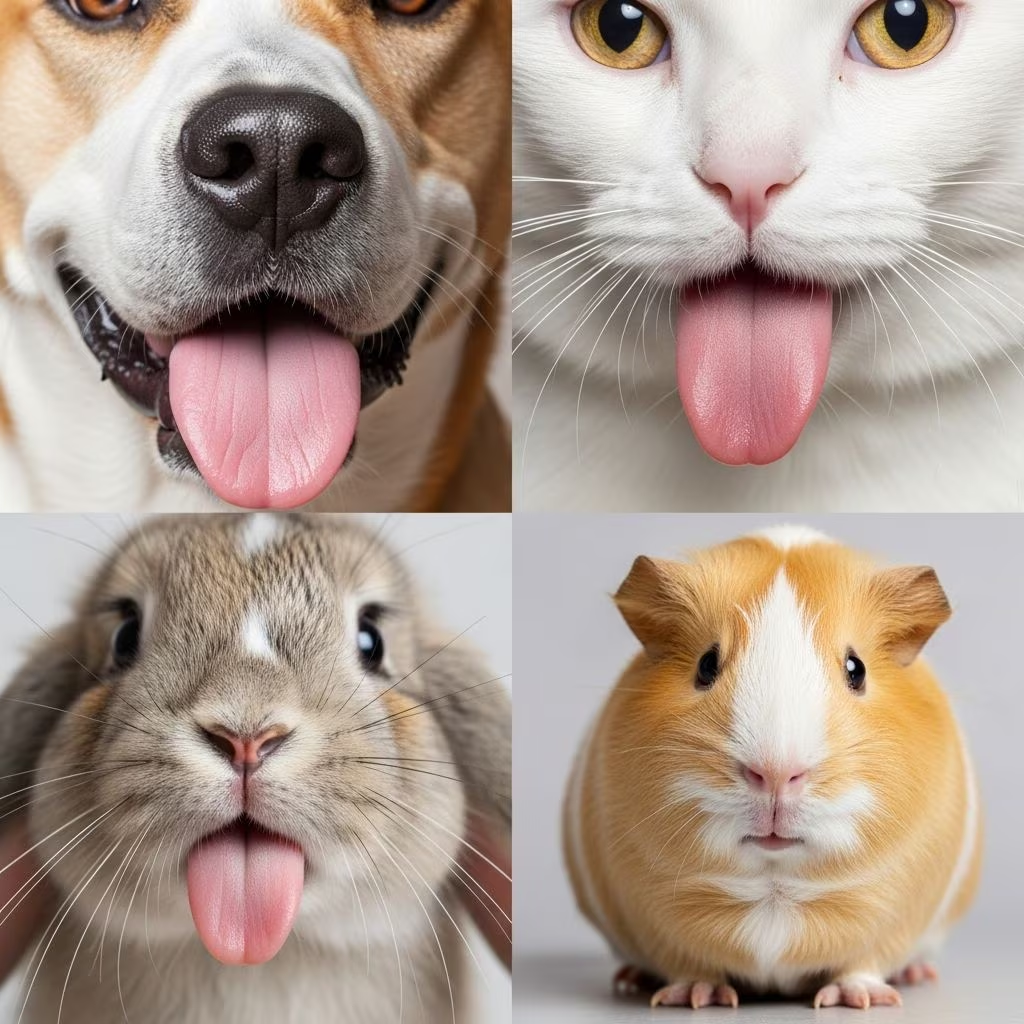
Your pet’s tongue is far more than just a tool for eating and drinking—it serves as a visible window into their overall health status. The color, texture, and moisture level of your pet’s tongue can reveal crucial information about their circulatory system, oxygen levels, liver function, and general wellness. Because the tongue contains numerous blood vessels close to the surface, any changes in its appearance often reflect systemic health issues that warrant veterinary attention.
Why Your Pet’s Tongue Matters for Health Monitoring
Pet owners who understand what constitutes a healthy tongue are better equipped to catch emerging health problems early. The tongue’s rich network of blood vessels makes it an excellent indicator of vascular health and circulation quality. Regular visual inspections of your pet’s tongue can become part of your routine health monitoring, allowing you to detect subtle changes that might otherwise go unnoticed.
When examining your pet’s tongue, look for consistency in color, texture, and moisture. Most importantly, familiarize yourself with what is normal for your individual pet, as this baseline will help you identify deviations that require professional evaluation.
The Healthy Tongue: Normal Appearance and Variations
A healthy pet’s tongue should display a vibrant, uniform pink color. This rosy hue indicates proper blood circulation, adequate oxygenation, and normal red blood cell function. The surface should feel slightly moist and maintain consistent texture throughout.
However, breed-specific variations do exist. Certain dog breeds naturally possess darker or bluish-tinted tongues due to genetic factors rather than health concerns. Chow Chows, Shar-Peis, Akitas, and Dalmatians commonly display black or spotted tongues as a normal breed characteristic. Understanding your pet’s breed standards prevents unnecessary alarm when tongue coloration is simply genetic.
Pale and White Tongues: Understanding Circulation Deficiency
When a pet’s tongue shifts from healthy pink to pale or white, this typically indicates reduced blood circulation or decreased red blood cell count. Several serious conditions can trigger this discoloration.
Anemia and Blood-Related Disorders
Pale tongues frequently signal anemia, characterized by insufficient red blood cells to carry oxygen throughout the body. Multiple factors can cause canine and feline anemia, including:
- Significant blood loss from accidents, injuries, or internal bleeding
- Bone marrow diseases that impair red blood cell production
- Autoimmune conditions causing destruction of existing red blood cells
- Parasitic infections that feed on blood or damage red blood cells
- Leukemia and other blood cancers
Alongside a pale tongue, you may observe additional symptoms such as lethargy, weakness, rapid heartbeat, or unusual behavioral changes like consuming non-food items.
Shock and Circulatory Collapse
Shock represents a medical emergency where blood pressure drops dramatically, reducing circulation to vital organs and peripheral tissues. This can result from severe trauma, internal bleeding, or other catastrophic events. A pet in shock may display:
- Pale or white tongue and gums
- Sunken or glassy eyes
- Rapid or shallow breathing
- Confusion or altered consciousness
- Collapse or extreme lethargy
Medication-Related Tongue Changes
Certain pharmaceutical treatments can temporarily whiten the tongue as a side effect. Antibiotics and chemotherapy drugs occasionally cause this cosmetic change, which typically resolves once medication concludes.
Yellow Tongues: Liver and Gallbladder Dysfunction
A yellow or orange-tinted tongue indicates jaundice, a condition reflecting liver or gallbladder disease. This discoloration occurs when bilirubin, a waste product normally processed by the liver, accumulates in the bloodstream and tissues.
Conditions associated with yellow tongue discoloration include:
- Liver disease or hepatic failure
- Gallbladder obstruction or inflammation
- Hemolytic disease causing red blood cell destruction
- Leptospirosis, a serious bacterial infection
- Gastritis or stomach inflammation affecting digestion
- Toxin exposure damaging liver function
Yellow tongue requires prompt veterinary evaluation, as underlying liver disease can progress rapidly without treatment.
Red Tongues: Inflammation, Infection, and Overheating
A deeper red or inflamed tongue indicates various conditions ranging from minor to severe. The specific causes depend on whether redness affects the entire tongue or localized areas.
Infectious and Inflammatory Causes
Red tongue coloration can signal bacterial, viral, or fungal infections within the mouth or throat. Additionally, autoimmune disorders such as lupus and pemphigus can cause tongue inflammation and discoloration.
Traumatic Tongue Injuries
Tongues are vulnerable to injury from chewing on hard objects, sharp toys, or from bites during play or fights. Localized redness often indicates a wound or ulcer requiring evaluation.
Metabolic and Temperature-Related Issues
Dark red or purplish tongues can indicate heatstroke, when a pet’s body temperature rises dangerously. Additionally, red tongue may signal:
- Severe dehydration
- Kidney dysfunction
- Diabetes
- Hyperthyroidism
- Allergic reactions to food or environmental triggers
- Carbon monoxide or toxin poisoning
Blue and Purple Tongues: Oxygen Deprivation Emergencies
Blue or purple tongue coloration, clinically termed cyanosis, represents a medical emergency indicating insufficient oxygen in the bloodstream. This discoloration appears when tissues lack adequate oxygen supply, compromising cellular function.
Respiratory System Dysfunction
Conditions impairing lung function and oxygen absorption frequently cause blue tongue discoloration:
- Pneumonia and other respiratory infections
- Asthma and chronic airway disease
- Collapsing trachea limiting airflow
- Choking or airway obstruction
- Fluid accumulation in lungs
Cardiac and Circulatory Problems
Heart disease severely compromises the oxygen-carrying capacity of blood, leading to cyanosis. Heart-related causes include:
- Heart failure reducing cardiac output
- Congenital heart defects present from birth
- Valve dysfunction
- Arrhythmias affecting heart rhythm
Toxic Exposure and Systemic Failure
Certain toxins interfere with oxygen transport in the blood or damage critical organs, causing blue tongue discoloration. Neurological disorders affecting breathing muscles can also produce cyanosis.
Additional Tongue Conditions Warranting Attention
Tongue Coating and Texture Changes
Beyond color changes, alterations in tongue coating and texture signal underlying issues. A white coating may indicate fever or poor oral hygiene, while yellow coating suggests impaired digestive enzyme production and possible food stagnation. Stiff or rigid tongues with texture loss can relate to spleen or kidney dysfunction.
Spots and Growths
New spots appearing on the tongue, particularly in older pets, require veterinary evaluation as they could indicate oral melanoma or other cancers. While genetic spots in breeds like Akitas and Dalmatians are normal, changes warrant professional assessment.
When to Seek Emergency Veterinary Care
Certain tongue changes combined with other symptoms require immediate veterinary attention:
- Pale, white, yellow, or abnormally blue/purple tongue
- Lethargy or collapse
- Difficulty breathing or coughing
- Vomiting
- Fainting or exercise intolerance
- Decreased appetite
- Active bleeding or unusual bruising
- Recent injury or surgical procedures
Even isolated tongue color changes without other symptoms warrant prompt professional evaluation, as early detection of serious conditions like liver disease or heart problems improves treatment outcomes.
Preventative Health Monitoring Strategies
Regular tongue inspections complement routine veterinary care. Establish a baseline understanding of your pet’s normal tongue appearance, then conduct monthly visual checks. Note any color shifts, texture changes, or moisture variations. Combining tongue monitoring with attention to overall behavior, appetite, and energy levels creates a comprehensive health awareness system.
Maintain excellent oral hygiene through regular brushing and professional cleanings, as dental disease can affect systemic health. Minimize toxic exposure, ensure adequate nutrition, and keep vaccinations current to prevent infections that might manifest as tongue discoloration.
Frequently Asked Questions
What color is a normal pet tongue?
A healthy pet tongue should be vibrant pink, indicating proper circulation and oxygenation. Exception: certain breeds like Chow Chows naturally have blue or black tongues.
Are pale tongues always an emergency?
Pale or white tongues typically indicate serious conditions and warrant urgent veterinary evaluation, particularly if accompanied by lethargy, collapse, or signs of bleeding. The sooner treatment begins, the better the prognosis.
Can medications cause tongue discoloration?
Yes, certain antibiotics and chemotherapy drugs can temporarily whiten the tongue. This usually resolves after medication concludes, but inform your veterinarian if you notice changes during treatment.
How do I know if my dog’s blue tongue is breed-normal?
If your dog is a Chow Chow, Shar-Pei, or similar breed with genetic tongue pigmentation, blue coloring is normal. Research your breed’s standards, and if uncertain, ask your veterinarian.
What should I do if I notice tongue discoloration?
Contact your veterinarian promptly for evaluation. Document when you first noticed the change and any accompanying symptoms. If your pet exhibits breathing difficulty, collapse, or active bleeding, seek emergency care immediately.
References
- Unhealthy Dog Tongue: White, Pale, Yellow, Blue & Purple — Odie Pet Insurance. 2025-10-13. https://getodie.com/blog/unhealthy-dog-tongue-white-pale-yellow-blue-purple/
- What the different colours and shapes of a dogs tongue indicates — Friends of the Dog. https://www.friendsofthedog.co.za/what-the-different-colours-and-shapes-of-dogs-tongues-mean.html
- What Your Pet’s Tongue Color Says About Their Health — Onalaska Animal Hospital. https://www.onalaskaanimalhospital.com/blog/what-your-pets-tongue-color-says-about-their-health
- Dog Tongue Color Chart: Black, Blue, Purple & Spotted — PetLab Co. https://thepetlabco.com/learn/dog/health-wellness/dog-tongue-color-chart
- 12 Dog Tongue Facts — PetMD. https://www.petmd.com/dog/general-health/12-dog-tongue-facts
- Pink, Yellow, White, or Blue: What Your Pet’s Tongue Color Means for Their Health — Animal Medical Center of New York. 2024-03-27. https://www.amcny.org/blog/2024/03/27/pink-yellow-white-or-blue-what-your-pets-tongue-color-means-for-their-health/
- Integrative Medicine: What Can a Tongue Tell Us? — Belton Vet Clinic. https://www.beltonvetclinic.com/services/other/blog/integrative-medicine-what-can-tongue-tell-us
- What Can a Tongue Tell Us? — Animal Wellness Magazine. https://lovingtouchac.com/pdf/AWM_V16I6_What_color_is_your_dog’s_tounge.pdf



