
Pet Tear and Fur Stains: Causes and Solutions
Discover effective ways to identify, prevent, and treat tear and fur staining in dogs and cats for a cleaner, healthier look.
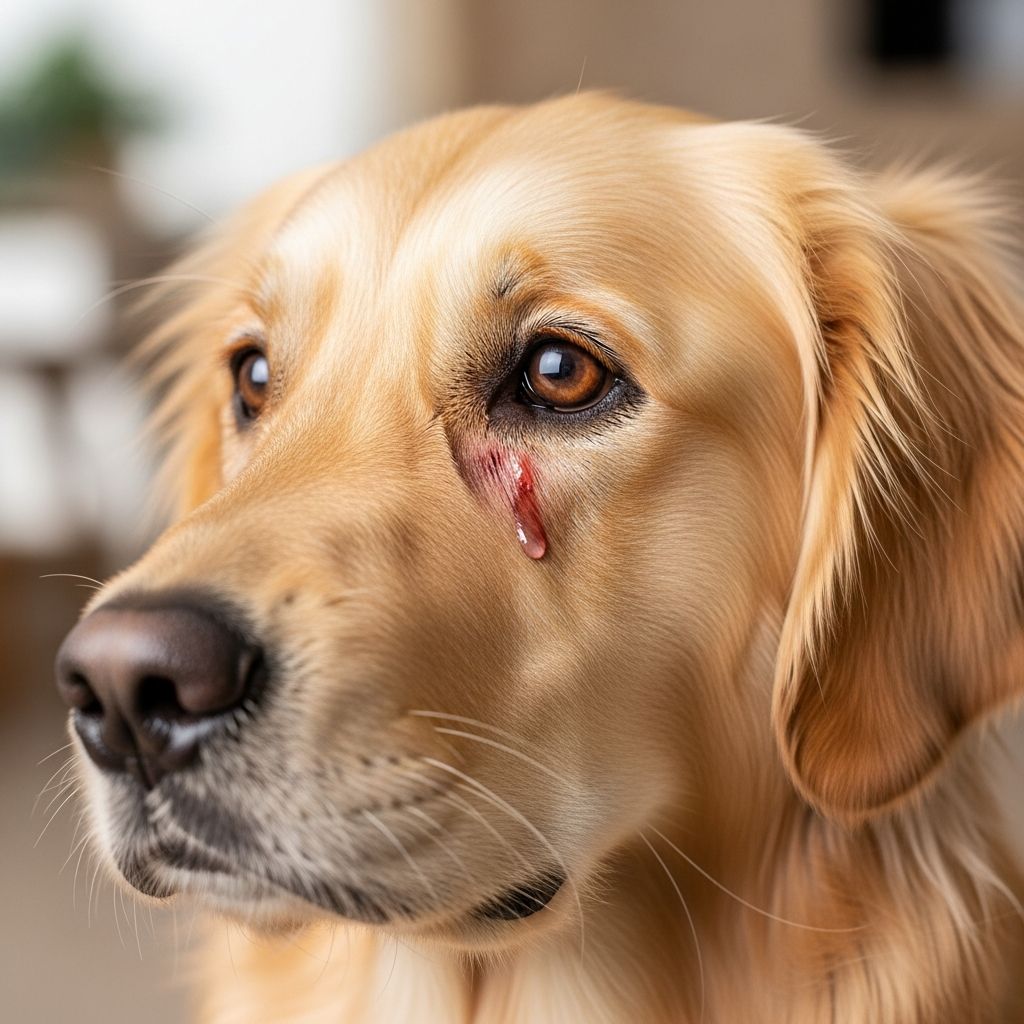
Tear and fur staining affects many pets, particularly those with light-colored coats, resulting in unsightly reddish-brown marks around the eyes, mouth, and paws. These stains stem primarily from porphyrins, iron-containing compounds excreted in tears, saliva, and urine, which oxidize upon exposure to air and light.
Understanding the Science Behind Staining
Porphyrins are natural byproducts of red blood cell breakdown in pets. While present in all animals, they become visible when tears fail to drain properly, wetting the fur and allowing discoloration to set in. This issue is not limited to eyes; excessive licking leads to stains on paws, genitals, or anywhere saliva accumulates.
Light fur amplifies visibility, making white or cream-coated pets like Maltese or Poodles especially prone. Environmental factors, such as sunlight, darken the iron particles, turning stains rusty.
Common Causes of Excessive Tearing and Staining
Staining often signals underlying problems beyond normal tear production. Key triggers include:
- Anatomical issues: Narrow or blocked tear ducts (nasolacrimal ducts) prevent proper drainage, causing overflow.
- Eye abnormalities: Ingrown eyelashes (distichiasis), entropion (inward-rolling eyelids), or oversized tear glands increase discharge.
- Infections and irritants: Bacterial, yeast (Malassezia), or fungal growth thrives in moist fur, producing a corn-chip odor. Allergies to food, pollen, or environment exacerbate this.
- Diet and water quality: Tap water minerals or poor nutrition can worsen porphyrin excretion and inflammation.
- Stress and health conditions: Anxiety, teething in puppies, dental problems, ear infections, or hormonal imbalances boost tear production.
In cats, similar issues arise, though less documented; blocked ducts or allergies are frequent culprits.
Breeds Most Affected by Tear Staining
Certain breeds face higher risks due to facial structure:
| Breed | Key Risk Factors |
|---|---|
| Maltese, Shih Tzu | Long facial hair traps moisture |
| Poodle, Cocker Spaniel | Prominent eyes, shallow orbits |
| Pug, Pekingese, Bulldog | Brachycephalic (flat-faced) anatomy blocks ducts |
| Any light-coated breed | Stains show prominently |
Mixes with these traits inherit vulnerabilities.
Signs Your Pet Needs Veterinary Attention
Not all staining is cosmetic. Watch for:
- Pawing at eyes or face
- Redness, swelling, or discharge (yellow, bloody, or mucoid)
- Foul odor from yeast overgrowth
- Sudden onset in adult pets
- Accompanying symptoms like sneezing or lethargy
These indicate infections, allergies, or blockages requiring professional diagnosis, such as duct flushing or allergy testing.
Daily Grooming Routines to Reduce Stains
Consistent care prevents buildup:
- Trim hair: Keep fur short around eyes to avoid trapping tears.
- Gentle cleansing: Wipe with boric acid eye wash (from contact lens solution, 1.25% boric acid) or saline daily. Avoid harsh soaps.
- Dry thoroughly: Pat dry after cleaning; moisture breeds yeast.
- Prevent scratching: Use an e-collar if pawing irritates skin.
Spring or filtered water may reduce mineral intake aggravating stains.
Dietary Adjustments and Supplements
Gut health influences tear quality. Strategies include:
- Probiotics: Balance microbiome to curb inflammation; products like Purina Pro Plan Veterinary Diets FortiFlora support immunity and reduce stress-related tears.
- Omega-3s: Fish oil improves tear composition and skin health.
- Antioxidants: Vitamin C (as ascorbic acid wipes) lightens stains by oxidizing porphyrins.
- Low-porphyrin diets: Avoid red meat; opt for fish or novel proteins if allergies suspected.
Antibiotics like tylosin (e.g., Angels’ Eyes) target bacteria but use vet-guided to avoid resistance.
Advanced Treatments for Persistent Stains
For stubborn cases:
- Vet procedures: Flush ducts, remove ingrown lashes, or surgically correct entropion.
- Medications: Antifungals for yeast, antihistamines for allergies, or short-term antibiotics.
- Commercial removers: Enzyme-based wipes or powders safe for pets.
Always rule out systemic issues like UTIs or anal gland problems causing licking and secondary stains.
Preventing Stains in Puppies and Kittens
Young pets stain from teething or weaning diets. Focus on hygiene, high-quality puppy food, and monitoring for congenital duct issues. Stains often fade as adults if addressed early.
FAQs
Are tear stains harmful to my pet?
Usually cosmetic, but they signal potential infections or discomfort needing vet care.
Can I use human eye drops?
No; opt for pet-safe solutions to avoid irritation.
Do tear stain supplements work for all dogs?
Not universally; effectiveness varies by cause (e.g., ineffective against yeast).
How long until stains fade?
Weeks to months with consistent care; new growth is clean fur.
Is plastic bowls causing stains?
Possible bacterial growth; switch to stainless steel.
Holistic Approaches and Long-Term Management
Combine grooming with stress reduction via enrichment toys or pheromone diffusers. Regular vet check-ups catch issues early. Track progress with photos to adjust routines.
Owners report success blending methods: 70% see improvement in 4-6 weeks per anecdotal vet guides, though studies are limited.
References
- Dog Tear Stains: Causes, Symptoms, and Remedies — Figo Pet Insurance. 2023-05-15. https://figopetinsurance.com/blog/dog-tear-stains-causes-symptoms-and-remedies
- Identify Dog Tear Staining Causes and Treatments — Splash and Dash for Dogs. 2024-02-10. https://splashanddashfordogs.com/blog/dog-tear-staining-causes-treatments/
- Tear and Fur Staining: How to Stop It — Preventive Vet. 2023-11-20. https://www.preventivevet.com/pets/tear-and-fur-staining
- Tear Stains on Dogs: Why They Happen and How to Remove Them — GoodRx. 2024-08-05. https://www.goodrx.com/pet-health/dog/tear-staining
- A Veterinary Guide to Stubborn Tear Stains on Dogs — Northern Oaks Veterinary Hospital. 2023-07-12. https://www.northernoaksvet.com/services/dogs/blog/veterinary-guide-stubborn-tear-stains-dogs
- Everything You Need to Know About Tear Staining in Dogs — MedVet. 2024-03-18. https://www.medvet.com/tear-staining-in-dogs/
Similar Articles








Read full bio of Sneha Tete


