

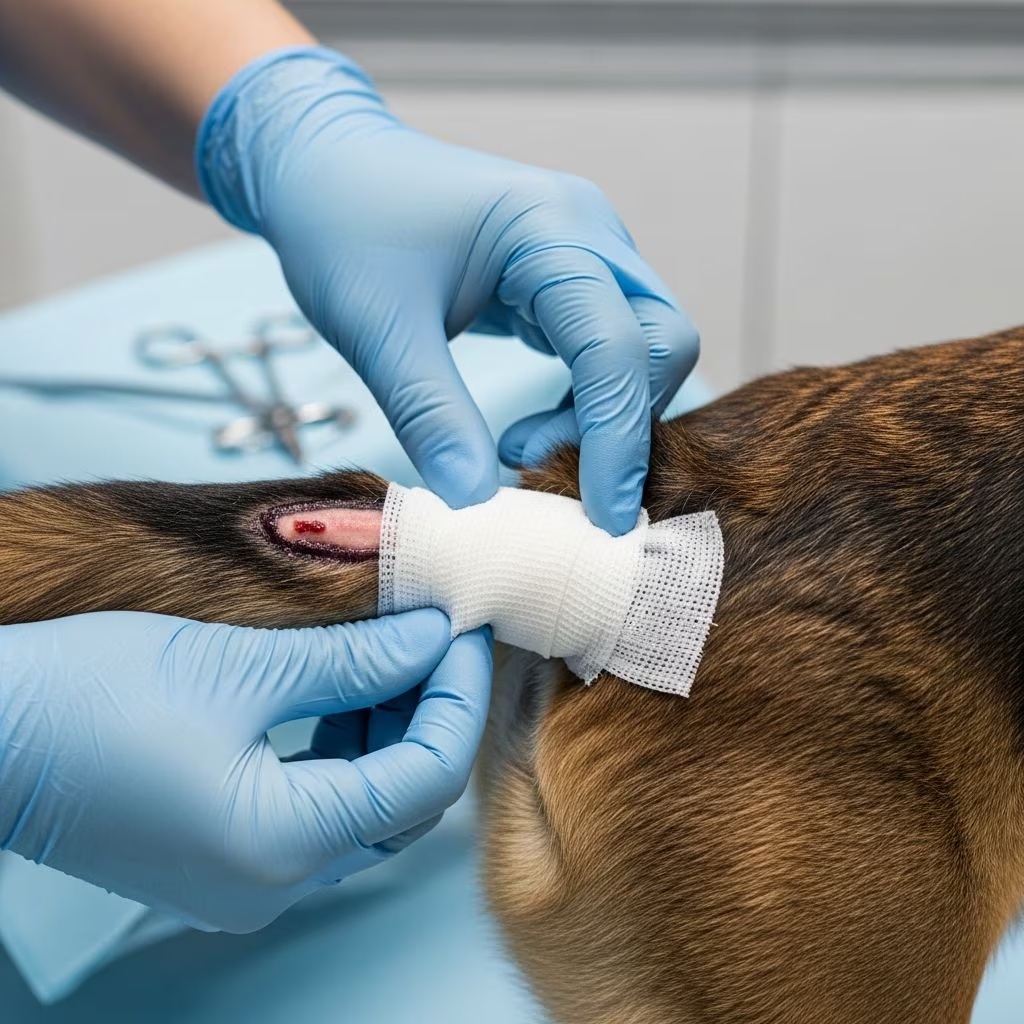
The tails of dogs and cats serve vital roles in balance, communication, and sensation, but severe damage can make removal the only humane option. Tail amputation, or caudectomy, becomes necessary when injuries, infections, or diseases threaten a pet’s health and quality of life.
Understanding the Anatomy of a Pet’s Tail
A pet’s tail is an extension of the spine, containing vertebrae, nerves, muscles, blood vessels, and skin. In dogs, it aids in wagging for emotional expression and maintaining agility during runs. Cats use their tails for precise balance while jumping or navigating narrow spaces. This complex structure makes healing challenging after trauma, as limited skin and poor blood supply hinder recovery.
When damage occurs, veterinarians assess nerve function, circulation, and tissue viability. Paralysis or necrosis often signals the need for surgical intervention to prevent pain or systemic issues like sepsis.
Primary Medical Reasons for Tail Amputation
Veterinarians recommend tail amputation only after conservative treatments fail. Common triggers include:
- Traumatic injuries: Crushed tails from doors, car accidents, or fights expose bone and invite bacteria.
- Persistent infections: Abscesses or osteomyelitis that resist antibiotics require removal of necrotic tissue.
- Oncologic conditions: Tumors like mast cell growths demand excision to halt metastasis.
- Neurological deficits: Tail-pull injuries stretch sacral nerves, risking incontinence.
- Chronic conditions: Happy tail syndrome from repetitive wagging against surfaces causes non-healing ulcers.
These scenarios prioritize amputation to alleviate suffering and avert complications.
Trauma: The Leading Cause of Tail Removal
Trauma accounts for most cases, with tails caught in doors or gates being frequent culprits. Degloving injuries strip skin from bone, creating high-risk wounds prone to osteomyelitis. Fractures or dislocations disrupt vertebrae, while nerve avulsion leads to flaccid tails and potential bladder dysfunction.
| Type of Trauma | Common Sources | Why Amputation? |
|---|---|---|
| Crush/Fracture | Doors, vehicles | Bone exposure, poor healing |
| Degloving | Dragging, fights | Infection risk, tissue loss |
| Tail Pull | Falls, bites | Nerve damage, incontinence |
In pull injuries, the cauda equina nerves may tear, pulling on the spinal cord. Amputating the dead weight relieves tension, preserving continence. Prompt surgery prevents gangrene from vascular compromise.
Infections and Non-Healing Wounds
Even minor wounds escalate if pets chew or lick them. “Happy tail” in enthusiastic wagglers—often Labradors or hounds—results from slamming tails against walls or crates, forming ulcers that resist bandaging. Frostbite in outdoor pets or poor circulation from vascular trauma adds to cases where tissue dies irreversibly.
Antibiotics and dressings fail when bone is involved, as tails lack collateral circulation. Amputation removes the source, allowing clean healing.
Tumors and Growths on the Tail
Masses pose unique challenges due to scant skin for closure. Benign growths may recur if incompletely excised, while malignant ones like soft tissue sarcomas spread rapidly. Partial amputation at the tumor’s base ensures margins, avoiding dehiscence.
Diagnostic biopsies precede surgery, but urgency rises with ulceration or bleeding. Full removal trumps risky reconstruction.
The Surgical Procedure Explained
Performed under general anesthesia, caudectomy involves:
- Shaving and prepping the site.
- Incising skin and muscles between vertebrae.
- Ligating vessels and severing nerves.
- Amputating bone with rongeurs or saw.
- Closing with sutures in layers.
Level depends on pathology: distal for trauma, proximal for tumors or paralysis. Short stumps reduce reinjury risk but heighten incontinence potential if nerves are compromised.
E-collar use prevents self-trauma, with most surgeries lasting 30-60 minutes.
Post-Operative Care and Recovery
Recovery spans 10-14 days, focusing on pain control (opioids, NSAIDs), antibiotics, and wound checks. Owners monitor for swelling, discharge, or lethargy.
- Clean site daily with saline.
- Restrict activity; use crate rest.
- Administer meds as prescribed.
- Follow-up stitches removal at 10 days.
Complications like dehiscence or seromas are rare with sterile technique.
How Pets Adapt Without a Tail
Most dogs and cats adjust within weeks, regaining balance via ear and body adjustments. Communication shifts to posture and vocalizations. Studies show no long-term mobility deficits, with many thriving post-amputation.
Exceptions include very short docks risking fecal soiling, but proper length mitigates this.
Cosmetic Docking vs. Therapeutic Amputation
Unlike banned cosmetic docking, therapeutic caudectomy saves lives. AVMA endorses it for welfare. Ethical vets refuse elective procedures, prioritizing medical need.
FAQs on Pet Tail Amputation
Is tail amputation painful for my pet?
No, anesthesia and analgesics ensure comfort. Most resume normalcy quickly.
Will my dog be less happy without a tail?
Tails express joy, but pets adapt via other cues. Quality of life improves sans pain.
How much tail is removed?
Varies: enough for healthy margins, often mid-tail.
Can cats balance without tails?
Yes, using whiskers and core strength.
What if infection follows surgery?
Rare; contact vet immediately for antibiotics.
Is amputation covered by insurance?
Often as essential surgery; check policy.
Preventing Tail Injuries in Pets
Secure doors, pad enclosures, trim working dog tails if prone to happy tail. Regular checks catch issues early.
For paralyzed tails, early amputation preserves function. Consult vets promptly post-trauma.
References
- Tail Amputation: Why It’s Sometimes Necessary, and What to Expect — Petful. 2023. https://www.petful.com/pet-health/tail-amputation-dogs-cats/
- Cat Tail Amputation — PetMD. 2024-01-15. https://www.petmd.com/cat/procedure/cat-tail-amputation
- Reasons for Docking Tails: Cosmetic or Medically Necessary — Tier1Vet. 2023. https://tier1vet.com/docking-tails/
- Tail Amputations: Are They Really Necessary? — Animal Medical Center. 2016-04-06. https://www.amcny.org/blog/2016/04/06/tail-amputations-are-they-really-necessary/
- Tail Amputation in Cats — Fresno TNR. 2024. https://www.fresnotnr.org/tailamputation
- Caudectomy — Veterian Key. 2022. https://veteriankey.com/caudectomy/
- Tail docking in dogs — American Veterinary Medical Association. 2024. https://www.avma.org/resources-tools/animal-health-and-welfare/animal-welfare/tail-docking-dogs



