

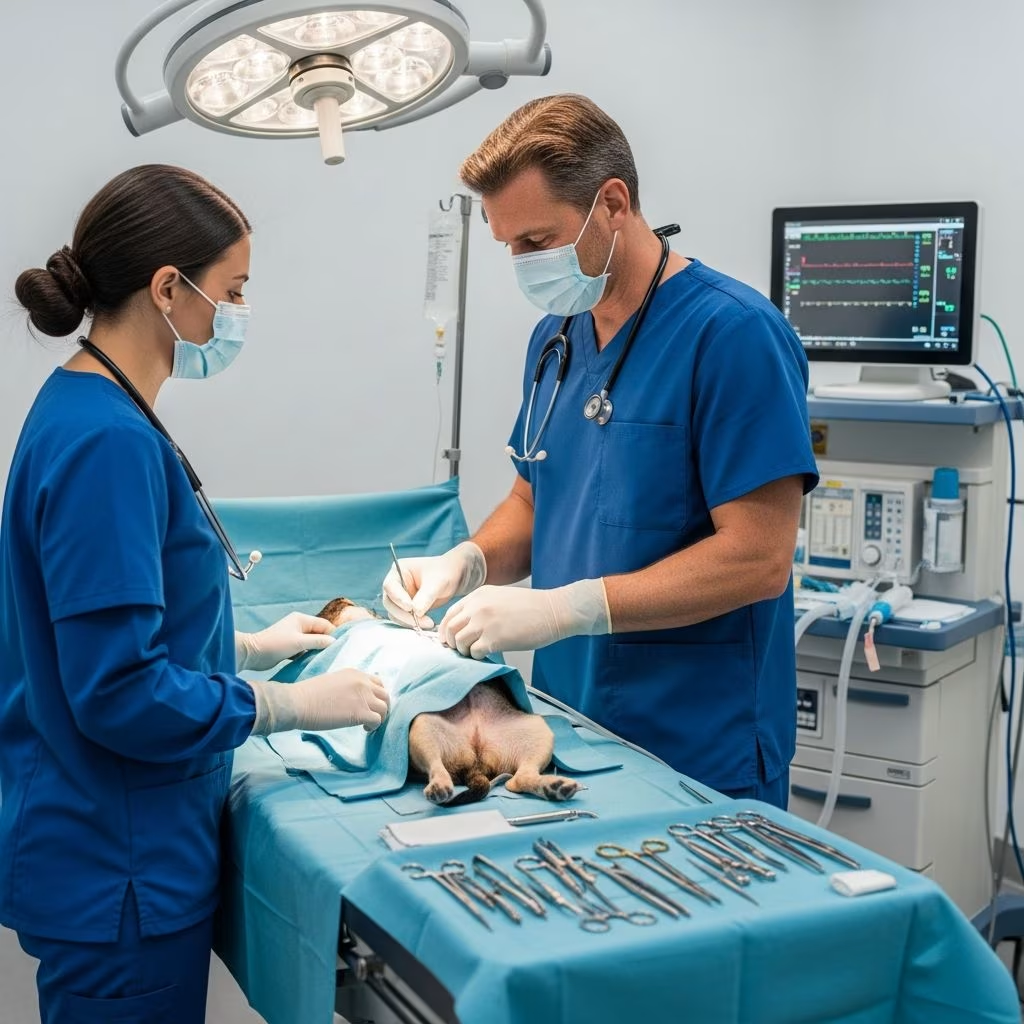
Pet surgeries can represent a significant financial commitment for owners, with costs varying widely based on procedure type, animal size, location, and clinic standards. Routine operations like spaying or neutering typically range from $150 to $600, while complex emergencies or cancer treatments can exceed $4,000. This guide breaks down average expenses, key influences, and practical strategies to handle veterinary bills.
Common Surgical Procedures and Their Price Ranges
Veterinary surgeries span preventive, diagnostic, and life-saving categories. Costs reflect anesthesia, monitoring, medications, and post-operative care. Here’s an overview of prevalent procedures for dogs and cats.
| Procedure | Average Cost for Dogs | Average Cost for Cats |
|---|---|---|
| Spaying/Neutering | $150–$600 | $50–$500 |
| Dental Cleaning & Extractions | $300–$2,000 | $300–$800 |
| Tumor Removal | $300–$1,600 | $300–$1,600 |
| Broken Bone Repair | $2,371 | $2,257 |
| Foreign Object Removal (Stomach) | $2,900–$3,265 | $2,900–$3,265 |
| Cancer Treatment (Surgery + Care) | $4,000+ | $4,000+ |
These figures draw from 2026 national averages, noting that larger dogs often incur higher fees due to anesthesia and material needs.
Factors Driving Up Veterinary Surgery Expenses
Several elements contribute to fluctuating surgery costs, beyond the procedure itself. Understanding these helps pet owners anticipate and mitigate bills.
- Geographic Location: Urban areas or regions with high living costs charge 20-50% more than rural clinics. For instance, emergency services in cities often exceed $200 for initial exams.
- Pet Size and Breed: Larger breeds require more anesthesia and larger implants, elevating prices. Breeds prone to specific issues, like Bulldogs with breathing problems, face premium surgical rates.
- Clinic Type and Standards: Emergency or specialty hospitals invest in advanced monitoring and sterile protocols, justifying higher fees. Independent practices may offer lower rates but vary in equipment quality.
- Pre- and Post-Op Services: Diagnostics like bloodwork ($80–$200) or ultrasounds ($300–$600) add up quickly, as do hospitalization and pain management.
- Inflation and Supply Issues: Rising costs for supplies, pharmaceuticals, and utilities have pushed vet prices up faster than general inflation, with some procedures doubling in the past decade.
Diagnostic Tests: Hidden Costs Before Surgery
Before any surgery, vets perform tests to assess risks and plan treatment. These can comprise 20-30% of total bills.
| Test Type | Average Cost |
|---|---|
| Blood Work (Basic) | $80–$200 |
| X-Rays | $150–$250 |
| Ultrasound | $300–$600 |
| MRI | $2,500–$6,000 |
| Fecal Exam | $25–$45 |
| Urine Test | $40–$70 |
In emergencies, these diagnostics expedite decisions but inflate immediate costs. Opting for bundled packages at routine visits can reduce per-test expenses.
Emergency Surgeries: Preparing for the Unexpected
After-hours crises like fractures or blockages demand rapid intervention, with exams starting at $100–$200 and full surgeries reaching $5,000 for dogs. Infrastructure for 24/7 staffing, advanced imaging, and ICU care drives these premiums. Pet insurance covering 70-90% of accident-related bills proves invaluable here.
Preventive Measures to Lower Long-Term Surgery Needs
Proactive care averts many costly operations. Vaccinations and parasite preventives cost far less than treating resulting conditions.
- Core Vaccinations: Rabies ($20–$30), Leptospirosis ($30), Lyme ($45) for dogs; Feline Leukemia ($25–$45), Bordetella ($10–$30) for cats. Administered annually or as boosters.
- Wellness Exams: $50–$250 annually, including heartworm tests ($45–$50) and fecal screens to catch issues early.
- Spay/Neuter Clinics: Low-cost options ($50–$200) via shelters prevent reproductive emergencies and cancers.
Regular dental care, starting at $707 for cleanings, avoids extractions that escalate to $1,500.
Strategies for Managing and Reducing Vet Bills
Budgeting for pet health involves multiple tactics.
Pet Insurance Options
Policies cover surgeries, diagnostics, and meds, reimbursing 80% after deductibles ($100–$500). Accident-only plans suit young pets; comprehensive ones handle illnesses.
Payment Plans and Assistance
- CareCredit or clinic financing for 0% interest short-term.
- Non-profits like RedRover or Brown Dog Foundation aid with grants for surgeries.
- Low-income clinics or university vet schools offer discounted rates.
Shopping Smart
Compare quotes from 2-3 clinics, ask about itemized bills, and inquire on generics for meds. Wellness plans cap routine costs at $30/month.
Recent Trends in Veterinary Pricing
Vet costs rose over 40% in the last decade due to corporate consolidations, tech upgrades, and pet longevity—now averaging 12-15 years, increasing chronic needs. In 2025, price sensitivity led 94% of vets to note delayed care, risking worse outcomes.
FAQs on Pet Surgery Costs
How much does spaying a dog cost in 2026?
Average $150–$600, lower at shelters. Factors include size and location.
Are emergency vet surgeries covered by insurance?
Yes, most plans reimburse diagnostics, surgery, and hospitalization after deductibles.
Why have vet surgery prices increased so much?
Supply chain issues, advanced tech, and higher care standards contribute, outpacing inflation.
Can I get a payment plan for pet surgery?
Many clinics partner with CareCredit; inquire upfront for options.
What’s the cost range for cat dental surgery?
$300–$800, depending on extractions needed.
Final Thoughts on Budgeting for Pet Health
While pet surgeries carry hefty tags, informed planning through insurance, prevention, and resource hunting eases the load. Prioritize annual checkups to sidestep escalations—healthy pets mean fewer surprises.
References
- How Much Does a Vet Visit Cost? (2026) — Insurify. 2026. https://insurify.com/pet-insurance/knowledge/how-much-the-vet-costs/
- How Much Does a Vet Visit Cost? Average Cost in 2026 — Kinship. 2026. https://www.kinship.com/pet-lifestyle/vet-costs-explainer
- AVMA shares insights into rising veterinary costs — AVMA. 2025. https://www.avma.org/blog/avma-shares-insights-rising-veterinary-costs
- Understanding Veterinary Costs at The Hometown Veterinarian — Hometown Veterinarian. 2025. https://www.hometownveterinarian.com/resources/understanding-veterinary-costs-at-the-hometown-veterinarian
- Why Does Veterinary Care Cost So Much? — Mountain View Animal Hospital. 2025. https://mountainviewvet.com/why-does-veterinary-care-cost-so-much/
- Veterinarians report increasing price sensitivity, decreasing visits — AVMA. 2025. https://www.avma.org/news/veterinarians-report-increasing-price-sensitivity-decreasing-visits



